
Hosting large family gatherings in the Philippines requires a dining setup that is both highly accommodating and adaptable. Whether it is a Sunday lunch, a birthday celebration, or a holiday reunion, welcoming six to ten relatives around a single table is a common scenario for many households. However, permanently dedicating a massive portion of your living or dining area to a ten-seater table is often impractical for daily life. A high-quality foldable round table offers an elegant solution to this spatial dilemma, allowing you to expand your dining capacity instantly and reclaim your floor space once the guests have departed.
To find the right table for your home, you must look beyond basic seating capacity and evaluate the structural details that ensure safety and comfort. This guide outlines the essential dimensions, structural checks, and space-planning criteria to help you evaluate options and build a reliable shortlist for your family gatherings.
Key Dimensions for Seating 6 to 10 People Comfortably
To ensure every family member enjoys their meal without rubbing elbows, you must first understand how table diameter translates to actual seating capacity. For a round table, the usable perimeter determines how many chairs can fit comfortably side by side. As a general rule, each diner requires approximately 60 centimeters of table edge space to eat comfortably without feeling cramped. When planning for a gathering of six people, a table diameter of 120 to 135 centimeters is typically sufficient. However, if your guest list regularly expands to eight or ten people, you will need to look for a table with a diameter of at least 150 to 180 centimeters.
Products mentioned in this guide
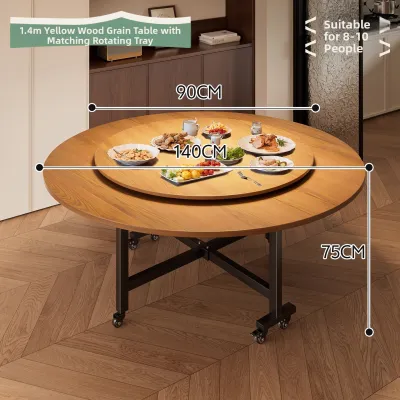
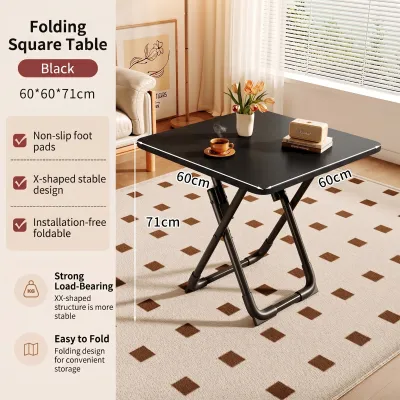
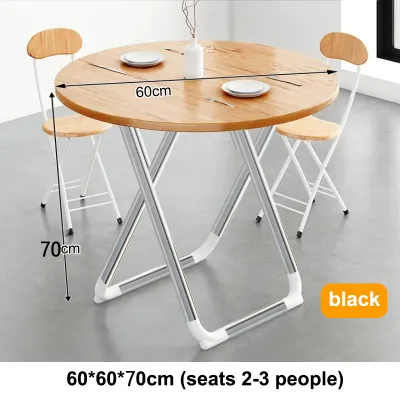
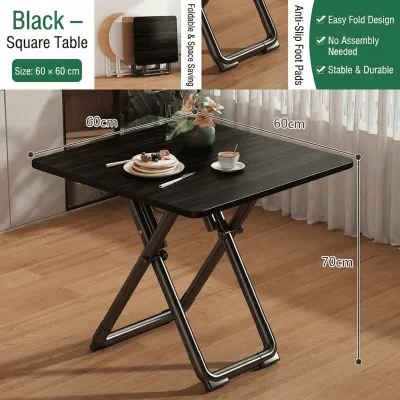
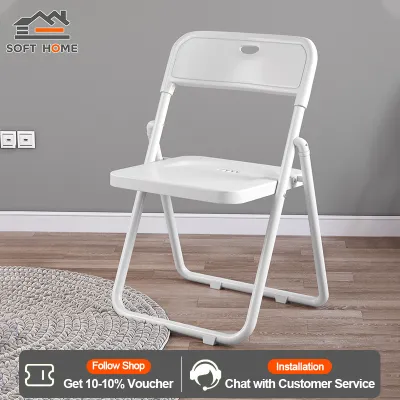
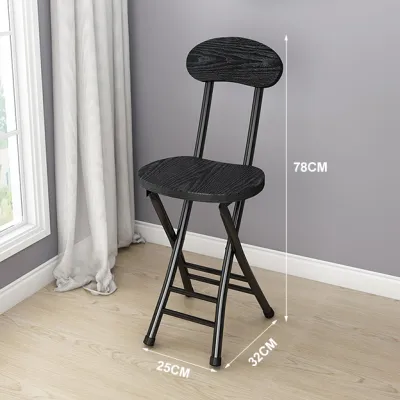
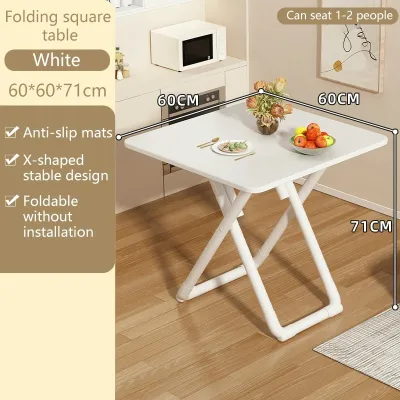
Prices are valid at publication and may change. Please refer to the product page for the latest price.
Beyond the surface area, under-table clearance is a critical factor that is frequently overlooked. Many folding tables feature a supportive metal or wooden frame directly beneath the tabletop, known as the apron. If this apron is too thick, it can severely restrict knee room, making it uncomfortable for taller family members to sit close to the table. When evaluating options, measure the distance from the floor to the bottom of the apron to ensure there is at least 70 centimeters of vertical clearance. Additionally, check how the table legs are positioned; corner-set legs or recessed pedestal designs generally offer more unobstructed legroom than wide, diagonal bracing bars.
The folding mechanism itself can also influence the usability of the tabletop. For instance, center-fold tables feature a hinge in the middle that allows the table to fold in half like a suitcase. While highly portable, this design introduces a seam across the center of the table. You must verify that this seam sits perfectly flush when the table is fully expanded. Any height discrepancy or gap along the center line can cause serving platters, glasses, or bowls of soup to wobble or tip over. Alternatively, drop-leaf round tables feature fixed center sections with hinged outer leaves that fold downward. This style eliminates a central seam but may limit legroom around the folded leaves when they are lowered.
Evaluating Folding Mechanisms and Structural Stability
The structural integrity of a foldable round table relies heavily on its folding mechanism and leg configuration. Because round tables naturally invite people to lean on the edges, the risk of tipping or wobbling is higher than with rectangular designs. Center-fold tables with wishbone-style legs are highly popular due to their balanced weight distribution. The legs fold flat against the underside of the tabletop, and when expanded, they lock into place to form a wide, stable base. When inspecting these models, look for heavy-duty steel tubing and a wide stance that extends close to the outer perimeter of the table to prevent edge-tipping.

Safety is another paramount consideration, particularly during the setup and teardown process. High-quality folding tables are equipped with dedicated locking mechanisms, such as gravity-lock rings or spring-loaded safety latches. These components automatically slide into place when the legs are fully extended, preventing the table from accidentally collapsing if it is bumped or nudged during a lively family meal. Always inspect these joints for pinch points—areas where fingers can easily get caught during transition. A well-designed table will have protective guards or smooth, rounded hinges that minimize the risk of injury.
Finally, consider the physical effort required to operate and transport the table. A solid 180-centimeter round table can be surprisingly heavy, often weighing upwards of 20 to 30 kilograms depending on the materials used. If you plan to set up and store the table frequently, check if the manufacturer has integrated carrying handles or built-in wheels into the design. It is also wise to assess whether the folding process can be managed by a single person or if it requires two people to safely lift, unfold, and lock the structure into place without straining your back or damaging your floors.
Material and Surface Checks for Gathering Use
In the tropical climate of the Philippines, furniture is constantly exposed to high humidity, warm temperatures, and the occasional spill of hot, savory dishes. Therefore, relying solely on a material’s name is not enough to guarantee long-term durability. Instead, you must carefully check the manufacturer’s specifications for specific performance indicators. For example, if you are considering a plastic tabletop, verify that it is made from High-Density Polyethylene (HDPE). This material is naturally resistant to moisture and impact, but you should still check if it has been treated with UV inhibitors to prevent yellowing or cracking if used on an outdoor veranda or patio.
For wooden or engineered wood folding tables, the quality of the protective finish and edge treatment is vital. Water from condensation on cold pitchers of water or spilled drinks can easily seep into poorly sealed seams, causing the wood fibers to swell, warp, or delaminate. Inspect the edge banding of the table; high-quality options utilize seamless, heat-bonded ABS or PVC edges that create a tight barrier against moisture. Additionally, check the manufacturer’s guidelines regarding heat tolerance. While many modern laminates can withstand moderate warmth, placing hot serving pots directly onto the surface without a trivet or heat-resistant pad can cause permanent blistering or discoloration.
The metal frame and legs require equal scrutiny to ensure they do not succumb to rust over time. Look for specifications indicating a powder-coated finish, which provides a durable, scratch-resistant barrier against moisture and air. Examine the weld points where the legs meet the folding brackets; these joints should be smooth, continuous, and free of visible gaps or weak spots. Always cross-reference the manufacturer’s stated maximum load capacity to ensure the frame can support the weight of multiple heavy serving bowls, plates, and decorative centerpieces without bowing or flexing.
Space Planning: Clearance, Storage, and Pathways
Before purchasing a large foldable round table, accurate space planning is essential to ensure a comfortable dining experience. A table that fits perfectly on paper may feel incredibly cramped once chairs are added and guests attempt to move around. To calculate the required clearance, measure the diameter of your chosen table and add at least 90 centimeters of space around the entire perimeter. This extra clearance allows diners to pull their chairs back comfortably to stand up and provides enough room for others to walk behind them without disrupting the meal.
Equally important is measuring the pathways and storage areas within your home. A folded 150-centimeter or 180-centimeter table is still a substantial piece of furniture. Measure the height and width of your doorways, hallways, stairwells, and the specific closet or storage nook where the table will reside when not in use. If your storage space has a low ceiling or narrow entry, a center-fold table that folds in half may be much easier to maneuver than a solid-top table with legs that simply fold flat, as the latter retains its full diameter even when stored.
Lastly, do not overlook the levelness of your dining floor. Many homes in the Philippines feature tiled, stone, or concrete floors that may have slight irregularities or slopes. A folding table placed on an uneven surface will rock, which can lead to spills and structural strain on the folding joints. To mitigate this, check if the table legs are equipped with adjustable leveling feet. These threaded glides allow you to fine-tune the height of individual legs to compensate for uneven flooring, ensuring a perfectly stable and level dining surface.
Building Your Shortlist: What to Verify Before Buying
When you are ready to build your shortlist and make a final decision, there are several critical specifications you should verify directly with the seller or manufacturer. Do not rely on vague product descriptions; instead, request the official product manual or specification sheet. Confirm the exact maximum weight capacity under both static (stationary) and dynamic (moving) conditions. This ensures the table can safely handle the weight of heavy ceramic serving dishes, large pots, and the occasional leaning guest.
Inquire about the availability of replacement parts and the specifics of the manufacturer’s warranty. Over years of frequent use, small components like rubber foot pads, locking pins, or plastic hinge guards can wear out or go missing. Choosing a brand that offers readily available replacement parts ensures you can maintain your table’s safety and functionality without having to replace the entire unit. Additionally, confirm what the warranty covers, focusing specifically on the folding joints and structural frame.
Finally, take the time to cross-reference user reviews on reputable online marketplaces and furniture forums. Look past the initial star ratings and search specifically for feedback regarding long-term durability. Pay close attention to recurring complaints about joints loosening after a few months of use, surface peeling under humid conditions, or folding mechanisms that become stiff or difficult to operate. This real-world feedback is invaluable for identifying potential design flaws before you commit to a purchase.
Frequently Asked Questions (FAQ)
Can a foldable round table support heavy dishes for large gatherings?
Yes, a high-quality foldable round table can support a substantial amount of weight, but you must always verify the manufacturer’s stated load capacity before loading it with heavy dishes. To ensure maximum stability during large family meals, distribute the weight of heavy serving platters, soup tureens, and beverage dispensers evenly across the tabletop. Avoid placing exceptionally heavy items directly over the center folding joint of a bi-fold table, as this area is more vulnerable to stress. Instead, utilize trivets and place heavier items closer to the underlying support frame or legs where the structure is most rigid.
How do I prevent the folding joints from loosening over time?
Preventing the folding joints of your table from loosening requires regular inspection and basic maintenance. Periodically examine the underside of the table to check for loose screws, bolts, or hinges, especially before and after hosting a large gathering. If you notice any play in the joints, use the appropriate tools to gently tighten the hardware according to the manufacturer’s instructions. Never force the folding mechanism if it feels stiff or catches during setup; instead, inspect the track for debris or apply a small amount of silicone-based lubricant to the moving parts as recommended by the manual to keep the transition smooth.

Community discussion
Share your experience or ask a question. Comments are reviewed before publication.