
Choosing the right foldable shoe rack organizer depends entirely on your closet’s layout, available space, and the specific types of footwear you own. Walk-in closets benefit from multi-tier floor units, built-in wardrobes excel with hanging or over-the-door organizers, and compact freestanding armoires require stackable, low-profile inserts. In tropical environments like the Philippines, where high humidity and seasonal dust can affect footwear preservation, selecting an organizer that balances space efficiency with proper ventilation is essential. By matching the structural design of a foldable rack to your specific closet type, you can maximize storage capacity, protect your footwear investment, and maintain an orderly home.
Measuring Your Closet Space and Shoe Volume
Before purchasing any organizer, you must accurately assess the physical boundaries of your closet. Start by using a reliable tape measure to record the exact width, depth, and height of the designated storage area. If you plan to place a foldable rack on the floor, measure the footprint carefully, ensuring there is enough clearance for closet doors to swing open or slide along their tracks without obstruction.
Next, take a complete inventory of your shoe collection and group them by style and height. Flat sandals, slippers, and sneakers require less vertical clearance between tiers, whereas high heels, wedges, and boots demand taller spacing. Counting your shoes allows you to determine the exact number of tiers or compartments needed, preventing you from buying an organizer that is either too small or unnecessarily bulky.
Products mentioned in this guide
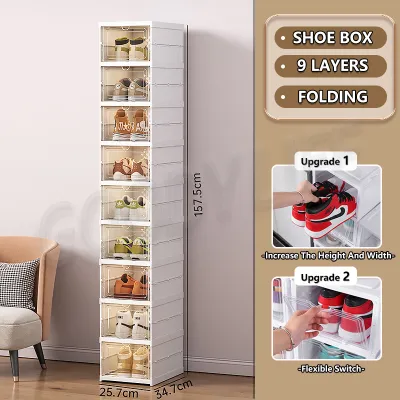
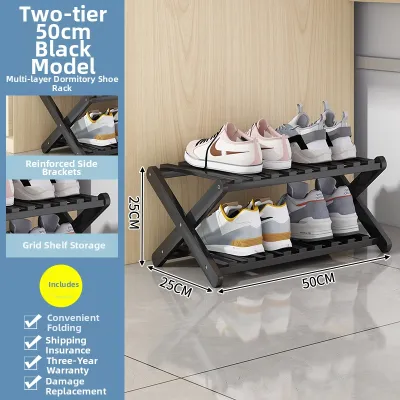
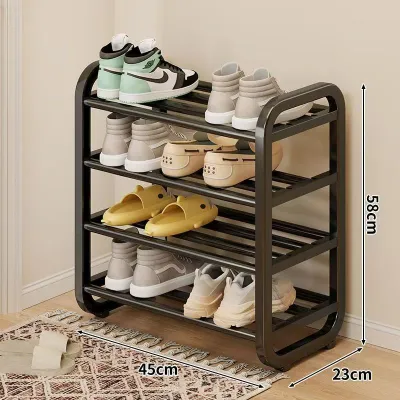
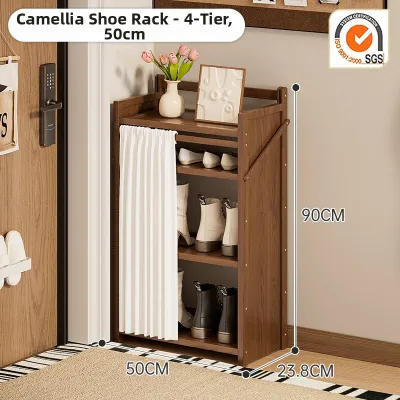
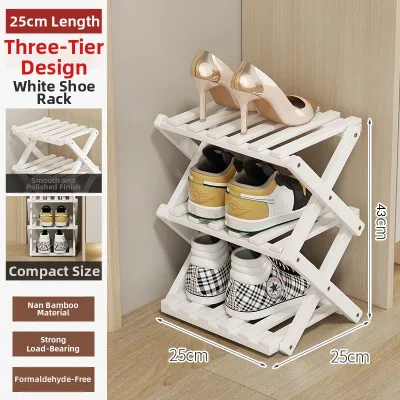
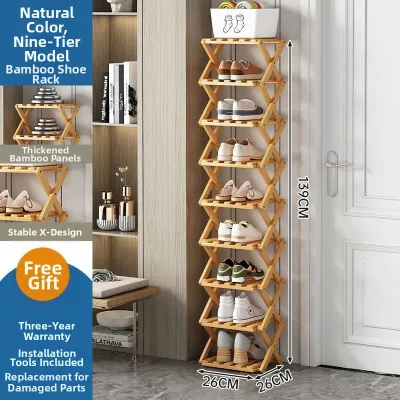
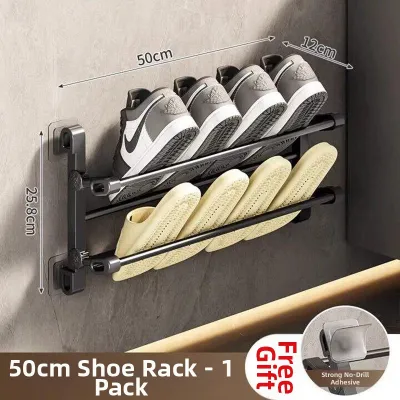
Prices are valid at publication and may change. Please refer to the product page for the latest price.
Finally, inspect the closet interior for hidden obstructions that could interfere with a foldable rack’s frame. Look out for protruding baseboards, low-hanging garments, cabinet hinges, light switches, or electrical outlets. Foldable organizers often have wider scissor-style frames or external joints that require a few extra centimeters of clearance on the sides to expand and lock into place properly.
Matching Foldable Racks to Walk-In Closets
Walk-in closets offer the luxury of floor space, but without a structured system, they can quickly become cluttered. Tiered foldable floor racks are highly effective in these spacious layouts because they can be positioned against empty walls or placed directly beneath low-hanging clothing rods. These racks can be expanded to their full width to accommodate large shoe collections and folded flat if you need to reconfigure the space.

If your walk-in closet has unused corners, look for specialized foldable corner units. These organizers feature a triangular or angled footprint that fits snugly into tight corners, turning dead space into functional storage for daily-wear slippers or sandals. Utilizing corners keeps the main floor area open and visually clean.
When setting up a multi-tier foldable rack, always maintain adequate walkway clearance. Ensure there is at least 60 to 90 centimeters of open floor space in front of the rack so you can walk, bend down, and retrieve your shoes comfortably without tripping. A cramped walkway defeats the purpose of an organized walk-in closet.
Stability is paramount for larger, multi-tier collections stored on freestanding racks. Check the manufacturer’s specifications for the base width and ensure the unit features secure locking joints that prevent the frame from swaying. Placing heavier shoes, such as thick-soled sneakers or boots, on the bottom tiers helps lower the center of gravity and enhances overall stability.
Integrating Foldable Organizers into Built-In Wardrobes
Built-in wardrobes often feature fixed shelving and pre-installed hanging rods, which can limit your storage flexibility. To maximize this rigid structure without drilling or causing permanent damage, consider over-the-door foldable pockets. These fabric or plastic organizers hang over the top of the wardrobe door, utilizing the vertical dead space on the inside of the door panel to store lightweight shoes like flats and sandals.
Another excellent option is a hanging closet organizer with foldable shelves. These units attach directly to your existing closet rod using heavy-duty hook-and-loop straps or metal hooks. They hang vertically, utilizing the empty space beneath shorter hanging garments like shirts and jackets, and can be folded flat when not in use.
Before installing a hanging organizer, verify the load-bearing capacity of your existing closet rod. Wooden or thin metal rods can bow or pull away from the wall if overloaded with multiple pairs of heavy shoes. If you notice any sagging, limit the number of shoes stored in the hanging organizer or distribute the weight by placing lighter footwear in the hanging compartments.
Additionally, check the depth of your built-in shelves before purchasing foldable inserts. If the insert is too deep, it will protrude past the shelf edge, preventing the wardrobe doors from closing completely. Measure the distance from the back wall to the inner edge of the door frame to ensure a flush, seamless fit.
Fitting Foldable Solutions Inside Freestanding Wardrobes
Freestanding wardrobes and armoires typically have a compact footprint and limited internal shelving, requiring highly efficient storage solutions. Stackable foldable shoe boxes are ideal for these tight spaces. These individual boxes can be stacked vertically to utilize the full height of a shelf, and their clear front panels allow you to identify your shoes quickly while protecting them from dust.
Under-shelf foldable inserts are another smart way to double your storage capacity on deep, tall shelves. These wire or plastic racks slide onto an existing shelf, creating an extra half-tier underneath. This allows you to store flat shoes or slippers in the newly created lower space while keeping the main shelf free for taller footwear.
When using organizers inside a freestanding wardrobe, pay close attention to door clearance. Ensure that the organizer does not interfere with the smooth operation of sliding doors or the hinges of swinging doors. Even a slight protrusion can scratch the interior of the wardrobe doors or prevent them from latching securely.
Because freestanding wardrobes are often constructed from lightweight materials, prioritize lightweight foldable organizers. Heavy metal racks can put unnecessary stress on the wardrobe’s internal shelves, causing them to warp over time. Opt for durable plastics, lightweight aluminum, or fabric-based organizers to keep the overall weight manageable.
Evaluating Materials, Stability, and Ventilation
The durability of your foldable shoe organizer depends heavily on its materials and construction quality. When shopping, inspect the frame stability, joint locks, and base width. High-quality foldable racks feature robust locking mechanisms that secure the joints in place once expanded, preventing the unit from collapsing under the weight of your footwear.
In humid climates, the choice between breathable fabrics and rigid plastics is crucial for shoe preservation. Fabric organizers allow for natural air circulation, which helps prevent moisture buildup and mold growth on leather shoes. However, if you prefer maximum dust protection, rigid plastic boxes with built-in ventilation holes offer an excellent compromise, keeping your shoes clean while allowing air to flow.
Always read and adhere to the manufacturer’s weight limits per tier. Exceeding these limits can cause the shelves to sag, the joints to crack, or the entire frame to collapse. If you own heavy footwear, look for organizers with reinforced metal frames or thick plastic panels designed to handle higher load capacities.
Finally, check the surface finishes of the organizer. Rough metal edges or unpolished wood can snag delicate fabrics or scratch premium leather shoes. Opt for organizers with smooth, powder-coated finishes, rounded corners, or soft fabric linings to ensure your footwear remains in pristine condition.
Assembly, Safety, and Routine Care
Proper assembly and regular maintenance are essential to ensure the safety and longevity of your foldable shoe organizer. Always follow the manufacturer’s instructions carefully when unfolding and locking the frame. If the organizer is tall or top-heavy, use any provided anti-tip hardware to secure it to the wall, preventing accidental tipping.
Keep fabric and plastic organizers away from direct heat sources, such as sunny windows, air conditioning exhaust vents, or dehumidifiers. Prolonged exposure to high heat and direct sunlight can warp plastic panels, degrade fabric fibers, and cause colors to fade.
When cleaning your organizer, refer to the product’s care label for specific instructions. For routine maintenance, spot clean fabric surfaces with a damp cloth and mild soap, and wipe down plastic or metal frames to remove dust. Avoid using harsh chemical cleaners or abrasive scrubbing pads, as these can degrade the protective finishes and weaken the foldable joints.
Periodically inspect the organizer’s joints, screws, and structural alignment. If you notice any loose connections, bent frames, or cracked plastic joints, stop using the organizer immediately. Consult the manufacturer for replacement parts or guidance to prevent a sudden structural failure that could damage your shoes or cause injury.
Frequently Asked Questions (FAQ)
Can foldable shoe racks hold heavy winter boots?
Standard fabric or lightweight plastic foldable racks may sag or buckle under the weight of heavy, tall boots. If you need to store heavy footwear, check the manufacturer’s maximum weight capacity per shelf before purchasing. Look for organizers with reinforced steel frames, thick wooden tiers, or rigid stackable boxes specifically rated for heavy-duty use to ensure long-term stability.
How do I clean a fabric foldable shoe organizer?
Always check the product’s care label for specific cleaning instructions. For routine maintenance, spot clean the fabric with a damp cloth and mild, diluted soap, then allow it to air dry completely in a well-ventilated area. Avoid machine washing or submerging the organizer in water unless explicitly approved by the manufacturer, as water can ruin the internal cardboard or plastic supports.
Are foldable shoe racks suitable for outdoor or balcony use?
Most indoor foldable shoe organizers lack weather-resistant coatings and are not suitable for outdoor or balcony use. Exposure to moisture, rain, and direct sunlight can quickly degrade fabric fibers, rust metal joints, and warp plastic frames. To store shoes outdoors, look for organizers explicitly labeled by the manufacturer as weather-resistant or designed for outdoor environments.

Community discussion
Share your experience or ask a question. Comments are reviewed before publication.