
Finding the right folding table with wheels for a small home office in the Philippines requires balancing compact storage, smooth mobility, and structural stability. In typical local condominiums and shared family homes, space is at a premium, and high humidity can affect furniture longevity. A mobile folding table allows you to set up a productive workspace during the day and reclaim your living area at night. To make the right choice, you must evaluate your physical space, compare folding mechanisms, check caster safety, and verify weight capacities against your specific work setup.
Measuring Your Space and Mobility Requirements
Before purchasing a mobile folding table, you must accurately measure your available floor space and define how the table will be moved, used, and stored in your home. Condominiums and apartments in urban areas often feature compact layouts with narrow entryways, tight hallways, and small elevators. Measure the clear floor area where you plan to work, ensuring there is enough room for your office chair to slide back comfortably without hitting walls or other furniture.
Next, measure the width of all doorways, hallways, and any tight corners the table must pass through when folded. If you live in a multi-story home or a high-rise building, check the dimensions of stairs and elevators to ensure the table can be delivered and moved between rooms without getting stuck. Knowing these physical limits beforehand prevents the frustration of buying a piece of furniture that cannot navigate your home’s layout.
Products mentioned in this guide
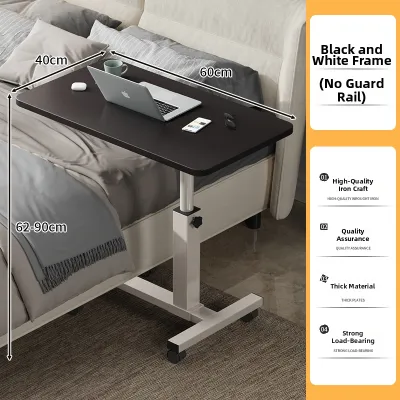
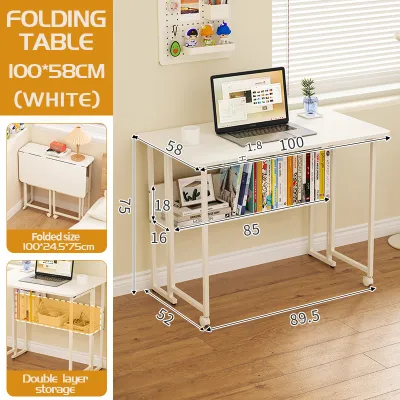
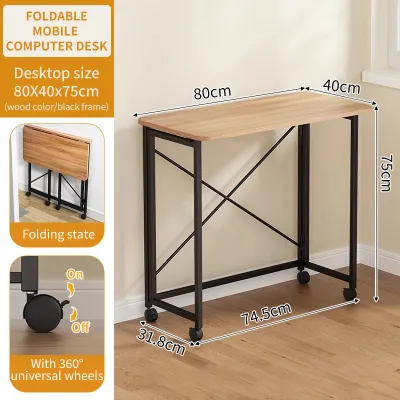
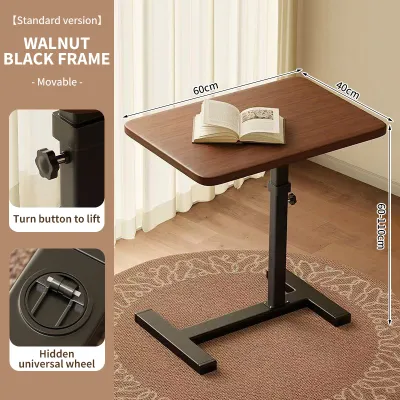
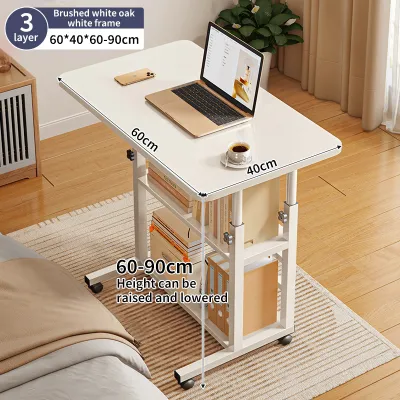
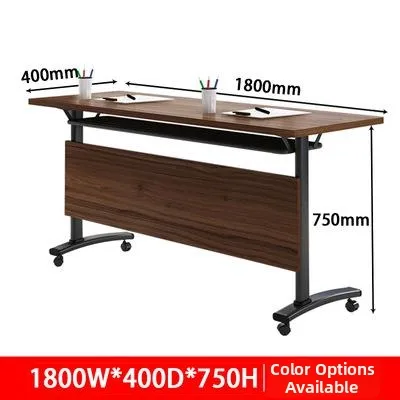
Prices are valid at publication and may change. Please refer to the product page for the latest price.
Identify your primary work tasks to determine the minimum required surface area. A single laptop requires less depth than a setup with an external monitor, a separate keyboard, and a mouse. Write down your equipment list and measure their combined footprint to find a table that accommodates your tools without crowding the surface.
Finally, plan the exact storage footprint and location when the table is folded and pushed away. Measure the width, depth, and height of your intended storage zone, whether it is a narrow gap beside a wardrobe, a space inside a utility closet, or a flat area against a living room wall. Having a designated storage spot ensures your home remains clutter-free when the workday is over.
Comparing Dimensions and Folding Mechanisms
When comparing unfolded dimensions, ensure the table leaves enough clearance for comfortable movement within the room. In a small room, a table that is too wide can block walkways or prevent doors from opening fully. Check the manufacturer’s specifications for both the fully extended dimensions and the folded footprint to ensure a proper fit.

Folded thickness is critical if you plan to tuck the table under a bed or behind a sofa. Some models fold completely flat, reducing their profile to just a few centimeters, while others fold in half or feature drop-leaf designs that still occupy a small block of floor space. Verify the folded height and depth to ensure it fits under your specific furniture if horizontal storage is your goal.
Examine the folding mechanism itself to ensure it is safe and easy for a single person to operate. Some tables use a simple hinge-and-pin system, while others feature spring-loaded latches or center-folding joints. Pay close attention to potential pinch points where fingers could get caught during setup or takedown. Check the product manual or instructions for clear safety guidelines on how to fold and unfold the frame.
Additionally, consider how the folding mechanism affects the table’s overall stability. Mechanisms with fewer moving parts often provide a more rigid surface, while complex multi-jointed frames may require more frequent maintenance. Look for designs that lock securely in both the open and closed positions to prevent accidental unfolding during transport.
Checking Stability, Casters, and Weight Limits
Mobility is highly convenient, but a desk must remain stationary while you type. Check the caster specifications to ensure the wheels are equipped with reliable locking mechanisms. Ideally, at least two of the casters—preferably the ones facing you—should have individual locks that are easy to engage with your foot. This prevents the table from drifting or sliding on smooth floors during active use.
Weight capacity is another vital factor to verify before making a purchase. Review the manufacturer’s stated weight limits to ensure the frame can safely support your computer, monitors, books, and the natural pressure of your arms as you type. Keep in mind that folding tables often have lower weight capacities than solid, stationary desks. Avoid overloading the table beyond its specified limit, as this can strain the folding joints and lead to structural failure.
Assess the frame construction and cross-bracing designs. Look for steel or heavy-duty metal frames with cross-bars or triangular bracing designs. These structural elements help minimize side-to-side wobble when the table is fully extended. A table with weak joints or thin legs will vibrate with every keystroke, which can be highly distracting during long work hours.
Furthermore, consider the environmental conditions in the Philippines. High humidity can affect certain materials over time. Check if the metal frame has a rust-resistant powder coating and verify that the tabletop material is sealed properly to resist moisture absorption, which can cause warping or swelling in humid climates.
Assembly, Clearance, and Floor Safety Checks
Once your table is delivered, carefully follow the manufacturer’s assembly instructions. Ensure all bolts, screws, and brackets are tightened securely. Before placing any expensive electronics on the surface, perform a manual test of the folding joints. Fold and unfold the table a few times to verify that the hinges move smoothly and lock into place securely without any unusual play or resistance.
Test the wheels on your specific flooring. In local homes, floors are commonly finished with ceramic tiles, polished concrete, engineered wood, or vinyl planks. Roll the table across the floor to check for smooth movement. Hard plastic wheels can sometimes scratch delicate wood finishes or make loud rattling noises on tiled floors with wide grout lines. If you have area rugs, check if the casters can transition over the edges without catching or tipping.
Establish safe clearance zones around your workspace. Ensure there is enough space behind the table for your office chair to roll back safely, allowing you to stand up without hitting walls or other furniture. If your table has drop-leaf panels, make sure there is enough clearance on either side for the leaves to swing up and lock into position without striking nearby walls or delicate home decor.
Regularly inspect the hardware after assembly. Over time, the vibrations from rolling the table and folding it for storage can loosen screws and bolts. A quick monthly check to tighten any loose hardware will help maintain the table’s stability and extend its lifespan.
Frequently Asked Questions (FAQ)
How do I prevent a folding table with wheels from scratching tile or wood floors?
To protect your floors, check the material of the casters. Hard nylon or plastic wheels are prone to scratching wood and making noise on tiles. Look for tables equipped with soft polyurethane (PU) or rubber-coated casters, which glide quietly and absorb minor impacts. If your table comes with hard plastic wheels, check if they can be unscrewed and replaced with standard floor-safe office chair casters. Alternatively, placing a low-profile, non-slip floor mat under your workspace can provide an extra layer of protection against scratches and wheel marks.
Can I use a folding table with wheels as a permanent standing desk?
Standard folding tables are typically designed for sitting heights and do not offer the height adjustment range required for ergonomic standing work. Attempting to use a standard folding table as a permanent standing desk by placing it on risers or heavily loading it at an elevated height is not recommended. This significantly increases the risk of wobble, joint strain, and tipping. If you prefer to stand, check the manufacturer’s intended use guidelines or look specifically for mobile, height-adjustable sit-stand desks designed with reinforced frames and locking columns to ensure stability at higher levels.

Community discussion
Share your experience or ask a question. Comments are reviewed before publication.