
Maximizing a compact study room requires a deliberate approach to furniture selection, especially when trying to maintain an airy, uncluttered environment. Japanese-style shelving, known for its clean lines, low profiles, and modular versatility, offers an elegant solution for organizing books, files, and study essentials. However, integrating these minimalist designs into a limited floor plan requires more than just matching an aesthetic; it demands precise spatial planning and a clear understanding of your storage habits.
In typical urban homes and condominiums across the Philippines, study spaces are often carved out of small spare rooms or bedroom corners. High humidity levels and compact architectural layouts mean that your choice of shelving must be both physically compatible with your room and resilient enough for local environmental conditions. By focusing on exact dimensions, structural integrity, and smart placement, you can select a Japanese shelf that enhances your productivity without crowding your workspace.
Assessing Your Study Room Space and Shelf Dimensions
Before browsing online marketplaces or visiting local showrooms, you must establish the exact physical boundaries of your study room. Begin by measuring the available floor footprint where you intend to place the shelf. Use a reliable steel measuring tape to map out the width and depth, ensuring you leave ample clearance for your study chair to slide back comfortably. A common oversight is forgetting the space required to walk past the desk and chair when the shelf is fully assembled and positioned.
Products mentioned in this guide
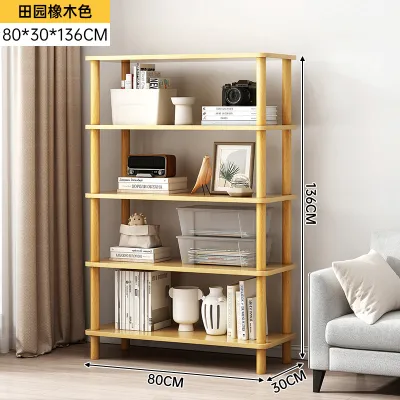
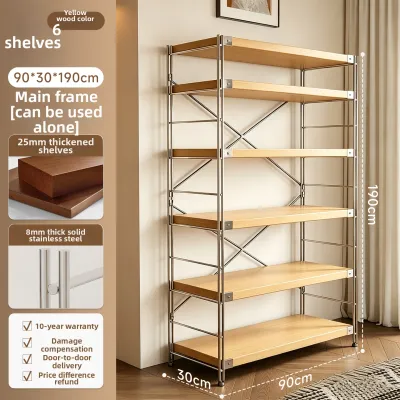
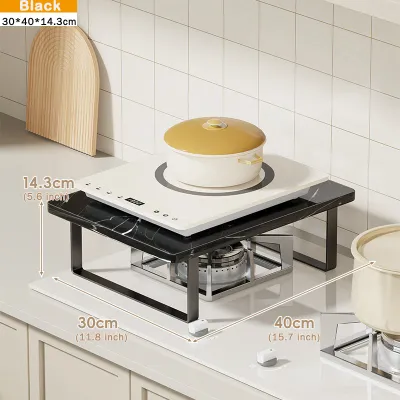
![Hello Kitty 2 Layer Multi-purpose Corner Shelf [Japan Home]](https://img.lazcdn.com/g/p/15b63436aa2982edfaee02fde69157b5.jpg_400x400q80.jpg_.webp)
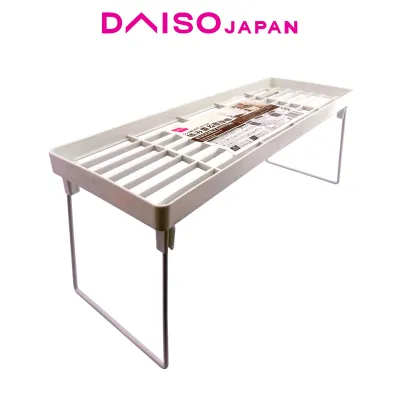
Prices are valid at publication and may change. Please refer to the product page for the latest price.
Vertical space is equally critical, especially if you are considering tall bookcases or modular stacking units. Measure your ceiling height, taking note of any dropped ceilings, beams, or light fixtures that might obstruct a tall unit. Additionally, inspect the lower portion of your walls for architectural features like baseboards, which can prevent a shelf from sitting completely flush against the wall. If your room has low-hanging window sills, wall-mounted air conditioning units, or light switches, map these out on a rough sketch to avoid blocking them.
Do not overlook the location of your electrical outlets. A shelf placed directly in front of a power outlet can restrict access to chargers, desk lamps, and computer cables, forcing you to pull the furniture forward and waste valuable floor space. If you must place the shelf over an outlet, look for designs with open backs or dedicated cable management cutouts.
Finally, plan the delivery route from the entrance of your home to the study room. Measure the width of your front door, interior doorways, stairwells, and elevator cabins. Many modular or flat-pack Japanese shelves are delivered in long, heavy boxes that require wide turning angles. Verifying these clearances beforehand prevents the frustration of receiving a package that cannot physically navigate the corridors of your condominium or home.
Japanese Shelf Styles Suited for Compact Spaces
Japanese furniture design emphasizes simplicity and adaptability, resulting in several distinct shelf configurations that excel in small rooms. Low-profile and modular stacking units are highly favored for their low visual weight. Because they sit closer to the ground, they keep the upper half of the room open, making a small study feel larger and brighter. These modular systems allow you to start with a single tier and gradually stack or expand them horizontally as your collection grows, adapting seamlessly to your changing storage needs.

Wall-mounted and floating shelves offer another excellent way to preserve precious floor space. By lifting your storage off the ground, you leave room underneath for a wastebasket, a small filing cabinet, or simply open floor space that contributes to a minimalist feel. However, installing floating shelves requires careful verification of your wall structure. In many Philippine homes, interior walls are made of concrete, hollow blocks, or drywall. Concrete walls require a masonry drill bit and heavy-duty wall plugs, while drywall requires locating studs or using specialized toggle bolts to prevent the shelf from pulling away under the weight of heavy books.
Open-back and ladder-style designs are also popular for their breezy, transparent appearance. An open-back shelf allows the wall color to show through, preventing the furniture from looking like a solid, imposing block in a tight corner. Ladder shelves, which taper as they rise, offer deep storage at the bottom and shallower shelves at the top. While visually appealing, freestanding angled units require a stable floor surface and must be checked for stability, as their center of gravity differs from traditional rectangular bookcases.
Key Sizing and Capacity Checks Before Buying
To ensure your new shelf is fully functional, you must cross-reference its internal dimensions with the items you plan to store. Measure your largest textbooks, binders, or storage boxes and compare them against the manufacturer’s specified shelf depth and tier height. Standard novels fit easily on shallow shelves, but academic binders, reference manuals, and storage baskets often require a depth of at least 30 centimeters. Choosing a shelf that is too shallow will result in items protruding into your walking path.
Weight capacity is a critical safety and durability factor that must be verified directly from the product manual or specification sheet. Do not assume a shelf can support heavy loads simply because of its visual style. Look for the manufacturer’s rated load limit per tier, which is typically expressed in kilograms. Heavy reference books, printers, and paper stacks should always be distributed across shelves that are explicitly rated for those weights, with the heaviest items placed on the lowest levels.
In the tropical climate of the Philippines, material care and surface treatments require close attention. High humidity can cause untreated wood or low-grade fiberboards to absorb moisture, leading to warping, sagging, or mold growth over time. Rather than relying on generic material names like “wood” or “engineered wood,” check the product specifications for protective finishes, such as polyurethane coatings, melamine laminates, or water-resistant sealants. These treatments make the surfaces easier to wipe clean and help protect the unit from moisture damage.
Lastly, prioritize safety by checking if the shelf includes an anti-tip kit. Tall, narrow furniture poses a tipping hazard, especially on uneven floors or during seismic activity. Review the manufacturer’s anchoring requirements to ensure you have the correct hardware and tools to secure the unit firmly to your specific wall type.
Common Sizing and Placement Mistakes to Avoid
One of the most frequent errors in small-room planning is ignoring “dead space.” This refers to the clearance needed for functional tasks, such as opening adjacent cabinet doors, sliding out desk drawers, or accessing window latches. Always simulate these movements in your room before finalizing the shelf’s position to ensure it does not obstruct daily activities.
Another common mistake is overestimating a shelf’s weight capacity based on its material category. For instance, assuming a solid bamboo or pine shelf is automatically stronger than a well-engineered composite unit can lead to structural failure. Always rely on the exact weight limits provided by the manufacturer rather than visual assumptions or general material reputations.
Finally, avoid placing shelves where they block natural light sources or restrict airflow. Positioning a tall bookcase directly next to a window can cast dark shadows across your desk, forcing you to rely more on artificial lighting. Similarly, placing a shelf too close to your computer tower, router, or air conditioning vents can trap heat and restrict ventilation, potentially shortening the lifespan of your electronic devices. Keep a clear gap of several centimeters around electronics to maintain healthy airflow.
Frequently Asked Questions (FAQ)
How do I prevent a tall, narrow shelf from tipping in a small room?
To prevent a tall, narrow shelf from tipping, always consult the product manual for specific wall anchoring instructions and use the included anti-tip hardware. If your shelf did not come with a kit, purchase a heavy-duty furniture strap or L-bracket compatible with your wall type (such as masonry anchors for concrete walls). Additionally, always place your heaviest books and equipment on the bottom shelves to lower the overall center of gravity, though this should complement, not replace, physical wall anchoring.
Can I mix and match modular Japanese shelf units from different brands?
Mining and matching modular units from different brands is generally not recommended unless you can verify their exact millimeter dimensions and connection mechanisms. Even if two shelves look identical online, minor differences in peg placement, interlocking joints, or wood thickness can prevent them from stacking securely. Always check the manufacturer’s specifications for compatibility, and stick to a single brand or product line if you plan to stack units vertically.

Community discussion
Share your experience or ask a question. Comments are reviewed before publication.