
Why the Right Storage Features Reduce Moving Stress
Relocating to a new home in the Philippines—commonly known as lipat bahay—is a major logistical undertaking. Between packing up fragile kitchenware, securing heavy appliances, and coordinating with transport services, the process can quickly become overwhelming. Once you arrive at your new house, the immediate challenge shifts to unpacking and organizing a mountain of cardboard boxes.
During this chaotic transition, having reliable storage units ready to deploy makes a significant difference. A sturdy metal rack organizer is often the most practical solution for sorting items quickly, keeping essentials off the floor, and establishing order in your new kitchen, garage, or utility room. It serves as an immediate staging area for unpacked goods, preventing your living space from turning into a maze of boxes.
However, not all metal racks are built to withstand the physical demands of a house move. Standard shelving units designed for permanent, light-duty indoor use often bend under heavy boxes or suffer damage during transit. The constant process of dismantling, loading onto a moving truck, and reassembling in a new room requires a specific set of structural features.
Products mentioned in this guide
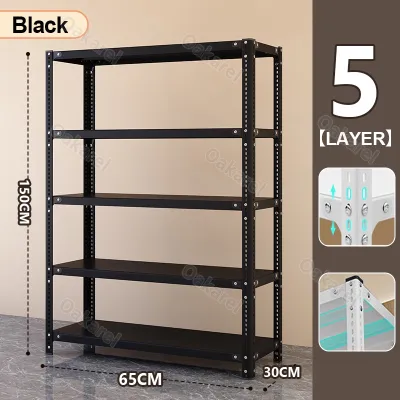
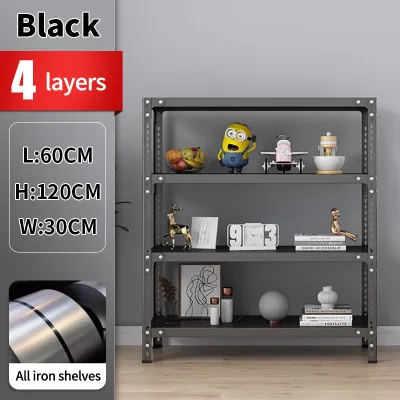
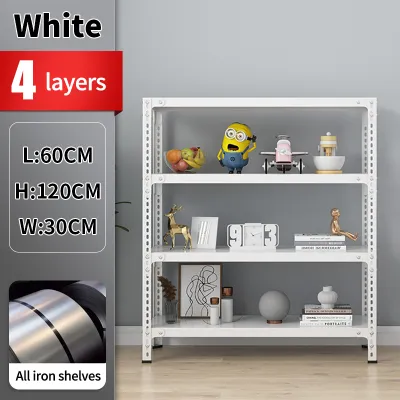
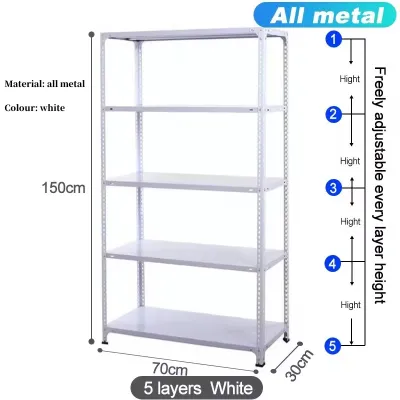

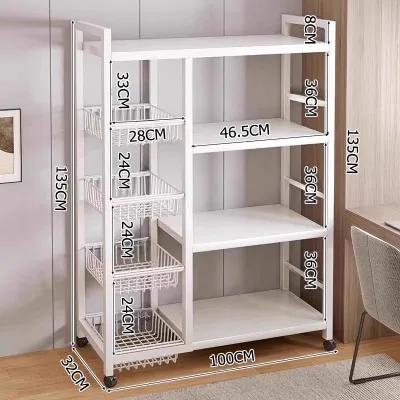
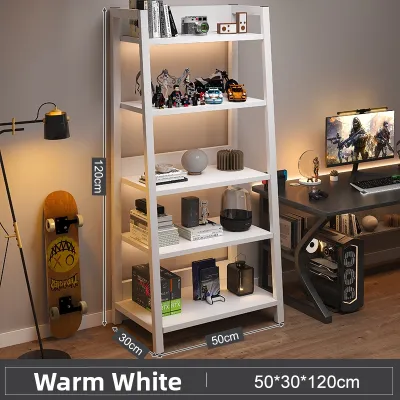
Prices are valid at publication and may change. Please refer to the product page for the latest price.
Choosing the wrong organizer can lead to structural failure, ruined belongings, or hours of frustration spent searching for lost screws and bolts. To make a smart investment, you must look past basic aesthetics and evaluate how well a rack handles transport, heavy loads, and the local climate. This guide will help you identify the critical features that make a metal rack truly moving-friendly and highly durable for long-term use in your new home.
Core Features to Evaluate Before Buying
Selecting a metal rack organizer requires a close look at its technical specifications and physical design. Rather than choosing a unit based solely on its dimensions or price point, you should evaluate several key engineering details. Checking these factors ensures that your storage solution remains stable, functional, and safe throughout the moving process and beyond.

Weight Capacity and Structural Stability
The primary role of a metal rack during a move is to support heavy, dense items that would otherwise clutter your living areas. You must verify the manufacturer’s stated weight capacity per shelf, as well as the total load limit for the entire unit. Relying on visual estimates of a rack’s thickness is a common mistake that can lead to overloaded shelves and structural collapse.
Look for racks that explicitly specify whether their load limits are based on evenly distributed weight. For example, a heavy-duty shelf rated for 150 kilograms can typically hold that weight only if it is spread across the entire surface. Placing a single heavy appliance, like a portable generator or a large microwave, in the center of a shelf can exceed its point-load limit and cause bowing.
Structural stability depends heavily on the design of the support frame. Look for units that feature robust upright posts made of thick, cold-rolled steel rather than thin, bendable sheet metal. The presence of horizontal and diagonal cross-braces or welded gussets at the corners significantly reduces side-to-side swaying. These reinforcements ensure the rack remains rigid when you place or remove heavy plastic storage bins.
If you plan to store exceptionally heavy items, consider the shelf material itself. While wire decking is excellent for ventilation, solid steel shelves or high-density fiberboard inserts supported by steel under-beams provide better resistance against localized sagging. Always check the product manual to ensure the frame’s gauge (thickness) is rated for your intended storage needs.
Surface Finishes for Humid Climates
In the Philippines, high humidity levels and tropical weather pose a constant threat to metal furniture. Simply buying a “metal” rack does not guarantee it will resist corrosion over time. Untreated or poorly painted steel will oxidize rapidly when exposed to moisture, leading to rust that weakens the structure and stains your stored items.
When reviewing product specifications, search for specific protective surface treatments. Powder coating is one of the most reliable finishes for household metal racks. This process applies a dry thermoplastic powder that is cured under heat to form a thick, durable barrier against moisture, scratches, and minor impacts during transport.
Another highly durable option is an epoxy-coated finish, which is particularly effective in high-moisture areas like kitchens, laundries, or covered outdoor garages. For heavy-duty utility areas, galvanized steel offers excellent rust resistance because the zinc coating chemically protects the underlying steel from environmental exposure.
Before purchasing, inspect the rack’s welded joints, corners, and pre-drilled holes, as these are the most common areas where protective coatings can thin out or chip. A single exposed spot of bare metal can allow rust to creep beneath the surrounding finish, eventually compromising the entire shelf. Choosing a high-quality, fully sealed finish ensures your rack survives both the humid climate and the inevitable bumps of a move.
Tool-Free Assembly and Teardown
The logistics of a lipat bahay require furniture that can be packed flat, loaded efficiently, and rebuilt without unnecessary delay. Traditional metal shelving units that rely on dozens of tiny nuts, bolts, and washers can turn a move into a frustrating chore. Losing a single specialized bolt during transit can render an entire rack unusable until you find a replacement.
To avoid these headaches, prioritize boltless, snap-together, or slide-in hook designs. These modern systems allow you to assemble and disassemble the entire frame using only a rubber mallet or even your bare hands. Keyhole slot designs, where the horizontal beams slide and lock directly into slots on the upright posts, are exceptionally secure and easy to manage.
Tool-free assembly significantly reduces the time required to prepare for your move. You can dismantle several large racks in minutes, bundle the uprights and shelves together with stretch wrap, and load them flat into the moving truck. This flat-pack approach saves valuable space in the vehicle and prevents loose metal parts from scratching other furniture.
Additionally, check if the manufacturer offers readily available replacement parts, such as plastic shelf clips, post connectors, or rubber feet. If a small component is damaged or misplaced during the move, being able to order a cheap replacement online ensures your organizer remains fully functional without requiring you to buy a whole new unit.
Adjustability for Unpredictable Spaces
Moving into a new home often comes with spatial surprises. You might find that your new kitchen pantry has a lower ceiling than expected, or your garage has a protruding wall column that restricts where you can place wide shelving. A rigid, non-adjustable rack limits your layout options and can force you to leave valuable storage space unused.
Look for metal organizers that feature fully adjustable shelf heights, typically spaced at one-inch or two-inch increments along the upright posts. This flexibility allows you to customize the vertical clearance of each tier. You can create a tall bottom shelf for bulky items like standing fans or water gallons, while keeping upper shelves closer together for smaller storage boxes.
Modular designs offer even greater adaptability. Some tall, five-tier metal racks are designed to be split into two separate, lower three-tier and two-tier units. This dual-purpose functionality is incredibly helpful if you decide to use the shelves as a workbench in your new garage or as low-profile storage under a staircase.
Before buying, verify how the adjustment mechanism works. Systems that require complete disassembly just to move one shelf can be tedious to adjust. Look for designs where individual shelves can be lifted and repositioned independently, allowing you to adapt the storage setup as your unpacking needs evolve over the first few weeks in your new home.
Space Planning and Clearance Checks for Your New Home
Before purchasing a metal rack organizer, you must perform careful measurements to ensure the unit fits both your new room and the physical path leading to it. Many homeowners make the mistake of measuring only the final wall space, forgetting that a large piece of furniture must first pass through several tight bottlenecks.
Begin by measuring the height, width, and depth of the exact spot where you plan to place the rack. However, do not assume a rack that is 120 centimeters wide will fit perfectly into a 120-centimeter alcove. You must account for baseboard thickness, which can push the bottom of the rack away from the wall, as well as uneven plastering or wall trim that might reduce the actual clearance at higher points.
Next, map out the transit pathway from the delivery truck to the final room. Measure the widths of all doorways, hallway turns, and stairwells. If your new home is in a high-rise condominium, check the height and depth of the elevator door and cabin. While a flat-packed rack is easy to transport, you must ensure you have enough physical space to carry the long upright posts around tight corners.
Consider the surrounding room features that might interfere with your rack’s placement. Check for wall-mounted electrical outlets, light switches, window sills, and air conditioning units. A tall metal rack placed directly in front of an outlet can block access to essential power sources, while a deep shelf might prevent a nearby bedroom door from opening fully.
Finally, assess the levelness of the floor in your new home. Older houses or tiled floors often have slight slopes or uneven grout lines. A tall, heavy metal rack placed on an uneven surface will lean, significantly reducing its stability and increasing the risk of a tip-over. Knowing these floor conditions in advance helps you choose a rack with adjustable leveling feet or plan for proper anchoring.
Post-Move Inspection and Routine Maintenance
Once the moving truck is unloaded and your metal rack is reassembled in its new spot, your job is not quite finished. The physical stress of transit and the process of rebuilding the frame can loosen connections or scratch protective finishes. Performing a quick post-move inspection ensures your storage remains safe and stable.
Begin by checking every connection point. For boltless racks, ensure that all rivets or hooks are seated completely at the bottom of their keyhole slots. If your rack uses bolts, use a wrench to tighten them securely after the rack has been loaded with items for a few days, as the metal frame can settle slightly under weight.
To maintain the rack’s appearance and structural integrity, establish a simple cleaning routine. Wipe the shelves regularly with a dry or slightly damp microfiber cloth to remove dust and prevent moisture from pooling. Avoid using harsh chemical cleaners, abrasive scrubbing pads, or bleach, as these substances can strip away the protective powder coating and expose the steel to rust.
If you notice any deep scratches or chips in the finish that occurred during the move, address them immediately to prevent localized rust. You can apply a small amount of rust-inhibiting touch-up paint or clear lacquer over the exposed metal. This simple step seals the surface and prevents moisture from creeping under the surrounding paint.
Always observe basic safety boundaries when using your metal organizer. If you notice any structural bending, cracked welds, or severe rust at load-bearing joints after reassembly, discontinue using the affected shelves immediately. Do not attempt to straighten bent metal supports or perform DIY structural welding, as this can compromise the load rating. Instead, contact the manufacturer for replacement parts or consult a professional to ensure your storage remains safe for your household.
Frequently Asked Questions (FAQ)
Is it better to assemble the rack before or after moving it into the room?
It is generally much easier to carry the flat-packed parts of the metal rack into your target room and assemble it there. This approach prevents you from having to maneuver a heavy, fully built, and bulky structure through narrow hallways, around tight stairwell corners, or through standard bedroom doors. Carrying individual metal posts and shelves is also much safer and reduces the risk of scratching your newly painted walls.
However, if the room is exceptionally small or already crowded with unpacked boxes, you might not have enough floor space to assemble the unit comfortably. In this scenario, find a nearby open space—such as a hallway or a covered patio—to assemble the frame, but double-check all doorway clearances first to ensure the completed rack can be carried inside without getting stuck.
How can I stabilize a metal rack on slightly uneven flooring?
The safest and most reliable way to stabilize a metal rack on an uneven floor is to use a model that includes built-in, adjustable leveling feet. These threaded feet can be screwed in or out individually to compensate for low spots in your tiles or concrete floor, keeping the main frame perfectly vertical.
If your rack does not have adjustable feet, you can place sturdy, non-slip rubber furniture pads or hard plastic shims directly under the affected legs. Never use soft, compressible, or temporary materials like folded cardboard or scrap wood, as these will compress or slide under a heavy load, causing the rack to tilt dangerously.
Regardless of the flooring, if your metal rack is tall, narrow, or loaded with heavy items on the upper shelves, you should secure it to the wall using an anti-tip anchoring kit. Always consult the manufacturer’s guidelines regarding proper wall-anchoring methods to prevent accidental tipping.

Community discussion
Share your experience or ask a question. Comments are reviewed before publication.