
When preparing for a house move, securing your belongings goes far beyond simply folding cardboard boxes and taping them shut. Traditional cardboard can easily crush under pressure, tear when wet, or fail to protect sensitive items from unauthorized access. A heavy-duty plastic storage box with a lock offers a robust alternative, providing physical protection against impact, dust, and tropical humidity while keeping your valuable items secure. Choosing the right container requires a careful evaluation of locking mechanisms, plastic resin types, structural reinforcements, and volume capacities to ensure your goods arrive at your new home completely intact.
In tropical environments, moving presents unique challenges such as sudden downpours, high humidity, and bumpy roads that can compromise standard packing materials. Lockable plastic bins solve these issues by offering weather resistance, structural rigidity, and security. However, not all plastic boxes are created equal. Some are designed for light closet storage, while others are built to withstand the rigors of transit. Understanding what features to look for will help you make an informed investment that protects your belongings during the move and serves as reliable long-term storage afterward.
Evaluating Lock Types and Security Features
The locking mechanism is your first line of defense against both physical spills and unauthorized access. When comparing options, you will primarily choose between built-in locking systems and external padlock hasps. Built-in locks, such as integrated combination dials or key-operated cylinders, offer a sleek, self-contained solution. However, because these mechanisms are embedded directly into the plastic frame, they can be vulnerable to cracking if the box experiences a sharp impact during transit. If you choose a box with a built-in lock, inspect the surrounding plastic to ensure it is heavily reinforced and thick enough to absorb shocks without fracturing.
Products mentioned in this guide
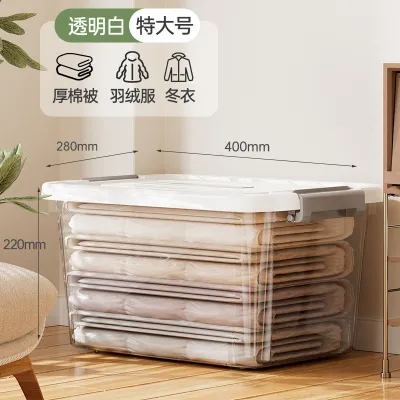
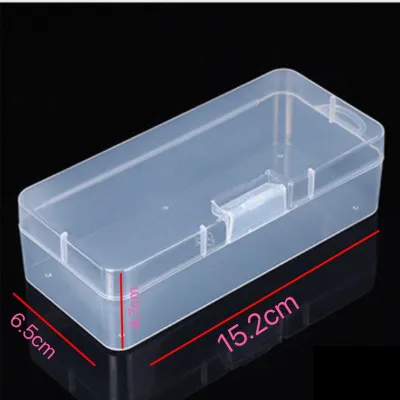
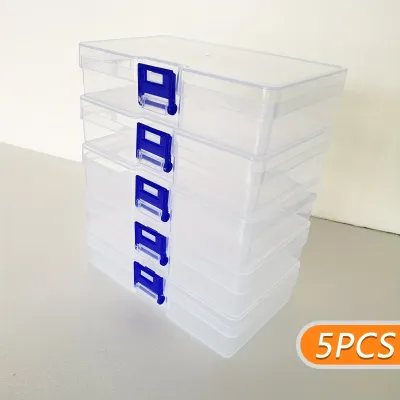
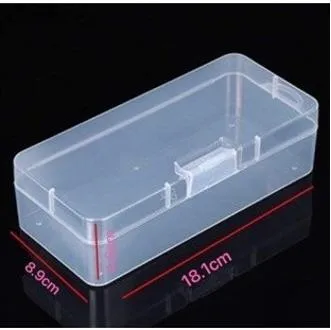
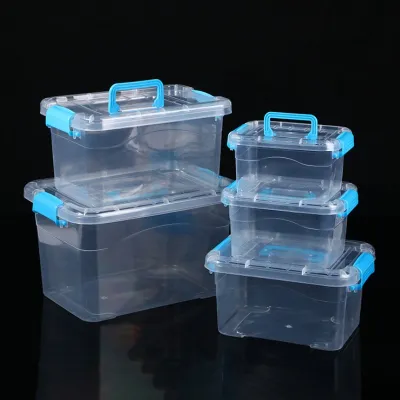
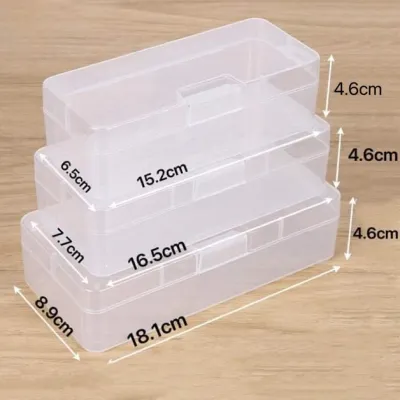
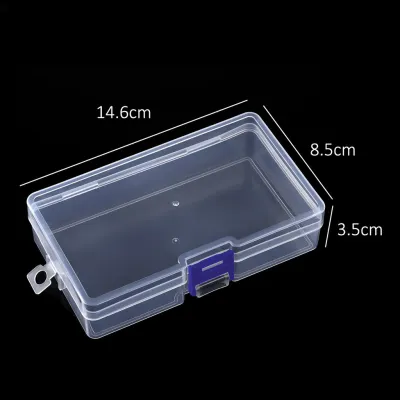
Prices are valid at publication and may change. Please refer to the product page for the latest price.
External padlock hasps, on the other hand, are molded directly into the heavy-duty plastic rim and lid of the box. This design allows you to use independent brass or steel padlocks, which generally offer superior physical security. When evaluating hasps, check that the molded holes are thick and reinforced with extra plastic ribbing. Thin, unreinforced hasp holes can easily tear or be snipped off with basic tools, rendering the lock useless. Additionally, ensure the hasp holes are large enough to accommodate a standard padlock shackle without forcing or bending the plastic.
Beyond the lock itself, the overall latch tension and lid alignment are critical for maintaining security. A lock is only effective if the lid remains tightly sealed against the box body. Inspect the snap-lock latches on the sides of the container; they should require a deliberate, firm physical force to snap shut and open. If the latches flip open with a light touch, the vibrations and bumps of a moving truck can easily dislodge them, placing all the stress on the lock mechanism. The lid must align perfectly with the rim of the box, creating a tight, flush seal that prevents the lid from bowing or popping open under pressure.
For high-value or highly sensitive items, such as personal documents, electronics, or family heirlooms, look for boxes that feature tamper-evident design elements. Some heavy-duty bins include small, dedicated holes near the latches specifically designed for zip ties or numbered security seals. Using these seals allows you to verify at a glance whether a box has been opened or tampered with by third-party moving crews during transit. This simple, low-cost security measure provides peace of mind when your belongings are out of your direct sight.
Assessing Plastic Durability and Structural Integrity
To ensure your storage boxes can withstand the physical demands of stacking and transit, you must look closely at the plastic material and structural design. Do not rely solely on marketing terms like “heavy-duty” or “indestructible.” Instead, flip the box over and locate the resin identification code molded into the base. The most reliable plastics for moving bins are Polypropylene (PP, code 5) and High-Density Polyethylene (HDPE, code 2). Polypropylene offers excellent rigidity and chemical resistance, making it highly stable when stacked. High-Density Polyethylene is slightly more flexible, which provides superior impact resistance against drops, sudden jolts, and rough handling on uneven roads. Avoid brittle, unmarked plastics, as they are highly prone to cracking under load.

While the resin type provides a foundation for durability, the physical design of the box determines its actual structural integrity. Inspect the walls and corners of the container for molded reinforcements. High-quality moving bins feature ribbed walls—vertical or horizontal molded ridges—that distribute weight evenly and prevent the sides from bowing outward when packed. The corners should be visibly thickened to absorb impacts from drops or collisions with door frames. Additionally, pay close attention to the handles. Molded-in, ergonomic handles that are part of the main box structure are far more durable than clip-on plastic handles, which can easily snap off when lifting heavy loads.
Another critical factor to verify is the manufacturer’s specified weight capacity and stacking limits. Even the toughest plastic has its limits when subjected to static loads over time. Check the product specifications to see how much weight the box can safely hold internally, as well as how much weight the lid can support from boxes stacked on top of it. If a manufacturer does not provide these weight limits, it is best to treat the box as a light-duty container. Exceeding these limits during a move can cause the bottom boxes in a stack to collapse, crushing your belongings and potentially causing the entire stack to tip over in the moving vehicle.
Sizing and Capacity Planning for Moving
Selecting the right box sizes is a balancing act between maximizing storage volume and ensuring the boxes remain manageable to lift and transport. It is highly recommended to match the volume of the box to the specific category of items you plan to pack. Large bins, typically ranging from 80 to 120 liters, are ideal for lightweight, bulky items such as blankets, pillows, winter clothing, and plush toys. Medium bins, between 40 and 60 liters, serve as the versatile workhorses of your move, perfect for kitchenware, toys, shoes, and general household goods. Small bins, ranging from 20 to 30 liters, are essential for dense, heavy items like books, files, tools, and small electronics.
Before purchasing a large quantity of boxes, you must verify their external dimensions against the physical constraints of your moving route. Measure the width of your home’s doorways, narrow hallways, tight stairwell corners, and elevator doors to ensure the boxes can pass through easily without scraping walls or trapping fingers. Furthermore, consider the cargo space of your moving vehicle. Whether you are using a personal SUV, a utility van, or a commercial moving truck, knowing the exact external dimensions of your boxes allows you to plan a precise stacking layout, maximizing space efficiency and preventing shifting during transit.
Balancing volume capacity with safe lifting weight limits is also crucial for preventing personal injury and equipment failure. A large 100-liter box filled entirely with books or heavy kitchenware will be nearly impossible to lift safely and will place immense stress on the plastic handles, potentially causing them to snap. As a general rule, aim to keep the total weight of any packed box under 20 to 25 kilograms. If a box becomes too heavy, distribute the weight by mixing heavy items at the bottom with lighter items on top, or transition to a smaller box size altogether.
Building Your Shortlist: Key Specifications to Compare
When compiling a shortlist of lockable plastic storage boxes on online marketplaces or at local home improvement stores, creating a structured comparison will help you get the best value. Prioritize products that feature clear, verifiable specifications rather than vague descriptions. Look for listings that explicitly state the maximum load capacity, stacking limits, and dimensions. If you are purchasing in bulk, check if the manufacturer offers a structural warranty or a satisfaction guarantee, which is often a strong indicator of a product’s long-term durability and quality.
In tropical climates where high humidity and sudden rainstorms are common, protecting your belongings from moisture damage is a top priority. When comparing boxes, look for models that feature a weather-resistant or water-resistant seal. These boxes typically have a rubber or silicone gasket lining the inside of the lid. When the latches are engaged, the gasket compresses to create an airtight and watertight barrier. This feature is invaluable for protecting sensitive electronics, paper documents, and clothing from dampness, mold, dust, and pests during transit or while stored in a garage or warehouse.
Finally, evaluate the price-to-durability ratio of the boxes on your shortlist. Prices in the local market can vary widely, typically ranging from ₱400 for a basic medium-sized lockable bin to over ₱2,500 for a heavy-duty, gasket-sealed professional utility box. While it may be tempting to opt for the cheapest option, investing in thicker plastic and robust locking mechanisms can save you money in the long run by preventing damage to your valuable belongings. Read verified user reviews on e-commerce platforms, paying close attention to feedback regarding how well the boxes held up during actual moves, whether the latches remained secure, and if any cracking occurred under load.
Packing and Loading Best Practices for Lockable Bins
To maximize the effectiveness of your lockable plastic storage boxes, you must follow proper packing and loading techniques. Always distribute the weight within each box evenly, placing the heaviest items at the very bottom to establish a low center of gravity. This prevents the box from shifting or tipping over when the moving vehicle turns or brakes suddenly. Wrap fragile items individually in bubble wrap or packing paper, and fill any empty spaces with crumpled paper or towels to prevent items from sliding around and colliding with each other during transit.
Avoid the temptation to overfill your storage boxes. The contents of the box should never extend past the inner rim. If you have to apply physical downward pressure on the lid to force it closed and engage the locks, you are placing constant outward stress on the plastic hinges, latches, and the lock itself. This continuous tension, combined with the vibrations and bumps of the road, can cause the plastic to fatigue and snap mid-journey. Ensure the lid rests completely flat and flush against the box rim before engaging any locking mechanisms.
Once your box is fully packed and the contents have settled, secure the latches and engage the locks immediately. If you are using external padlocks or zip ties, secure them right at the packing station before moving the box to the loading area. This prevents accidental spills if a box is dropped or tipped over while being carried down stairs or loaded onto a truck. When loading the moving vehicle, place the heaviest and sturdiest plastic boxes at the bottom of the stack, and ensure they are placed on a flat, level surface to maintain stability throughout the journey.
Frequently Asked Questions (FAQ)
Can I use a padlock on any plastic storage box?
No, you cannot safely use a padlock on just any plastic storage box. To use an external padlock, the box must feature specially designed, reinforced hasp holes molded into both the lid and the body. Attempting to force a padlock shackle through unapproved holes or drilling your own holes in standard, thin-walled plastic bins will create severe stress points. This often leads to the plastic cracking or shattering under the pressure of the lock during transit, leaving your belongings unsecured.
How do I prevent the lock from breaking during transit?
To prevent the locking mechanism from breaking during a move, avoid overstuffing the box, as internal pressure puts immense strain on the latches and locks. Always stack your boxes flat and upright, ensuring that heavy items in the moving vehicle are not stacked directly on top of the lock area itself. Additionally, secure the boxes within the vehicle using tie-down straps to prevent them from sliding or colliding with other heavy cargo, which can deliver sharp impacts directly to the locking mechanisms.

Community discussion
Share your experience or ask a question. Comments are reviewed before publication.