
Selecting a closet wardrobe cabinet plastic for a home in the Philippines requires looking beyond simple aesthetics and storage capacity. In a tropical climate characterized by high relative humidity, frequent rainfall, and intense heat, the primary challenges are preventing mold growth, avoiding structural warping, and protecting stored garments from musty odors. The ideal plastic wardrobe must feature active or passive ventilation systems, elevated base designs to block rising floor moisture, reinforced shelving panels that resist sagging under humid conditions, and rust-resistant hardware. By focusing on these specific material and design characteristics, you can secure a durable storage solution that keeps your clothes fresh and dry throughout the wet and dry seasons.
How Tropical Humidity Affects Plastic Storage
The climate in the Philippines presents unique challenges for indoor storage furniture. High ambient humidity means the air carries a significant amount of water vapor, which easily becomes trapped inside tightly sealed, non-porous environments. Unlike wood, which absorbs and releases moisture to some extent, plastic is completely non-breathable. When warm, humid air enters a fully enclosed plastic cabinet and the external temperature drops—such as when running an air conditioner or during a sudden afternoon downpour—condensation forms on the interior walls. This trapped moisture creates an ideal microclimate for mold and mildew to thrive on fabrics, leather goods, and the plastic surfaces themselves.
Furthermore, mold spores are naturally present in the air and require only moisture and an organic food source, such as dust, skin cells, or natural fibers on clothing, to colonize. Once mold establishes itself inside a dark, unventilated wardrobe, it spreads rapidly, leaving stubborn stains and a persistent musty smell that is difficult to eliminate.
Products mentioned in this guide
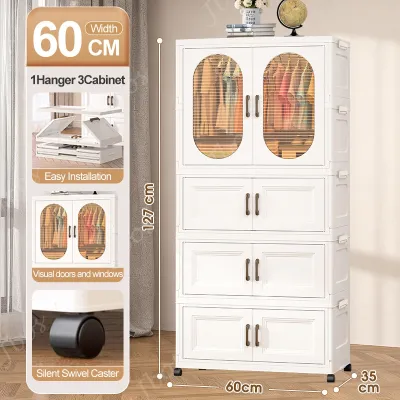
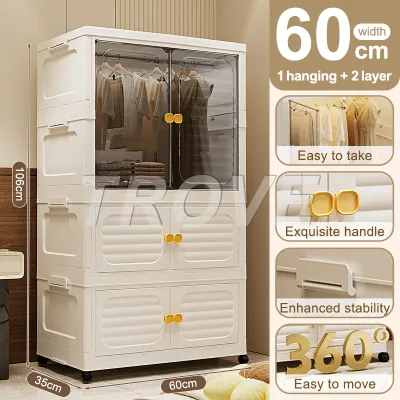
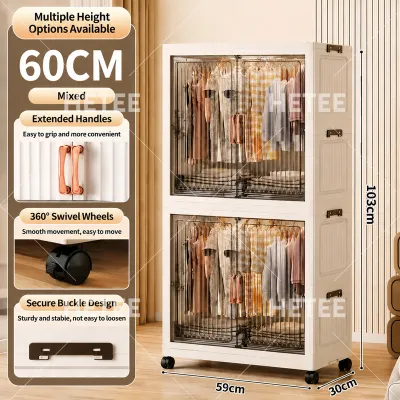
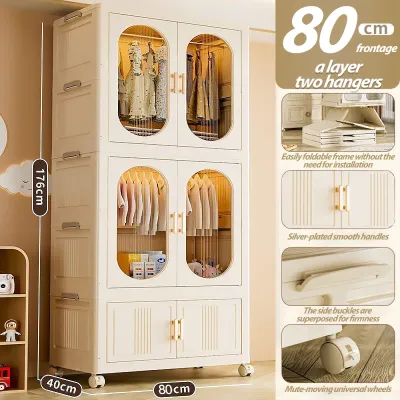
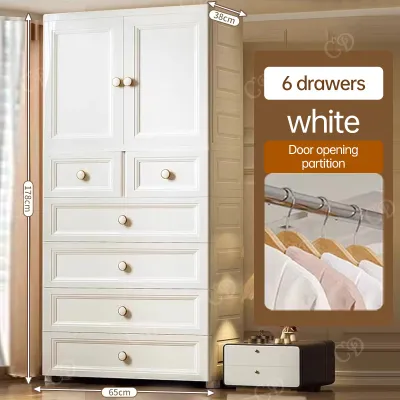
Prices are valid at publication and may change. Please refer to the product page for the latest price.
The physical structure of the wardrobe also faces stress under these conditions. While plastic itself does not rot or rust, high temperatures can make certain polymers slightly more flexible. When shelves are loaded with heavy, moisture-laden linens, thick denim, or stacked winter wear, this increased flexibility can lead to permanent sagging or bowing. Over time, warped shelves compromise the alignment of the doors, preventing them from closing properly and allowing even more humid air to seep inside.
Key Design Features for Moisture and Mold Control
To combat the effects of a humid climate, the design of your plastic wardrobe must actively facilitate airflow and manage moisture entry. The most critical feature to look for is passive ventilation. Wardrobes equipped with built-in ventilation slots, louvered door designs, or breathable mesh-like back panels allow continuous air exchange. This airflow helps equalize the internal and external temperature and humidity levels, preventing the stagnant conditions that encourage condensation and mold growth. When browsing online marketplaces or local furniture showrooms, prioritize models that incorporate these ventilation paths without leaving large gaps that could invite pests.

Another essential design element is an elevated base or raised legs. Floors in Philippine homes, particularly those made of concrete, tiles, or ground-level slabs, can transfer moisture upward, especially during the rainy season when ground moisture levels rise. A wardrobe that sits flush against the floor can trap dampness underneath, leading to mold accumulation on both the floor and the bottom panel of the cabinet. Choosing a unit with raised legs keeps the main body of the wardrobe several centimeters off the ground, allowing air to circulate underneath and making it easier to clean and dry the floor surface.
While ventilation is crucial, you also need to control when and how ambient humidity enters the cabinet during exceptionally damp days. High-quality plastic wardrobes often feature magnetic door closures, overlapping door edges, or soft rubberized seals along the frame. These features help keep the doors firmly shut when not in use, creating a reliable barrier against sudden drafts of humid air or dust. A secure closure system ensures that when you place moisture-absorbing packets inside the wardrobe, they work efficiently to dry the internal air rather than constantly trying to dehumidify the entire room.
Structural and Material Checks for Long-Term Durability
Evaluating the physical construction of a plastic wardrobe is vital to ensure it can handle daily use without warping or collapsing. Start by inspecting the thickness and rigidity of the plastic panels. High-density polyethylene (HDPE) or heavy-duty polypropylene (PP) are excellent choices for tropical climates because they offer high impact resistance and structural integrity. Look closely at the underside of the shelves; quality models feature molded reinforcement ribs or honeycomb patterns. These structural supports distribute weight evenly across the shelf, significantly reducing the risk of sagging even when storing heavy items like folded bedsheets or thick towels.
The hardware and moving parts of the wardrobe require equal scrutiny. While the main body is plastic, many wardrobes utilize metal screws, hinges, drawer slides, or hanging rods. In a humid environment, standard steel hardware can rust quickly, leading to stiff doors, squeaking joints, and orange stains on your clothing. Ensure that any metal components are made of stainless steel or feature a robust rust-resistant coating, such as powder coating or zinc plating. If the wardrobe uses plastic hinges or snap-fit joints, verify that they are thick and securely molded to prevent them from snapping under tension.
Stability is another critical factor, particularly for tall, lightweight plastic cabinets. Because plastic is lighter than wood or metal, an unevenly loaded wardrobe can easily become top-heavy and tip over, especially on uneven tiled floors or during minor seismic activity. Check if the manufacturer includes an anti-tip kit or wall-anchoring brackets. These safety features allow you to secure the wardrobe directly to the wall, providing essential stability and peace of mind, particularly in households with active children or pets.
Space Planning, Delivery, and Assembly Checks
Before finalizing your purchase, careful space planning is necessary to ensure the wardrobe functions well within your room’s layout. Measure the designated area accurately, keeping in mind that a plastic wardrobe should not be pushed completely flush against a wall. Leaving a clearance space of at least five to ten centimeters between the back of the cabinet and the wall is crucial for promoting air circulation and preventing moisture from getting trapped in the gap. Ensure there is also sufficient clearance on the sides and above the unit to allow easy access and cleaning.
Consider the logistics of delivery and assembly, especially if you live in a multi-story apartment building or a condominium. While many plastic wardrobes are delivered as flat-packs, some heavy-duty or semi-assembled models can be bulky. Verify the dimensions of your building’s stairwells, elevators, and doorways to ensure the packages or pre-assembled sections can pass through without damage. Flat-pack units are generally easier to transport, but they require careful assembly to ensure structural integrity.
When assembling the wardrobe, pay close attention to the leveling of the floor. Uneven floors can cause the plastic frame to twist slightly, which misaligns the doors and prevents them from sealing or latching correctly. Use a spirit level during assembly, and if your floor is uneven, look for wardrobes with adjustable leveling feet. Follow the manufacturer’s instructions step-by-step, ensuring all snap-fit joints are fully engaged and screws are tightened securely without stripping the plastic threads.
Placement and Maintenance for Humid Environments
Where you place your plastic wardrobe plays a significant role in how well it protects your clothes. Avoid positioning the cabinet directly in front of or beneath an air conditioning unit. The cold air draft can cool the plastic panels rapidly, and when the AC is turned off, the sudden rise in room temperature will cause immediate condensation on the cold plastic surfaces. Similarly, avoid placing the wardrobe against exterior-facing walls that receive direct sunlight during the day, as the temperature differential between the hot wall and the cooler indoor air can create a damp microclimate behind the cabinet.
Establishing a routine maintenance schedule will prolong the life of both your wardrobe and your garments. Every few months, take the time to empty the wardrobe completely. Wipe down all interior and exterior surfaces with a soft cloth dampened with mild soapy water. Allow the cabinet to air dry completely with the doors wide open before restocking your clothes. Never place damp or freshly washed clothing inside the wardrobe; ensure all items are thoroughly dry, preferably line-dried in the sun or fully tumbled in a dryer, to avoid introducing unnecessary moisture into the enclosed space.
To maintain a dry interior environment, utilize safe moisture-absorbing products. Hanging dehumidifier bags, silica gel packets, or reusable desiccant canisters are highly effective at pulling excess moisture from the air inside the cabinet. Avoid using open containers of liquid chemical absorbers that could spill and damage the plastic or stain your clothes. Monitor these absorbers regularly and replace or regenerate them as soon as they reach capacity to ensure continuous protection against mold and musty odors.
Frequently Asked Questions (FAQ)
Can I use a plastic wardrobe in a bathroom or laundry area?
While plastic wardrobes are naturally water-resistant and will not rot like wood, placing them in high-moisture zones like bathrooms or laundry areas requires caution. Standard plastic wardrobes are designed for ambient bedroom humidity and may not be fully sealed against direct water splashes or heavy steam. If you plan to use a plastic cabinet in these areas, ensure it is placed away from direct water sources and check the manufacturer’s specifications for water-resistance ratings. Proper ventilation in the room is still essential to prevent moisture from settling inside the cabinet doors.
How do I safely remove existing mold from a plastic cabinet?
If you discover mold inside your plastic wardrobe, empty all contents immediately and wash any affected clothing. To clean the plastic surfaces, use a mixture of mild dish soap and warm water, or a solution of equal parts white vinegar and water, which naturally helps kill mold spores. Wipe the surfaces gently with a soft sponge or microfiber cloth, avoiding harsh abrasive scrubbers, undiluted bleach, or strong chemical solvents that can degrade, discolor, or scratch the plastic. Once clean, wipe the entire cabinet dry with a clean towel and leave the doors open in a well-ventilated room until it is completely dry before returning your items.

Community discussion
Share your experience or ask a question. Comments are reviewed before publication.