
Storing handbags in the Philippines presents unique challenges that go beyond simple organization. The country’s high relative humidity throughout the year can quickly damage delicate materials, causing genuine leather to develop mold and synthetic leather to peel or crack if items are crammed into dark, unventilated closet corners. When bags are piled on top of one another, they lose their shape and become difficult to access, often leading to forgotten items deteriorating at the bottom of a wardrobe.
A rotating bag organizer offers a practical, space-efficient solution by elevating your bags, keeping them neatly separated, and allowing easy access with a simple spin. By utilizing vertical space, these organizers help preserve the structural shape of your handbags while ensuring they remain visible and well-ventilated. Selecting the right unit requires careful consideration of your closet’s physical dimensions, the weight of your collection, and the structural integrity of your storage setup.
Measuring Your Closet Space and Clearance for Rotation
To ensure a rotating organizer functions smoothly without damaging your walls or your bags, you must measure your closet space with precision before making a purchase. Start by calculating the rotational clearance, which is the total circular path the organizer takes when spinning. To find this, measure the maximum diameter of the unit when fully loaded with bags, as protruding straps, wide totes, or structured handles will extend past the physical frame of the organizer. You will need a clear radius from the center pole that exceeds this measurement by at least five to ten centimeters to prevent your bags from scraping against closet walls, doors, or adjacent hanging clothes.
Products mentioned in this guide
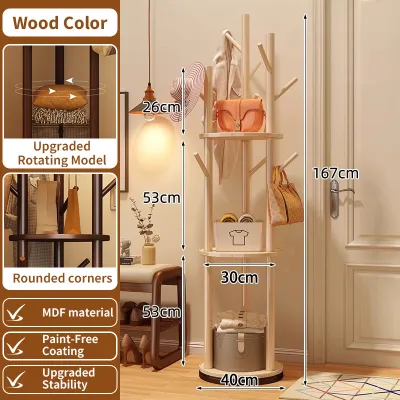
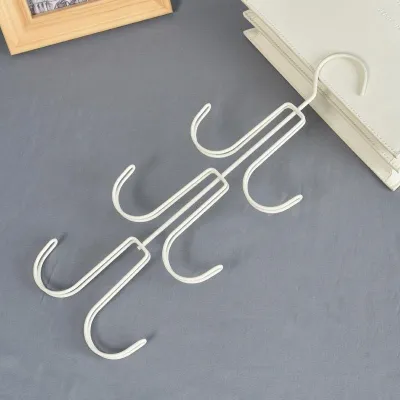
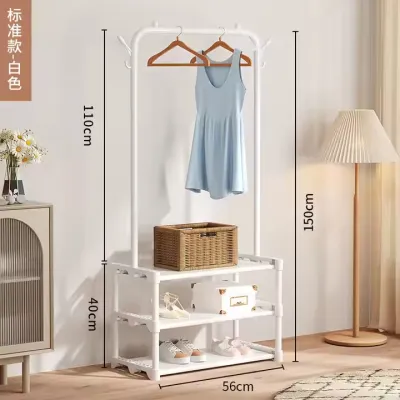
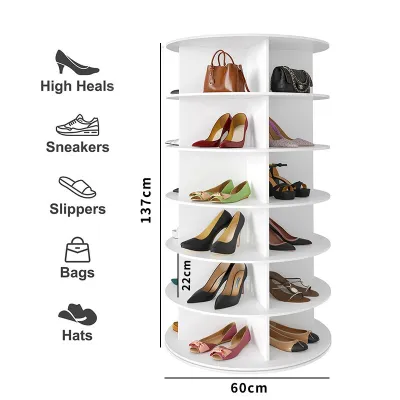
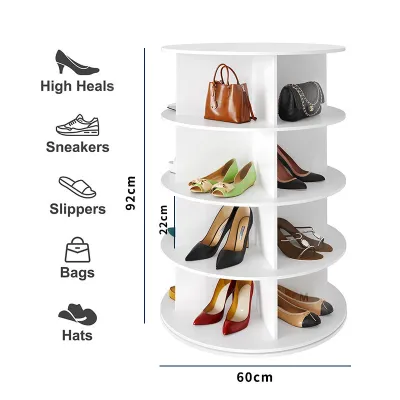
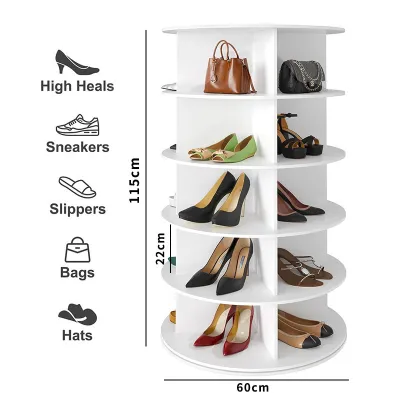
Prices are valid at publication and may change. Please refer to the product page for the latest price.
Vertical clearance is equally critical to prevent the unit from becoming cramped or unusable. Measure the height from the closet floor or the top of your storage shelf to the lowest hanging rod or ceiling. If you are placing a freestanding carousel tower inside a wardrobe, ensure there is enough overhead space to comfortably lift bags off the top hooks or tiers without hitting the ceiling of the closet. For hanging models, measure the distance from the closet rod to the floor to ensure your longest bags do not drag on the bottom of the wardrobe.
Do not forget to inspect the door swing paths and sliding track configurations of your wardrobe. Many modern apartments and condominiums in the Philippines utilize sliding wardrobe doors to save floor space. These sliding tracks often reduce the usable depth of the closet interior, which can obstruct a rotating organizer even if the overall interior dimensions seem sufficient. Check for any adjacent shelf overhangs, drawer handles, or light fixtures that might interfere with the rotation arc of your bags.
In addition to physical clearance, consider the space required for your hands to reach into the closet and spin the organizer. If the unit is packed too tightly against other hanging garments, you may find yourself struggling to access your bags, defeating the purpose of a rotating system. Leaving a small buffer zone on either side of the organizer ensures a much more comfortable daily experience.
Finally, evaluate the levelness of your closet floor or shelf. Uneven tiled floors, warped wooden shelves, or sagging laminate boards can cause a tall rotating tower to lean. This leaning puts uneven stress on the rotation mechanism, leading to premature wear on the bearings and increasing the risk of the unit tipping over. Use a spirit level to verify the surface, and check the load-bearing capacity of your closet rod or shelf to ensure it can support both the weight of the organizer and your entire bag collection.
Evaluating Rotation Mechanisms and Tier Adjustability
The heart of any rotating organizer is its spinning mechanism, which must operate smoothly under a full load of heavy bags. There are two primary configurations available: base-bearing systems and top-mount rotation systems. Base-bearing systems, commonly found in freestanding carousel towers, rely on a circular lazy-Susan style track with ball bearings at the bottom. This design distributes the weight downward, providing excellent stability for heavier bag collections, provided the bearings are kept clean and free of dust. When choosing a base-bearing model, look for steel ball bearings rather than plastic ones, as steel offers smoother rotation and greater durability under heavy loads.

Top-mount rotation systems, such as hanging swivel hooks or rod-mounted racks, suspend the weight of your bags from above. While these are highly space-efficient and easy to install in existing closets, they require a sturdy closet rod and can become difficult to spin if overloaded. When evaluating these systems, look for heavy-duty metal swivels rather than thin plastic hooks, which can bend, warp, or snap under the weight of structured leather bags.
Before finalizing your choice, check the compatibility of the top-mount hook with your existing closet rod. Some rotating hangers feature narrow hooks that may not fit over thicker wooden or custom-built wardrobe rods. Verifying the hook opening width against your rod’s diameter prevents installation issues and ensures the unit can slide smoothly along the rod when you need to rearrange your closet.
Tier spacing and hook adjustability are vital for accommodating different bag shapes and sizes. Handbags in the Philippines range from compact sling bags and clutches to large canvas beach totes and structured office bags. A fixed-tier organizer may not offer enough vertical clearance for tall totes, leading to folded straps or crushed bag bodies. Look for models that feature adjustable hooks or customizable tier heights, allowing you to configure the spacing based on your specific collection.
Always review the manufacturer’s stated weight capacity for both individual tiers and the entire unit. A high-quality organizer will specify these limits clearly in its product documentation. Avoid assuming that a metal frame automatically translates to high weight capacity; check the joint connections and the thickness of the support brackets to verify these claims before loading your heaviest leather pieces.
Checking Structural Stability and Weight Capacity
Structural stability is paramount when storing valuable bags, as a sudden collapse or tip-over can damage both your accessories and your closet interior. Begin your physical inspection by examining the joint connections. High-quality units typically feature threaded metal joints or secure locking pins rather than simple friction-fit plastic connectors. The width of the base relative to the center pole is another key indicator of stability; a wider, heavier base lowers the center of gravity, making the unit far less likely to wobble when spun.
For tall freestanding units, verify if the manufacturer provides anti-tip features, base weighting options, or floor anchoring hardware. In regions prone to seismic activity, such as the Philippines, securing tall furniture is a necessary safety measure. If the unit does not include built-in anchoring, consider placing heavier items on the lowest tiers to naturally stabilize the base, or position the tower firmly in a corner where adjacent walls offer physical support.
In high-humidity environments, the material finish of the organizer plays a critical role in its long-term stability. Untreated metal components can quickly develop rust, which degrades the structural integrity of the joints and stains your bags. Look for organizers with rust-resistant coatings, such as powder-coated steel, chrome plating, or high-grade stainless steel, to ensure the unit remains sturdy and clean over years of use.
The surface treatment of the hooks and tiers is another critical detail that affects the longevity of your bags. Rough metal edges, exposed screws, or cheap plastic finishes can scratch delicate leather, snag fabric linings, or cause synthetic leather to peel over time. Look for organizers with smooth, rounded hooks, rubberized protective tips, or fabric-lined shelves. If you are storing bags with delicate chain straps, ensure the hooks are wide enough to distribute the weight evenly without crimping the strap links.
Matching Organizer Types to Your Compact Layout
Selecting the right style of rotating organizer depends heavily on your room layout and wardrobe configuration. Freestanding carousel towers are excellent for spacious walk-in closets, bedroom corners, or open-floor storage. These multi-tiered towers can hold a large volume of bags and are highly accessible, but they require dedicated floor space. If you choose a freestanding model, ensure you have a clear, flat area where the unit can spin without obstructing foot traffic or bedroom doors.
Closet-rod mounted rotating racks are designed to integrate seamlessly into existing wardrobe systems. These units hang directly from your closet rod, utilizing the vertical space beneath your hanging clothes. They are ideal for compact wardrobes where floor space is non-existent. However, because they hang from the rod, they transfer all the weight of your bags to your closet’s hanging hardware. Verify that your closet rod is securely anchored to the wall studs or cabinet panels before hanging a fully loaded organizer.
For ultra-compact rooms or studio apartments with extremely limited closet space, over-door or wall-mounted spinning units offer a clever alternative. These organizers utilize vertical wall space or the back of a bedroom door, keeping your bags organized and off the floor. While they may have a lower weight capacity and a more restricted rotation path than freestanding towers, they are highly effective for storing lightweight sling bags, canvas totes, and daily accessories without sacrificing valuable closet real estate.
Your living situation should also influence your choice of organizer type. If you are renting a condo or apartment in Metro Manila, a freestanding tower or a closet-rod mounted rack is highly practical because they require no permanent installation or drilling. For homeowners looking for a long-term storage solution, a wall-mounted rotating rack offers excellent stability and can be permanently anchored to the wall studs for maximum safety.
Safe Assembly, Weight Distribution, and Maintenance
Proper assembly and ongoing maintenance are essential to ensure your rotating bag organizer remains safe and functional for years to come. When assembling the unit, strictly follow the manufacturer’s recommended sequence. Avoid using power tools to tighten screws on plastic or thin metal components, as over-tightening can strip the threads or crack the structural joints. Hand-tighten all hardware firmly, and double-check that the center pole is perfectly vertical before loading any bags.
During assembly, pay close attention to the alignment of the center pole. A pole that is even slightly tilted will cause the organizer to spin unevenly, putting excessive wear on one side of the bearing track. If your model includes adjustable leveling feet, use them to compensate for any minor floor irregularities until the center pole is perfectly plumb.
Weight distribution is the most critical factor in preventing wobbling, leaning, or track jamming. Always place your heaviest bags on the lowest tiers or closest to the center pole to maintain a low center of gravity. When loading or unloading bags, distribute the weight evenly across all sides of the organizer. If you place all your heavy leather bags on one side and leave the other side empty, the uneven load will strain the rotation bearings, causing the unit to tilt and potentially jam the spinning mechanism.
In the humid tropical climate of the Philippines, routine maintenance is necessary to prevent rust and mold. Periodically wipe down the organizer’s frame and shelves with a dry microfiber cloth to remove dust and moisture. If your unit features a metal ball-bearing track, check it regularly for accumulated dust, hair, or debris that can impede smooth rotation. Apply a small amount of silicone lubricant to the bearings if the rotation becomes stiff or noisy, following the manufacturer’s care instructions. Finally, perform a quick monthly check of all screws and joint connections, tightening any hardware that may have loosened from regular spinning.
Frequently Asked Questions (FAQ)
Can I use a freestanding rotating organizer on a carpeted floor?
Using a freestanding rotating organizer on a carpeted floor can present stability challenges. Soft, plush carpeting can cause the base of the organizer to sink unevenly, leading to wobbling or tilting when the unit is spun. To ensure smooth rotation and prevent tipping, check the manufacturer’s guidelines regarding flooring compatibility. If you must place the unit on carpet, consider placing a rigid, flat sub-board or a heavy-duty plastic chair mat beneath the base to provide a stable, level surface for the rotation mechanism.
How do I prevent heavy bags from tipping a rotating tower?
To prevent heavy bags from tipping a rotating tower, always practice strategic weight distribution. Place your heaviest structured handbags on the bottom tiers and lighter sling bags or clutches on the upper levels to keep the center of gravity low. Distribute the weight symmetrically around the center pole rather than clustering heavy items on one side. If you notice the center pole beginning to lean or wobble during rotation, immediately remove some weight and inspect the joint connections for damage or wear.

Community discussion
Share your experience or ask a question. Comments are reviewed before publication.