
Selecting a 3ft folding table that can withstand the intense moisture of the rainy season requires looking beyond basic dimensions and focusing on material resilience. In tropical climates like the Philippines, high humidity, sudden downpours, and persistent dampness can quickly degrade poorly constructed furniture. Without the right materials and protective finishes, a convenient utility table can rapidly succumb to stuck hinges, weakened legs, and structural failure.
To find a table that remains stable and functional throughout the wet months, you must evaluate how different materials interact with water. A compact 3ft folding table is highly versatile for small balconies, patios, or outdoor stalls, but its longevity depends on verifying the protective finishes, joint construction, and hardware materials before purchase. By understanding what to look for, you can protect your investment and avoid the hassle of premature replacements.
Understanding Moisture Risks During the Wet Season
Continuous exposure to high humidity and heavy rainfall affects folding tables in ways that are both cosmetic and structural. Cosmetic surface rust, which often appears as light orange spotting on metal frames, is an early warning sign of moisture damage. While surface rust can sometimes be treated if caught early, it quickly progresses to structural degradation if left unchecked. Deep corrosion eats through the metal tubing of the frame, significantly compromising the table’s load capacity and making it unsafe for holding heavy items.
Products mentioned in this guide
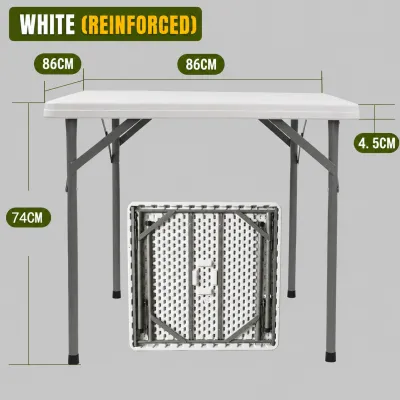
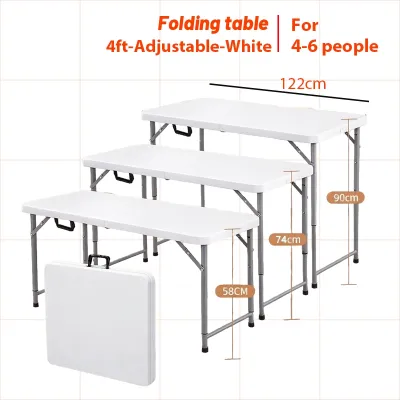
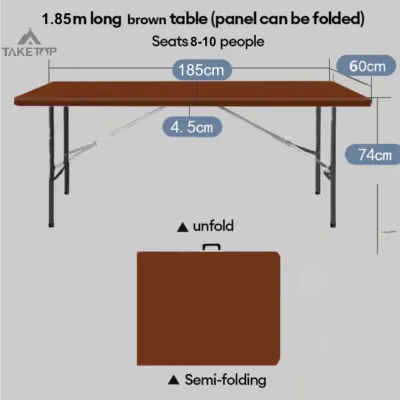
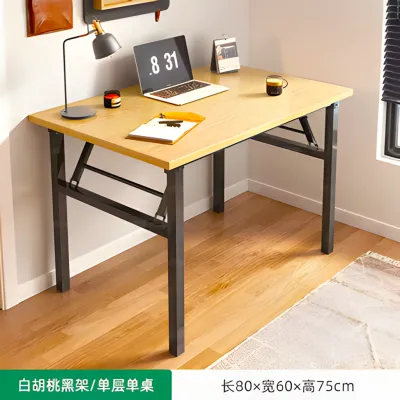
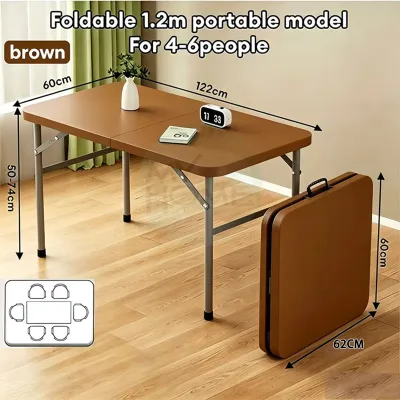
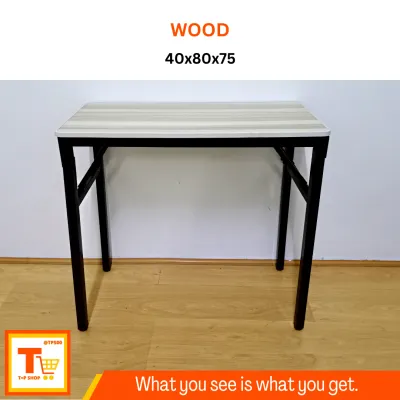
Prices are valid at publication and may change. Please refer to the product page for the latest price.
Water damage typically concentrates at specific failure points where moisture naturally accumulates. Hinges, leg joints, and folding brackets are highly vulnerable because their moving parts can trap water droplets. Additionally, the unprotected underside of many tabletops features exposed screws, raw material edges, or hollow channels where condensation pools. When water sits in these tight spaces, it creates a microenvironment that accelerates the rusting process long after the rain has stopped.
Trapped moisture becomes an even greater threat when tables are folded and stored while still damp. Placing a wet table into a poorly ventilated storage area, such as a tight closet, a crowded garage, or under a non-breathable plastic cover, prevents evaporation. This trapped humidity continuously attacks the metal components and protective coatings, leading to rapid paint blistering, joint stiffness, and deep-seated rust that can seize the folding mechanism entirely.
Evaluating Tabletop Materials for Weather Resistance
When comparing tabletop materials for wet-season durability, high-density polyethylene (HDPE) and resin are among the most resilient options. These synthetic materials do not absorb water, meaning they will not warp, rot, or swell when exposed to continuous rain. However, because these tables often transition between intense tropical sun and heavy downpours, it is essential to check the manufacturer’s specifications for UV-stabilized labels to ensure the plastic does not become brittle or crack over time.

Wood tabletops offer a classic aesthetic but require careful scrutiny before outdoor use during the rainy season. Untreated or poorly sealed wood absorbs moisture rapidly, leading to warping, splitting, and mold growth. If you prefer wood, verify that the table has been treated with a marine-grade sealant or a water-resistant polyurethane coating. You must also check the care instructions, as wood tables generally require regular reapplication of protective finishes to maintain their water resistance in humid climates.
Metal tabletops, such as those made of steel or aluminum, provide excellent strength but present distinct rust risks. Aluminum tabletops are naturally highly resistant to red rust, though they can still oxidize if left unprotected. Steel tabletops must feature a complete, intact protective coating, such as a thick powder finish or a specialized paint layer. When evaluating any metal tabletop, inspect the edges and joints; seamless designs or tables with heavy-duty edge banding are preferable, as they prevent water from seeping into the core of the panel.
Regardless of the material, the physical design of the tabletop surface plays a role in managing water exposure. A completely smooth, flat surface can allow water to pool during heavy downpours, which increases the risk of seepage through screw holes or joints. Look for tabletops with a slightly textured surface to improve grip when wet, and check if the edges are slightly sloped or channeled to encourage water runoff rather than letting it sit on the surface.
Assessing Frame and Hardware Materials
The frame of a 3ft folding table bears the structural load, making its material composition critical for wet-weather performance. Aluminum frames are highly suitable for humid environments because they do not produce red rust when exposed to water. While aluminum is lightweight and naturally corrosion-resistant, you should verify the wall thickness of the frame tubing to ensure it offers sufficient stability and does not bend under heavy loads.
Powder-coated steel frames are a common and sturdy alternative, but their rust resistance depends entirely on the quality of the protective coating. Powder coating involves applying a dry powder that is cured under heat to form a hard, protective skin over the steel. When inspecting a steel frame, look closely for any chips, bubbles, or uneven patches in the coating. Any break in this barrier allows moisture to reach the underlying steel, where rust can form and spread unseen beneath the paint.
While the main frame elements are highly visible, the hidden hardware often determines how long a folding table will last. Screws, bolts, rivets, and hinge pins are frequently made from standard carbon steel, which rusts much faster than the surrounding frame. When purchasing a table, check the product specifications to verify if the hardware is made from stainless steel or has been treated with a rust-resistant zinc coating. If the hardware rusts, the joints can seize, making the table difficult or impossible to fold.
To spot potential weak points before buying, pay close attention to the welds and joint connections on the metal frame. The welding process can sometimes leave tiny pores or burn away protective coatings, leaving the metal exposed. High-quality outdoor tables often feature extra protective caps or secondary paint applications over welded areas. Ensure that the interior of hollow metal legs is also sealed or treated, as water entering the bottom of the legs can cause them to rust from the inside out.
Checking Structural and Folding Mechanisms
A folding table’s utility relies on its ability to open and close smoothly, which can be compromised by wet-season debris. Inspect the hinge design to identify areas where water, mud, and organic matter might accumulate. Open, simple hinge designs are easier to clean and dry, whereas complex, deeply recessed brackets can trap wet dirt that grinds against the moving parts and strips away protective finishes.
Locking mechanisms and safety catches must operate reliably even when damp or dirty. Gravity locks, slide rings, and spring-loaded pins should slide into place without excessive force. If a mechanism feels stiff or sticky in dry conditions, it is highly likely to jam or fail when exposed to rain and humidity. Verify that these safety features are constructed from thick, corrosion-resistant metals or heavy-duty plastics that will not degrade with frequent exposure to moisture.
Stability is a primary safety concern, especially when using a 3ft folding table on wet, slippery, or uneven outdoor surfaces. Check the weight capacity labels to ensure the table can support your intended items without bowing. Additionally, inspect the leg design for non-slip foot caps made of rubber or durable plastic. These caps prevent the metal legs from sitting directly in puddles, protect the frame from scraping against rough concrete, and provide essential traction on wet patios or tiled floors.
Before finalizing your choice, measure your available storage space and compare it to the table’s folded dimensions. A table that is easy to carry and fits comfortably through doorways or inside utility closets is much more likely to be stored properly during heavy downpours. If the table is too cumbersome to move quickly, it is more likely to be left outside, exposing it to unnecessary weather wear.
Maintenance and Storage During the Rainy Season
To maximize the lifespan of your 3ft folding table, establish a simple cleaning routine after each outdoor use. Wipe down the tabletop and frame with a clean, dry cloth to remove standing water, mud, and fallen leaves. Organic debris left on the table can hold moisture against the surface and promote mold growth or chemical degradation of the protective coatings. For general cleaning, use mild soap and warm water; avoid abrasive scrubbing pads or harsh chemical cleaners that can scratch or strip the rust-resistant finishes.
Proper storage is the most effective way to prevent rust during the wet months. Always dry the table completely before folding it for storage. Store the table in a well-ventilated indoor area, elevating it off damp concrete floors by placing it on a wooden pallet, a shelf, or a dry mat. If you must store the table in a semi-outdoor area like a carport, avoid wrapping it tightly in plastic tarps; instead, use a breathable fabric cover that shields it from blowing rain while allowing trapped humidity to escape.
Regularly inspect your table for early signs of wear to address issues before they cause permanent damage. Look for tiny orange spots near joints, bubbling paint, or a gritty feeling when opening the frame. If you notice minor surface rust, consult the manufacturer’s care guide for approved touch-up procedures. Addressing small chips in a powder coating with a matching rust-inhibiting paint can prevent the damage from spreading and keep your folding table sturdy and reliable for many rainy seasons to come.
Frequently Asked Questions (FAQ)
Can I leave a 3ft folding table outside overnight during the rainy season?
Leaving a folding table outside overnight during the rainy season is not recommended, even if it is labeled as weather-resistant. Overnight condensation and sudden heavy downpours can allow water to settle into joints, screw holes, and folding mechanisms where it cannot easily evaporate. Over time, this constant moisture exposure degrades protective coatings and accelerates rust. If you must leave the table outdoors temporarily, protect it with a breathable, properly fitted waterproof cover, or place it under a secure awning or covered patio.
How do I treat minor surface rust on a metal folding table?
To treat minor surface rust, start by gently cleaning the affected area with a soft-bristled brush or a non-abrasive cloth dipped in a mild vinegar solution to loosen the rust flakes. Avoid using steel wool or harsh wire brushes, as these can scratch the surrounding intact paint and expose more metal to moisture. Once the rust is removed, wipe the area completely dry with a clean towel. Apply a small amount of rust-inhibiting primer and touch-up paint, following the manufacturer’s instructions, to reseal the metal and prevent future corrosion.
Are plastic folding tables completely immune to weather damage?
While plastic folding tables do not rust, they are not completely immune to weather damage. Prolonged exposure to intense tropical sunlight and heavy rain can cause standard plastics to fade, chalk, or become brittle over time. Additionally, most plastic folding tables rely on steel frames and metal hardware underneath for structural support, which remain vulnerable to rust. To ensure durability, look for tables made with UV-stabilized high-density polyethylene (HDPE) and pair them with powder-coated or aluminum frames that are designed to resist moisture.

Community discussion
Share your experience or ask a question. Comments are reviewed before publication.