
To prevent rust and moisture damage during the intense humidity and heavy downpours of the Philippine rainy season, the most reliable portable folding table materials are high-grade aluminum frames paired with high-density polyethylene (HDPE) plastic tops. If you choose steel frames for higher weight capacities, they must feature verified protective treatments like thick powder coating or hot-dip galvanization. Hardware components, such as hinges and rivets, should ideally be made of stainless steel or treated with rust-resistant coatings to prevent joint failure.
The tropical climate presents a unique challenge for outdoor and portable furniture. High humidity levels, salt-laden coastal air, and frequent monsoon rains create an environment where exposed metals oxidize rapidly. A portable table that seems sturdy in a dry showroom can quickly stiffen, discolor, or structurally fail after just a few weeks of exposure to rainy weather.
Selecting the right table requires looking beyond the surface. You must evaluate the frame material, the tabletop composition, the hardware connections, and the protective coatings applied by the manufacturer. By understanding how different materials interact with moisture, you can make an informed purchase that withstands the elements and provides reliable service year after year.
Products mentioned in this guide
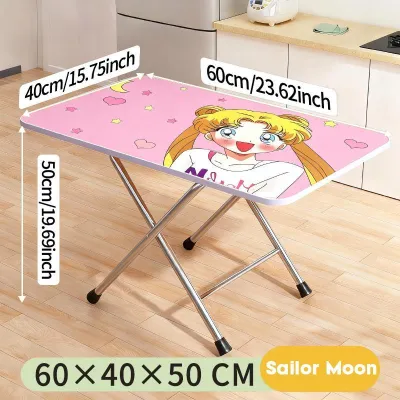
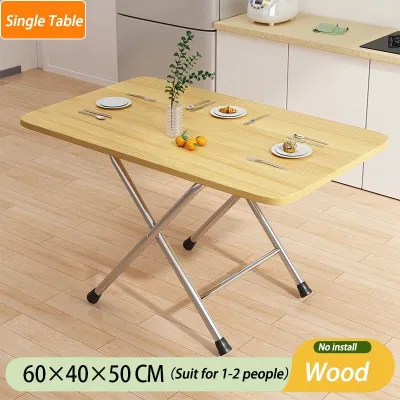
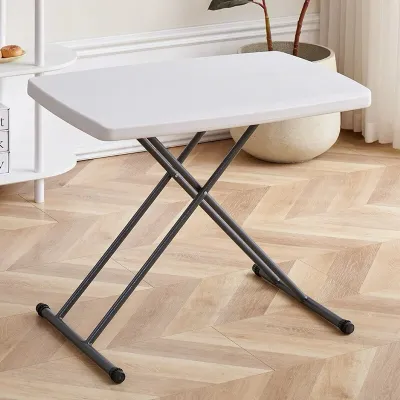
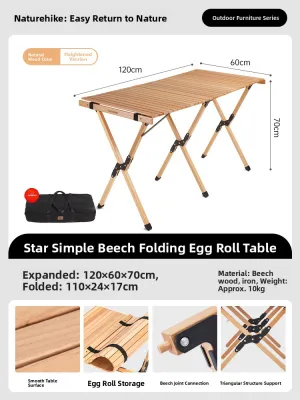
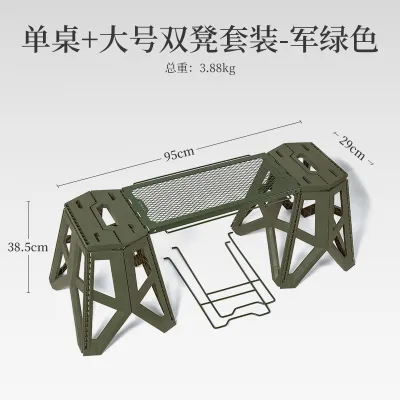
Prices are valid at publication and may change. Please refer to the product page for the latest price.
Comparing Common Table Materials for Rust and Moisture Resistance
Aluminum is widely considered the gold standard for rust-resistant outdoor furniture frames. When aluminum is exposed to air, it naturally forms a microscopic layer of aluminum oxide on its surface. This layer acts as a barrier, preventing oxygen and water from reaching the deeper metal layers and stopping the rust process before it can start.
Beyond its natural rust resistance, aluminum is exceptionally lightweight, making it the ideal choice for a truly portable folding table. It is easy to carry from your storage area to your patio, garden, or vehicle. However, because aluminum is a softer metal than steel, you should check the structural design and tubing thickness to ensure the table can support your intended load without bending.
High-density polyethylene (HDPE) and engineered resin are the most practical choices for table surfaces during the rainy season. These synthetic materials are completely non-porous, meaning they do not absorb water, swell, warp, or rot when exposed to continuous rain. They are also highly resistant to stains and are easy to wipe clean after an outdoor gathering.
When evaluating a plastic tabletop, look for specifications indicating UV stabilizers have been added to the resin. The intense tropical sun that often follows a heavy downpour can degrade unprotected plastics, causing them to fade, crack, or become brittle over time. Additionally, check the underside of the tabletop for a molded honeycomb or ribbed structure, which provides excellent weight capacity without adding unnecessary bulk.
Steel frames are highly valued for their superior strength and high weight capacity, but standard untreated steel is highly vulnerable to rust. When exposed to moisture and oxygen, steel undergoes a chemical reaction that produces iron oxide, commonly known as red rust. This rust quickly eats through the metal, compromising both the appearance and the structural integrity of the table.
If you decide to purchase a steel-framed folding table, you must verify that the metal has been thoroughly treated with a protective barrier. Untreated or poorly painted steel will begin to rust at the joints and weld points almost immediately after exposure to damp air. Steel is only suitable for the rainy season if it features a high-quality, intact protective finish that completely seals the metal from the environment.
Wood and wood-composite alternatives are generally less suitable for portable tables during the rainy season. Natural wood absorbs atmospheric moisture, which causes it to expand, contract, warp, and eventually rot if not sealed perfectly. Engineered woods like MDF or particleboard are even more vulnerable, as they can disintegrate rapidly when water penetrates their outer laminate layers.
If you prefer the aesthetic of wood, look for synthetic wood composites made from recycled plastics, which offer the look of timber without the moisture absorption. If you choose natural wood, ensure it is a dense, oil-rich variety like teak or eucalyptus, and verify that it has been treated with a marine-grade polyurethane sealant. Keep in mind that wood tables are significantly heavier and require regular sanding and resealing to maintain their water resistance.
Inspecting Hardware and Joints for Hidden Rust Risks
The folding mechanism is the most critical and vulnerable part of any portable table. While a manufacturer may advertise an aluminum frame, the hinges, brackets, and locking pins that allow the table to fold are often made of different, cheaper metals. If these moving parts rust, the table will become difficult or dangerous to operate, rendering its portable design useless.

When shopping for a table, closely inspect the hinges and locking mechanisms to determine what materials they are made of. Look for hardware made of stainless steel, which contains chromium to resist rust, or components that have been galvanized or heavily coated. Avoid tables with thin, shiny zinc-plated hardware, as this basic plating quickly wears off under the friction of folding and unfolding, leaving the bare steel exposed to humidity.
Screws, bolts, and rivets are the small fasteners that hold the entire table structure together. Standard steel fasteners are often the first components to rust, creating unsightly orange streaks and weakening the connection between the frame and the tabletop. Look for tables assembled with stainless steel fasteners or rivets that are capped with protective plastic covers to shield them from direct rain.
Examine the connection points where the metal frame meets the tabletop. There should be no gaps or loose fittings that allow water to pool around the fasteners. If water is allowed to sit in these tight spaces, it creates a localized high-humidity zone that accelerates crevice corrosion, even on treated metals.
Many portable folding tables utilize hollow metal tubing to keep the overall weight manageable. If the ends of these tubes are left open or sealed with cheap, loose-fitting plastic caps, rainwater can easily enter and pool inside the frame. This trapped water causes the metal to rust from the inside out, which is difficult to detect until the frame suddenly buckles under load.
Ensure that all hollow tube ends are securely sealed with tight, weather-resistant rubber or plastic end caps. Additionally, inspect the weld joints where the tubes are connected. The welds should be continuous, smooth, and free of pinholes or gaps that could allow moisture to seep into the interior of the frame.
Verifying Surface Treatments and Protective Coatings
Powder coating is the most common and effective protective finish applied to metal furniture frames. This process involves applying a dry, free-flowing thermoplastic or thermoset powder to the metal surface electrostatically, which is then cured under heat to form a hard, continuous skin. Powder coating is significantly tougher and more flexible than standard liquid paint, making it highly resistant to chipping, scratching, and peeling.
When reviewing product specifications, look for terms like “outdoor-grade powder coating” or “weather-resistant finish.” Standard liquid paint chips easily when the table is folded, transported, or bumped against other items. Once the paint chips, humid air immediately reaches the exposed metal, initiating the rusting process beneath the remaining paint.
Galvanization is another highly effective method used to protect steel components from rust. This process involves coating the steel with a protective layer of zinc, which acts as a sacrificial anode; even if the coating is scratched, the zinc will corrode before the underlying steel does. Look for “hot-dip galvanized” specifications, which provide a thicker and more durable zinc layer than electro-galvanized alternatives.
Galvanized steel components often have a characteristic matte gray, mottled appearance that indicates robust rust protection. While it may not look as sleek as a smooth powder-coated finish, galvanization offers superior long-term protection for heavy-duty utility tables that will be exposed to harsh outdoor conditions.
Before making a purchase, perform a thorough visual inspection of the table’s surface treatments, whether in a physical store or by examining high-resolution product images online. Pay close attention to the edges, corners, welds, and the undersides of the frame, as these are the areas where coatings are most likely to be thin or incomplete.
The protective coating should be completely even, smooth, and free of bubbles, runs, or bare spots. Run your fingers along the underside of the frame to check for rough patches, which often indicate that the manufacturer did not apply a sufficient thickness of the protective layer to the less visible areas of the table.
Routine Maintenance and Storage for the Rainy Season
Even the most rust-resistant portable folding table requires regular maintenance to prolong its lifespan in a humid tropical climate. After outdoor use, wipe down the table with a soft cloth, mild dish soap, and clean water to remove dirt, salt, and organic debris. Accumulated grime can trap moisture against the surface, slowly degrading the protective coatings over time.
Avoid using abrasive scrubbing pads, steel wool, or harsh chemical cleaners like bleach or ammonia. These abrasive materials can create microscopic scratches in the powder coating or anodized aluminum finish, providing a pathway for moisture to reach the underlying metal. Pay special attention to cleaning the folding joints and hinges where dirt and moisture tend to collect.
Never fold and store a damp table, as this is one of the most common causes of rapid rust formation. Trapped moisture inside a folded table creates a highly humid microclimate with restricted airflow, accelerating the oxidation of hardware and promoting the growth of mold and mildew on plastic surfaces.
Allow the table to air dry completely in a well-ventilated area before folding it for storage. If you are in a hurry, use a dry towel to thoroughly wipe down the frame, paying close attention to the hinges, joints, and hollow tube ends. Taking a few extra minutes to ensure the table is dry will save you from discovering rust spots the next time you unfold it.
Store the folded table in a dry, elevated, and well-ventilated indoor space, such as a utility room, garage, or closet. Avoid storing the table directly on damp concrete floors, which can transfer moisture to the metal feet; instead, place it on a wooden pallet, a dry mat, or hang it from wall-mounted hooks.
If you choose to use a protective cover, ensure it is made of a breathable fabric rather than a sealed plastic bag. Sealed plastic traps rising condensation and creates a greenhouse effect around the metal frame, accelerating rust. A breathable cover protects the table from dust while allowing any residual moisture to evaporate safely.
Frequently Asked Questions (FAQ)
Can I leave a rust-resistant folding table outside all year?
While a high-quality rust-resistant folding table is designed to withstand outdoor conditions, it should not be left exposed to the elements indefinitely. Continuous exposure to heavy rain, pooling water, and intense tropical UV rays will eventually degrade even the most durable protective coatings and materials. To maximize the lifespan of your table, always fold and store it in a sheltered, dry area when not in use, especially during typhoons or prolonged monsoon weeks.
How do I treat minor surface rust on a folding table frame?
If you notice small spots of orange rust on a steel frame, address them immediately to prevent them from spreading and causing structural damage. Gently sand the affected area with fine-grit sandpaper or a wire brush to remove the loose rust, taking care not to scratch the surrounding intact coating. Clean the area thoroughly with a damp cloth, let it dry completely, and apply a rust-inhibiting metal primer followed by a matching outdoor-grade touch-up paint to reseal the metal. If the rust has penetrated deep into the frame or caused the metal to soften, discontinue use to avoid structural collapse.

Community discussion
Share your experience or ask a question. Comments are reviewed before publication.