
Selecting a modern sidetable is no longer just about finding a simple wooden surface to hold a lamp. As bedrooms evolve into multi-functional sanctuaries for relaxation and remote work, our furniture must adapt to support our digital lifestyles. A sidetable equipped with built-in power outlets, USB ports, and smart storage solutions can streamline your nightly routine, eliminate messy extension cords, and keep your essential devices fully charged and within arm’s reach.
However, finding the right balance between technology, aesthetics, and structural durability requires looking closely at specific features. You must evaluate how the electrical components perform, how the storage configuration aligns with your daily habits, and how the materials withstand environmental factors. By prioritizing safety certifications, spatial ergonomics, and moisture-resistant finishes, you can select a functional piece of furniture that enhances your bedroom’s comfort and organization for years to come.
Evaluating Built-In Charging Features and Safety
When integrating electrical power directly into your bedroom furniture, understanding the technical specifications of the built-in charging module is essential. Not all USB ports are created equal, and choosing the wrong configuration can result in slow charging times or potential electrical hazards.
Products mentioned in this guide
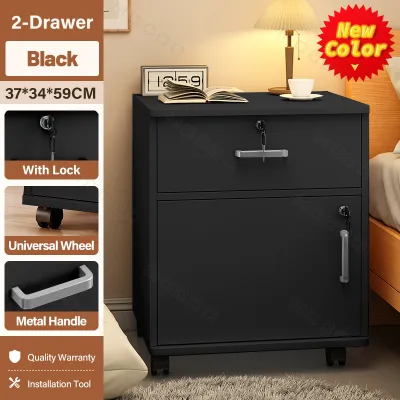
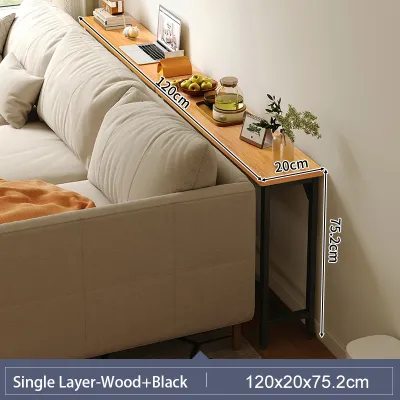
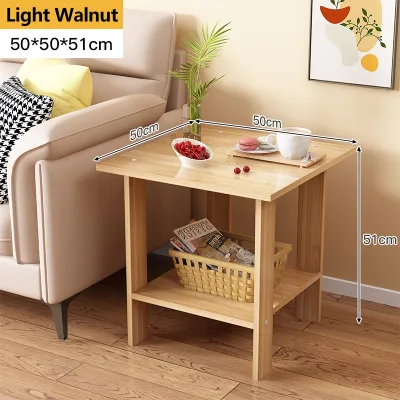
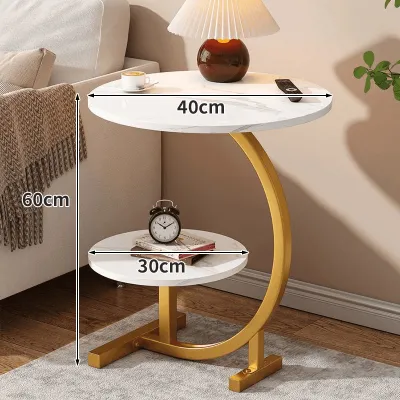
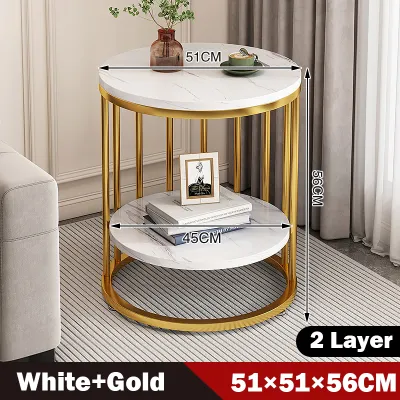
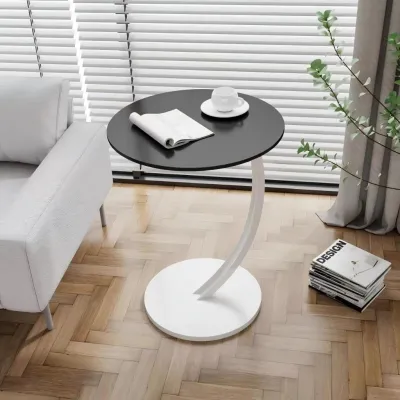
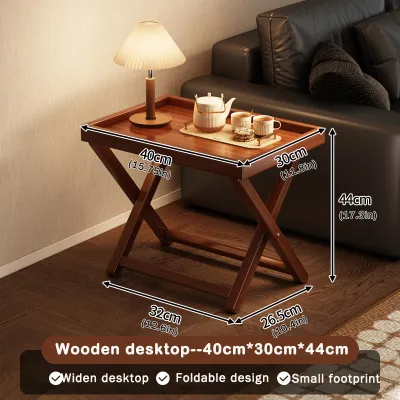
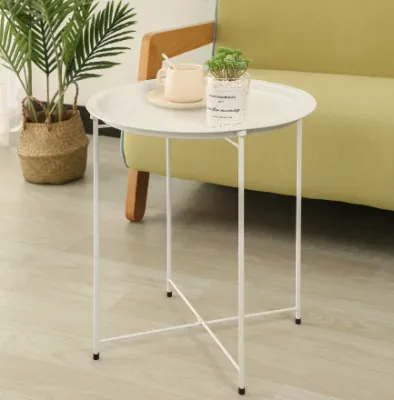
Prices are valid at publication and may change. Please refer to the product page for the latest price.
Modern devices have diverse power requirements, making a mix of charging options highly desirable. Standard USB-A ports are still common in many furniture designs, but they typically offer lower power output, often capped at 5W or 10W, which is insufficient for fast-charging modern smartphones, tablets, or laptops. For faster charging speeds, look for a sidetable that features dedicated USB-C ports with Power Delivery (PD) capabilities. A USB-C port offering 20W to 45W of output can rapidly charge a smartphone or tablet, while higher wattages can even power compatible ultrabooks. Additionally, having at least one or two standard AC outlets is crucial for powering traditional bedside items like a reading lamp, an air purifier, or a humidifier.
Wireless charging pads built directly into the top surface of a sidetable offer excellent convenience, allowing you to simply drop your phone in place as you head to sleep. However, this technology has practical limitations to consider. Inductive charging requires precise alignment between the coils inside the charging pad and those in your smartphone; a slight bump in the night can misalign the devices, leaving you with an uncharged phone in the morning. Furthermore, thick phone cases, particularly those exceeding 3 millimeters in thickness or containing metal plates, credit cards, or ring holders, can block the wireless signal entirely.
Cable management is another critical feature that separates a well-designed power sidetable from a cluttered one. Look for units that incorporate built-in routing channels, grommets, or recessed back panels. These design elements allow you to guide power cords neatly down to the wall outlet without pinching them against the baseboard or leaving a tangled nest of wires exposed behind the table. Some advanced models feature internal cable tracks within the drawers, allowing you to charge devices out of sight while preventing the cables from getting caught or frayed in the drawer slides.
Because these tables connect directly to your home’s electrical grid, safety must be your top priority. Always physically inspect the power module’s label or the product packaging for recognized safety certification marks. In the Philippines, electrical products should ideally bear the Philippine Standard (PS) mark or the Import Commodity Clearance (ICC) sticker, alongside international safety certifications such as UL, CE, or FCC. These marks verify that the electrical components have undergone rigorous testing for overcurrent protection, short-circuit prevention, and heat resistance. Avoid unbranded, generic furniture imports that lack verifiable certifications, as substandard wiring can overheat and pose a serious fire hazard in your bedroom.
Optimizing Storage and Bedroom Spatial Fit for Your Sidetable
A sidetable must balance its electrical capabilities with practical storage and spatial harmony within your bedroom. The physical dimensions and storage layout of the table directly impact how comfortable and functional your sleeping area feels.

Your storage choice should align with your organizational habits and what you like to keep within arm’s reach. Closed storage, such as drawers fitted with smooth, soft-close metal runners, is ideal for concealing personal items, medications, journals, or charging cables, keeping your bedroom looking tidy and uncluttered. Soft-close mechanisms are particularly valuable in a bedroom setting, as they prevent loud slamming noises that could wake a sleeping partner. On the other hand, open shelving or cubbies provide quick, unobstructed access to items you reach for frequently, such as books, eyeglasses, or a glass of water. A combination of both—a single drawer over an open lower shelf—often provides the most versatile storage solution.
Ergonomics play a major role in how comfortable it is to use your sidetable daily. To determine the ideal height, measure from the floor to the top of your mattress. Your sidetable should sit level with the top of your mattress or up to 5 to 10 centimeters lower. This height range ensures that you can easily reach your phone, lamp switch, or a glass of water without straining your arm or back while lying down. It also minimizes the risk of accidentally knocking items off the table when reaching out in the dark.
Before committing to a purchase, carefully measure your available floor space, paying close attention to potential obstructions. A sidetable that is too deep can block the swing of wardrobe doors, prevent sliding balcony doors from opening fully, or restrict the walking path around the bed. Ensure there is at least 60 centimeters of clear space between the edge of the sidetable and any adjacent furniture or walls. For those living in high-rise condominiums or homes with tight stairwells, it is equally important to verify doorway and elevator access. Check the packaged dimensions of the furniture to guarantee it can be safely transported up to your unit and through your bedroom doorway.
Finally, do not overlook the manufacturer’s stated weight capacity for both the top surface and the individual drawers. Bedside tables often end up supporting heavy ceramic table lamps, stacks of books, decorative trays, and water carafes. A high-quality sidetable should specify a top-surface weight limit of at least 15 to 20 kilograms. Exceeding these limits can cause the top panel to bow over time, compromise the stability of the legs, or put undue stress on the drawer glides, leading to mechanical failure.
Material Durability for Humid Climates
Selecting the right material for your sidetable is crucial for ensuring its longevity, especially in tropical climates like the Philippines, where high humidity and temperature fluctuations are constant challenges. The interaction between seasonal moisture, indoor air conditioning, and daily wear can quickly degrade poorly constructed furniture.
Different materials react uniquely to humid environments, and each comes with distinct maintenance requirements:
- Solid Wood: Natural woods like mahogany, teak, or acacia are highly prized for their beauty and structural strength. However, solid wood naturally expands and contracts in response to changes in humidity. If the wood is not properly seasoned and sealed, this movement can cause drawers to stick, joints to loosen, or the wood itself to warp.
- Engineered Wood (MDF and Particleboard): This is a very common material for modern, budget-friendly furniture. While highly versatile, standard engineered wood is highly vulnerable to moisture. If high humidity or liquid spills penetrate the outer laminate or veneer, the underlying fibers will swell, crumble, and ruin the structural integrity of the table.
- Metal: Powder-coated steel or iron frames offer exceptional stability and a sleek, modern look. Metal is completely unaffected by humidity-induced swelling, making it an excellent choice for tropical climates. However, you must ensure the metal has a high-quality, rust-resistant powder coating to prevent corrosion over time.
- Glass and Acrylic: Tempered glass tops are impervious to moisture and add a bright, spacious feel to a bedroom. While highly durable and easy to wipe clean, glass surfaces do require regular maintenance to remove fingerprints, dust, and condensation smudges.
To protect your furniture from moisture damage, pay close attention to the surface treatments and finishes used by the manufacturer. Look for sidetables finished with water-resistant sealants, polyurethane coatings, or high-pressure laminates. These protective barriers are essential for preventing condensation rings from forming on the tabletop. In warm, tropical climates, a cold glass of water left on a bedside table overnight will sweat profusely; without a proper water-resistant finish, this condensation can quickly seep into the wood grain or under the veneer, causing permanent bubbling or discoloration.
The structural integrity of the table also depends heavily on its joint construction and leg design. Inspect how the panels and legs are joined together. High-quality wooden drawers often feature dovetail or mortise-and-tenon joints, which provide superior strength compared to simple butt joints held together with staples or cheap glue. For engineered wood furniture, look for metal-to-metal cam lock connectors, which offer a much tighter and more stable hold than simple wood screws driven directly into composite material. A sturdy, wide-set leg base or a reinforced steel frame will ensure the table remains completely wobble-free, even when drawers are fully extended.
It is important to remember that no wood-based furniture is entirely waterproof or termite-proof. To maximize the lifespan of your sidetable, always consult the manufacturer’s care instructions. Avoid placing the table in direct sunlight or directly beneath an air conditioning unit where condensation might drip. Using coasters for drinks and wiping up any spills immediately will go a long way in preserving the finish.
Recommended Sidetable Configurations by User Need
The ideal sidetable configuration depends heavily on your daily habits, tech ecosystem, and bedroom layout. Prices typically range from budget-friendly engineered wood options under ₱3,000 to premium solid wood or metal-framed smart tables exceeding ₱8,000. Here are three tailored configurations designed to solve specific bedroom challenges.
High-Power Tech Setup
For heavy device users, remote professionals, or couples who need to charge multiple high-drain devices overnight, a high-power tech sidetable is the ultimate solution. This setup prioritizes raw charging capacity and robust cable management to keep your devices powered without cluttering your sleeping space.
Look for a sidetable equipped with a built-in power strip that features at least one high-wattage USB-C Power Delivery (PD) port (ideally 20W or higher) alongside multiple USB-A ports and standard AC outlets. This allows you to fast-charge your smartphone, tablet, and smartwatch simultaneously, and even plug in a laptop if you work from bed. To keep this high-powered hub organized, choose a model with deep drawers that can house bulky charging bricks, power adapters, and excess cabling out of sight.
When choosing a high-power setup, always verify the total maximum power output limit of the integrated charging module. Charging multiple high-draw devices at once can generate significant heat; a certified power module with built-in overload protection ensures that the unit will safely manage the electrical load without tripping your home’s circuit breakers or overheating the furniture.
Compact Floating Shelf
If you are dealing with a compact bedroom, a studio apartment, or simply prefer a clean, minimalist aesthetic, a wall-mounted floating sidetable is an excellent choice. Floating shelves maximize limited floor space, creating an airy feel and making it much easier to sweep, vacuum, or mop underneath.
This configuration typically features a built-in wireless charging pad seamlessly integrated into the top surface, paired with a single open cubby below for storing a book or a pair of glasses. Because there are no legs, the power cord for the wireless pad is routed discreetly down the back of the shelf, often hidden behind a decorative wall channel or plugged into an outlet directly behind the unit.
Installing a floating sidetable requires careful attention to safety and structural support. Before mounting, you must identify your bedroom’s wall type. In the Philippines, residential walls are commonly constructed from solid concrete, concrete hollow blocks, or plasterboard/drywall. Concrete and hollow block walls require a masonry drill bit and heavy-duty plastic or metal wall plugs (tox screws) to ensure a secure hold. Drywall installations require locating the wooden or metal wall studs to anchor the shelf safely. Never exceed the manufacturer’s recommended weight capacity, as overloading a floating shelf can pull the anchors out of the wall, causing damage to both your wall and your devices.
Hidden-Power Traditional Nightstand
For those who love classic bedroom decor but still want the convenience of modern technology, a hidden-power traditional nightstand offers the perfect compromise. This design conceals all modern charging ports and wires within a classic, elegant wooden exterior, keeping your bedroom looking cozy and traditional.
These tables typically feature a hidden charging compartment, such as a top drawer with a built-in power strip, a flip-down rear panel, or a recessed cubby at the back of the tabletop. This allows you to plug in your phone, tablet, or e-reader and slide the drawer shut, keeping bright screen notifications and unsightly cables completely out of sight while you sleep.
When selecting a hidden-power nightstand, always measure the internal dimensions of the charging drawer or compartment. Ensure it is wide and deep enough to comfortably accommodate your devices while they are plugged in, without bending the charging cables at sharp angles. Additionally, check that the drawer’s cable routing path is designed with a flexible track or protective guard to prevent cords from getting pinched, crimped, or severed when the drawer is opened and closed over time.
Frequently Asked Questions (FAQ)
Choosing a sidetable with integrated electronics involves balancing furniture care with electrical safety. Here are answers to some of the most common questions regarding the purchase, use, and maintenance of these modern bedside companions.
Can I replace the built-in charging module if it stops working?
Whether you can replace the built-in charging module depends entirely on the sidetable’s design. Some manufacturers use modular, plug-and-play power strips that are secured with simple screws and can be easily unplugged and swapped out if they fail. Other designs feature hardwired electrical components that are permanently integrated into the wooden frame.
If long-term repairability is important to you, check the product manual or contact the seller before purchasing to confirm if the power module is replaceable. If a hardwired unit stops working, do not attempt DIY electrical repairs, as this can void your warranty, damage the furniture, or create a severe electrical hazard. Instead, consult the manufacturer or hire a certified electrician to inspect the unit.
Is it safe to leave my phone charging on a wireless sidetable overnight?
Yes, it is generally safe to leave your phone charging overnight, provided both your phone and the sidetable’s charging pad are high-quality, certified products. Modern smartphones are equipped with advanced lithium-ion battery management systems that automatically stop drawing power once the battery reaches 100%, preventing overcharging.
However, wireless charging naturally generates more heat than traditional cable charging, and excessive heat can degrade battery health over time. To ensure safety and protect your device, always use a sidetable with a certified Qi wireless charging pad that features built-in temperature regulation. Additionally, it is highly recommended to remove thick, plastic, or metallic phone cases before charging overnight to allow heat to dissipate properly, and avoid covering your phone with pillows or blankets while it is charging.
How do I clean and maintain the charging ports on a wooden sidetable?
Cleaning a sidetable with integrated electronics requires a careful approach to protect both the wood finish and the electrical components. Before performing any cleaning or maintenance, always unplug the sidetable’s main power cord from the wall outlet to eliminate any risk of electrical shock.
To clean the charging ports and AC outlets, use a can of compressed air or a soft, dry, anti-static brush to gently blow or sweep away dust, lint, and debris. For the wooden surface, use a slightly damp microfiber cloth to wipe down the exterior, taking care to avoid getting any moisture near the ports, outlets, or power modules. Never use liquid cleaners, wet wipes, spray disinfectants, or abrasive chemical cleaners directly on or near the electrical components, as this can cause short circuits, corrode the metal contacts, and permanently damage the wood’s protective finish.

Community discussion
Share your experience or ask a question. Comments are reviewed before publication.