
A trolley side table with charging and storage offers a highly flexible alternative to traditional, static nightstands. These mobile units allow you to reposition your storage, adjust your layout, and access power outlets right next to your bed or workspace. However, finding the right model requires looking closely at technical specifications rather than just aesthetics.
In humid tropical environments like the Philippines, where dust and moisture can affect both wood finishes and electronic components, selecting a durable, well-designed unit is essential. To make an informed decision, you must evaluate charging port specifications, storage configurations, caster quality, and dimensional alignment with your bed frame.
Charging Specifications: Matching Power Output to Your Devices
When evaluating the charging capabilities of a trolley side table, look beyond the sheer number of ports. You need to match the power output to your specific devices. Standard USB-A ports are common and suitable for older accessories or smartwatches, but modern smartphones and tablets typically require USB-C ports with higher wattage to support fast charging.
Products mentioned in this guide
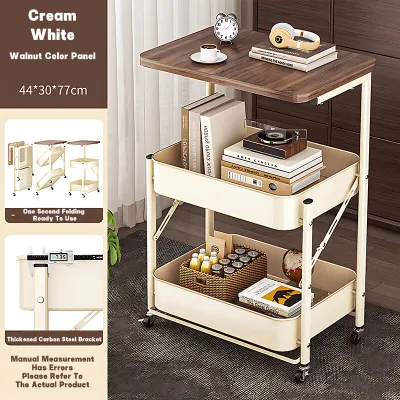
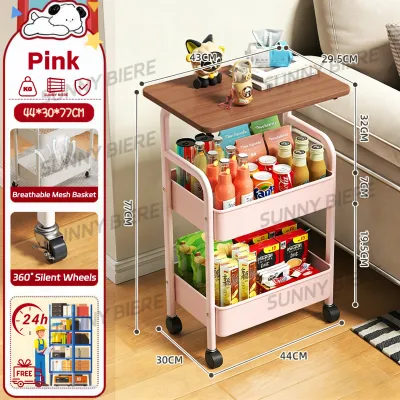
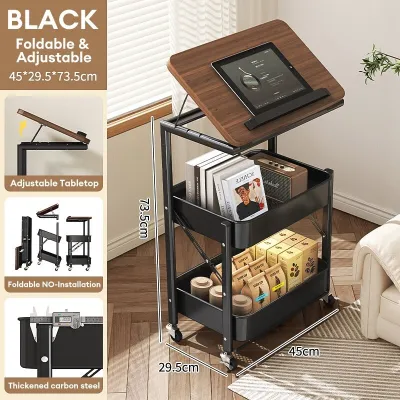
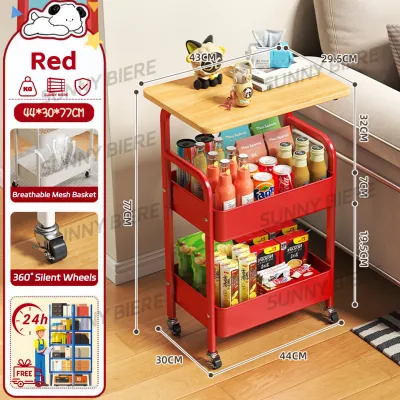
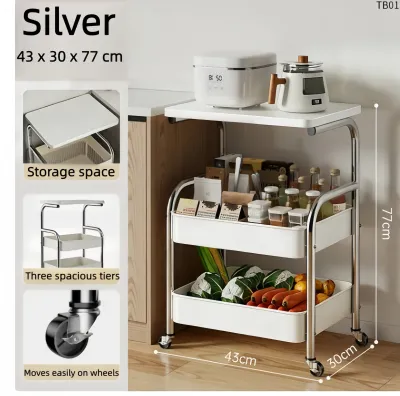
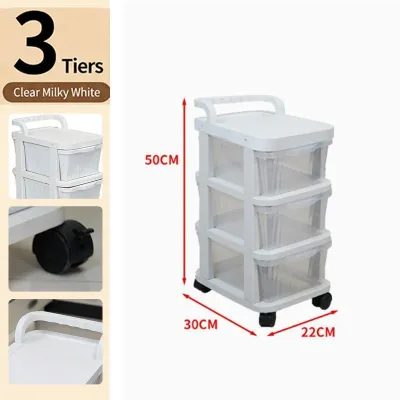
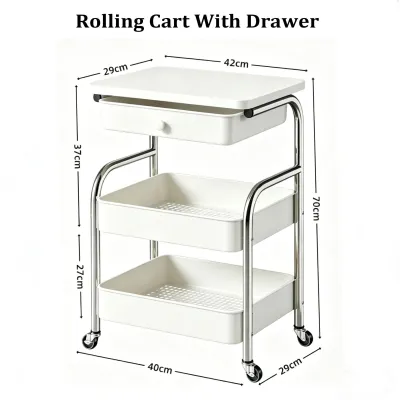
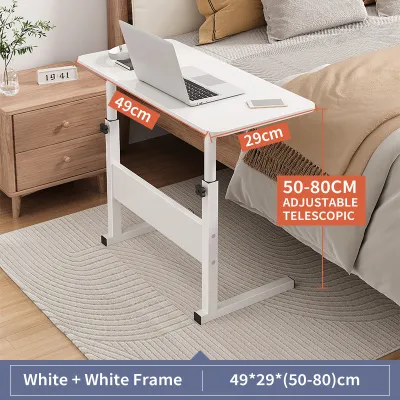
Prices are valid at publication and may change. Please refer to the product page for the latest price.
Check the product specifications for the exact wattage (W) or amperage (A) ratings. For instance, a port rated at 5V/1A (5 watts) will charge a modern phone very slowly, whereas a port offering 18W or more can significantly reduce charging times. Additionally, look for built-in AC outlets if you plan to plug in a bedside lamp, a laptop charger, or a humidifier.
Safety is paramount, so verify that the electrical components carry recognized safety certifications. To keep your bedside looking neat, check if the table includes dedicated cable management features. Built-in routing channels, clips, or recessed power strips help guide cords cleanly down the frame, preventing them from tangling in the wheels or cluttering the top surface.
Storage Layouts: Evaluating Drawers, Shelves, and Footprint
The right storage configuration depends on what you need to keep within arm’s reach. Open shelves are excellent for items you grab frequently, such as books, tablets, or a glass of water. However, open storage exposes your belongings to dust, which can accumulate quickly in well-ventilated or fan-cooled rooms.

If you prefer a clean, uncluttered look or need to store personal items privately, look for a model that includes at least one drawer or a closed cabinet. When choosing a table with drawers, pay close attention to the glide mechanisms. Metal drawer runners generally offer smoother, more durable operation than simple wood-on-wood slots, which can stick or warp in high-humidity environments.
Beyond internal storage, always measure the overall floor footprint of the trolley. Ensure there is enough clearance around your bed so the table can roll freely without blocking walkways, wardrobe doors, or power outlets on your wall. When comparing different models and their prices in ₱, remember to factor in whether assembly tools are included or if the unit arrives fully built.
Caster and Base Specs: Ensuring Stability and Floor Protection
Mobility is the defining feature of a trolley side table, making the quality of the casters a critical consideration. Standard plastic wheels can scratch delicate hardwood or laminate floors and may crack over time under heavy loads. For bedroom use, look for non-marking casters made of polyurethane or rubber, which glide quietly and protect your flooring.
It is equally important that at least two of the casters are lockable. Locking wheels ensure the table remains stationary when you are plugging in devices, turning on a lamp, or reaching for an item in the middle of the night. Without locks, the table can easily roll away under slight pressure.
Stability is another vital factor. Because these tables are mobile and often tall, they can be prone to tipping if the base is too light. Check the product specifications for a low center of gravity, often achieved with a heavy metal frame or a weighted bottom shelf. A wider wheel base also distributes weight more evenly, preventing the table from wobbling when you place a heavy item on the top surface.
Dimensional Guidelines: Aligning Height and Clearance with Your Bed
To ensure your trolley side table is comfortable to use, its dimensions must align with your bed. Ideally, the top surface of the table should sit level with or slightly below the top of your mattress. This height allows you to reach for items naturally without straining your arm or back while lying down.
If you are considering a C-shaped trolley designed to slide over your bed or sofa, you must measure the under-bed clearance. Check the height of your bed frame’s bottom edge from the floor and compare it to the height of the trolley’s base and casters. If the clearance is too tight, the table will not slide underneath, defeating its space-saving purpose.
Finally, balance the size of the top surface with your actual needs. A surface that is too small will quickly become overcrowded, while an oversized top can make a small bedroom feel cramped and restrict movement. Measure your bedside space carefully before finalizing your choice.
Frequently Asked Questions (FAQ)
Can a trolley side table roll smoothly on thick bedroom rugs?
Rolling performance on rugs depends heavily on the diameter of the casters. Small wheels (under 5 centimeters) often struggle with rolling resistance on medium to high-pile carpets and rugs. If your bedroom has thick rugs, look for a trolley with larger, heavy-duty wheels. Always check the manufacturer’s specifications to confirm if the casters are rated for carpeted surfaces.
How should I maintain the built-in charging ports safely?
To maintain the electronic components safely, always unplug the trolley’s main power cord from the wall outlet before cleaning. Use a dry, soft microfiber cloth or a small, soft-bristled brush to gently remove dust from the ports. For stubborn dust inside the ports, a can of compressed air is highly effective. Never use water, liquid cleaners, or damp cloths directly on or near the electrical outlets and USB ports, as moisture can cause short circuits or permanent damage.

Community discussion
Share your experience or ask a question. Comments are reviewed before publication.