
Organizing a large handbag collection in a compact condominium requires a strategic approach to vertical storage. The most effective solution is a wall-mounted bag stand or modular shelving system that anchors securely to your wall, keeping valuable floor space clear while protecting your investment. In tropical climates, where indoor humidity can fluctuate, elevating your bags also improves airflow around delicate materials like leather and canvas. To find the right system, you must balance the physical dimensions of your space, the structural limits of your walls, and the specific storage needs of your bag collection.
Assessing Your Condo Space and Wall Conditions
Before purchasing any stand for bag organization, precise measurements of your designated wall area are essential. Use a metal measuring tape to map out the available vertical height and horizontal width. Ensure the planned installation area leaves ample clearance from electrical outlets, light switches, air conditioning units, and door frames. A common mistake in tight condo layouts is mounting a rack too close to a doorway, leading to bags getting knocked down every time someone enters the room.
Next, determine the exact composition of your condo walls. Most modern high-rise developments feature solid concrete structural walls, hollow concrete blocks, or lightweight drywall partitions. Concrete and hollow block walls offer excellent load-bearing capacity but require a hammer drill and masonry bits for installation. Drywall partitions, often used to divide bedrooms or closets, are much softer and require specialized anchors or direct mounting into the wooden or metal studs behind the plaster.
Products mentioned in this guide

![[On Hand] Shira Bag Rack Stand White/Brown/Wood Bamboo Coat Rack Stand With 8 Hooks Coat Rack Bag Organizer](https://img.lazcdn.com/g/p/96e29a17c0e7c61dca4e321264263d0c.jpg_400x400q80.jpg_.webp)

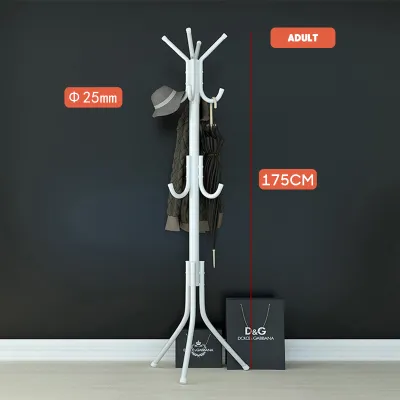
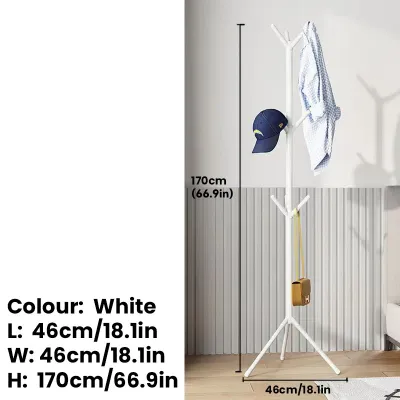
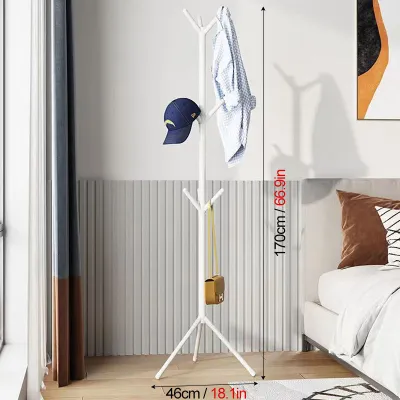
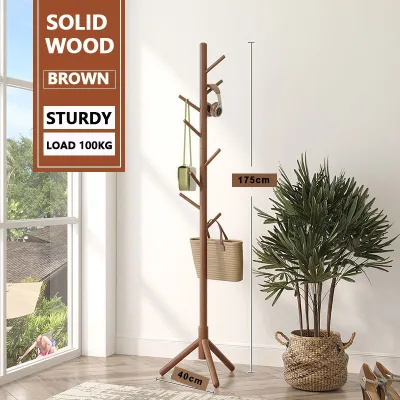
Prices are valid at publication and may change. Please refer to the product page for the latest price.
You must also account for the depth of your largest, most structured handbags when they are fully packed or stuffed with tissue. A shelf or hook system that projects too far from the wall can turn a narrow hallway or bedroom walkway into an awkward obstacle course. Measure the depth of your widest tote or duffel bag and compare it to the projection of the shelving unit to ensure comfortable clearance for daily movement.
Calculating Weight Capacity and Structural Safety
Handbags can be surprisingly heavy, especially those crafted from thick full-grain leather or adorned with dense metal hardware, chains, and buckles. To prevent structural failure, gather your entire collection and estimate its cumulative weight. If you own several large totes or structured top-handle bags, weigh a few of them on a luggage scale to establish a realistic baseline, then add a safety margin of at least twenty percent to account for items you might leave inside the bags.

Never rely on general assumptions about a material’s strength, such as assuming all steel racks can support unlimited weight. Instead, carefully review the manufacturer’s specifications for both the individual hook or shelf capacity and the overall maximum load limit of the entire system. A high-quality stand for bag storage will clearly state these limits in its product manual or specification sheet.
Consider how weight is distributed across the design of the stand. A single long rail with multiple hooks concentrates all the downward force along a narrow horizontal line, which can put immense stress on your wall anchors if loaded with heavy leather pieces. In contrast, a vertical track system or a wide multi-tier shelf distributes the weight over a larger surface area, reducing the risk of the mounting brackets pulling loose or damaging your wall finish.
Comparing Wall-Mounted Designs for Maximum Vertical Storage
Choosing the right configuration depends on the mix of bag styles in your collection. Track and hook systems, often featuring vertical standards with adjustable brackets, offer the highest level of flexibility. As your collection grows or changes from small clutches to oversized shoulder bags, you can easily slide, raise, or lower individual hooks and shelves to accommodate different heights without drilling new holes in your walls.
For structured handbags that lose their shape or suffer creasing when hung by their straps, fixed shelves and shallow display ledges are a practical choice. These flat surfaces provide stable support for the base of the bag, keeping them upright and beautifully displayed. However, fixed shelves require a permanent commitment to vertical clearance, meaning you must plan the spacing carefully during the initial installation to fit your tallest items.
If your condo bedroom or walk-in closet is exceptionally tight, consider foldable rails or minimalist pegboard designs. These systems feature hooks or pegs that can be folded flat against the wall or rearranged when not in use. This minimalist approach preserves valuable visual space, preventing a small room from feeling cluttered or closed in, while still providing reliable storage when your collection is on display.
Installation Hardware and Ongoing Safety Checks
The safety of your wall-mounted installation relies heavily on the quality of the mounting hardware. Do not automatically trust the generic plastic wall plugs and screws that come packaged with budget storage units. If you are mounting into concrete, invest in high-quality masonry expansion anchors; for drywall, opt for heavy-duty metal toggle bolts that expand behind the wall board to distribute the load safely. Spending an extra ₱300 on professional-grade anchors is a small price to pay for peace of mind.
During the installation process, always use a spirit level to ensure every rail, shelf, and track is perfectly horizontal. Even a slight tilt can cause heavy bags to slide toward one side, concentrating the weight unevenly and potentially causing hooks to bend or slide off. Double-check your measurements and mark your drill holes precisely before making any permanent alterations to your condo walls.
Once installed, your wall-mounted bag stand requires regular maintenance to ensure it remains secure over time. Set a reminder to inspect the unit every few months, checking for loose screws, hairline cracks in the surrounding plaster, or any visible bending in the metal brackets. If you notice any play in the frame or gaps forming between the wall and the stand, establish a strict stop-condition: immediately unload all bags and reinforce the mounting hardware before using the system again.
Frequently Asked Questions (FAQ)
Can I install a heavy-duty bag stand on drywall?
Yes, you can install a bag stand on drywall, but you must take specific structural precautions to prevent the weight from tearing through the plasterboard. Standard drywall has very low shear strength, meaning you should never rely on basic plastic expansion anchors for heavy loads. Instead, use a stud finder to locate the wooden or metal framing studs behind the drywall and secure the main brackets directly into them. If the studs do not align with your desired placement, you must use heavy-duty metal toggle bolts or hollow-wall anchors rated for the total weight of your collection, and strictly adhere to the load limits specified in the product manual.
How do I prevent leather bags from getting damaged on wall hooks?
To protect your valuable leather handbags from permanent damage, avoid hanging them on thin, sharp metal hooks that can crease or stretch the leather straps over time. Look for bag stands that feature wide, rounded hooks, or those with soft anti-slip coatings like silicone or rubber to distribute the weight of the strap evenly. For heavy totes, consider placing a small piece of felt or a dedicated strap protector over the hook. Additionally, avoid leaving heavy items inside your bags while they are hanging, and periodically rotate your collection between hanging hooks and flat shelves to give the leather straps time to recover their natural shape.

Community discussion
Share your experience or ask a question. Comments are reviewed before publication.