
Selecting a cabinet for clothes wooden construction requires careful consideration when living in a tropical climate characterized by high relative humidity and seasonal temperature shifts. In the Philippines, where indoor humidity levels can frequently exceed 80 percent, choosing the wrong material can lead to warped doors, sagging shelves, mold growth, and termite infestations. While many homeowners assume that solid wood is the only viable option, the reality is that modern manufacturing techniques, protective coatings, and structural designs play a far more critical role in a wardrobe’s longevity than the raw material category alone. To make an informed investment, you must evaluate how different wood types behave under moisture stress and identify the specific build features that prevent environmental degradation.
Evaluating Common Wood Materials for Humidity Resistance
When shopping for a cabinet for clothes wooden options generally fall into three primary categories: solid hardwood, plywood, and engineered wood products like medium-density fiberboard (MDF) or particleboard. Each material reacts differently to ambient moisture, and understanding these fundamental behaviors is the first step in selecting a durable wardrobe. However, a material’s name alone does not guarantee performance; the quality of the factory finishes, edge sealing, and protective laminates ultimately dictates how well the furniture resists warping and dampness in a tropical home.
Solid Wood Characteristics
Solid wood is a natural, cellular material that remains hygroscopic, meaning it continuously absorbs and releases moisture from the surrounding air. In a highly humid environment, solid wood fibers expand, which can cause cabinet doors to stick, drawers to bind, and joints to experience structural stress. Conversely, during drier periods, the wood contracts, potentially leading to hairline cracks along the grain if the material was not properly seasoned. To mitigate this natural movement, you must verify that the manufacturer has used kiln-dried timber, a process that stabilizes the wood’s internal moisture content before fabrication. Additionally, check that all surfaces—including the underside of shelves and the back panels—are sealed with a high-quality polyurethane, lacquer, or oil finish to limit moisture absorption.
Products mentioned in this guide
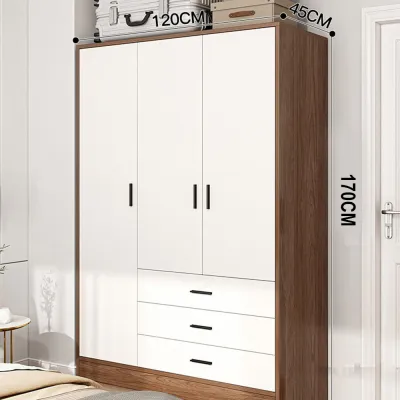
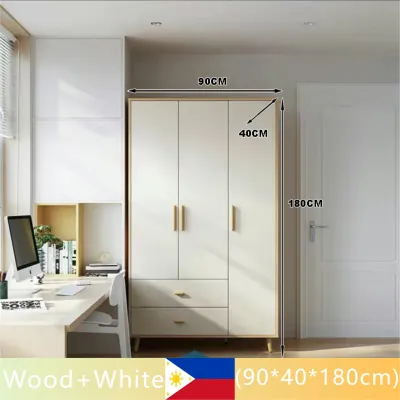
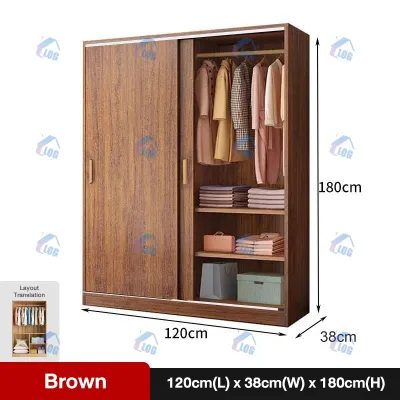
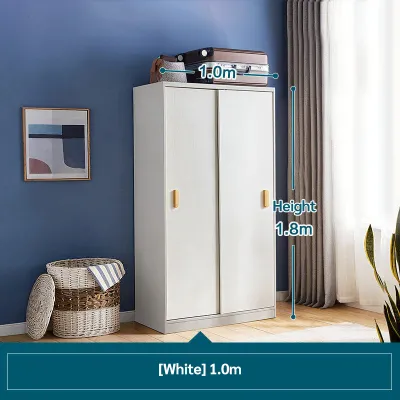
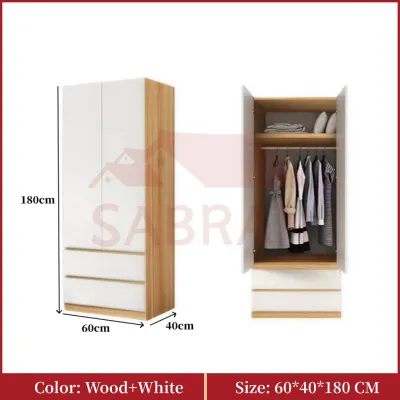
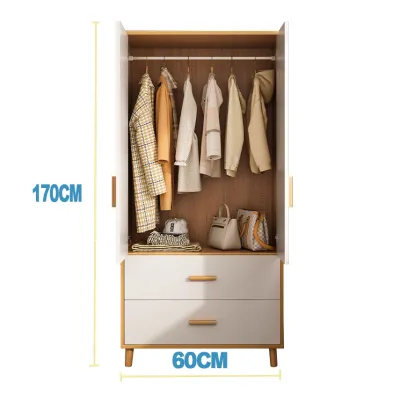
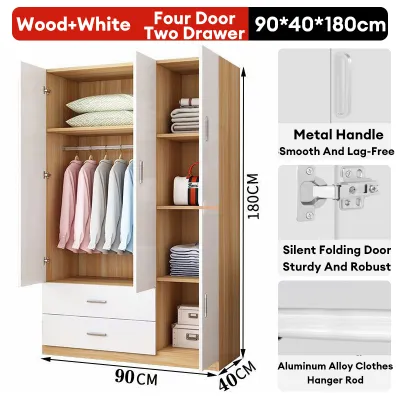
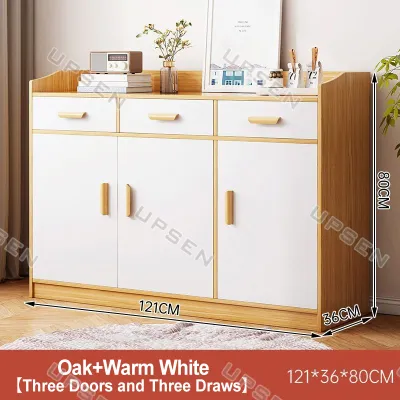
Prices are valid at publication and may change. Please refer to the product page for the latest price.
Plywood Structural Stability
Plywood is constructed by gluing together thin layers of wood veneer in a cross-grain pattern, with each layer running perpendicular to the next. This cross-laminated structure provides exceptional dimensional stability, making plywood highly resistant to warping, twisting, and cracking even when exposed to fluctuating humidity levels. For this reason, high-grade plywood is widely considered one of the most reliable materials for cabinet boxes and shelving in tropical climates. When evaluating a plywood cabinet, pay close attention to the exposed edges; these areas are highly vulnerable to moisture penetration. Ensure the cabinet features robust edge banding or laminated surfaces that completely seal the core layers, preventing moisture from seeping between the veneers and causing delamination over time.
Engineered Wood (MDF and Particleboard) Limits
Engineered wood products, such as MDF and particleboard, are made from wood fibers or chips bonded together with synthetic resins under heat and pressure. While these materials offer a smooth surface and are highly cost-effective, standard grades are highly susceptible to moisture damage. If water vapor penetrates an unsealed edge, the fibers will swell, causing the board to bloat, crumble, and lose its structural integrity. To avoid premature failure, never place unsealed engineered wood cabinets directly on damp tiled floors or flush against exterior concrete walls where condensation accumulates. Instead, look for products specifically labeled as moisture-resistant (MR) or high-moisture-resistant (HMR), which utilize specialized waterproof resins, and verify that every square inch of the board is fully sealed with a protective laminate or melamine foil.
Essential Build Features to Verify Before Purchase
Beyond selecting the core material, you must inspect the physical construction and specifications of the wardrobe to ensure it can withstand a humid environment. Begin by examining the edge banding on all panels, particularly on the bottom edges of the cabinet sides and the rear edges of the shelves. High-quality edge banding should be thick, flush with the surface, and show no signs of peeling, gaps, or visible glue lines, as even a microscopic opening can allow humid air to compromise the inner wood core.

Next, evaluate the surface finishes applied to the cabinet. Whether the wardrobe uses natural wood veneer, high-pressure laminate (HPL), or a painted polyurethane coating, the coverage must be absolute. Manufacturers sometimes leave the back panel, the underside of the top crown, or the interior drawer boxes unfinished to save on production costs. In a tropical climate, these raw, exposed areas act like sponges for ambient moisture, leading to localized swelling and mold colonization. Ensure that every surface you cannot easily see is finished to the same standard as the front doors.
Hardware quality is another critical indicator of a cabinet’s long-term durability. Humid air accelerates the oxidation of low-grade metals, leading to rusted hinges, stiff drawer slides, and compromised structural joints. Look for cabinets equipped with stainless steel or rust-resistant coated hardware, preferably with soft-close mechanisms that reduce physical impact on the wooden frame. If the hinges or tracks begin to rust, they can bind and put excessive leverage on the wood screws, eventually stripping the mounting holes and causing doors to sag.
Before finalizing your purchase, review the product manual or manufacturer specifications for concrete details rather than relying on vague marketing claims. Check for explicit moisture-resistance ratings, such as MR or HMR certifications for engineered components, and inquire about integrated termite-treatment declarations. Additionally, apply practical furniture selection rules: measure your available floor space and ceiling height carefully, ensuring there is sufficient clearance for delivery through doorways, stairwells, or condominium lifts. Verify the manufacturer’s stated load capacity for shelves and hanging rods to prevent structural sagging, and check that the cabinet design includes stable leveling feet and secure wall-anchoring hardware to prevent tip-over hazards on uneven floors.
Placement and Maintenance Strategies for Longevity
Even the most resilient wooden cabinet requires proper placement and routine maintenance to survive a humid climate. When positioning your wardrobe, avoid placing it flush against exterior concrete walls, which tend to transfer outdoor heat and moisture directly into your living space. Maintain a clearance of at least 5 to 10 centimeters between the back of the cabinet and the wall to facilitate continuous air circulation. This simple gap prevents cool, stagnant air from trapping condensation behind the wardrobe, which is a primary catalyst for mold growth and wood rot.
Inside the cabinet, managing the microclimate is essential for protecting both the wooden structure and your clothing. Consider placing standalone dehumidifiers or disposable moisture-absorbing canisters on the closet floor or hanging them from the wardrobe rods. Always follow the manufacturer’s instructions for these products, ensuring they do not leak liquid onto the wooden shelves, and replace them promptly once they reach capacity. For larger walk-in closets, running a small electronic dehumidifier during the peak of the rainy season can dramatically lower ambient humidity levels.
Establish a routine of visual inspections to catch environmental damage before it becomes irreversible. Every few months, empty the cabinet and inspect the back corners, bottom shelves, and drawer interiors for early signs of mold, localized wood swelling, or fine wood dust (frass) that indicates pest activity. If you suspect termite or wood-boring insect intrusion, do not attempt to spray generic chemical pesticides inside the cabinet, as these can damage the protective wood finishes and contaminate your clothing; instead, contact a qualified pest control professional to assess the situation.
When cleaning your wooden cabinet, avoid using excessive water, wet mops, or harsh chemical solvents that can degrade the protective polyurethane or laminate coatings. Instead, wipe down the surfaces with a slightly damp microfiber cloth to remove dust, and immediately follow with a dry, clean cloth to absorb any residual moisture. If you need to clean a stubborn spot, use a highly diluted, pH-neutral soap solution, ensuring you dry the area completely to prevent water from pooling in the joints or seams.
Frequently Asked Questions (FAQ)
Is solid wood always a better investment than engineered wood for humid areas?
Not necessarily. While high-quality, kiln-dried solid wood offers exceptional longevity and can be refinished, a poorly sealed solid wood cabinet can warp and crack far more quickly than a well-constructed engineered wood alternative. An engineered board, such as HMR MDF or high-grade plywood, that is completely sealed with thick edge banding and a high-pressure laminate face often provides superior moisture resistance at a lower price point. When choosing between the two, you should prioritize the quality of the protective finishes, edge treatments, and hardware specifications over broad material classifications.
What are the early visual signs of moisture or termite damage to look for?
Early warning signs of moisture damage include bubbling or lifting laminate edges, doors that no longer align or close smoothly, stiff or squeaking hinges, and dark, damp-looking spots in the unfinished interior corners of the cabinet. Termite or wood-boring insect activity is typically signaled by the appearance of tiny, pin-sized holes in the wood panels, hollow-sounding sections when tapped, or small, localized piles of fine wood dust (frass) near the base or inside drawers. If you observe these indicators, immediately empty the cabinet, check your garments for damage, and consult a professional to address the underlying moisture or pest issue before the structural integrity of the wardrobe is compromised.

Community discussion
Share your experience or ask a question. Comments are reviewed before publication.