
Finding the ideal wooden drawer cabinet for clothes storage in the Philippines requires balancing aesthetic appeal with practical durability. In a tropical climate characterized by high humidity and distinct wet and dry seasons, your choice of furniture must withstand environmental stressors while keeping your wardrobe organized and mildew-free. A well-constructed cabinet not only enhances your bedroom decor but also protects your garments from dust, moisture, and pests. To make an informed investment, you must look beyond surface appearance and evaluate the structural integrity, material composition, and functional design of each piece.
Evaluating Build Quality and Hardware
The longevity of a wooden drawer cabinet depends heavily on its moving parts and structural joints. When shopping for a cabinet for clothes wood drawers, start by examining the drawer slides. Metal ball-bearing slides offer smoother operation and greater durability than simple plastic rollers or wood-on-wood runners. Look for manufacturer specifications detailing the weight capacity of the slides, especially if you plan to store heavy textiles like denim, bedsheets, or winter wear. High-quality slides prevent drawers from sagging, sticking, or pulling completely out of the frame, ensuring safe daily use.
Next, inspect the joint construction of both the main frame and the individual drawer boxes. Dovetail joints, where interlocking wedge-shaped fingers connect the drawer front to the sides, are the gold standard for durability because they resist pulling forces. Mortise-and-tenon or dowel joints also provide excellent structural stability for the main cabinet frame. Avoid cabinets held together solely by staples, thin nails, or basic glue, as these connections can loosen over time under the weight of stored clothing and frequent opening.
Products mentioned in this guide
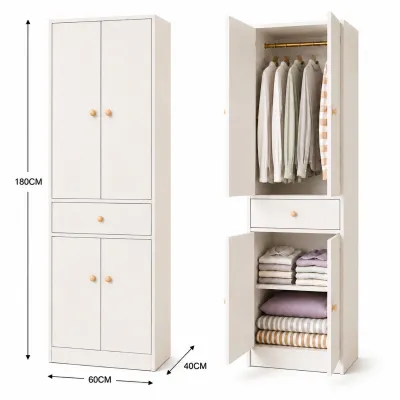
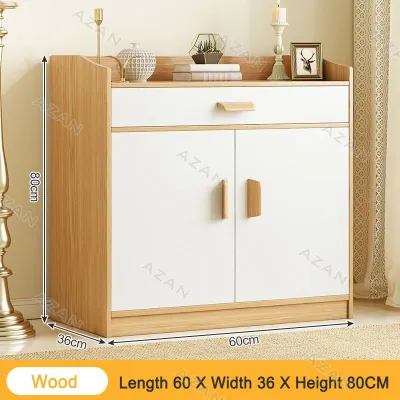
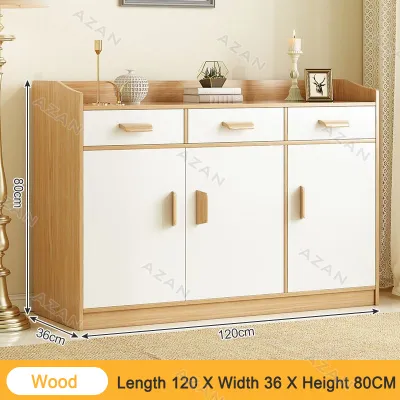

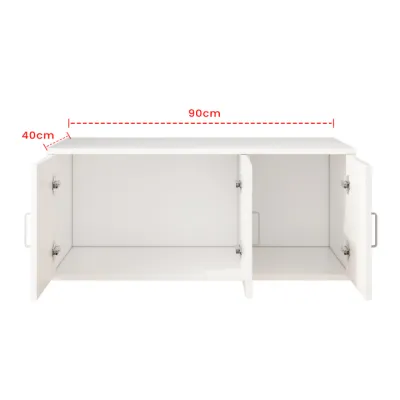
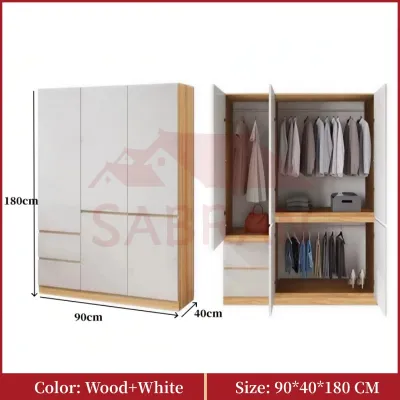
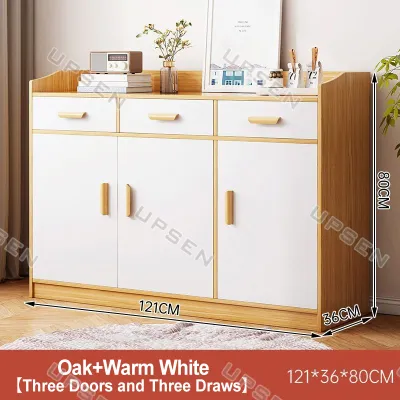
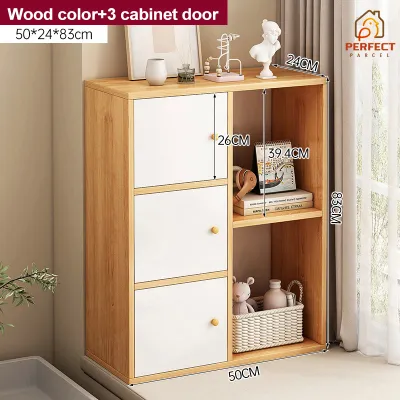
Prices are valid at publication and may change. Please refer to the product page for the latest price.
The thickness and reinforcement of the base panels are equally critical. Check the bottom panel of each drawer; thin, unsupported plywood or fiberboard sheets are prone to bowing and popping out of their grooves when loaded with clothes. Look for drawers that feature thick bottom panels or reinforcing support slats underneath. Similarly, the bottom panel of the entire cabinet frame should be robust enough to support the cumulative weight of all loaded drawers without bending or touching the floor, which can cause dragging and damage to your flooring.
Understanding Wood Materials and Finish Labels
Selecting the right wood material involves understanding how different options perform in the Philippine climate. Solid wood, such as locally sourced mahogany, acacia, or gmelina, offers exceptional strength and a classic natural grain. However, solid wood naturally expands and contracts in response to changes in humidity. To prevent warping or cracking, verify that the manufacturer has properly kiln-dried the timber before assembly and applied a high-quality protective sealant, such as polyurethane or lacquer, to block moisture absorption.

Engineered wood products, including plywood, medium-density fiberboard (MDF), and particleboard, offer budget-friendly alternatives but require careful inspection. Plywood consists of layered wood veneers glued together, providing excellent resistance to warping and moisture compared to other engineered options. MDF and particleboard are made from compressed wood fibers or chips; while they offer flat, uniform surfaces ideal for modern designs, they are highly susceptible to swelling and structural failure if exposed to liquid water or extreme humidity. When considering engineered wood, check the product specifications for moisture-resistant ratings or protective laminate coverings.
It is also important to distinguish between solid wood and wood veneers or laminates. A wood veneer is a thin layer of real hardwood bonded to an engineered wood core, giving the appearance of solid wood at a lower weight and cost. Laminates, on the other hand, are synthetic materials printed with a wood grain pattern. While laminates are highly scratch-resistant and easy to clean, they cannot be sanded down or refinished if damaged. When comparing options, such as a ₱15,000 solid wood chest versus a ₱5,000 engineered wood alternative, check the construction details and finish quality rather than assuming price alone dictates durability.
Matching Drawer Configurations to Your Wardrobe
An effective clothes storage system relies on matching the drawer layout to the specific types of garments you own. Shallow drawers, typically measuring 10 to 15 centimeters in depth, are highly efficient for organizing smaller items such as undergarments, socks, light t-shirts, and accessories. Storing these items in shallow compartments prevents them from becoming buried under larger pieces, reducing the need to rummage through the drawer and disrupt your organization.
Deep drawers, measuring 20 centimeters or more in depth, are essential for bulky items like jeans, sweaters, jackets, and extra bed linens. These larger compartments allow you to stack or vertically fold heavier garments without compressing them excessively. However, avoid overloading deep drawers, as excessive weight can strain the drawer slides and make the unit difficult to open. Balancing your cabinet layout with a mix of shallow and deep drawers ensures that every category of clothing has an appropriate home.
To maximize the efficiency of your drawer space, consider incorporating modular inserts or adjustable dividers. These accessories allow you to customize the interior compartment sizes to fit your specific wardrobe needs. For example, you can divide a wide, shallow drawer into smaller grids for rolled socks or ties, or partition a deep drawer to keep folded jeans neatly separated. Look for cabinets that offer built-in dividers or choose aftermarket organizers that match the internal dimensions of the drawers.
Space Planning and Delivery Access Checks
Before purchasing a wooden drawer cabinet, precise space planning is necessary to ensure a seamless fit in your bedroom. Measure the available floor space, keeping in mind the clearance required for fully extended drawers. You should allow at least 90 to 100 centimeters of open space in front of the cabinet so you can stand comfortably and pull the drawers out completely without hitting your bed, doors, or other furniture. Additionally, ensure the cabinet does not block light switches, electrical outlets, or air conditioning vents.
Delivery access is a frequently overlooked aspect of furniture shopping that can cause significant complications. Measure the width and height of all doorways, hallways, stairwells, and elevator doors through which the cabinet must pass to reach your bedroom. Solid wood cabinets are often delivered fully assembled and can be exceptionally heavy and rigid. If your home has tight corners or narrow staircases, verify if the cabinet can be delivered flat-packed for on-site assembly, or confirm that the delivery team can safely navigate your building’s layout.
Once the cabinet is in your room, assess the floor leveling and stability of the unit. Uneven floors, common in tiled or older homes, can cause the cabinet to wobble, which misaligns the drawers and strains the frame. Look for cabinets equipped with adjustable leveling feet, or use shim pads to stabilize the base. For safety, especially with tall drawer units, always plan to anchor the cabinet to the wall. Pulling out multiple loaded drawers shifts the center of gravity forward, creating a serious tip-over hazard that wall anchors easily prevent.
Routine Care and Safety Maintenance
Preserving the beauty and functionality of your wooden drawer cabinet requires a consistent maintenance routine tailored to its specific finish. For daily cleaning, use a dry, soft microfiber cloth to remove dust. If a deeper clean is necessary, use a slightly damp cloth with a mild, pH-neutral soap, and dry the surface immediately to prevent moisture from penetrating the wood grain. Avoid using harsh chemical cleaners, abrasive pads, or silicone-based polishes, which can degrade protective sealants and leave a sticky residue that attracts dust.
Regular hardware maintenance ensures smooth operation and prevents premature wear. Periodically inspect the drawer tracks and apply a light lubricant, such as silicone spray or paraffin wax for wood-on-wood runners, to keep them sliding effortlessly. Check all screws, handles, and brackets every few months, tightening any that have loosened from daily use. This simple step prevents handles from stripping and keeps the drawer fronts securely attached to the drawer boxes.
Finally, remain vigilant for structural warning signs that indicate your cabinet needs attention. If a drawer begins to stick consistently, check for overloaded contents, misaligned tracks, or localized wood swelling due to humidity. Look out for sagging drawer bottoms or gaps forming at the joints, which suggest the weight limit has been exceeded. If you notice fine wood dust or tiny holes in solid wood components, inspect for wood-boring insects and consult a professional pest control service immediately to protect your furniture and home.
Frequently Asked Questions (FAQ)
Can I place a wooden drawer cabinet directly against an exterior wall?
It is generally not recommended to place a wooden cabinet directly against an exterior wall, particularly in humid tropical climates. Exterior walls can transfer moisture and temperature fluctuations from the outdoors, creating a damp microclimate behind the furniture. This trapped moisture encourages mold and mildew growth, which can ruin both the wood finish and your stored clothing. To prevent this, leave a gap of at least 5 to 10 centimeters between the back of the cabinet and the wall to allow for proper air circulation.
How do I fix a wooden drawer that sticks or won't close properly?
To fix a sticking drawer, first empty its contents and remove the drawer from the cabinet frame. Inspect the metal tracks for dirt, debris, or loose screws, and clean them with a dry cloth before tightening any hardware. If the cabinet uses wooden runners, rub a block of paraffin wax or a candle along the contact points to reduce friction. If the wood has swollen due to high seasonal humidity, you may need to wait for the dry season or use a dehumidifier in the room; avoid sanding the wood down unless the sticking persists during dry periods, as it may shrink back to its original size.
Are engineered wood cabinets safe for heavy clothing storage?
Engineered wood cabinets, such as those made from high-quality plywood or dense MDF, can safely store heavy clothing if they are designed with proper structural reinforcements. Always check the manufacturer’s specified weight limits for both the individual drawers and the overall unit. Look for design features like thick back panels, central support rails under the drawers, and sturdy metal hardware. Avoid overloading engineered wood drawers beyond their rated capacity, as prolonged excessive weight can cause the material to bow or sag permanently.

Community discussion
Share your experience or ask a question. Comments are reviewed before publication.