
Maximizing storage in a compact Philippine kitchen requires smart vertical planning, especially when floor space is at a premium. Traditional wooden or medium-density fiberboard (MDF) cabinets often struggle against the country’s intense tropical humidity, which can lead to warping, mold growth, and pest infestations. Aluminium hanging kitchen cabinets have emerged as a highly practical alternative, offering a lightweight, moisture-resistant, and durable structure that thrives in warm, damp environments.
Finding the ideal hanging cabinet involves more than just picking an attractive design from an online marketplace. Because these units are suspended above countertops and prep areas, you must balance aesthetic appeal with structural safety, precise measurements, and functional interior layouts. A well-chosen cabinet not only keeps your cooking essentials organized but also ensures that your kitchen remains a safe and efficient workspace for years to come.
To make an informed decision, you need to evaluate your kitchen’s physical constraints, the quality of the cabinet’s construction, and how the interior space can be optimized. By focusing on verifiable product specifications and structural requirements, you can select a hanging cabinet that fits your space perfectly and stands up to the demands of daily meal preparation.
Products mentioned in this guide
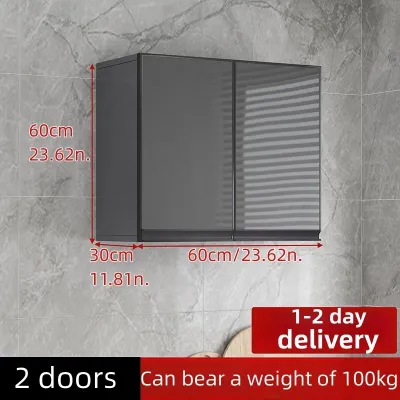
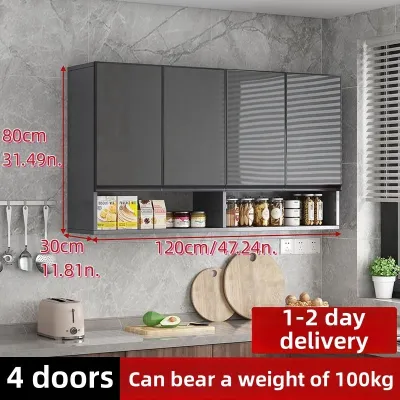
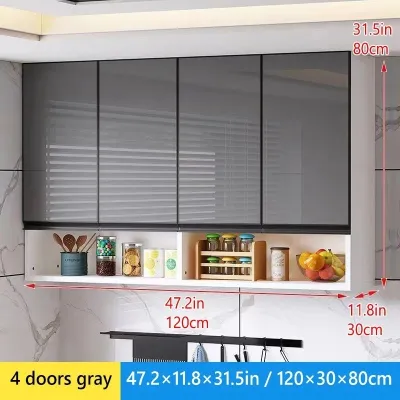
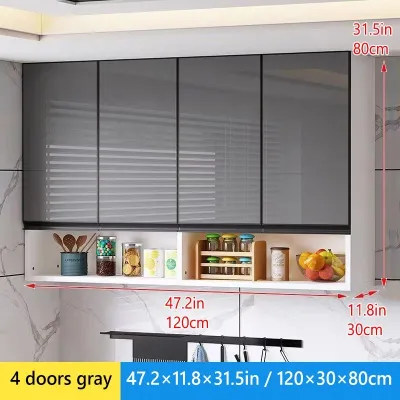
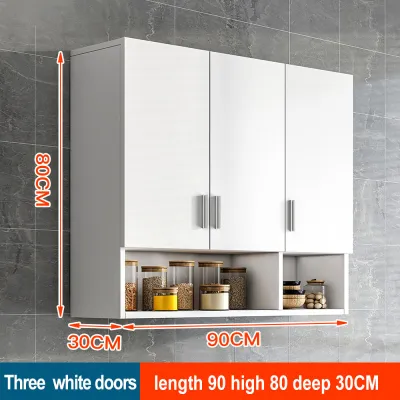
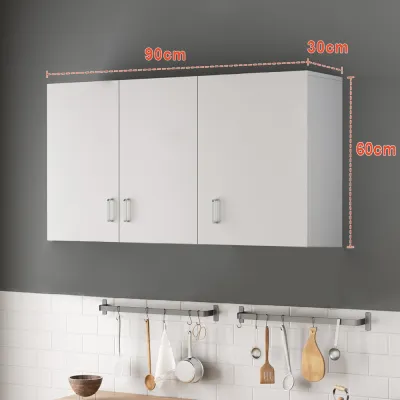
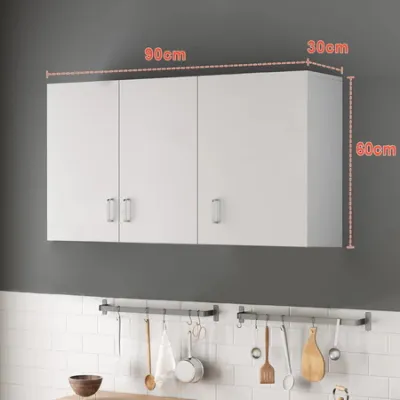
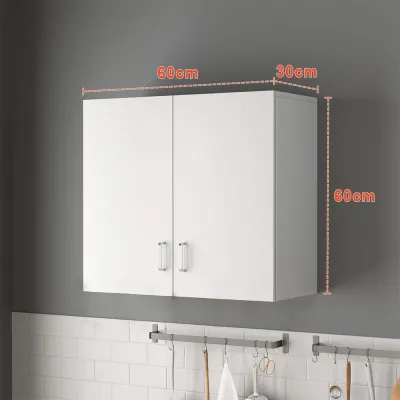
Prices are valid at publication and may change. Please refer to the product page for the latest price.
Assessing Wall Space and Load-Bearing Capacity for Hanging Cabinets
Before purchasing any wall-mounted furniture, you must thoroughly assess the intended installation site to prevent structural failures or accidents. Begin by measuring the available vertical and horizontal wall clearance with a reliable tape measure. It is crucial to account for existing fixtures such as wall-mounted range hoods, windows, light switches, and overhead lighting. Ensure there is sufficient clearance between the bottom of the hanging cabinet and your countertop—typically a minimum of 45 to 60 centimeters—to allow for comfortable food preparation and the safe operation of small appliances like rice cookers or blenders.
The composition of your kitchen wall dictates the type of mounting hardware and installation method required. In many Philippine homes, walls are constructed from concrete or concrete hollow blocks, while modern condominiums may utilize drywall or fiber cement boards over metal studs. Heavy aluminium cabinets require robust anchoring; mounting them directly onto drywall without securing them to structural studs can lead to wall failure. Always check the manufacturer’s specifications to identify the recommended anchor types, such as sleeve anchors for solid concrete or toggle bolts for hollow walls, and verify if your wall type can support the dead weight of the cabinet itself.
Beyond the weight of the empty cabinet, you must calculate the estimated load capacity based on what you plan to store inside. If you intend to store heavy items like cast-iron skillets, clay pots, or stacks of ceramic dinnerware, you will require a cabinet with reinforced joints and heavy-duty mounting brackets. Conversely, if the cabinet is meant solely for lightweight dry goods, spices, and plastic food containers, a standard-duty model will suffice. Estimating this load beforehand prevents overloading the shelves and ensures you select a cabinet rated for your specific storage needs.
Evaluating Aluminium Build and Hardware for Kitchen Environments
While aluminium is inherently resistant to rust, the overall durability of a hanging cabinet depends heavily on the quality of its materials and construction. When browsing product listings or visiting local showrooms, check the thickness and grade of the aluminium panels and frames. High-quality cabinets typically feature thicker extruded aluminium profiles that resist denting and bending under pressure. Look for detailed specification sheets or product labels that explicitly state the metal’s thickness, as thin, low-grade aluminium sheets can easily warp or rattle when doors are opened and closed.

It is a common misconception that an aluminium cabinet is entirely immune to corrosion. While the main panels will not rust, the cabinet’s moving parts—such as hinges, drawer slides, magnetic catches, and handles—are often made from different metals. If these hardware components are crafted from low-grade steel, they can quickly rust in a humid kitchen environment, leading to squeaky doors, stiff hinges, and eventual failure. Verify that all integrated hardware is made from corrosion-resistant materials, such as high-grade stainless steel or brass, to ensure smooth operation over time.
The exterior finish of the cabinet also plays a vital role in maintenance and longevity. Look for cabinets with high-quality surface treatments, such as powder coating or anodizing, which provide an extra layer of protection against scratches, kitchen grease, and moisture. A smooth, non-porous finish makes it much easier to wipe away cooking oil splatters, steam residue, and dust. Avoid finishes that feel rough or uneven, as these textures can trap grease and grime, making the cabinet difficult to clean without abrasive scrubbers that might damage the surface.
Selecting Interior Layouts to Maximize Compact Storage
An efficient interior layout is essential for maximizing the utility of a small kitchen cabinet. When space is limited, fixed shelving can result in wasted vertical space, leaving large gaps above shorter items like spice jars or canned goods. Opting for cabinets with adjustable shelving allows you to customize the interior height of each compartment to match your specific storage items. This flexibility ensures that every cubic centimeter of the cabinet is utilized effectively, allowing you to store tall oil bottles and short condiment jars in the same unit.
For hard-to-reach upper shelves, specialized interior accessories can dramatically improve accessibility and organization. Consider cabinets that accommodate pull-down racks, which bring high-up items down to eye level with a simple pull, reducing the need for step stools. Tiered shelf inserts, lazy Susans, and door-mounted organizers are also excellent additions for keeping small items visible and preventing them from getting lost in the back of deep shelves. These organizational tools help maintain order and ensure that frequently used ingredients are always within arm’s reach.
The mechanism of the cabinet doors is another critical factor in tight kitchen layouts. Traditional swing doors require clear space in front of the cabinet to open fully, which can obstruct narrow walkways or collide with adjacent doors and light fixtures. In compact kitchens, sliding doors or upward-folding hydraulic doors are often superior choices. Sliding doors glide smoothly along a track without protruding into the room, while hydraulic lift-up doors swing upward and out of the way, keeping the workspace clear and preventing accidental head bumps while you cook.
Building Your Shortlist: What to Verify Before Buying
Before finalizing your purchase from an online marketplace or a local furniture retailer, compile a shortlist of candidate cabinets and subject them to a rigorous verification process. Double-check the exact exterior dimensions of each model, paying close attention to the depth of the cabinet. A cabinet that is too deep can make the workspace beneath it feel cramped and may obstruct your view of the countertop. Ensure that the cabinet’s width aligns perfectly with your measured wall space, leaving a few centimeters of clearance near walls or corners to allow doors to open without scraping.
Carefully review the assembly and installation requirements for each product on your shortlist. Some aluminium cabinets are delivered fully assembled, while others arrive flat-packed and require complete self-assembly. Check if the package includes all necessary mounting hardware, such as wall brackets, screws, and anchors, or if you will need to purchase these separately. Because mounting heavy cabinets securely to concrete or drywall requires specialized tools like hammer drills and levelers, consider whether you have the skills to complete the installation safely or if you should hire a qualified local professional.
Finally, protect your investment by examining the seller’s policies and customer feedback on e-commerce platforms. Look for sellers with high ratings and positive reviews that specifically mention the product’s packaging quality and structural integrity upon arrival. Check the manufacturer’s warranty terms to see if they cover structural defects, rust, or damaged hardware, and verify the platform’s return policy in case the cabinet arrives with transit damage. Taking these precautionary steps helps ensure a smooth purchasing experience and guarantees that you receive a high-quality product that meets your expectations.
Frequently Asked Questions (FAQ)
Do aluminium cabinets require special cleaning products?
No, aluminium cabinets do not require specialized or expensive cleaning agents. To maintain their appearance, check the manufacturer’s care instructions for any specific finish requirements. For routine cleaning, a soft microfiber cloth dampened with mild dishwashing soap and warm water is generally sufficient to remove grease and dust. Avoid using abrasive scrubbers, steel wool, or harsh chemical cleaners containing bleach or ammonia, as these can scratch the powder-coated or anodized finish and dull the metal’s surface over time.
Can I install hanging cabinets on hollow block walls?
Yes, you can install aluminium hanging cabinets on concrete hollow block walls, but you must use the correct hardware and installation techniques. Standard plastic wall plugs are often insufficient for hollow blocks; instead, use heavy-duty masonry anchors, sleeve anchors, or toggle bolts designed specifically for hollow masonry. It is highly recommended to consult with a qualified professional or the cabinet manufacturer to verify the load limits of your wall and ensure that the mounting brackets are anchored securely into the solid portions of the blocks for maximum safety.

Community discussion
Share your experience or ask a question. Comments are reviewed before publication.