
An elegant bed headboard does more than keep pillows from sliding off the mattress; it serves as the definitive visual anchor of your entire bedroom. When you enter a sleeping space, your eyes are naturally drawn to the bed, making the headboard the center of your design narrative. Choosing the right style requires a balance of aesthetics, proportions, and material suitability, especially when tailoring your choice to a specific design theme.
In the Philippines, where bedroom environments must balance comfort with tropical climate considerations like high humidity, selecting a headboard involves both visual and practical decisions. Whether you are aiming for a clean, modern look, celebrating local heritage, or creating an opulent retreat, the perfect headboard harmonizes your room’s architecture with your personal style.
Defining Your Bedroom's Core Design Aesthetic
Before browsing different headboard options, it is essential to evaluate your current or planned bedroom decor to establish a clear design baseline. An elegant bed headboard should never look like an afterthought; instead, it must feel integrated with the room’s color palette, lighting layout, and existing furniture. Take a step back and look at the dominant elements in your space—such as the wood tones of your wardrobe, the finish of your bedside tables, and the amount of natural light entering through your windows.
Products mentioned in this guide


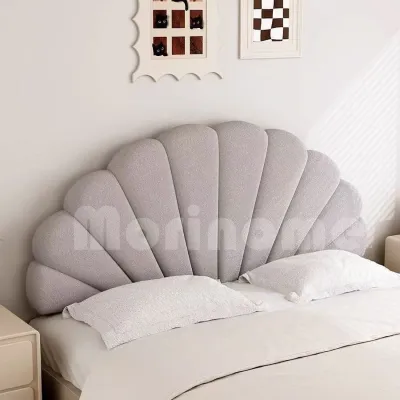
Prices are valid at publication and may change. Please refer to the product page for the latest price.
Elegance is not a one-size-fits-all concept, nor does it require overly ornate details or gold-gilded frames. True elegance lies in visual cohesion and proper proportion. A simple, unadorned headboard can exude a highly sophisticated air if its scale matches the room’s ceiling height and its color complements the wall treatment behind it. By identifying your primary design theme first, you avoid the common pitfall of purchasing a beautiful standalone piece that clashes with the surrounding environment.
Matching Headboard Styles to Popular Bedroom Themes
To achieve a balanced look, your choice of headboard should align with your preferred interior design style. Different themes call for specific shapes, textures, and visual weights.

Modern Minimalist: Clean Lines and Subtle Textures
Modern minimalist design centers on simplicity, functionality, and the elimination of unnecessary clutter. For this aesthetic, an elegant bed headboard should support a streamlined, low-profile environment. Look for designs that feature straight edges, rectangular silhouettes, and geometric simplicity. Wall-mounted panels that stretch horizontally behind both the bed and the nightstands are an excellent choice, as they create a continuous, unbroken line that visually expands the room.
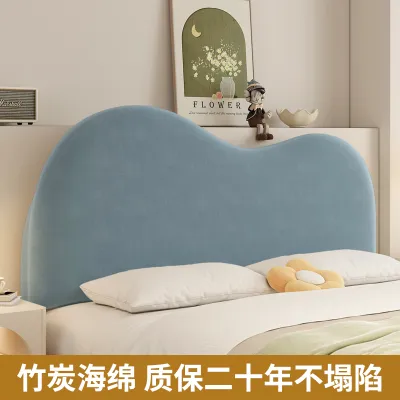
When it comes to materials, prioritize subtle, tactile textures over loud patterns. Lightly textured linen, matte-finished wood veneers, or smooth faux leather in neutral tones—such as warm beige, soft gray, or muted charcoal—work beautifully. These materials add just enough depth to prevent the room from feeling cold, without competing for visual dominance.
To maintain the clean sightlines characteristic of minimalist design, avoid features like heavy deep-button tufting, elaborate nailhead trims, or towering structures. A headboard that is too tall or overly detailed will disrupt the calm, uncluttered atmosphere of a minimalist sanctuary. Instead, focus on low-to-medium height headboards that sit just high enough to support your pillows while keeping the wall space above open and airy.
Classic Filipino: Natural Textures and Heritage Craftsmanship
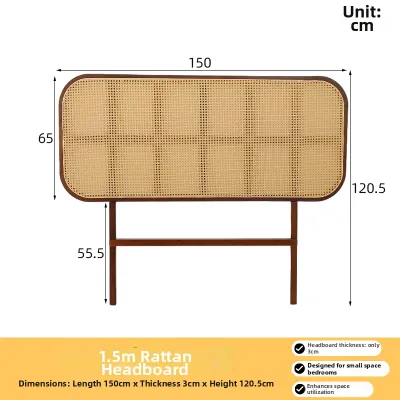
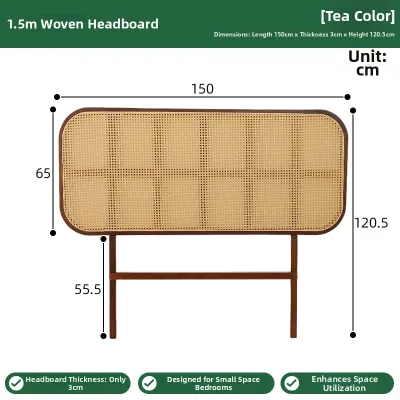
Classic Filipino design beautifully merges traditional heritage with tropical living, creating spaces that feel warm, inviting, and deeply connected to nature. To complement this theme, look for an elegant bed headboard crafted from natural materials like woven rattan, cane, bamboo, or solid local hardwoods. A headboard featuring intricate soliya (cane weaving) patterns framed in warm-toned wood adds an instant sense of history, light, and organic elegance to your bedroom.
These natural textures do more than look beautiful; they also possess a visual lightness that suits tropical interiors perfectly. Woven cane and rattan allow air to circulate, preventing the bed area from looking or feeling too heavy. When paired with crisp white linens and tropical indoor plants, a heritage-inspired headboard becomes a stunning focal point that celebrates local craftsmanship.
However, because of the humid climate in the Philippines, it is vital to verify the manufacturer’s finishing and sealing specifications before purchasing. Natural fibers and solid woods can be sensitive to moisture fluctuations if not treated properly. Do not assume a natural material is inherently moisture-resistant; always check the care instructions to ensure the piece has been sealed with a high-quality, protective topcoat designed to withstand humidity.
Contemporary Luxury: Bold Profiles and Premium Finishes
If your goal is to create a high-end, hotel-like retreat, the contemporary luxury theme is the perfect match. This aesthetic relies on bold statements, dramatic scales, and premium finishes to convey opulence. For a luxurious bedroom, choose an elegant bed headboard with a tall, imposing silhouette. Wingback designs, which curve forward at the sides to cradle the head of the bed, or extra-tall rectangular headboards that extend toward the ceiling, instantly establish a sense of grandeur.
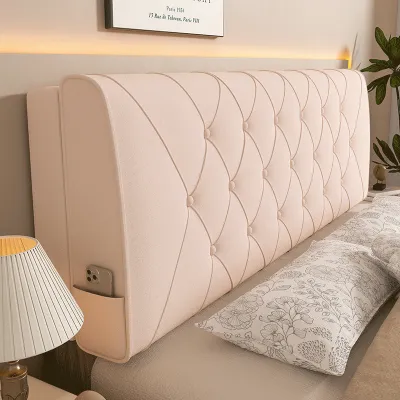
Upholstery is key to achieving a luxurious feel. Rich, plush fabrics such as velvet, high-grade leather, or heavy woven textiles with subtle metallic threads add incredible depth and glamour. Deep jewel tones like emerald green, sapphire blue, or rich plum create a dramatic contrast against neutral walls, while classic shades like cream, taupe, or charcoal offer a more understated, timeless luxury. Deep channel tufting or classic diamond tufting adds three-dimensional texture and shadow play, making the bed look exceptionally cozy and inviting.
Because luxury materials are a significant investment, always check the manufacturer’s fabric durability codes and cleaning instructions. Premium fabrics like velvet or genuine leather require specific care to maintain their luster and prevent wear. Ensure you are comfortable with the maintenance requirements before finalizing your choice, so your statement headboard remains pristine for years to come.
Sizing and Proportions for a Balanced Visual Weight
Even the most beautiful headboard will lose its elegance if its dimensions are mismatched with the rest of the room. Achieving the right proportion requires careful measurement of the bed frame, the mattress height, and the overall room dimensions.
For width, the standard rule is that a headboard should match the width of your bed frame (whether double, queen, or king size) or extend slightly beyond it. A headboard that extends 5 to 10 centimeters past each side of the mattress frame creates a more custom, built-in look and prevents the bed from looking cramped. If you want a truly dramatic effect, you can opt for an extra-wide headboard that spans behind your bedside tables, anchoring the entire sleeping zone.
Height is another critical factor. Consider your ceiling height and the thickness of your mattress and pillow stack. A standard headboard typically sits around 120 to 140 centimeters high from the floor. If you have high ceilings, a taller headboard (150 centimeters or more) can help fill the vertical void and balance the room’s proportions. Conversely, in rooms with lower ceilings, a low-profile headboard is preferred to keep the space from feeling compressed. Remember to account for your pillows; you want enough of the headboard’s design to remain visible even when your bed is fully made with decorative shams.
Do not overlook the thickness and depth of the headboard. Plush, heavily padded upholstered headboards offer excellent comfort when sitting up to read, but they can measure 10 to 20 centimeters in depth. In smaller bedrooms where floor space is limited, a thick headboard can push your bed too far forward, restricting walking paths. For tighter spaces, a slim, low-profile wood or metal headboard is a much more practical choice.
Finally, always measure your home’s entry points before placing an order. Large, tall, or non-detachable headboards can be incredibly difficult to maneuver through tight hallways, low stairwells, or standard apartment elevators. Ensure you check the finished product dimensions against your home’s doorways and lift clearances to avoid delivery day disappointment.
Material Care and Climate Considerations in the Philippines
The tropical climate in the Philippines presents unique challenges for maintaining bedroom furniture. High relative humidity and temperature fluctuations can affect different materials in various ways, making proactive care essential to preserving your headboard’s elegant appearance.
Upholstered headboards, particularly those made of dense fabrics like velvet or heavy cotton blends, can trap ambient moisture and dust, which may lead to musty odors or mold growth if left unmanaged. Wood and woven natural fibers like rattan can expand or contract with humidity changes, potentially loosening joints over time if the room experiences extreme shifts in moisture. To mitigate these risks, always consult the manufacturer’s care label for approved cleaning agents, humidity thresholds, and ventilation recommendations.
A simple yet highly effective layout strategy is to maintain a small gap—about 2 to 3 centimeters—between your headboard and the wall. Pushing a headboard flush against a concrete wall can trap moisture and restrict airflow, creating an ideal environment for mold. Ensuring adequate ventilation and allowing air to circulate freely behind the bed is crucial for protecting both your furniture and your indoor air quality.
For daily maintenance, stick to gentle, low-risk routines. Vacuum upholstered headboards regularly using a soft brush attachment to remove dust and allergens before they settle into the fibers. For wood, rattan, or cane headboards, a light dusting with a dry microfiber cloth is usually sufficient. In the event of a spill, immediately blot the area with a clean, dry cloth; never rub, as this can push the liquid deeper into the material. Avoid using harsh chemical cleaners, bleach, or unapproved DIY stain removers, as these can easily strip protective finishes, discolor fabrics, and void your manufacturer’s warranty.
Frequently Asked Questions (FAQ)
Can I attach a standalone elegant headboard to a basic metal bed frame?
Yes, many standalone elegant headboards are designed with versatility in mind and can be attached to standard metal bed frames. Most models feature pre-drilled holes or slots in their legs to accommodate standard frame heights. To ensure compatibility, measure the distance between the mounting brackets on your bed frame and compare them to the headboard’s specifications. If the holes do not align perfectly, you can purchase universal modification plates or brackets to secure the pieces safely. Always follow the manufacturer’s installation instructions to ensure a stable, wobble-free setup.
What is the best way to maintain an upholstered headboard in a humid climate?
To keep an upholstered headboard fresh in a humid climate, start by checking the fabric’s specific cleaning code (usually marked as W, S, WS, or X) on the product label to identify safe cleaning methods. Use a dehumidifier in the bedroom during the wet season, or keep air conditioning running periodically to manage indoor moisture levels. Vacuum the fabric weekly with a clean brush attachment to prevent dust buildup. For deep stains or persistent mustiness, avoid saturated wet-cleaning methods at home; instead, consult a professional upholstery cleaning service to safely treat the fabric without causing water rings or mold.

Community discussion
Share your experience or ask a question. Comments are reviewed before publication.