
Hosting family gatherings is a cornerstone of Filipino culture, where Sunday lunches, birthday fiestas, and holiday reunions bring together multiple generations under one roof. However, finding a dining table that can comfortably accommodate a large group of six to ten people without permanently crowding your daily living space can be a significant challenge. An extendable dining table set offers the ideal compromise, providing a compact footprint for everyday family meals while easily expanding to welcome extended relatives and friends. Selecting the right set requires a careful balance of maximum seating capacity, everyday spatial constraints, and structural stability under heavy use. This guide will walk you through the essential steps of measuring your space, evaluating extension mechanisms, checking material durability for tropical climates, and verifying product specifications to help you build a reliable shortlist for your home.
By focusing on practical verification steps rather than generic marketing claims, you can find a dining set that withstands both daily wear and the lively energy of large family feasts. Whether you live in a high-rise condominium in Metro Manila or a spacious multi-generational home in the provinces, understanding the technical details of furniture construction will ensure your investment lasts for years. Let us explore how to systematically evaluate these versatile furniture pieces to find the perfect match for your household’s needs.
Assessing Your Space and Layout Requirements
Before browsing online catalogs or visiting local furniture showrooms, you must establish the physical limits of your dining area. A table that fits perfectly on paper can easily make a room feel cramped and unusable if you do not account for the space required to pull out chairs and walk around seated guests. To prevent this, measure the length and width of your dining room and subtract the clearance zones needed for comfortable movement.
Products mentioned in this guide
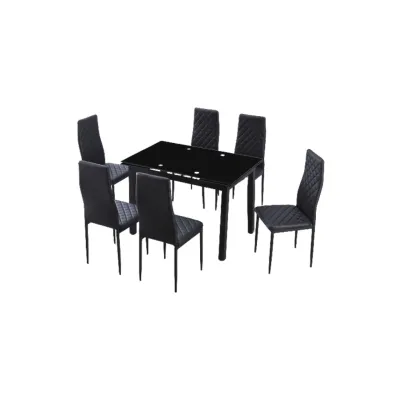
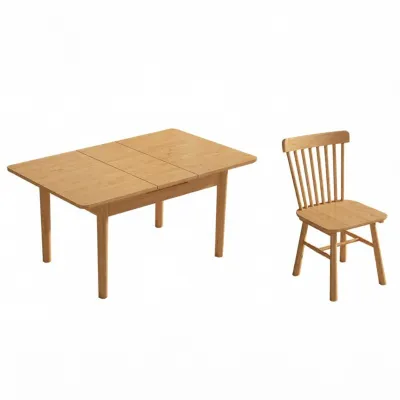
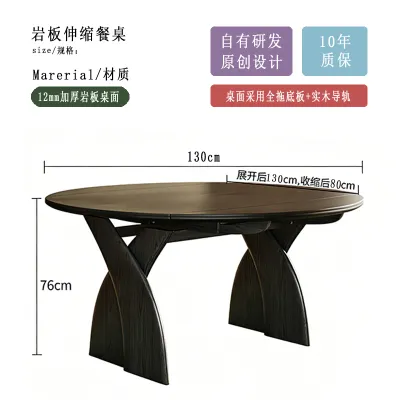
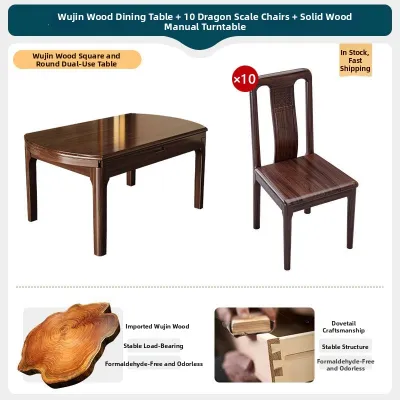
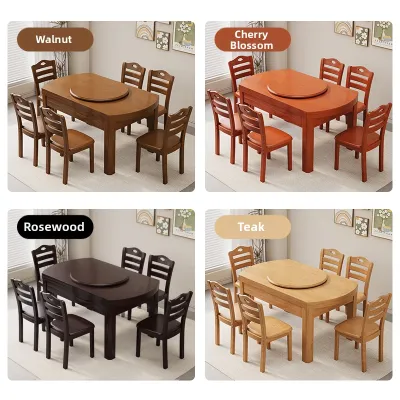
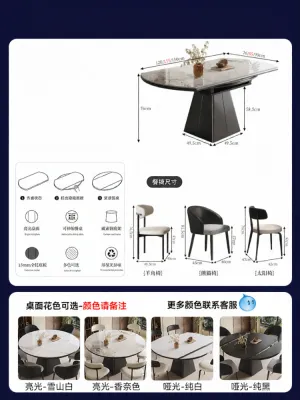
Prices are valid at publication and may change. Please refer to the product page for the latest price.
As a general rule, you should maintain a clearance zone of at least 90 centimeters between the edge of the dining table and the nearest wall, sideboard, or doorway. This distance allows a person to sit comfortably and permits others to walk behind them without forcing anyone to squeeze through. When planning for an extendable table, you must perform these measurements twice: once for the daily collapsed configuration and once for the fully extended layout used during special occasions.
In addition to room clearance, consider the traffic flow to and from the kitchen. During large gatherings, multiple people will likely carry heavy serving platters, hot soup bowls, and drinks back and forth. If the extended table blocks the primary pathway to the kitchen or living room, it creates a safety hazard and disrupts the flow of your gathering. Ensure that even at maximum extension, the table leaves enough space for safe passage.
Do not overlook the logistics of getting the furniture into your home. Large dining sets, especially those designed to seat up to ten people, often feature heavy, oversized tabletops and bulky frames. Measure the width and height of all entryways, hallway turns, elevator doors, and stairwells that the delivery team must navigate. If you live in a condominium, check the building’s service elevator dimensions and clearance rules before finalizing your purchase to avoid delivery day disappointments.
Finally, plan where you will store the extra dining chairs when the table is collapsed for daily use. A ten-seat set typically includes two armchairs and eight side chairs, or a combination of chairs and benches. If your daily household only consists of four or five people, you will need a designated storage area—such as a guest room, study, or covered patio—to keep the unused chairs clean and out of the way until the next big gathering.
Key Selection Criteria for 6-to-10 Seat Tables
To ensure all your guests can dine comfortably without bumping elbows, you must understand the relationship between table dimensions and seating capacity. Each diner requires a minimum of 60 centimeters of lateral table width to eat comfortably, though 70 centimeters is highly recommended for longer meals where multiple serving dishes are placed on the table. For a table to seat ten people comfortably, it should reach a minimum length of 240 to 300 centimeters when fully extended.

Table depth is equally important for large gatherings. A standard dining table depth of 90 to 100 centimeters is usually sufficient for individual place settings, but hosting a large family meal often requires extra space down the center of the table. If you plan to place large serving bowls, rice cookers, and beverage pitchers directly on the table, look for a set with a depth of at least 100 to 110 centimeters to prevent overcrowding.
The shape of the table significantly influences both seating capacity and room dynamics. Rectangular extendable tables are the most popular choice for large families because they maximize seating along straight edges and align well with standard rectangular dining rooms. They also make it easy to place extra chairs at the head and foot of the table when unexpected guests arrive.
Oval extendable tables offer a softer aesthetic and can make traffic flow smoother in tight spaces because they lack sharp corners. The rounded ends of an oval table also allow you to squeeze in an extra chair or two more easily than a rectangular design. Round extendable tables are excellent for fostering intimate conversation among smaller groups, but when extended with insert leaves, they become long ovals that require a very wide room to accommodate their footprint.
When evaluating table designs, pay close attention to the base construction. Traditional four-legged tables provide excellent stability, but the corner legs can severely restrict chair placement and legroom, especially when you are trying to maximize seating. Pedestal bases, which feature a single or double central support column, eliminate corner leg obstructions entirely, allowing you to place chairs anywhere around the perimeter. Trestle bases, which use two end supports connected by a central bar, also offer excellent legroom while providing superior stability for very long extended tables.
Evaluating Extension Mechanisms and Stability
An extendable dining table is only as reliable as its expansion mechanism. Over time, cheap or poorly designed mechanisms can stick, warp, or sag, making the table difficult to operate and potentially unsafe. Understanding the different types of extension systems will help you choose a durable option that you can easily manage on your own.
Butterfly leaf mechanisms are highly convenient because the extension leaves are stored directly beneath the tabletop on a hinged folding system. To extend the table, you simply slide the two halves of the tabletop apart, lift and unfold the butterfly leaf from its storage compartment, and push the tabletop halves back together to lock them in place. This self-storing design eliminates the need to find separate storage space for the leaves and protects them from accidental damage.
Separate insert leaves, also known as draw leaves or removable leaves, require you to store the extra tabletop sections in a closet or under a bed when they are not in use. While this requires extra storage space, tables with separate leaves often allow for greater extension lengths because you can add multiple leaves to reach your desired capacity. When evaluating this style, ensure the leaves are made from the exact same batch of wood or material as the main tabletop to guarantee a matching color and grain pattern.
Drop-leaf tables feature hinged sections on the outer ends that hang down when collapsed and lift up to be supported by pull-out brackets when extended. While drop-leaf tables are incredibly easy to operate, they are generally better suited for smaller spaces and rarely extend far enough to comfortably seat ten people. For large family gatherings, a center-extension table with butterfly or insert leaves is almost always the more stable and spacious choice.
Regardless of the mechanism type, stability at maximum extension is critical. When a table is fully extended, the center of the tabletop is subjected to significant downward pressure from heavy serving dishes and guests leaning on the surface. Inspect the underside of the table to verify that it features heavy-duty metal gear slides rather than simple wooden runners, as metal slides operate more smoothly and are less prone to warping in humid tropical climates. Look for models that include integrated center support legs or reinforced steel subframes to prevent sagging and eliminate wobble when the table is fully loaded.
Material and Finish Checks for High-Traffic Dining
In a busy Filipino household, the dining table is subjected to constant use, high humidity, and exposure to hot, damp, or oily foods. To ensure your extendable dining set maintains its appearance and structural integrity, you must carefully evaluate the materials and finishes based on manufacturer specifications and care guidelines.
Solid hardwoods, such as kiln-dried mahogany, rubberwood, or acacia, are highly prized for their natural beauty, strength, and longevity. However, solid wood is naturally reactive to changes in humidity and temperature, which can cause it to expand, contract, or warp if it is not properly sealed. When considering a solid wood set, verify that the manufacturer has treated the wood with a moisture-resistant sealant and look for construction details like floating tabletop mountings that allow the wood to breathe without cracking.
Engineered wood, such as high-density fiberboard (HDF) or marine plywood topped with high-grade natural wood veneers, offers excellent stability and resistance to warping in humid environments. If you choose a veneered table, inspect the edges closely to ensure the veneer is tightly bonded to the core material with no visible gaps or peeling. Avoid low-grade particleboard or medium-density fiberboard (MDF) without proper moisture protection, as these materials can swell and disintegrate if they come into contact with spilled liquids.
The surface finish is your table’s primary defense against stains, scratches, and heat damage. Look for tables finished with polyurethane, acid-catalyzed lacquer, or high-performance protective coatings that seal the wood pores. Always review the manufacturer’s care instructions to confirm the surface’s heat and moisture resistance. Even with a high-quality finish, you should plan to use heat-resistant trivets, coasters, and placemats to protect the surface from hot serving pots and condensation from cold beverage pitchers.
Examine the joint construction and hardware quality of both the table and the accompanying chairs. High-quality dining furniture utilizes mortise-and-tenon joints, dowels, and corner blocks secured with heavy-duty bolts rather than simple wood screws and glue. Shake the table and chairs gently to check for any play or looseness in the joints. For the chairs, look for reinforced stretchers—the horizontal bars connecting the chair legs—which significantly increase weight capacity and prevent the legs from splaying over time under heavy daily use.
Building Your Shortlist: What to Verify Before Buying
Once you have narrowed down your options based on space, mechanism, and materials, it is time to build your final shortlist and perform pre-purchase verifications. This step ensures that you avoid unexpected costs and select a dining set that offers genuine long-term value for your household.
Start by confirming the exact specifications of the dining set directly with the manufacturer or authorized retailer. Do not rely solely on promotional images, which can sometimes make furniture look larger or smaller than it actually is. Request the precise dimensions of the table when fully collapsed and fully extended, the exact height of the tabletop, and the weight capacity of both the table and the chairs. Ensure the chairs are designed to slide completely under the table when it is collapsed to save space.
Carefully review the warranty terms and return policies before making a deposit. A reputable furniture manufacturer should offer a warranty that covers structural defects, mechanism failures, and premature joint loosening. Understand what actions might void the warranty, such as using inappropriate cleaning chemicals or exposing the furniture to direct sunlight or rain. If you are purchasing online, verify the return policy in case the item arrives damaged or does not match the specified dimensions.
Establish a realistic budget in Philippine Pesos (₱) that accounts for the entire package, including delivery and assembly. High-quality extendable dining sets designed for 6 to 10 people are significant investments, with prices typically ranging from ₱25,000 for durable engineered wood options to over ₱75,000 for premium solid hardwood sets. Remember to factor in potential delivery fees, especially if you live outside major metropolitan areas, and professional assembly fees.
Professional assembly is highly recommended for extendable dining tables due to the complexity of the alignment pins and sliding tracks. A minor error during DIY assembly can cause the extension leaves to misalign or damage the mechanism over time. If the retailer offers professional installation, it is usually worth the additional fee to ensure the table is perfectly level, stable, and safe for your family’s next big fiesta.
Frequently Asked Questions (FAQ)
How do I maintain the extension tracks and hinges?
To keep your extendable table operating smoothly, regularly dust and vacuum the tracks and hinges to remove food crumbs, pet hair, and debris that can clog the mechanism. Wipe the metal parts with a dry microfiber cloth to prevent moisture buildup from high humidity. If the slides begin to stick, consult the manufacturer’s care manual before applying any lubricants; many modern mechanisms require a dry silicone spray rather than oil-based lubricants, which can attract dust and create a sticky residue that worsens the problem.
Can I add extra chairs to the ends of an extended rectangular table?
Yes, you can often add extra chairs to the ends of a rectangular table, provided the design allows for sufficient clearance. Before placing chairs at the head and foot of the table, check the distance between the table legs and the edge of the tabletop to ensure there is enough overhang. You must also verify that guests sitting at the ends will have comfortable knee clearance and will not be obstructed by the table’s support structure or pedestal base.
What should I do if the table leaves do not align perfectly?
If your table leaves do not align, first check if the dining room floor is level, as uneven flooring is a common cause of alignment issues. Many modern dining tables feature adjustable leveling glides on the bottom of the legs that you can turn to compensate for uneven floors. If the floor is level but the leaves still do not align, inspect the alignment pins and locking latches underneath the table for dirt or loose screws, and contact the manufacturer if you suspect a structural defect.

Community discussion
Share your experience or ask a question. Comments are reviewed before publication.