
Finding a reliable dining setup for large family gatherings in the Philippines requires balancing seating capacity with limited living space. An extendable plastic foldable table offers a practical solution, allowing you to expand your dining area for six to ten people during special occasions and fold it away to reclaim floor space afterward. To choose the right model, you must evaluate the physical dimensions of your dining area, the stability of the extension mechanisms, the durability of the plastic surface, and the strength of the supporting frame.
In typical Filipino households, dining is a central social activity where tables are heavily loaded with large serving platters, heavy cookware, and dinnerware. A table that wobbles or bows under pressure can disrupt your meals and pose safety risks. By focusing on verifiable product specifications, structural designs, and material quality, you can select a durable table that accommodates your entire family comfortably without cluttering your home.
Key Dimensions and Space Requirements for 6-10 Seaters
To ensure comfortable dining without bumped elbows, each seated person requires a minimum width of 60 centimeters and a depth of 37 centimeters. For a group of six, a rectangular table should measure at least 150 to 180 centimeters in length. To accommodate ten diners comfortably, the table length must extend to at least 240 to 300 centimeters, assuming guests are seated along both sides and at the table ends.
Products mentioned in this guide
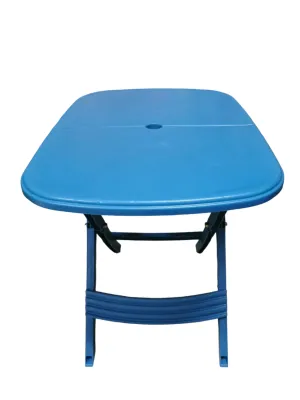
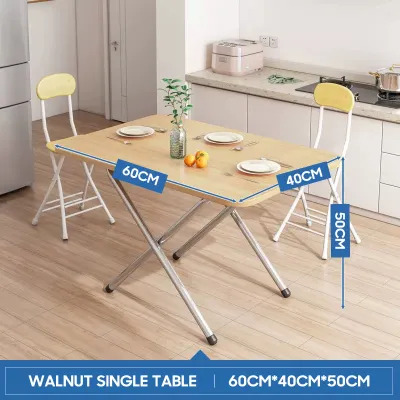
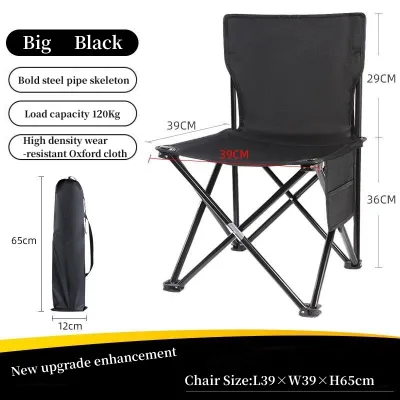
Prices are valid at publication and may change. Please refer to the product page for the latest price.
A width of 75 to 90 centimeters is essential to provide enough central space for shared serving dishes, rice cookers, and beverage pitchers, which are common in local family-style dining. If the table is too narrow, guests will struggle to find space for their personal plates alongside the communal serving platters.
Beyond the table’s physical footprint, you must account for the space required for chairs and movement. A clearance of at least 90 centimeters between the table edge and the nearest wall or furniture piece is necessary to allow diners to pull out their chairs and stand up comfortably. In smaller dining rooms or open-plan living areas, measuring this clearance before purchasing prevents a fully extended table from blocking essential walkways.
Before finalizing a purchase, verify that the packaged or folded table can easily pass through your home’s entry points. Measure the height and width of your front door, hallway corridors, stairwells, and elevator cabins. Many high-rise condominiums and subdivision townhouses have tight corners or narrow staircases that can obstruct long, single-piece folding tables, making a bi-fold or multi-panel extendable design a more practical choice.
When not in use, the table must be stored securely. Compare the folded dimensions of the table against your designated storage areas, such as utility closets, the space beneath a bed, or the gap behind a wardrobe. Ensure the storage location is dry and well-ventilated to prevent moisture buildup on the frame during the humid rainy season.
Evaluating Extension Mechanisms and Structural Stability
Extendable plastic tables utilize various designs to increase their surface area. Drop-leaf mechanisms feature hinged side panels that fold down when not in use, which are easy to operate but require robust support brackets to remain level when raised. Pull-out or slide-out designs allow additional panels to emerge from beneath the main tabletop, providing a seamless surface but requiring precise alignment. Interlocking modular panels offer high flexibility but require manual assembly and secure locking clips to prevent the panels from separating during use.

Regardless of the mechanism, inspect the locking systems that secure the extended sections. Look for positive-locking latches, sliding rings, or spring-loaded pins that physically prevent the table from folding or collapsing unexpectedly. Avoid models that rely solely on friction or gravity to hold the extensions in place, as these can fail if the table is bumped or unevenly loaded.
The configuration of the table legs directly impacts its stability when fully extended. Straight-leg designs positioned at the outermost corners offer the most stable support and maximize legroom for diners seated at the ends. Cross-leg or trestle designs are common in folding tables because they fold compactly, but they can restrict legroom and may wobble if the weight is concentrated on one end. Ensure the legs feature wide, non-slip rubber or plastic feet to protect your flooring and prevent the table from sliding on smooth tiles.
A table hosting ten diners must support a significant amount of weight, including heavy serving bowls, plates, drinks, and the natural downward pressure of guests leaning on the table. Always check the manufacturer’s rated static weight capacity. For a ten-person table, a minimum static weight capacity of 100 to 150 kilograms is recommended. Be cautious of products that do not specify a weight limit, as this often indicates a lack of structural testing.
Material Specifications and Surface Durability Checks
Most high-quality plastic folding tables are constructed from High-Density Polyethylene (HDPE) or Polypropylene (PP). These materials are favored for their impact resistance, lightweight nature, and ease of cleaning. However, their heat tolerance is limited. HDPE typically begins to soften or deform at temperatures above 120 degrees Celsius. Since local dining often involves serving hot dishes directly from the stove or oven, you must verify the manufacturer’s specific temperature guidelines and plan to use heat-resistant trivets or silicone mats to protect the surface.
The texture of the tabletop affects both usability and maintenance. A lightly textured, matte finish helps prevent plates and glassware from sliding, especially if condensation forms on cold beverage pitchers in hot weather. Textured surfaces also hide minor scratches and scuffs better than smooth, glossy finishes. However, deeply textured patterns can trap food crumbs and spills, requiring more effort to scrub clean. Look for a balanced, low-profile texture that offers slip resistance while remaining easy to wipe down with a damp cloth.
The longevity of a folding table depends heavily on its metal underframe and connecting joints. In the humid tropical climate of the Philippines, exposed metal is highly susceptible to rust and corrosion. Verify that the frame is constructed from thick-walled steel tubing and finished with a durable powder coating or rust-resistant paint. Inspect the hinge joints, rivets, and brackets; these components should be securely bolted rather than weakly welded, as they bear the mechanical stress of repeated folding and unfolding.
Building Your Shortlist: What to Verify Before Buying
When browsing online marketplaces or physical furniture showrooms, scrutinize the product descriptions carefully. A reliable listing must provide precise measurements for the fully extended state, the partially extended state, and the completely folded state. It should also clearly state the net weight of the table, the maximum load capacity, and the specific materials used. Avoid listings that use generic terms like “heavy-duty” or “high-quality” without providing concrete technical specifications.
Because extendable folding tables contain multiple moving parts, hinges, and locking mechanisms, they are more prone to mechanical issues than standard fixed tables. Review the seller’s return policy and warranty terms before purchasing. Ensure the warranty explicitly covers structural defects, joint failures, and malfunctioning extension mechanisms rather than just cosmetic damage. Keep your proof of purchase and warranty documents in a safe place.
Consider the logistics of getting the table to your home. Some extendable tables are delivered fully assembled but packaged in large, bulky boxes, while others require partial assembly of the legs or extension tracks. If you are purchasing online, check if the seller offers delivery directly to your doorstep or if you must arrange for transport from a pickup point. Upon delivery, perform a thorough self-inspection: unfold the table completely, test the extension mechanism several times, check for any missing screws or loose joints, and ensure the tabletop lies perfectly flat without sagging.
Frequently Asked Questions (FAQ)
Can plastic foldable tables safely hold hot pots and dishes?
Most plastic foldable tables made of High-Density Polyethylene (HDPE) can withstand temperatures up to approximately 120 degrees Celsius before the material begins to soften or warp. However, serving dishes, metal pots, and pans taken directly from a stove or oven often exceed this temperature threshold. To prevent permanent surface deformation, discoloration, or melting, you should always verify the manufacturer’s specific temperature guidelines.
As a standard safety practice, place heat-resistant pads, wooden trivets, or thick silicone mats under any hot cookware or serving platters. This simple precaution protects the plastic tabletop from direct heat exposure and ensures the surface remains flat and even over years of use.
How do I clean and maintain the folding joints?
To keep the folding joints and extension mechanisms operating smoothly, you must regularly clean them to prevent jamming or rusting. Food crumbs, dust, and spilled liquids can easily accumulate in the hinges and tracks during family meals. Wipe the joints with a dry or slightly damp microfiber cloth after each use, and avoid letting moisture sit on the metal components.
If you notice that the joints are becoming loose, squeaky, or difficult to operate, do not attempt to force the mechanism or perform unauthorized disassembly, as this can void your warranty or damage the structural alignment. Instead, stop using the table and consult the manufacturer or seller for approved maintenance instructions or replacement parts.

Community discussion
Share your experience or ask a question. Comments are reviewed before publication.