
Creating a dedicated study zone in a shared bedroom requires a careful balance between privacy, storage, and spatial openness. The ideal divider partition rack shelves for your space depend on your primary room constraints: open-back and ladder shelves are best for maintaining natural light and airflow in smaller rooms, while cube and closed-back shelves excel at providing visual privacy and high-density storage in larger shared spaces. Choosing the right style involves weighing how much visual separation you need against the physical footprint the furniture will occupy.
To find the perfect fit, you must evaluate your daily study habits alongside your roommate’s schedule. If you study late at night while your roommate sleeps, a more solid barrier might be necessary to block desk lamp glare. Conversely, if your shared room has only one window, an open-frame design is essential to prevent turning one half of the room into a dark, drafty corner. By identifying your primary environmental challenge first, you can narrow down the shelf style that keeps your study zone both productive and comfortable.
Key Factors for Choosing a Room Divider Shelf
Light transmission and visual permeability are critical when placing a large piece of furniture in the middle of a room. In tropical climates like the Philippines, where natural light and consistent airflow keep indoor spaces comfortable, a solid divider can accidentally block breeze paths from windows or air conditioning units. An open-back shelf allows light to filter through to the darker side of the room, keeping the entire space feeling bright and ventilated. If you require complete visual privacy, you will need to plan for alternative lighting sources to compensate for the blocked natural light.
Products mentioned in this guide
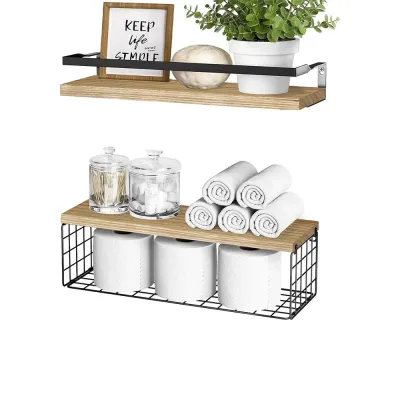
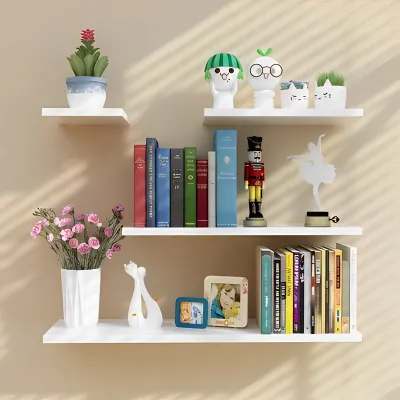
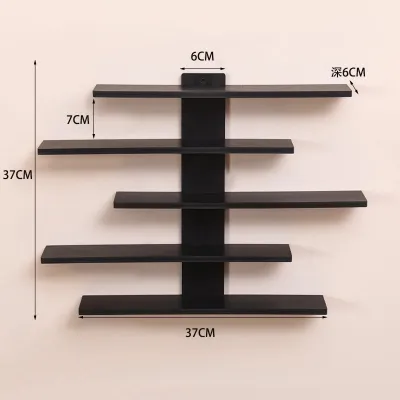

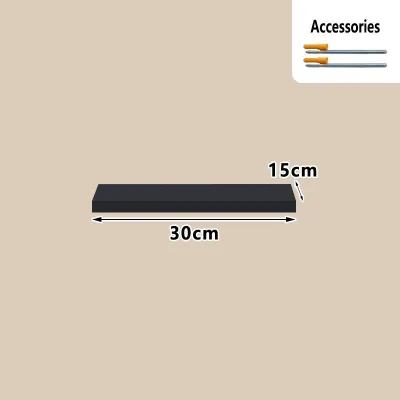
Prices are valid at publication and may change. Please refer to the product page for the latest price.
Footprint, height, and depth must be measured against standard bedroom clearances to ensure comfortable movement. A divider shelf should never restrict the main traffic pathways or prevent wardrobe doors and bedroom doors from opening fully. Ideally, you should maintain a clearance of at least 60 to 90 centimeters around the shelf and your study desk. A shelf that is too deep will quickly make a standard-sized bedroom feel cramped, so look for slim-profile units that offer vertical storage without extending too far into the room’s walking paths.
Weight capacity and structural stability are vital considerations for holding heavy textbooks, laptops, and reference materials. Because a room divider stands freestanding in open space rather than flat against a wall, its center of gravity is highly sensitive. You must check the manufacturer’s specified load limits for each shelf tier to prevent bowing or structural failure over time. Heavy items should always be placed on the lowest shelves to keep the unit bottom-heavy and less prone to wobbling during daily use.
Assembly requirements, floor protection, and mobility are highly important, especially for renters or students in temporary housing. Look for modular designs that are easy to assemble with basic tools and simple to disassemble when moving out. Because tropical humidity can cause certain materials to expand or warp, verify that the joints and fasteners are durable and rust-resistant. Additionally, ensure the base of the shelf is equipped with protective pads to prevent scratching delicate wood or tile floors when the furniture is positioned or adjusted.
Comparing Divider Shelf Styles for Shared Bedrooms
Different divider shelf configurations alter the physical boundaries and lighting conditions of a shared bedroom in distinct ways. The structural design of the shelf you choose will directly dictate how spacious or enclosed your study zone feels. By understanding the functional strengths and limitations of each style, you can select a partition that supports your academic focus without compromising the room’s overall livability.

Open-Back and Ladder Shelves for Airy Spaces
Open-back and ladder shelves are ideal for smaller shared bedrooms where maintaining a sense of spaciousness is the top priority. Because these styles lack a solid back panel, they allow sightlines to pass through, preventing the room from feeling chopped in half. Ladder shelves, which taper from a deeper base to shallower top shelves, offer a particularly gentle visual transition that keeps the upper half of the room feeling light and open. This design is perfect if your desk is positioned close to the bed and you want to avoid a claustrophobic atmosphere.
However, the primary limitation of open-back and ladder shelves is their lack of true visual privacy. Your roommate will still be able to see your study desk, and any clutter on your shelves will be visible from both sides of the room. Additionally, ladder shelves generally have a lower weight capacity on their upper, shallower tiers, making them less suitable for storing large stacks of heavy binders or reference books. If you choose this style, you must be disciplined about keeping your items organized to prevent the divider from looking messy.
To style and organize an open-back shelf effectively, use a mix of open display space and closed storage containers. Placing matching woven baskets or fabric bins on the lower, wider shelves allows you to hide loose papers, cables, and supplies while keeping the heavier visual weight at the bottom. Leave the upper shelves relatively sparse, using them for a few books, a small desk plant, or decorative items that let light pass through easily. This approach keeps your study essentials within arm’s reach without creating a chaotic view for your roommate.
Cube and Closed-Back Shelves for Focused Zones
Cube and closed-back shelves are best suited for larger shared bedrooms where creating a distinct, distraction-free study boundary is the main goal. A closed-back bookcase acts as a temporary wall, completely blocking the view of the sleeping area from your desk. This physical separation helps you transition into a focused mindset, as you are not constantly tempted by the sight of your bed. It also blocks the direct glare of your desk lamp from shining onto your roommate’s face if you are studying during their sleeping hours.
Despite these benefits, solid dividers can easily make a medium or small room feel dark and cramped. A tall, wide, closed-back shelf blocks natural light from windows, potentially leaving one side of the bedroom entirely dependent on artificial lighting. It can also restrict the flow of cool air from electric fans or air conditioners, creating a warm, stagnant pocket of air around your desk. If you choose a solid divider, you must ensure your study zone has adequate independent ventilation and lighting.
To balance privacy with spatial comfort, consider a modular cube organizer with a mix of open and closed compartments. You can insert fabric drawers or wooden inserts into specific cubes to block sightlines at eye level while leaving other cubes completely open to let light and air pass through. This hybrid approach allows you to customize the level of privacy you need. For example, you can block the view directly in front of your desk chair while keeping the top and bottom rows of cubes open to maintain a sense of connection to the rest of the room.
Space Planning and Safety Checks Before You Buy
Before purchasing any divider partition rack shelves, you must conduct precise measurements of your room and the furniture itself. Measure the height of your ceiling, the width of the floor space where the divider will stand, and the clearance needed for your desk chair to slide out comfortably. Do not forget to measure your home’s entryways, hallways, and door frames to ensure you can actually carry the flat-packed or pre-assembled shelf into your bedroom without getting stuck.
Safety is the most critical aspect of installing a freestanding room divider. Because these shelves are not placed flat against a wall, they are highly susceptible to tipping over if bumped, especially in active shared households. Always check the manufacturer’s specifications for mandatory anti-tip kit requirements and load limits. If you are renting and cannot drill into the walls, look for wide-base shelves with a low center of gravity, or consider securing the side of the shelf to a heavy, stable desk using heavy-duty furniture straps or clamps.
Floor leveling is another factor that directly impacts the stability of a tall divider shelf. Many bedroom floors, especially those with older tiles or uneven wooden planks, are not perfectly flat. A minor floor slope can cause a tall shelf to lean dangerously, increasing the risk of a tip-over. Use a spirit level to check the floor before placement, and use adjustable furniture levelers or sturdy felt pads under the legs to compensate for any unevenness. Regularly inspect the joints of the shelf to ensure they have not loosened from daily use or shifting.
If your room has unusually high ceilings, or if you require a partition that is exceptionally tall or heavy, stop and consult a professional carpenter or furniture specialist. Attempting to stack multiple standard shelves on top of each other to create a taller wall is highly dangerous and can lead to structural collapse. For complex or very tall partition needs, a custom-built, securely anchored solution is always safer and more reliable than trying to adapt a standard freestanding retail shelf.
How to Style and Organize Your Study Zone Divider
Organizing your divider shelf by frequency of use is the key to maintaining a tidy and productive study environment. Keep your daily essentials, such as notebooks, active textbooks, and writing utensils, on the shelves that sit at desk height so you can grab them without standing up. Archive folders, past semester notes, and reference books should go on the lower shelves, where their weight adds stability to the unit. The highest shelves should be reserved for lightweight decorative items, small plants, or clock displays that do not require frequent handling.
Because open-back and ladder shelves lack a rear barrier, small items like pens, paperclips, and loose notes can easily slide off the back and fall behind your desk or bed. To prevent this, use shallow trays, decorative boxes, and bookends with non-slip bases to corral loose items. Grouping smaller supplies into dedicated containers not only keeps them from falling but also hides visual clutter, making the shelf look clean and intentional from both sides of the shared room.
If you plan to run power strips, laptop chargers, or desk lamps through or near your divider shelf, cable management is essential. Loose, dangling cords are a tripping hazard and can easily snag on clothing, potentially pulling the entire shelf down. Use adhesive cable clips or hook-and-loop straps to secure power cords along the frame of the shelf, keeping them tucked out of sight. If your shelf has a solid back, you can drill neat cable pass-through holes or use a multi-plug power strip mounted discreetly to the underside of a shelf tier.
Finally, remember that a room divider has two visible sides, and its appearance affects both you and your roommate. Avoid leaving the backside of your storage boxes or the rear of your computer monitor exposed in an untidy way. Choose storage bins that look finished and attractive from all angles, and use the backside of solid dividers to hang shared items, such as a calendar, a small mirror, or lightweight art prints. Balancing the visual weight and aesthetics on both sides of the shelf ensures that the divider enhances the bedroom for both occupants.
Frequently Asked Questions (FAQ)
Can I use a divider shelf if my bedroom has no windows near the study area?
Yes, you can use a divider shelf in a windowless study area, but you must choose your shelf style and lighting carefully. An open-back or ladder shelf is highly recommended in this scenario, as it allows ambient light from the rest of the room to pass through to your desk rather than casting a dark shadow over your workspace. To compensate for the lack of natural light, integrate dedicated task lighting into your study zone. You can attach clip-on LED desk lamps directly to the shelf frames, run USB-powered LED light strips under the shelf tiers, or place a bright, adjustable lamp on your desk to ensure your workspace is well-lit and comfortable for long study sessions.
How do I keep a tall divider shelf from tipping over on a carpeted floor?
Securing a tall divider shelf on a carpeted floor requires extra care because carpet fibers and padding create an unstable, squishy base. The safest and most reliable method is to use the manufacturer-provided anti-tip wall anchors to secure the shelf directly to a nearby wall stud. If wall drilling is strictly prohibited by your landlord, you must maximize the shelf’s base stability. Choose a shelf with a wide, heavy bottom frame, and place a rigid, flat wooden board or a solid furniture base plate under the shelf feet to compress the carpet evenly. Always place your heaviest books and storage bins on the very bottom shelf to keep the center of gravity as low as possible, and avoid placing any heavy items on the upper tiers.
Are tension rod shelves a safe alternative to freestanding divider racks?
Tension rod shelves can be a space-saving alternative, but they carry strict weight limits and safety risks compared to sturdy, freestanding divider racks. Tension systems rely entirely on the constant upward and downward pressure between your floor and ceiling to stay upright. If your ceiling is made of soft drywall or plasterboard, the pressure can cause damage, or the poles may slip over time as the building shifts. Because they lack a wide, solid base, tension rod shelves are highly susceptible to sliding or collapsing if bumped hard. You should never store heavy textbooks, expensive laptops, or fragile electronics on tension-based shelves; reserve them only for lightweight decor, small plants, and light paper storage.

Community discussion
Share your experience or ask a question. Comments are reviewed before publication.