
Organizing a wardrobe requires matching your specific garments and accessories with the right storage containers. Plastic storage solutions, ranging from multi-tier drawer units to stackable utility boxes, can help maximize your closet space. To find the most effective setup, you must first map your wardrobe items—such as folded t-shirts, seasonal linens, shoes, and small accessories—to the appropriate container designs.
Before purchasing any storage unit, measuring your wardrobe’s interior dimensions is the most critical step to ensure a proper fit. Because product availability and exact specifications can change, always verify current stock, dimensions, and model details on official brand channels or trusted e-commerce platforms before making a decision.
Assessing Your Wardrobe Space and Storage Requirements
To create an efficient internal storage system, you must accurately assess the physical boundaries of your existing wardrobe. Start by measuring the interior width, depth, and height of the cabinet space. It is vital to account for structural obstructions that might prevent drawers from opening or boxes from sliding in smoothly. These obstructions include door hinges, sliding door tracks, protruding handles, and fixed wooden shelves.
Products mentioned in this guide
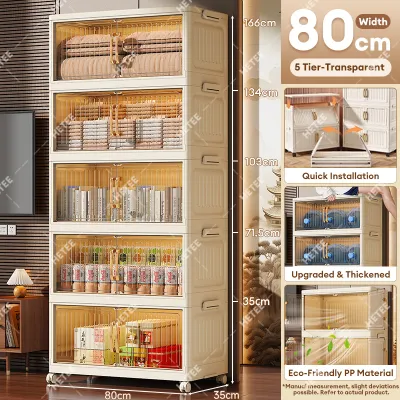
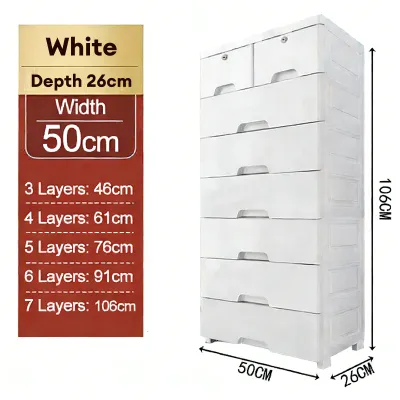
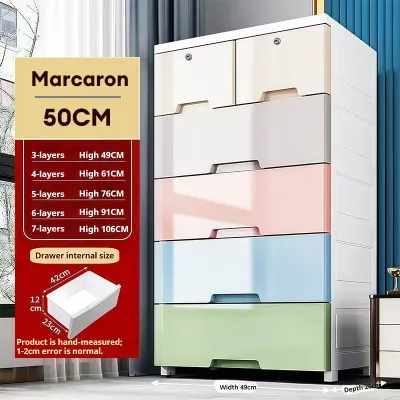
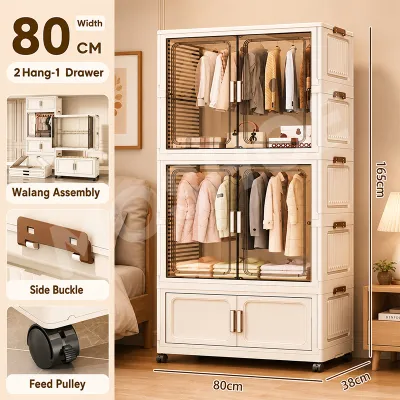
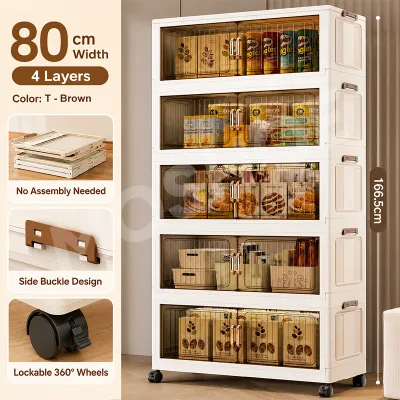
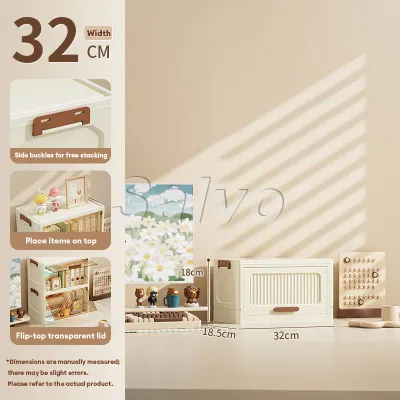
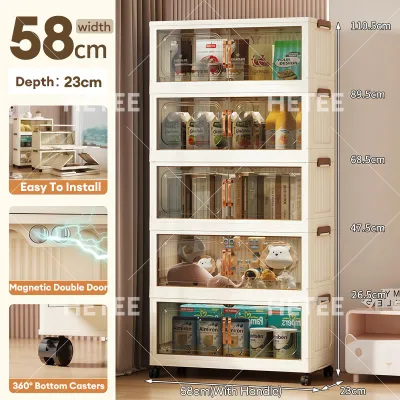
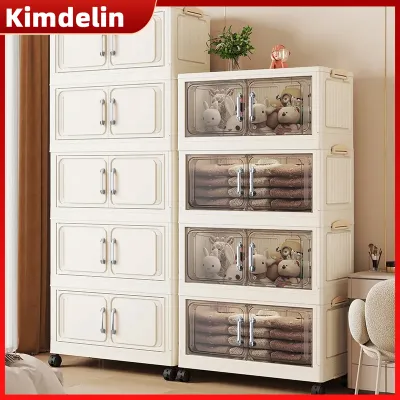
Prices are valid at publication and may change. Please refer to the product page for the latest price.
When measuring depth, ensure there is enough clearance for the wardrobe doors to close completely without pressing against the front of your storage boxes. For wardrobes with sliding doors, measure the clearance when one door is fully open, as the overlapping door panels can restrict access to certain sections of the interior.
Identifying underutilized or “dead” spaces within your wardrobe can significantly increase your storage capacity. Look for open areas above hanging rods, empty floor space beneath short-hanging garments, or wide gaps between fixed shelves. These zones are ideal for stackable storage units or modular drawers that can be configured to fill the exact height of the opening.
Before placing heavy storage containers on existing wardrobe shelves, evaluate the weight-bearing capacity of those shelves. Sagging shelves can damage both the wardrobe structure and the storage units themselves. If you plan to store heavy items like thick denim, winter coats, or heavy bedding, consider placing the heaviest storage boxes on the solid base of the wardrobe floor rather than on suspended wooden or glass shelves.
Key Selection Criteria for Durabox Wardrobe Organizers
Selecting the right storage organizers involves evaluating several key design features against your daily routine and environmental conditions. In tropical climates like the Philippines, high humidity levels can lead to mustiness and mold growth inside enclosed closets. Checking the manufacturer’s specifications for material quality, moisture resistance, and ease of cleaning is essential. High-quality plastics are generally preferred for wardrobe interiors because they do not absorb moisture, are easy to wipe down, and resist warping over time.

Accessibility is another crucial factor to consider when comparing storage options. Think about how often you need to access the items inside. For daily-wear clothing, pull-out drawers provide convenient access, allowing you to reach items at the back without disturbing the rest of the stack. For seasonal items or bedding, stackable boxes with secure flip-top lids or front-opening panels may be more suitable. Transparent or semi-transparent plastic panels are highly beneficial, as they allow you to identify the contents of a box at a glance without having to open multiple containers.
Modularity and stackability determine how well the storage units will function as a cohesive system. Look for units designed with interlocking mechanisms, such as recessed lids or matching grooves on the top and bottom surfaces. These features prevent stacked boxes from shifting or sliding when you open drawers or retrieve items. Assess the overall structural stability of the units, ensuring that the plastic frames are rigid enough to support the weight of additional stacked containers without buckling or distorting.
Matching Durabox Storage Categories to Wardrobe Items
Different types of clothing and accessories have unique physical properties that dictate how they should be stored. Delicate fabrics, bulky linens, structured shoes, and small jewelry items all require distinct storage environments to maintain their shape and condition. By matching specific storage categories to these item types, you can create an organized wardrobe that protects your belongings while keeping them easily accessible.
Organizers for Folded Clothes and Bulky Linens
When organizing garments like t-shirts, sweaters, and activewear, the choice between deep drawers and shallow bins depends largely on your preferred folding method. Deep drawers are excellent for traditional stacking, but they can make it difficult to retrieve items at the bottom of the pile. If you prefer the file-folding method, where clothes are stood upright side-by-side, shallow, wide bins or drawers allow you to see every garment simultaneously, preventing the clutter that occurs when pulling items from a tall stack.
For bulky linens, blankets, and seasonal bedding, look for larger, high-capacity storage boxes. In humid environments, long-term storage requires careful consideration of ventilation and dust protection. While completely sealed boxes protect against dust and pests, they can trap moisture if the items are not perfectly dry when stored. Opt for units that offer a balance of dust-proof closures and, if necessary, utilize moisture-absorbing packets inside the containers to maintain a dry environment.
To streamline your morning routine, prioritize storage units that feature built-in label slots or clear front panels. This is especially helpful for identical-looking stacked drawers or opaque bins stored on high shelves. Labeling each container by clothing type, such as socks, activewear, or bedding, eliminates guesswork and helps you maintain the organization system over time.
Storage Solutions for Shoes, Bags, and Small Accessories
Shoes and structured handbags require specialized storage to prevent them from losing their shape or getting scuffed. Standard top-opening storage boxes can be inconvenient for shoes because you must unstack multiple units to reach the pair at the bottom. Instead, look for specialized shoe organizers featuring drop-front doors or slide-out drawers. These designs allow you to retrieve your footwear easily while keeping the boxes stacked neatly on your wardrobe floor or lower shelves.
Small accessories like belts, ties, watches, and jewelry can easily get lost in large, deep storage bins. For these items, look for smaller, compartmentalized organizers or units that accommodate adjustable dividers. Keeping these accessories separated prevents tangling, protects delicate finishes from scratching, and makes it simple to find the perfect finishing touch for your outfit.
When storing delicate leather goods, such as bags and belts, verify the dust-sealing capabilities and structural rigidity of the storage units. Leather requires protection from dust accumulation, which can dry out the material, as well as protection from being crushed by heavier items. Rigid plastic storage boxes provide a protective shell that shields your valuable accessories from external pressure and environmental dust.
Pre-Purchase Checklist: Dimensions, Materials, and Compatibility
Before finalizing your purchase, complete a thorough verification check to ensure your selected storage products will integrate seamlessly into your wardrobe.
- Dimension and Clearance Check: Cross-reference the external dimensions of the storage units with your wardrobe's internal measurements. Be sure to leave at least a few centimeters of clearance on all sides to accommodate cabinet hinges and door frames, ensuring that drawers and lids can open fully without hitting the wardrobe doors.
- Material and Care Review: Read the manufacturer's care instructions and weight limits carefully. Ensure the plastic material is suitable for your specific environment and that the rated load capacity of the drawers can handle the weight of your garments. This prevents premature wear, drawer sagging, or structural failure of the storage system.
- Price and Policy Verification: Compare prices in ₱ across official brand stores and authorized online marketplaces to find the best value. Additionally, verify the seller's return and exchange policies. This is particularly important when buying storage systems online, as you may need to return or exchange units if they do not fit your wardrobe space as expected.
Frequently Asked Questions (FAQ)
Can Durabox storage units be stacked safely inside a wardrobe?
Yes, many plastic storage units are designed for stacking, but safety depends on following proper guidelines. Always check the manufacturer’s specifications for the maximum recommended stacking height and weight limits. Utilize any built-in interlocking features, such as grooves or clips, to secure the units together.
To maintain stability, always place the heaviest items in the bottom units to keep the center of gravity low. This simple step prevents the stack from becoming top-heavy and tipping over when you open the upper drawers. If you are creating a tall stack of lightweight organizers, consider securing them to the wardrobe wall or interior frame using compatible mounting hardware if recommended by the manufacturer.
How do I clean and maintain Durabox plastic organizers?
To keep your plastic organizers in optimal condition, consult the product label or manufacturer’s instructions for approved cleaning agents and temperature limits. For routine maintenance, dusting with a soft, dry microfiber cloth is usually sufficient.
For deeper cleaning, use a mild soap solution and a soft cloth to wipe down the interior and exterior surfaces. Avoid using abrasive scrubbers, steel wool, or harsh chemical solvents, as these can cause micro-scratches that dull the plastic and make it harder to clean in the future.
After washing, ensure that the storage units are completely dry before returning your clothes or accessories to them. Any lingering moisture can lead to mold, mildew, and unpleasant odors inside your enclosed wardrobe, especially in humid tropical climates.

Community discussion
Share your experience or ask a question. Comments are reviewed before publication.