
A traditional rattan hammock, locally known as a duyan yantok, brings a timeless, rustic charm to any outdoor living space. Whether nestled in a lush garden or suspended on a breezy balcony, this classic piece of furniture offers an incredibly relaxing escape from the daily grind. However, transitioning a traditional design into a safe, comfortable retreat for an adult requires more than just finding two convenient posts. To ensure your lounging experience is both secure and deeply restorative, you must carefully evaluate specific structural features, spatial requirements, and material treatments.
Selecting a duyan yantok for adult use involves assessing how the natural fibers and overall construction handle the physical demands of an adult’s weight and height. Unlike smaller, decorative versions or those designed for children, an adult-sized hammock must distribute weight evenly to prevent structural failure. Furthermore, because these hammocks are often exposed to tropical humidity, intense sunlight, and sudden downpours, understanding how the materials interact with the environment is key to preserving your investment. By focusing on key design elements, you can transform your balcony or garden into a safe, stylish sanctuary.
Assessing Space and Mounting Requirements for Your Area
Before purchasing a duyan yantok for adult relaxation, you must thoroughly evaluate the physical space where you plan to install it. Start by measuring the total distance between your intended anchor points, whether they are concrete pillars on a balcony, sturdy trees in a garden, or structural wooden posts. A hammock that is too cramped will sag excessively, making it difficult to get in and out, while one stretched too tight will put immense stress on both the fiber weave and the mounting hardware. Always compare your measurements against the manufacturer’s specified minimum and maximum hanging distances to ensure a secure fit.
Products mentioned in this guide
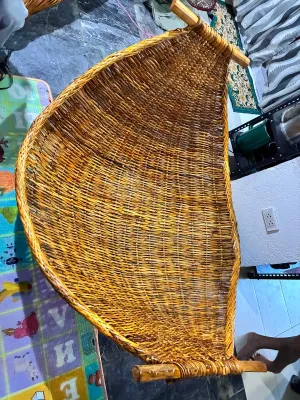
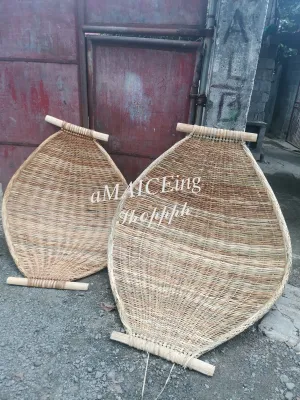
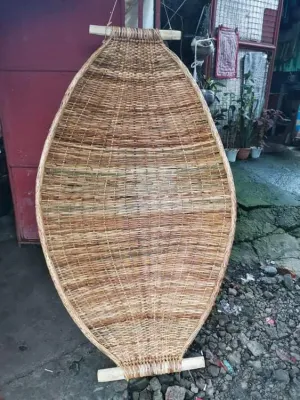
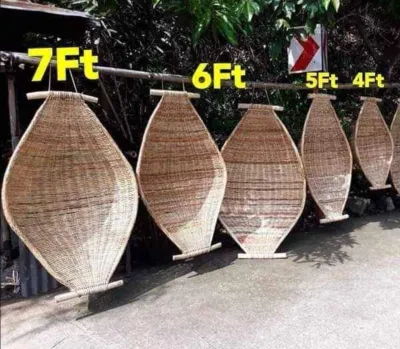
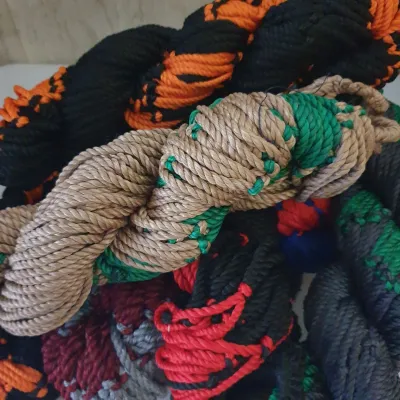
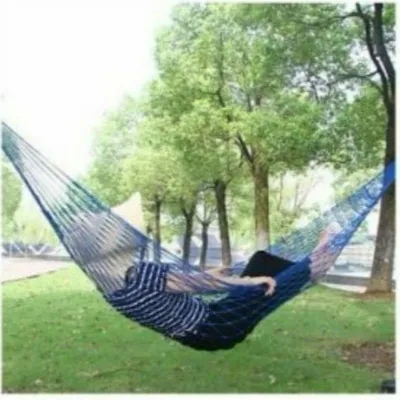
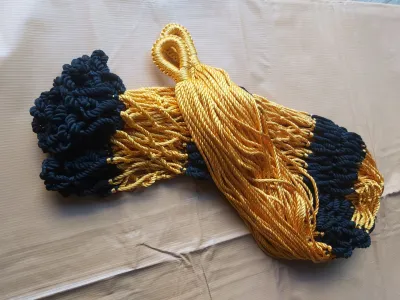
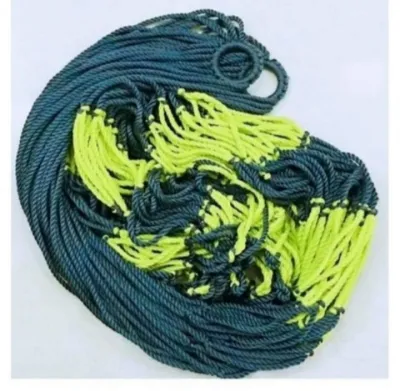
Prices are valid at publication and may change. Please refer to the product page for the latest price.
In addition to horizontal distance, vertical clearance and the swing radius are critical safety factors. You need to ensure that when the hammock is fully occupied by an adult, the lowest point of the bed remains at a safe, comfortable height above the ground—typically around 30 to 50 centimeters. This clearance prevents the rattan from scraping against rough balcony tiles or damp garden soil, which can rapidly wear down the fibers. Allow for at least one meter of clear space on either side of the hammock to accommodate gentle swaying without the risk of bumping into walls, railings, or potted plants.
The structural integrity of your anchor points is the most vital safety consideration. If you are mounting the hammock on a balcony, verify that the concrete beams or metal railings are structurally rated to support dynamic loads, which can be significantly higher than the static weight of an adult. For garden installations, ensure that any trees used as posts are mature, healthy, and free from rot. Always inspect the included hanging hardware, such as heavy-duty ropes, chains, and carabiners, to confirm they are rated for adult weight capacities. If the hardware seems lightweight or lacks clear load specifications, invest in marine-grade stainless steel components to guarantee peace of mind.
Identifying Size and Structural Features for Adult Support
An adult-sized duyan yantok must be engineered to support a fully grown person comfortably and safely over long periods. When browsing options, your first step should be checking the product label or manufacturer specifications for the maximum weight capacity. A reliable adult hammock should comfortably support at least 100 to 150 kilograms to account for movement and shifting weight. Choosing a model with a generous weight rating ensures that the natural rattan fibers are not constantly stressed to their absolute limit, which significantly extends the lifespan of the furniture.

The physical dimensions of the hammock bed directly dictate your comfort level. For an adult, the bed length should ideally be at least 2 meters, allowing you to stretch out fully without your head or feet pressing uncomfortably against the rigid end loops. The width of the hammock is equally important; a bed that is too narrow will cause the sides to curl inward, pinching your shoulders and creating a claustrophobic feeling. Look for a wider, gently curved design that allows you to lie at a slight angle, which is the ergonomically preferred position for flat, supportive lounging.
Examining the craftsmanship of the rattan weave is essential for identifying a high-quality duyan yantok. The weave should be dense, uniform, and free from loose ends or sharp splinters that could snag clothing or irritate skin. Pay close attention to the joint reinforcements where the main bed transitions into the hanging loops; these areas bear the brunt of the tension and should be bound with thick, multiple-wrapped rattan peel or reinforced with hidden metal brackets. If the hammock features wooden spreader bars at either end, ensure they are crafted from solid, weather-resistant hardwood to keep the bed flat and stable.
Selecting Weather-Appropriate Materials for Outdoor Use
The longevity of your duyan yantok depends heavily on how well its materials can withstand the local climate. Natural rattan is an organic material that is naturally flexible and strong, but it is highly sensitive to moisture and ultraviolet (UV) radiation. When shopping, look for product descriptions that explicitly mention protective outdoor treatments. High-quality natural rattan hammocks are typically sealed with multiple coats of marine-grade varnish or UV-resistant polyurethane, which shield the fibers from drying out, cracking, or absorbing moisture that leads to mold.
If your balcony or garden is fully exposed to the elements without the protection of a roof, awning, or dense tree canopy, you should strongly consider synthetic rattan alternatives. Often made from high-density polyethylene (PE) wicker, synthetic rattan mimics the warm, organic appearance of natural yantok while offering excellent resistance to heavy rain, humidity, and direct sunlight. PE rattan does not rot, splinter, or fade easily, making it an incredibly low-maintenance choice for open garden spaces. It provides the same classic aesthetic with a fraction of the upkeep required by natural fibers.
Do not overlook the quality of the metal hardware and suspension systems associated with your hammock. In humid tropical environments, standard steel chains, S-hooks, and mounting brackets can rust rapidly, compromising both the appearance and structural safety of your setup. Ensure that all metal components are made of stainless steel, galvanized steel, or powder-coated aluminum. These materials resist corrosion and maintain their strength even when subjected to frequent rain and morning dew, ensuring your hanging system remains secure year after year.
Performing Safety Checks and Routine Maintenance
Establishing a consistent inspection and maintenance routine is the most effective way to ensure your duyan yantok remains a safe haven for relaxation. Before you settle into the hammock, take a brief moment to perform a visual safety check. Inspect the main hanging ropes or chains for any signs of fraying, rust, or wear. Examine the rattan weave, particularly around the high-stress areas near the suspension loops and the center of the bed, looking for cracked fibers, loose bindings, or structural sagging. Catching these minor issues early prevents sudden failures during use.
Proper cleaning is essential to preserve the protective coatings on your rattan hammock. Dust, pollen, and outdoor debris can accumulate in the crevices of the weave, holding moisture and encouraging mold growth. Clean the hammock periodically using a soft-bristled brush to remove loose dirt, followed by a gentle wipe-down with a damp cloth and mild, diluted dish soap. Avoid using harsh chemical cleaners, bleach, or high-pressure water washers, as these can strip away the protective varnish and damage the delicate outer skin of the natural rattan.
Finally, proactive storage during extreme weather will dramatically extend the life of your furniture. While a treated duyan yantok can handle typical outdoor conditions, prolonged exposure to torrential rains, typhoons, or intense, direct midday sun will eventually take a toll. If you anticipate a long period of non-use, or if severe weather is on the horizon, temporarily dismantle the hammock and store it in a dry, sheltered indoor space. Alternatively, invest in a breathable, waterproof furniture cover that fits snugly over the hammock to protect it from moisture while allowing trapped humidity to escape.
Frequently Asked Questions (FAQ)
Can I leave my natural rattan duyan yantok outside all year round?
While high-quality natural rattan hammocks are often treated with protective varnishes, they should not be left fully exposed to the elements year-round. Continuous exposure to heavy tropical rains and intense UV rays will eventually break down the protective sealant, leading to fiber rot, cracking, and structural weakness. To maximize its lifespan, it is best to hang the hammock in a covered area like a roofed balcony, use a weatherproof cover when it is not in use, or store it indoors during the wettest months of the year.
Do I need a special stand if my balcony lacks sturdy beams?
If your balcony lacks load-bearing concrete beams or secure wooden posts, a freestanding hammock stand is an excellent alternative. When choosing a stand, verify that its maximum weight capacity matches or exceeds that of your duyan yantok and is rated for adult use. Ensure the stand has a wide, stable base to prevent tipping and that its hook-to-hook distance is compatible with the length of your hammock. Metal stands should feature a rust-resistant, powder-coated finish to withstand the outdoor humidity.

Community discussion
Share your experience or ask a question. Comments are reviewed before publication.