
In many Filipino households, the dining table is the true heart of the home. It is where extended families gather for Sunday lunches, where daily meals are shared, and where celebrations bring together relatives and neighbors alike. However, hosting six to ten people on a regular basis requires a significant amount of space—a luxury that many modern homes, townhouses, and condominiums cannot easily spare.
A foldable heavy duty table offers a practical solution, allowing you to expand your dining area when needed and reclaim valuable floor space when the meal is over. Finding a model that can withstand the weight of heavy serving dishes, frequent handling, and the humid tropical climate of the Philippines requires a careful look at dimensions, structural design, and material quality.
By focusing on key structural indicators and space requirements, you can select a durable table that serves your family reliably for years. This guide outlines the essential dimensions, structural checks, and material considerations to help you build a shortlist of suitable options from furniture retailers.
Products mentioned in this guide
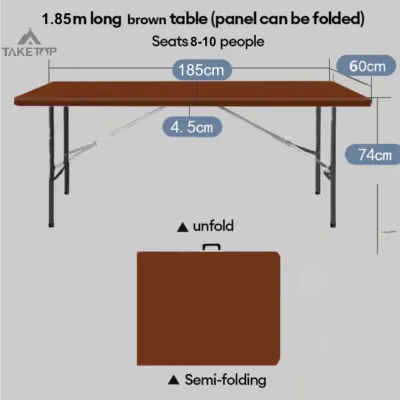
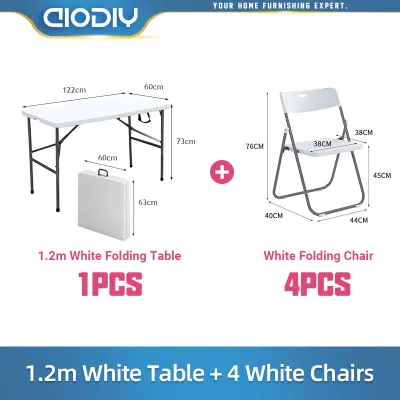
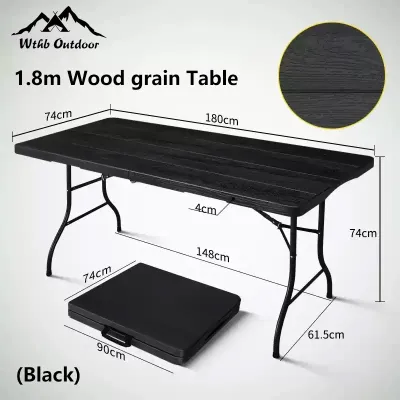
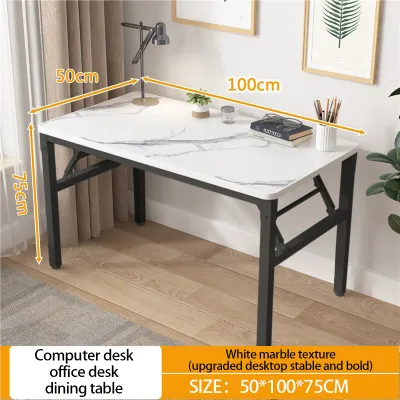
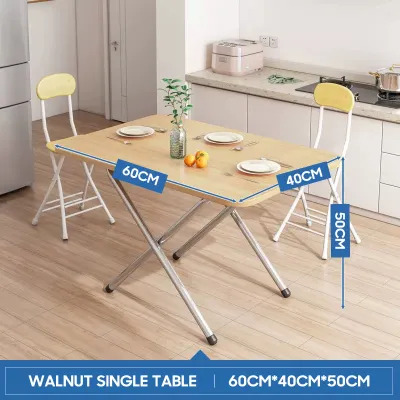
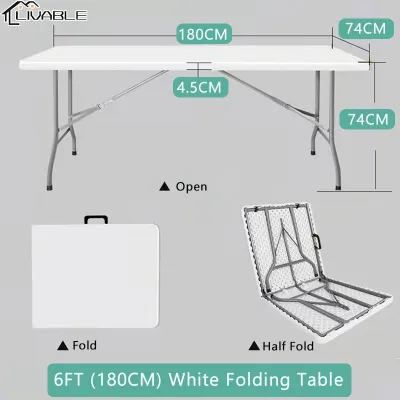
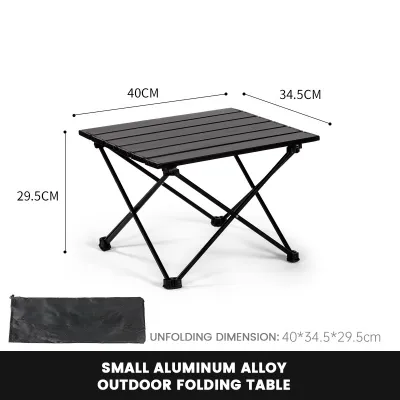
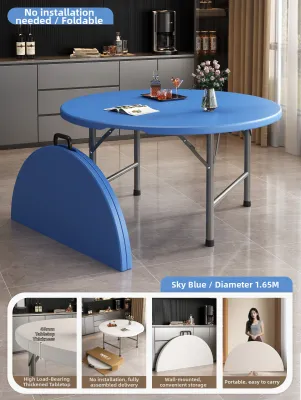
Prices are valid at publication and may change. Please refer to the product page for the latest price.
Sizing and Space Planning for 6 to 10 Diners
To ensure everyone can enjoy their meals comfortably without bumping elbows, you must first calculate the physical space required for each diner. A standard rule of thumb for comfortable dining is to allocate approximately 60 centimeters of width and 36 centimeters of depth per person. For a family of six, this translates to a minimum table length of 180 centimeters if seated along the sides.
For larger gatherings of eight to ten people, you will need a table length of at least 240 centimeters, or a design that allows diners to sit comfortably at the heads of the table. Width is equally important; a table should be at least 80 to 90 centimeters wide to accommodate serving platters, rice cookers, and individual place settings down the center.
Beyond the tabletop itself, you must evaluate the surrounding floor plan. A fully expanded table requires adequate clearance to allow family members to pull out chairs and walk behind seated guests. Ideally, you should maintain a clearance of 90 to 120 centimeters between the edge of the table and the nearest wall or piece of furniture.
In smaller dining rooms or open-plan living spaces, this clearance can quickly disappear. Measuring your room beforehand ensures that a 240-centimeter table will not completely block doorways or pathways during busy family gatherings.
Finally, consider where the table will go when it is not in use. Foldable tables vary significantly in their folded footprints. Some models fold completely in half, transforming into a flat, suitcase-like shape that can be tucked into a closet, under a bed, or behind a sofa.
Others utilize drop-leaf designs where the sides fold down, leaving a narrow console table that can remain against the wall. Before making a purchase, measure your intended storage area or staging zone to verify that the folded dimensions—including the thickness of the folded legs—will fit securely without creating a tripping hazard.
Checking Structural Integrity and Weight Capacity
A dining table for a large family must do more than just look good; it must support substantial weight without wobbling, tilting, or bowing. When evaluating a foldable heavy duty table, pay close attention to the leg design and the underframe support. Look for tables featuring a powder-coated steel frame with thick-gauge tubing.

The legs should be positioned near the outer corners or feature a wide trestle design to distribute weight evenly across the floor. Cross-bracing—metal bars that connect the legs to the central frame—is essential for preventing lateral movement and sway when people lean on the table.
While shopping, always review the manufacturer’s stated maximum weight capacity. A heavy-duty table should be rated to hold at least 100 to 150 kilograms of evenly distributed weight, though some industrial-grade plastic or solid wood models can support more. Keep in mind that these ratings are contingent on proper weight distribution.
A heavy soup pot or a large rice cooker placed directly in the center of a poorly supported table can cause the surface to sag over time. Look for structural warranties that back up these weight claims, as they often indicate the manufacturer’s confidence in the joint durability.
Inspect the hardware and joints closely. High-quality foldable tables utilize reinforced steel hinges, heavy-duty bolts, and secure locking rings that slide over the leg joints once fully extended. Avoid tables that rely heavily on plastic connectors or thin, flexible metal brackets at critical stress points.
The locking mechanisms should feel solid and require a deliberate action to disengage. This ensures that the table cannot accidentally fold or collapse if someone bumps into a leg during a lively family dinner.
Comparing Folding Mechanisms for Daily Use
The frequency with which you plan to set up and put away your table should dictate the type of folding mechanism you choose. The three most common designs are center-fold tables, drop-leaf tables, and extendable tables, each offering distinct advantages and trade-offs for daily use.
Center-fold tables are highly popular for their portability and ease of storage. These tables fold in half along a central seam, often featuring a built-in carrying handle. While they are convenient to store, setting them up usually requires lifting the entire weight of the table, unfolding the top, and manually locking the legs in place.
Because a heavy-duty table for eight to ten people can weigh anywhere from 15 to 25 kilograms, this process is often a two-person job to perform safely and prevent scratches on your flooring.
Drop-leaf tables offer a more permanent aesthetic with flexible sizing. These tables feature a fixed central section with hinged panels on either side that can be raised or lowered. This design allows you to use the table as a small two-person dining surface or a console table daily, and then quickly lift the leaves to accommodate up to ten people when guests arrive.
Because the leaves are supported by pull-out wooden gates or metal brackets, expanding the table is a quick, one-person task that requires very little physical lifting.
Extendable tables typically feature a sliding frame where additional tabletop panels, or leaves, are inserted into the center or pulled out from the ends. While highly stable and elegant, these tables often require a dedicated storage space for the loose leaves when they are not in use, unless the table features a self-storing butterfly mechanism.
Ensure that any mechanism you choose features secure locking pins, latches, or tension clips that keep the table sections tightly joined together during use, preventing gaps from opening up mid-meal.
Selecting Durable Surface Materials for Family Meals
The tropical climate of the Philippines, characterized by high humidity and warm temperatures, presents unique challenges for furniture materials. When selecting a foldable table for daily family meals, the surface material must be highly resistant to moisture, heat, and physical wear.
High-density polyethylene (HDPE) is a common choice for utility-style foldable tables. It is highly water-resistant, resistant to stains, and easy to wipe clean after a messy meal. However, HDPE can be sensitive to extreme heat, so you must always use trivets or hot pads under hot pots and serving dishes to prevent the plastic from warping or melting.
If you prefer a more traditional look, engineered wood with a high-pressure laminate (HPL) finish offers excellent scratch resistance and a wide variety of wood-grain patterns. When choosing engineered wood, check the product labels to ensure the material is rated for high-humidity environments to prevent warping.
Regardless of the core material, pay close attention to the edge banding. The edges of laminate and engineered wood tables are highly vulnerable to moisture intrusion. If water from spilled drinks or wet cleaning cloths seeps into the seams of the edge banding, the underlying material can swell, bubble, and eventually split.
Look for tables with seamless, heat-sealed, or impact-resistant ABS edge banding. For metal components, ensure they are treated with a rust-resistant powder coating to prevent corrosion from humid air and frequent wet wiping.
Cleaning and maintenance routines should also influence your decision. A busy household benefits from surfaces that can be sanitized quickly with mild soap and water. Avoid materials that require specialized oils, waxes, or harsh chemical cleaners, as these can complicate daily cleanup and potentially degrade the folding hardware over time.
Pre-Purchase Checklist for Delivery and Setup
Before finalizing your purchase from an online marketplace or a local furniture retailer, take a few moments to plan for the delivery and setup of your new table. A heavy-duty table designed for ten people comes in a large, heavy package that can be difficult to maneuver.
First, confirm the packaged dimensions of the table. Compare these measurements against the narrowest points in your home’s entry path, including elevator doors, stairwells, apartment hallways, and your front doorway. A package that is 120 centimeters wide and 150 centimeters long may not easily clear tight corners or low ceilings, especially in multi-story townhouses or condominium buildings.
Second, carefully review the retailer’s return policy and warranty terms. Because foldable tables rely on moving parts, it is crucial to inspect the table immediately upon delivery. Check for any structural defects, bent metal frames, or misaligned hinges.
Verify whether the retailer covers return shipping costs or offers home pickup for bulky items if you need to request a replacement.
Finally, cross-reference the physical specifications listed on the product page with your actual needs. Double-check the weight capacity, the unfolded height (which should ideally be between 74 and 76 centimeters for standard dining chairs), and the assembly requirements.
Some tables arrive fully assembled, while others require you to attach the folding legs and brackets. Knowing what to expect ensures a smooth setup process, allowing your family to gather around the new table without any unexpected delays.
Frequently Asked Questions (FAQ)
Is a foldable table stable enough for everyday family dinners?
Yes, a high-quality foldable table can serve as a reliable everyday dining solution, provided it features a heavy-duty frame and robust locking mechanisms. Look for models with steel legs, cross-bracing, and secure locking rings that prevent the legs from shifting.
To help maintain stability, always place the table on a flat, level floor. Distribute heavy items, such as large serving bowls or rice cookers, evenly across the surface rather than concentrating all the weight in one spot or along the edges.
What should I check if the table wobbles after unfolding?
If your table wobbles, first check that all leg hinges are fully extended and that any sliding locking rings or pins are completely engaged. Next, inspect the floor surface; uneven tiles or warped wooden floors are common culprits for instability.
If the table features adjustable leveling feet, turn them to compensate for the uneven ground. If the floor is level and the locks are engaged, inspect the frame for any bent metal components or loose screws. If you detect structural damage or manufacturing defects, stop using the table and contact the retailer for a replacement or repair.

Community discussion
Share your experience or ask a question. Comments are reviewed before publication.