
To withstand the intense downpours and persistent humidity of the Philippine rainy season, a foldable picnic table must rely on non-porous tabletop materials like high-density polyethylene (HDPE) or treated composites, paired with corrosion-resistant metal frames such as anodized aluminum or powder-coated steel. Standard materials often fail under tropical wet seasons, making it crucial to look beyond basic marketing terms and inspect the specific protective coatings, joint designs, and hardware specifications. Choosing the right combination ensures your outdoor setup remains stable, hygienic, and fully functional even when subjected to sudden monsoons and prolonged dampness.
Understanding Rainy Season Challenges for Foldable Tables
The tropical wet season brings unique environmental stressors that can rapidly degrade outdoor furniture. Continuous rainfall and high relative humidity create a persistent damp environment where moisture does not easily evaporate. For a foldable picnic table, this constant exposure presents several distinct structural and hygienic challenges that can compromise its safety and longevity.
One of the primary issues is moisture trapping within the folding joints, hinges, and internal frame tubes. When a table is folded and stored damp, or left out in the rain, water creeps into the hollow tubes of the metal frame. If there are no drainage paths or if the tube ends are unsealed, this trapped water causes internal rust that eats the frame from the inside out, leading to sudden structural failure.
Products mentioned in this guide
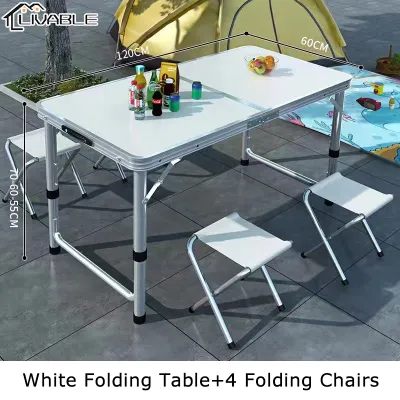
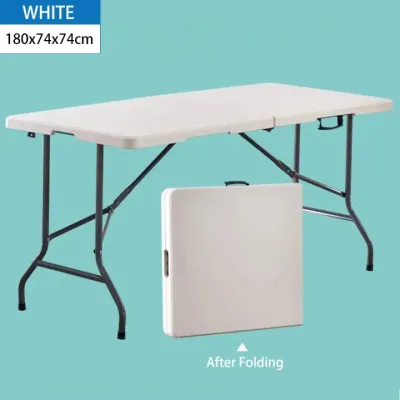
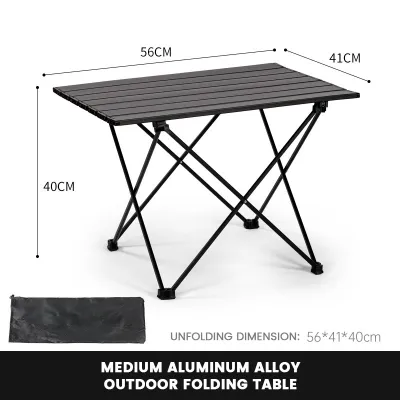
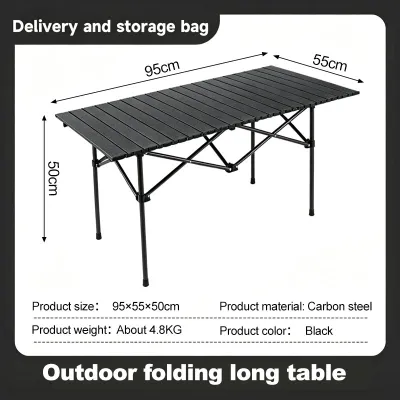
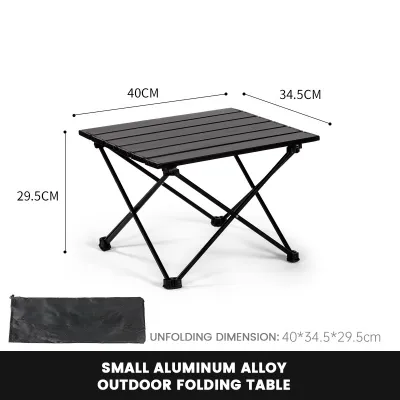
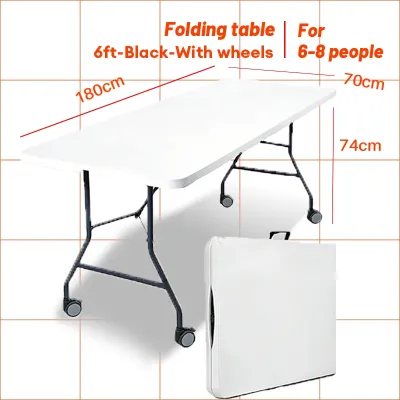
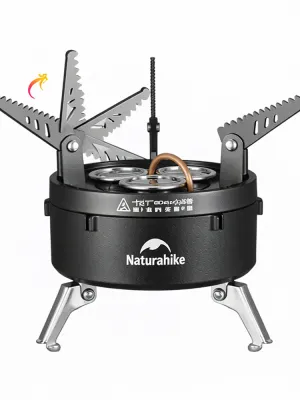
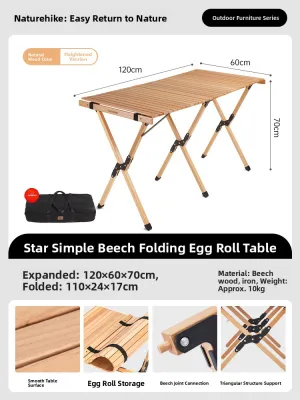
Prices are valid at publication and may change. Please refer to the product page for the latest price.
Additionally, mold and mildew growth thrive on porous, textured, or poorly drained tabletop surfaces. High humidity combined with warm tropical temperatures creates the perfect breeding ground for fungal spores. Porous materials like untreated wood or low-grade plastics with deep, open textures trap organic debris and moisture, leading to unsightly black spots, musty odors, and potential health concerns.
Finally, heavy rains soften the ground, causing weight and stability shifts. A table placed on a rain-saturated lawn or garden patch can sink unevenly, causing it to tilt or tip over if the leg design does not distribute weight properly. Water absorption in certain tabletop materials can also increase the overall weight of the unit, making it unwieldy to fold and transport.
Verifying Frame and Tabletop Material Specifications
When shopping for a foldable picnic table, relying solely on generic terms like “weatherproof” or “water-resistant” is rarely sufficient. Manufacturers often use these labels as broad marketing claims without detailing the actual limits of the materials. To ensure your table can survive prolonged exposure to wet weather, you must verify the specific technical specifications and structural features provided by the manufacturer.

Start by checking product labels and documentation for specific surface treatments rather than relying solely on base material names. For example, a steel frame is only as good as its protective coating. Look for explicit mentions of powder-coating thickness, galvanization standards, or e-coating, which indicate a higher level of engineering designed to block moisture from reaching the underlying metal.
Next, evaluate the tabletop design for non-porous surfaces, integrated drainage slopes, and sealed edges. A completely flat, un-sloped tabletop can allow water to pool in the center, accelerating material degradation. Look for subtle drainage channels, slightly slatted designs that let water pass through, or crowned surfaces that encourage runoff. Check if the edges are fully sealed or co-molded to prevent water from delaminating the core material.
Additionally, identify UV and moisture stabilizers listed in the manufacturer’s technical specifications. In tropical climates, intense sun often alternates with heavy rain. UV stabilizers prevent the polymer chains in plastic tabletops from breaking down, cracking, and becoming porous, which would otherwise allow moisture to penetrate during the next downpour.
Evaluating Metal and Alloy Frames
The frame of a foldable picnic table provides the essential structural support, but it is also the component most vulnerable to rust and corrosion. Steel and iron frames offer excellent weight and stability, but they require robust surface treatments to survive wet conditions. Verify the presence of a thick powder coat, hot-dip galvanization, or e-coating (electrophoretic deposition), which provides an even, corrosion-resistant layer over the entire metal surface, including hard-to-reach corners.
Aluminum frames are naturally rust-resistant and lightweight, making them highly desirable for foldable furniture. However, raw aluminum can still oxidize and develop a dull, chalky residue in humid environments. Look for anodized finishes or powder-coated aluminum, which hardens the surface and adds an extra layer of defense against moisture and scratches.
Beyond the material itself, inspect the physical construction of the frame. Look closely at the welded joints, as poorly welded joints often have tiny pinholes where water can enter. Ensure that the ends of hollow metal tubes are capped with tightly fitting, weather-resistant plastic or rubber plugs to prevent internal water accumulation and hidden corrosion.
Assessing Tabletop Surfaces and Finishes
The tabletop surface must withstand direct exposure to rain, food spills, and cleaning agents without warping or absorbing water. High-density polymers, particularly high-density polyethylene (HDPE), are excellent choices for rainy-season tabletops. They are completely non-porous, meaning they will not absorb water, swell, or warp. Look for specifications that confirm the use of virgin or high-grade recycled HDPE with integrated color pigments, which won’t peel or flake like painted surfaces.
Avoid untreated natural woods or low-quality wood composites. While wood offers a classic aesthetic, untreated or poorly sealed timber quickly absorbs moisture in high-humidity environments, leading to warping, rotting, and structural splitting. If you prefer a wood look, ensure it is a naturally dense, oil-rich hardwood like teak, or a highly engineered wood-plastic composite (WPC) that specifies complete moisture encapsulation and requires no frequent re-sealing.
Examine the texture of the tabletop. A slight texture is helpful to prevent plates and cups from sliding when wet, but avoid deep, aggressive wood-grain patterns or rough finishes. These deep crevices trap standing water, dirt, and fallen leaves, creating a microenvironment where mold and mildew can thrive despite the material’s inherent water resistance.
Inspecting Foldable Mechanisms and Hardware
The folding mechanism is the heart of any foldable picnic table. If the hinges, pins, or locking slides rust, the table becomes difficult or dangerous to operate. When evaluating a table, identify stainless steel, coated, or marine-grade hardware for hinges, pins, and locking mechanisms. Stainless steel grades like 304 or 316 offer superior resistance to rust and corrosion compared to standard zinc-plated steel.
Check the design of the joints. Enclosed or shielded joints are highly beneficial because they prevent dirt, sand, and rainwater from washing into the moving tracks. Open, exposed tracks can easily collect debris during a storm, which grinds against the metal when you try to fold the table, scraping off protective coatings and inviting rust.
Verify the manufacturer’s stated weight capacity and stability mechanisms. A wet table on soft ground is subject to different physical stresses than a dry table on a concrete patio. Ensure the locking pins or gravity locks engage securely and stay locked even when the frame is subjected to lateral movement. Check the product documentation to confirm that the locking system has been tested for stability under load.
Checking Dimensions, Stability, and Setup Conditions
Before committing to a purchase, always measure the finished dimensions of the table in both its fully deployed and folded states. Compare these measurements against your designated storage area, whether it is a utility closet, a garage shelf, or a covered balcony. Ensure the folded table can easily pass through your doorways, hallways, and staircases without scraping walls or requiring awkward maneuvering.
Evaluate the leg design for stability on wet, soft ground. Narrow, peg-like legs will sink directly into rain-saturated soil or grass, destabilizing the table. Look for tables featuring wide, flat feet, loop-style legs, or adjustable leveling feet that distribute the weight over a larger surface area. This prevents uneven sinking and keeps the tabletop level.
Review the assembly and installation conditions. Many foldable picnic tables come fully assembled, but some require initial setup of the hardware or frame extensions. Verify if the package includes weather-resistant fasteners (such as stainless steel screws) and the necessary tools. If you plan to anchor the table to a deck or patio to prevent wind damage during stormy weather, check if the frame design supports anchoring brackets.
Maintenance and Storage During Prolonged Rain
Even the most weather-resistant materials require regular care to maximize their lifespan. When cleaning mold, mildew, or organic debris, always follow the manufacturer’s specific instructions. Avoid harsh chemical cleaners, bleach, or abrasive scrubbing pads unless explicitly approved, as these can strip away protective UV coatings, anodized finishes, or powder-coated layers.
Proper drying is critical before storing your foldable table. Never fold and pack away a wet or damp table into a tight storage space. Trapping moisture inside the folded joints and tabletop folds accelerates corrosion and mold growth. Allow the table to dry completely in a well-ventilated, shaded area before folding it. If storing it outdoors under a cover, ensure the cover is made of a breathable fabric that prevents condensation from building up underneath.
Regularly inspect the structural integrity of your table. If you observe deep structural rust, cracked joints, or a compromised locking mechanism that no longer holds the legs securely, stop using the table immediately. Consult the manufacturer’s customer service or a qualified furniture repair professional to determine if the hardware can be replaced, rather than risking a sudden collapse during use.
Frequently Asked Questions (FAQ)
Can I leave a foldable picnic table outside all year round?
While high-quality foldable picnic tables are designed to withstand temporary rain and sun exposure, leaving them outdoors continuously throughout the entire year—especially during the intense wet season—is not recommended. Continuous exposure to heavy downpours, standing water, and high humidity will eventually degrade even treated materials and accelerate wear on moving parts. To extend the life of your table, it is best to fold and store it in a dry, covered area when it is not in use for extended periods. Always check the manufacturer’s warranty terms, as many warranties do not cover damage caused by permanent outdoor exposure or neglect during severe weather.
How do I remove mold from a foldable table without damaging it?
To safely remove mold and mildew, start by rinsing the table with clean water to remove loose debris. Use a mild, non-abrasive cleaning solution, such as a mixture of gentle dish soap and warm water, along with a soft-bristled brush or microfiber cloth to gently scrub the affected areas. Avoid using high-pressure washers or harsh chemical solvents like undiluted bleach, which can degrade plastic surfaces and strip protective coatings from metal frames. Always consult the product’s care label or manufacturer manual before applying any cleaning agents to ensure compatibility with the specific materials and finishes of your table.

Community discussion
Share your experience or ask a question. Comments are reviewed before publication.