
Maximizing the limited square footage of a typical condominium unit in the Philippines requires strategic furniture choices. Folding bed furniture offers an elegant solution to reclaim valuable floor area during the day, transforming a cramped bedroom into a functional home office, exercise space, or living area. However, finding the right option involves more than simply picking an attractive design; it requires a careful evaluation of your condo’s physical dimensions, structural limitations, and your personal daily routines.
By understanding the mechanical trade-offs, installation requirements, and maintenance needs unique to tropical high-rise living, you can confidently identify a space-saving sleep solution. This guide provides a systematic framework to evaluate your space, compare different configurations, and navigate the practicalities of condo living so you can make an informed investment that fits your lifestyle and complies with local building regulations.
Assessing Your Condo Space and Daily Needs
Before browsing online marketplaces or visiting local furniture showrooms, you must establish the physical boundaries of your room. Start by measuring the exact floor area where the bed will be deployed. Use painter’s tape to mark out the footprint of standard bed sizes on your floor; this simple visual aid helps you see how much walking space remains when the bed is fully extended. Do not forget to measure the vertical clearance as well, especially if you are considering a wall bed that folds upward, as low-hanging light fixtures, ceiling fans, or decorative drop ceilings can obstruct the frame’s path.
Products mentioned in this guide
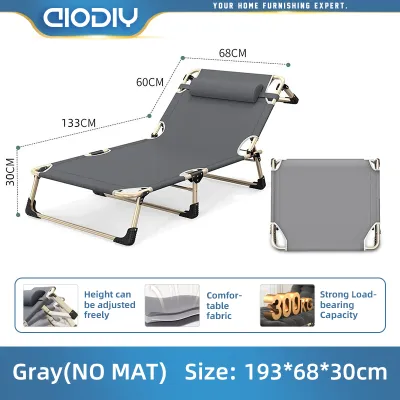
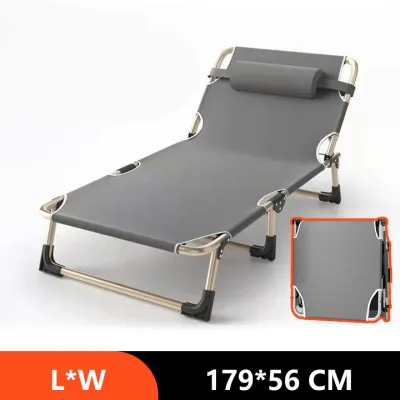
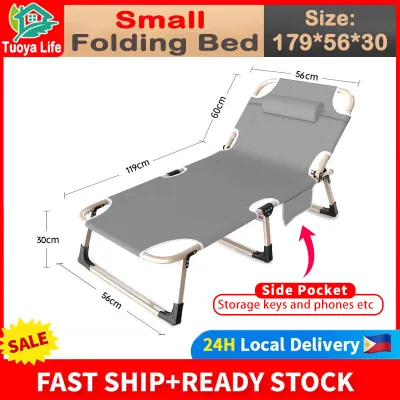

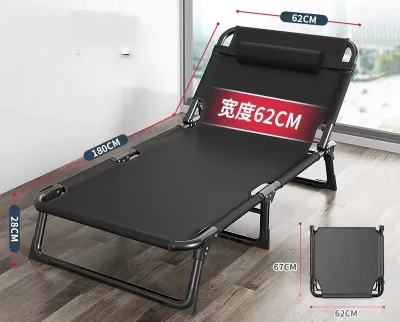
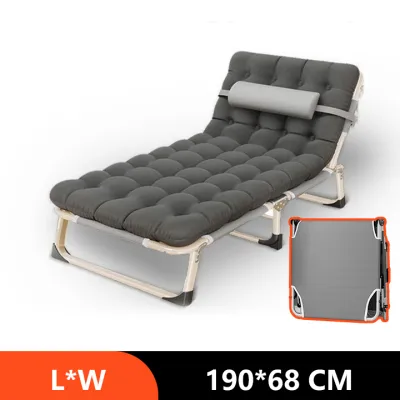
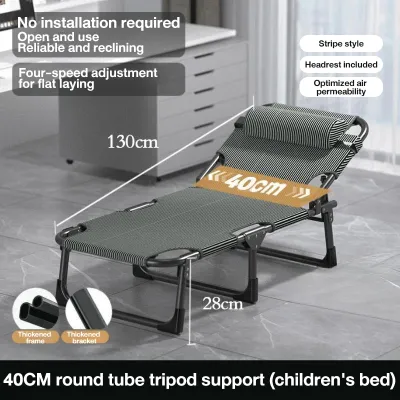
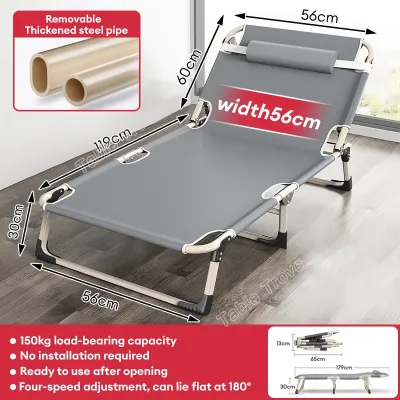
Prices are valid at publication and may change. Please refer to the product page for the latest price.
Beyond the floor and ceiling, you must account for the swing clearance of nearby architectural features. Measure the swing paths of entry doors, wardrobe doors, and windows to ensure they will not collide with the bed frame when it is lowered. If your condo has a balcony door, ensure the path to it remains completely unobstructed even when the bed is in use, as this is a vital safety route. Taking these precise measurements beforehand prevents the frustration of purchasing a unit that fits the wall but blocks essential pathways.
Your daily routine should dictate the type of folding bed you choose. If the bed is intended for daily use, you will need a robust, easily operated mechanism that can withstand constant folding and unfolding without straining your back. For occasional guest use, a simpler, more compact option like a rollaway frame or a cabinet-style folding bed may suffice. Clearly defining this usage frequency helps you balance your budget between high-durability daily mechanisms and more economical, occasional-use designs.
Additionally, consider whether you need your bed to perform double duty. Many modern folding bed systems integrate secondary functions, such as a fold-down desk for remote work or built-in shelving and storage compartments. If your condo bedroom also serves as your home office, a hybrid desk-bed system can eliminate the need for a separate workstation, saving even more floor space. Assess your daily activities to determine which integrated features will genuinely add value to your lifestyle.
Comparing Folding Bed Mechanisms and Configurations
Folding beds generally fall into two main categories: wall-mounted Murphy beds and freestanding folding frames. Wall-mounted units are anchored securely to the wall and fold up vertically or horizontally, offering a seamless, built-in appearance that completely frees up floor space during the day. However, they are permanent fixtures that require professional installation and cannot be easily moved. Freestanding folding beds, such as cabinet beds or rollaway frames, do not require wall mounting, making them highly portable and ideal for renters, though they do occupy a small permanent footprint on your floor.

If you decide on a wall-mounted bed, you must choose between a vertical (end-tilt) and a horizontal (side-tilt) orientation. Vertical beds fold down from the head of the bed, mimicking a traditional bed layout, but they require high ceilings and a deep projection into the room when deployed. Horizontal beds fold down along their long side, making them ideal for narrow rooms, long corridors, or units with lower ceilings. Horizontal configurations also leave the upper portion of the wall free for shelving or artwork.
For living-bedroom combinations, multi-functional integrations offer excellent versatility. Sofa-bed hybrids feature a built-in couch that is automatically cleared or folded down when the bed is lowered over it, allowing you to transition from a cozy living room to a comfortable bedroom in seconds. Cabinet-concealed units, on the other hand, fold away into a stylish sideboard or chest of drawers when closed, blending effortlessly into dining or living areas without revealing their true function.
When comparing these configurations, pay close attention to the lifting mechanism itself. Piston-based gas lifts provide smooth, near-effortless operation and are generally quieter, but they are difficult to adjust once installed. Spring-loaded mechanisms use heavy-duty steel springs that can be adjusted to balance the weight of your specific mattress, though they may require slightly more physical effort to operate over time and can occasionally squeak if not properly maintained.
Evaluating Mattress Support and Daily Comfort
A folding bed is only as comfortable as its support system and the mattress it holds. When evaluating different frames, look closely at the base construction. Slatted support systems, featuring curved wooden or metal slats, are highly recommended because they provide ergonomic flexibility and allow air to circulate beneath the mattress. Solid platform bases offer a firmer sleeping surface but restrict airflow, which can be a significant drawback in humid environments. Ensure the slats are spaced closely enough to prevent the mattress from sagging between them.
Mattress compatibility is a critical factor that is often overlooked. Most folding bed manufacturers specify strict limits regarding maximum mattress thickness and weight. Wall beds typically accommodate mattresses between 8 to 10 inches thick; attempting to use a thicker mattress may prevent the bed from closing fully or damage the locking mechanism. Furthermore, the mattress must be light enough to stay within the lifting mechanism’s weight capacity, yet heavy enough to keep the frame securely on the floor when deployed.
In addition to thickness and weight, consider the internal structure of the mattress. Because folding beds store the mattress vertically or in a folded state for long periods, the internal components must be resilient. High-density foam or pocket spring mattresses generally perform well because they retain their shape when stood on end. Avoid low-quality open-coil spring mattresses, as the coils can shift and bunch at the bottom over time, leading to uncomfortable lumps and uneven support.
Finally, inspect the quality of the frame’s hardware. Look for heavy-duty steel hinges, robust locking pins, and secure mattress straps. Mattress straps are essential for vertical wall beds, as they hold the mattress and bedding securely against the frame when it is folded upward, preventing the mattress from sliding down and jamming the mechanism. High-quality hardware ensures that the bed operates smoothly and safely for years to come.
Navigating Condo Safety, Installation, and Clearance
Installing a folding bed—particularly a wall-mounted unit—requires careful navigation of condominium rules and structural realities. Before making a purchase, consult your condo’s Property Management Office (PMO). Many condo corporations have strict guidelines regarding drilling into walls, structural modifications, and designated working hours for noisy installations. You may need to submit an work permit request, provide contractor details, and pay a security deposit before any installation work can begin.
Understanding your wall structure is paramount for safety. Wall-mounted folding beds exert significant leverage when being lowered or raised, meaning they must be anchored to a solid, load-bearing wall, such as structural concrete or heavy-duty metal studs. Drywall partitions, light hollow blocks, or aerated concrete walls are generally not strong enough to support the weight and tension of a wall bed without additional structural reinforcement. Never attempt to anchor a wall bed to a simple partition wall without professional verification.
Calculating safe clearance zones is another crucial step. When the bed is fully deployed, you should maintain a clear walking path of at least 50 to 60 centimeters around the sides and foot of the bed. This ensures you can move comfortably around the room at night without tripping. Additionally, check that the bed does not block access to light switches, electrical outlets, air conditioning units, or built-in closets when it is in either the open or closed position.
If you are renting your condo, wall-mounted units may not be an option due to lease restrictions against drilling into structural walls. In this scenario, focus your search on freestanding cabinet beds or high-quality rollaway frames. These options provide the space-saving benefits of a folding bed without risking your security deposit or violating your lease agreement, and they can easily be packed up and moved to your next home.
Building Your Conditional Shortlist
To find the perfect folding bed for your condo, synthesize your measurements, structural constraints, and daily needs into a practical comparison checklist. Create a simple matrix that lists your maximum allowable folded and unfolded dimensions, your preferred mechanism type, and the required weight capacity. As you browse different options, eliminate any models that do not fit these strict physical parameters, regardless of how appealing their design or price may be.
When comparing shortlisted options, look closely at the warranty terms and after-sales support. Because folding beds rely on complex mechanical parts, a comprehensive warranty on the lifting mechanism is highly valuable. Verify if the retailer offers professional delivery and assembly services. Given the weight of these units and the precision required for safe installation, paying for professional assembly is a worthwhile investment that ensures the bed is set up correctly and safely.
Finally, establish a realistic budget that accounts for the entire cost of ownership. The price of the folding bed frame is only one component; you must also factor in the cost of a compatible mattress, delivery fees (which can be higher for high-rise condos without service elevators), and professional installation charges. By calculating these total costs upfront, you can avoid unexpected expenses and choose a high-quality, reliable folding bed that fits both your budget and your compact condo bedroom.
Frequently Asked Questions (FAQ)
Do I need to anchor a freestanding folding bed to the wall?
While freestanding folding beds, such as cabinet beds, are designed to stand on their own without permanent wall mounting, anchoring them is still highly recommended for safety. When you pull the bed down, the center of gravity shifts forward, which can cause the cabinet to tip if it is not properly balanced or if the floor is slightly uneven. Most manufacturers include basic anti-tip hardware or safety straps with freestanding units; always install these according to the instructions to prevent accidental tipping, especially if you have heavy mattresses or active household members.
How do I prevent mold on a folding bed mattress in a humid climate?
In the tropical, humid climate of the Philippines, preventing moisture buildup on a folded mattress is essential to avoid mold and mildew. Choose a bed frame with a slatted base rather than a solid platform to allow air to circulate naturally around the mattress. Avoid folding the bed up immediately after waking; leave it open for at least 15 to 30 minutes to allow body heat and moisture to dissipate. Additionally, place moisture-absorbing silica gel packets or hanging dehumidifier bags inside the bed cabinet, and regularly run an air conditioner or dehumidifier in your condo bedroom to keep humidity levels in check.
Can I use my existing mattress on a new folding bed frame?
You can often reuse your existing mattress, provided it meets the strict physical requirements of the new folding bed frame. First, measure the thickness of your mattress to ensure it does not exceed the frame’s maximum depth limit, which is typically 8 to 10 inches for wall beds. Second, weigh your mattress; if it is too heavy, it may strain the lifting mechanism, whereas a mattress that is too light might not keep the bed frame flat on the floor. Finally, ensure your mattress is flexible enough to be stored vertically without sagging or bunching at the bottom, which can damage both the mattress and the folding mechanism.

Community discussion
Share your experience or ask a question. Comments are reviewed before publication.