
Finding the right wardrobe for your bedroom requires balancing storage capacity with the physical limits of your floor plan. Geneve Home and Office Furniture provides a selection of wardrobe styles designed to address these exact challenges in Philippine homes. Whether you are furnishing a compact studio condominium in Metro Manila or a spacious suburban house, selecting the correct configuration ensures your clothes stay organized and your room remains easy to navigate. By understanding the structural options, internal configurations, and spatial requirements, you can make an informed decision that enhances both the functionality and aesthetics of your personal space.
Quick Answer: Matching Wardrobe Styles to Your Bedroom Layout
To choose the right wardrobe, you must first evaluate your bedroom’s layout and daily traffic patterns. The space between your bed and the wardrobe determines whether you should opt for sliding or hinged doors. If your walkway is narrow, sliding doors are the most practical choice because they do not require extra floor space to open. For larger rooms where clearance is not an issue, classic hinged doors allow you to open the entire wardrobe at once, giving you a complete view of your belongings.
Additionally, you must decide between modular and freestanding units based on your long-term living plans. Freestanding wardrobes are ideal if you rent your home or enjoy rearranging your furniture, as they can be moved easily. Modular systems, on the other hand, allow you to combine different units to maximize wall space and ceiling height, creating a semi-built-in look.
Products mentioned in this guide
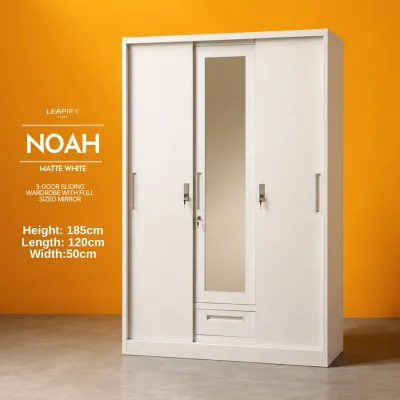
Prices are valid at publication and may change. Please refer to the product page for the latest price.
Before visiting a showroom, use this quick checklist to identify your primary storage needs:
- Hanging Space: Do you have many long dresses, suits, or formal wear that require full-length hanging rails?
- Folded Storage: Do you prefer stacking t-shirts, jeans, and knitwear on open shelves?
- Concealed Drawers: Do you need dedicated drawers for undergarments, socks, accessories, or valuables?
- Walkway Clearance: Is there at least 60 centimeters of open space in front of the wardrobe for comfortable movement?
Core Wardrobe Configurations to Explore at Geneve
When exploring the wardrobe options at Geneve Home and Office Furniture, you will encounter several core configurations. Each style serves a specific spatial purpose and suits different room dynamics.

Freestanding Hinged-Door Units
Freestanding wardrobes with hinged doors are a timeless choice. They offer direct access to the entire interior of the cabinet simultaneously, making it easy to coordinate outfits. However, they require careful spatial planning. You must calculate the swing radius of the doors to ensure they do not strike your bed frame, nightstands, or bedroom entry door. Typically, a standard wardrobe door requires 40 to 50 centimeters of clear swing space, plus an additional 50 centimeters for you to stand comfortably in front of the open cabinet.
Sliding-Door Systems
Sliding-door wardrobes are the ultimate space-savers for compact bedrooms and modern condominiums. Because the doors slide horizontally within the frame, they require zero clearance in front of the unit. When evaluating these systems, pay close attention to the track mechanisms and how smoothly the panels glide. Keep in mind that sliding doors overlap, meaning you can only access one side of the wardrobe at a time. Ensure that internal drawers are positioned so they can fully extend without hitting the edge of the overlapped door panel.
Corner and L-Shaped Configurations
If your bedroom has an awkward layout or unused corner space, an L-shaped or corner wardrobe configuration can turn dead space into highly functional storage. These units bridge two adjacent walls, providing deep storage compartments that are perfect for bulky items like luggage or seasonal bedding. When planning a corner unit, ensure that the doors on either side of the corner do not collide when opened at the same time.
Modular Combinations
For homeowners who want a customized look without the high cost of bespoke carpentry, modular wardrobes offer an excellent middle ground. You can purchase multiple freestanding units of varying widths and place them side-by-side to fill an entire wall. This approach allows you to mix and match hanging units, shelved units, and drawer chests to build a personalized storage system that fits your specific wardrobe inventory.
Assessing Internal Storage Systems for Your Belongings
A beautiful wardrobe exterior is only as good as the storage system inside. To keep your clothes organized and prevent clutter, you must choose an internal layout that matches your wardrobe habits.
Hanging Rails and Vertical Heights
Hanging rails are essential for keeping clothes wrinkle-free. A well-designed wardrobe should offer a mix of full-height and half-height hanging spaces. Full-height rails require approximately 150 centimeters of vertical clearance, which is ideal for long dresses, coats, and traditional attire. Half-height rails, often arranged in a double-decker configuration, require about 90 to 100 centimeters of vertical space per rail and are perfect for shirts, blouses, skirts, and folded trousers.
Drawers, Dividers, and Pull-Out Accessories
Drawers are crucial for organizing smaller items that cannot be easily hung or stacked on shelves. Look for wardrobes that offer drawers with internal dividers or shallow pull-out trays, which are excellent for organizing jewelry, watches, belts, and ties. Placing drawers at waist height or lower ensures you can easily see and reach their contents. Always check if the drawers pull out smoothly and feature safety stops to prevent them from falling out of the cabinet.
Adjustable Shelving Systems
Shelves provide versatile storage for folded garments, handbags, and storage boxes. Adjustable shelving is highly recommended because it allows you to customize the height of each compartment. For example, you can lower a shelf to accommodate tall boots or raise it to create a snug space for stacked t-shirts. Deep shelves are excellent for storing bulky bedding, extra pillows, and blankets, keeping them dust-free and out of sight.
Questions to Ask Store Staff
When browsing internal configurations at the showroom, do not hesitate to ask the sales representatives about customization options:
- Can I add extra shelves or hanging rails to this specific model?
- Are the internal drawers sold as optional add-ons, or are they built into the standard package?
- Can the height of the hanging rods be adjusted during installation?
- Are there soft-close upgrades available for the drawers and doors?
Space Planning: Measurements and Clearance Checks
One of the most common mistakes when buying bedroom furniture is failing to measure the space accurately. A wardrobe that is even a few millimeters too wide or too tall can result in a costly return or installation failure.
Measuring the Footprint and Ceiling Height
Begin by measuring the exact width and depth of the floor space where the wardrobe will stand. Next, measure the ceiling height in at least three different spots along the wall, as floors and ceilings are rarely perfectly level. If you plan to buy a wardrobe that nearly reaches the ceiling, leave at least 5 to 10 centimeters of clearance at the top to allow installers enough room to lift and secure the panels during assembly. Don’t forget to subtract the thickness of your skirting boards from your wall-to-wall measurements, as they can prevent the wardrobe from sitting completely flush against the wall.
Calculating Walkway and Door Clearance
To maintain a comfortable flow of movement in your bedroom, you must calculate the clearance around the wardrobe. Ideally, you should maintain a walkway of at least 60 centimeters between the wardrobe and your bed frame or other furniture. If you choose a hinged-door wardrobe, add the width of the door panel to this measurement to ensure you can walk past even when the door is fully open.
Checking Delivery Access Routes
A wardrobe is a large, heavy piece of furniture. Even if it fits perfectly in your bedroom, it must first get there. Measure the height and width of your front door, hallway corners, stairwells, and elevator doors. If you live in a high-rise condominium, check the elevator’s weight and height limits. Some large wardrobe panels or fully assembled units may not fit around tight stairwell turns or inside standard residential lifts, requiring alternative delivery arrangements.
Identifying Wall and Ceiling Obstructions
Before finalizing your purchase, inspect the wall and ceiling around the designated wardrobe area. Look for potential obstructions such as:
- Ceiling Fans and Light Fixtures: Ensure that swinging wardrobe doors will not hit ceiling fans or light pendants.
- Air Conditioning Units: Leave adequate clearance below wall-mounted AC units to allow for proper airflow and maintenance access.
- Light Switches and Power Outlets: Avoid blocking essential electrical outlets, light switches, or internet ports with the back or sides of the wardrobe.
- Window Frames and Curtains: Ensure the wardrobe depth does not block window openings or interfere with curtain rods and drapes.
Evaluating Materials, Finishes, and Hardware Quality
The tropical climate in the Philippines presents unique challenges for wooden furniture. High humidity levels can cause low-quality materials to warp, swell, or develop mold. Therefore, a physical inspection of the wardrobe’s materials and hardware is essential before buying.
Inspecting Boards and Edge Banding
Most modern wardrobes are constructed from engineered wood, such as medium-density fiberboard (MDF) or particle board, finished with a protective laminate or veneer. When inspecting a wardrobe in the showroom, look closely at the edges of the panels. High-quality edge banding should be seamlessly applied with no visible gaps, glue lines, or peeling. Properly sealed edges prevent moisture from entering the core of the board, protecting it from swelling and structural damage over time.
Testing Hardware and Moving Parts
The longevity of a wardrobe depends heavily on the quality of its hardware. Open and close the doors and drawers multiple times to test their operation.
- Hinges: Look for heavy-duty, adjustable metal hinges. Soft-close hinges are a valuable upgrade, as they prevent doors from slamming and reduce wear on the cabinet frame.
- Drawer Runners: High-quality drawers should glide smoothly on metal ball-bearing runners. Avoid plastic runners, which can crack or warp under heavy loads.
- Sliding Tracks: For sliding wardrobes, inspect the top and bottom tracks. The rollers should move quietly without catching or jumping off the track.
Checking Structural Stability
Gently push the side of the display wardrobe to check for wobble or flexing. A stable wardrobe should feel solid and rigid. Check the thickness of the back panel; cheap wardrobes often use paper-thin backing boards that sag over time, compromising the entire structure. Look for back panels that are securely grooved into the frame rather than simply stapled or nailed on.
Verifying Warranty Terms
Always ask the sales team for clear details regarding the product warranty. A reliable warranty should cover manufacturing defects in the structural boards as well as failures in the hardware mechanisms, such as hinges, drawer runners, and sliding tracks, for a reasonable period.
How to Verify Stock, Customization, and Delivery
Once you have selected the perfect wardrobe style and verified your measurements, the final step is to coordinate the purchase, delivery, and assembly process with the retailer.
Confirming Stock and Lead Times
Ask the showroom staff if your chosen wardrobe model, size, and finish are currently in stock at their warehouse. If the item is available, delivery can usually be scheduled within a few days. However, if you require a specific finish or a modular configuration that is currently out of stock, ask for a realistic lead time. Made-to-order or imported items can take several weeks to arrive, so plan your purchase accordingly if you are moving into a new home.
Clarifying Delivery and Assembly Services
Because wardrobes are heavy and difficult to assemble correctly, professional installation is highly recommended. Inquire about the delivery fees and assembly charges to your specific location. Some retailers include assembly in the purchase price, while others charge a flat rate or a percentage of the item’s cost. If you live in a condominium or a multi-story house without an elevator, clarify if there are extra fees for carrying heavy panels up the stairs. Additionally, ask if they offer old furniture disposal services if you need to replace an existing wardrobe.
Reviewing Return and Damage Policies
Before making a payment, read the store’s return and exchange policy carefully. Inspect the delivered panels before the assembly team begins their work. If you notice any scratches, dents, or chipped edges caused during transit, point them out immediately to the delivery team and document them with photos. A reputable retailer should replace any damaged parts promptly without charging extra fees.
Requesting a Detailed Written Quotation
Before finalizing your transaction, request a comprehensive written quotation that includes:
- The exact model names, dimensions, and finishes of all selected components.
- A detailed breakdown of the internal fittings, such as the number of shelves, drawers, and hanging rails included.
- Itemized costs for the wardrobe, delivery, and professional assembly services.
- The estimated delivery date and the specific terms of the product warranty.
Frequently Asked Questions (FAQ)
Does Geneve Home and Office Furniture offer custom-sized wardrobes?
Geneve Home and Office Furniture primarily offers standardized freestanding and modular wardrobe systems rather than fully bespoke, made-to-measure carpentry. However, their modular designs allow you to combine different cabinet sizes and internal configurations to fit your bedroom’s dimensions closely. To find out if they can accommodate minor modifications or non-standard requests, it is best to consult directly with their showroom staff, who can provide up-to-date information on their current customization policies and lead times.
How should I maintain sliding door tracks in a dusty environment?
To keep sliding wardrobe doors operating smoothly, you must clean the tracks regularly. Dust, lint, and pet hair easily accumulate in the bottom track, causing the rollers to stick or jump. Use a vacuum cleaner with a narrow crevice tool or a stiff brush to remove loose debris at least once a week, then wipe the track with a dry microfiber cloth. Avoid using wet lubricants, grease, or heavy oils on the tracks, as these substances attract dust and create a sticky grime that can permanently damage the roller mechanisms.

Community discussion
Share your experience or ask a question. Comments are reviewed before publication.