
The best headboard foam for a bed balances supportive cushioning with long-term resilience, typically achieved using high-density polyurethane (PU) foam. While memory foam offers body-conforming softness and latex provides a springy, natural feel, standard PU foam remains the practical choice for upright leaning comfort. The ideal setup depends heavily on how you use your bed: a thickness of 1 to 2 inches works well for purely decorative headboards, while 3 to 4 inches of high-density foam is necessary if you regularly sit up to read, watch television, or work.
In the tropical climate of the Philippines, where high humidity and warm temperatures are constant, choosing the right foam and upholstery combination is crucial. Excessive moisture can trap heat and degrade low-quality materials quickly, making it essential to look beyond surface-level softness. By evaluating foam type, density, and thickness alongside proper construction checks, you can select a headboard that remains comfortable, supportive, and structurally sound for years.
Understanding Foam Types for Upholstered Headboards
When shopping for a padded headboard, the material inside determines how the backrest feels when you lean against it. Polyurethane (PU) foam is the most common material used in upholstered bed frames. It is lightweight, highly versatile, and can be manufactured in various firmness levels to suit different preferences. Standard PU foam provides a predictable, resilient bounce-back that supports your back and shoulders without letting you sink too deeply into the frame.
Products mentioned in this guide
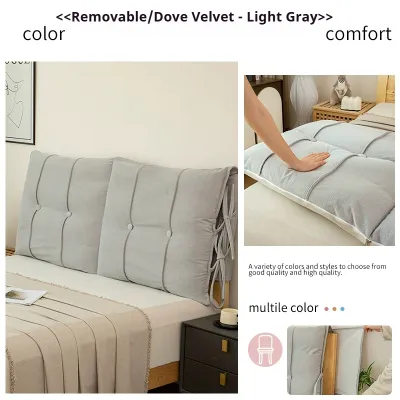



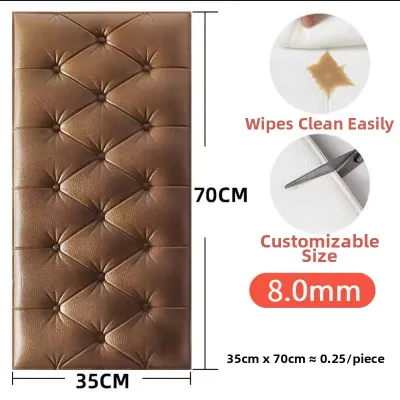

Prices are valid at publication and may change. Please refer to the product page for the latest price.
Memory foam is another option, known for its slow recovery and contouring properties. While it excels in mattresses by relieving pressure points, its application in headboards requires careful consideration. Memory foam reacts to body heat, softening as you lean against it. In a warm, humid room, this heat-retention property can make the headboard feel uncomfortably warm against your back, and the deep sink might not provide enough upright support for sitting.
Latex foam offers a highly responsive, springy alternative that recovers its shape instantly when you sit up. Natural latex is highly breathable, which helps dissipate heat in tropical environments, but it is typically heavier and more expensive than synthetic alternatives. Many premium headboards use a thin layer of latex or memory foam over a sturdy PU foam core to combine surface softness with deep structural support.
To know exactly what you are buying, always check the manufacturer’s material labels or product descriptions. Look for detailed breakdowns of the upholstery layers rather than relying on broad marketing terms. A product labeled simply as “foam-padded” could contain low-grade scraps that lose their shape within a few months of daily use.
It is important to recognize that material names alone do not guarantee comfort or durability. A headboard advertised as containing “premium memory foam” might only feature a paper-thin layer over a rigid wooden board. Verifying the actual construction specifications, such as the thickness of each layer and the overall density, is the only reliable way to assess how the headboard will perform over time.
How Foam Density Impacts Comfort and Durability
Foam density is a critical specification that directly dictates how well a headboard retains its shape and supports your weight. Measured by weight per unit volume, density indicates how much actual polymer material is packed into the foam. High-density foam contains more material and less air, making it highly resilient and resistant to sagging, even under constant pressure from leaning.

Lower-density foams often feel incredibly soft and inviting when you first touch them in a showroom or unbox them at home. However, this initial softness can be misleading. Because low-density foam contains more air pockets, it compresses easily under weight. Over time, sitting against a low-density headboard causes the foam to bottom out, leaving you leaning against the hard wooden backing board underneath.
In contrast, high-density foam provides firmer, more consistent support. While it might feel slightly rigid at first, it distributes your weight evenly and prevents your back from pressing through to the frame. For a headboard that sees daily use—such as when you sit up to use a laptop or read before sleeping—high-density foam ensures the headboard maintains its plush appearance without developing permanent indentations.
When evaluating options, do not rely solely on a physical touch test, as surface fabrics and tight upholstery can mask the true quality of the foam underneath. Instead, ask the retailer or check the product specifications for the foam’s density rating. High-quality upholstered furniture typically utilizes foam rated at 1.8 pounds per cubic foot (approximately 28 kilograms per cubic meter) or higher for long-lasting structural integrity.
If you are shopping on a budget, you may need to balance the trade-offs between cost and longevity. A lower-density foam headboard might be perfectly acceptable for a guest bedroom that is rarely used. However, for your primary bed, investing a few thousand pesos (₱) more in a higher-density foam will prevent the unsightly sagging and loss of comfort that often requires premature replacement or expensive reupholstery work.
Selecting the Right Foam Thickness for Your Needs
The thickness of your headboard foam plays a dual role, affecting both your physical comfort and the layout of your bedroom. If your headboard is purely decorative and you rarely sit up in bed, a thin foam profile of 1 to 2 inches is generally sufficient. This thickness provides enough padding to soften the look of the bed frame and protect your head from accidental bumps without adding unnecessary bulk to the room.
For those who frequently lounge, read, or work in bed, a thicker foam profile of 3 to 4 inches is highly recommended. This extra depth allows the foam to contour gently to your spine while preventing your shoulders and lower back from feeling the hard support structure behind the padding. The thicker cushion acts as a true backrest, transforming your bed into a comfortable seating area.
However, thicker foam profiles increase the overall depth of the headboard, which can impact your bedroom’s usable space. In smaller bedrooms or tight condo units, a headboard that protrudes 4 or 5 inches from the wall can restrict walkway clearance around the foot of the bed. It also pushes your mattress further into the room, which might interfere with bedside tables or wardrobe doors.
Before making a purchase, carefully measure your bedroom layout and verify the physical dimensions of the headboard in the product manual. Pay close attention to the distance between the front of the padded headboard and the wall. Ensure that the added depth does not block electrical outlets, light switches, or air conditioning vents that are positioned near the head of the bed.
Additionally, consider how the foam thickness aligns with your mattress. A very thick headboard can create a noticeable gap between the mattress and the wall if the bed frame brackets do not allow for adjustment. Checking these dimensions beforehand ensures that your bed fits snugly against the wall, maintaining a clean, streamlined look in your bedroom.
Key Construction and Upholstery Checks Before Buying
Beyond the foam itself, the overall construction of the headboard determines its safety, stability, and ease of maintenance. Start by inspecting the internal backing board, which serves as the foundation for the foam. High-quality headboards use solid wood or sturdy plywood frames, whereas cheaper alternatives may rely on thin particleboard that can warp or crack under the pressure of leaning.
The method used to attach the foam to the backing board is equally important. The foam should be securely adhered across its entire surface using high-quality upholstery adhesive to prevent it from shifting, sliding, or bunching over time. If you can feel the foam moving independently of the backing board when you press your hand against it, the adhesive may be failing or insufficient, which will lead to lumpy padding.
The outer fabric covering the foam requires careful selection, especially in warm, humid climates. Look for breathable fabrics like linen blends, cotton, or performance synthetics that allow air to circulate, preventing moisture buildup and mold growth inside the foam. Check the manufacturer’s cleaning codes to ensure the fabric can be easily spot-cleaned or vacuumed to remove dust mites and sweat stains.
Finally, evaluate the mounting hardware and structural stability of the headboard. A heavy, thickly padded headboard requires robust wall mounts or secure bolts that attach directly to the bed frame. Check the manufacturer’s weight limits and installation instructions to ensure your wall type can support the headboard without risk of tipping or causing structural damage.
If you are mounting the headboard directly to a concrete or drywall surface, ensure you use the correct anchors and screws. A loose headboard will wobble and rub against the wall, damaging the paint and creating irritating squeaks whenever you move in bed. Taking the time to verify these construction details ensures a safe, quiet, and durable bedroom setup.
Frequently Asked Questions (FAQ)
Can I add extra foam padding to an existing headboard?
Yes, you can add extra foam padding to an existing headboard, provided the underlying frame is structurally sound and can support the added weight. Before starting a DIY project, consult the manufacturer’s guidelines to ensure you do not void any active warranties on your bed frame. If you proceed, you will need to remove the existing fabric cover, apply a suitable upholstery spray adhesive to bond the new foam layer to the old one, and wrap the assembly in polyester batting before securing a new fabric cover with a heavy-duty staple gun.
Does headboard foam thickness affect mattress fit and bed height?
Yes, headboard foam thickness can directly affect how your mattress fits against the frame and how the bed is positioned in your room. A very thick headboard pushes the mattress and bed frame forward, which can create a gap where pillows might slide down if the frame is not properly aligned. When purchasing a new headboard, measure the mounting brackets to ensure they align perfectly with your bed frame, and check that the bottom edge of the padded section sits flush with or slightly below the top of your mattress to maintain a seamless look.

Community discussion
Share your experience or ask a question. Comments are reviewed before publication.