
Finding the right heavy-duty metal shelves for a home office or study in the Philippines requires balancing raw structural strength with residential practicality. Unlike standard decorative bookshelves, heavy-duty metal racks are designed to support substantial weight, such as dense stacks of legal documents, heavy reference books, multi-function laser printers, and backup power supplies. To make the right choice, you must evaluate the load capacity, physical dimensions, structural integrity, and rust resistance of the shelving units, ensuring they fit seamlessly into your workspace while handling the demands of a tropical climate.
Assessing Load Capacity and Space for Office Equipment
Before purchasing any metal shelving unit, you must accurately estimate the total weight of the items you plan to store. Home office equipment and reference materials are deceptively heavy. For instance, a single shelf filled with dense academic textbooks, legal binders, or technical manuals can easily weigh between 20 and 35 kilograms. Standard reams of printer paper, especially when purchased in bulk boxes, add significant weight quickly, with a single box often exceeding 12 kilograms. Additionally, office machinery like multi-function laser printers, paper shredders, and uninterruptible power supplies (UPS) can range from 15 to over 30 kilograms. To establish a safe baseline capacity, list every item destined for the shelves, estimate their individual weights, and add a safety margin of at least 20 to 30 percent to prevent overloading the structure.
Once you have established your weight requirements, you must measure your physical space with high precision. Heavy-duty metal racks have fixed dimensions that cannot be easily adjusted once assembled. Measure the available floor width, depth, and the total ceiling height of your study or home office. Be sure to account for baseboards, wall moldings, light fixtures, and window frames that might obstruct the installation. Furthermore, consider the logistics of getting the shelving unit into your home. These units are typically shipped flat-packed in long, extremely heavy boxes. Measure the clearance of your entryways, hallways, stairwells, and doorways to ensure you can safely transport the packages to the designated room without damaging your walls or risking physical strain.
Products mentioned in this guide
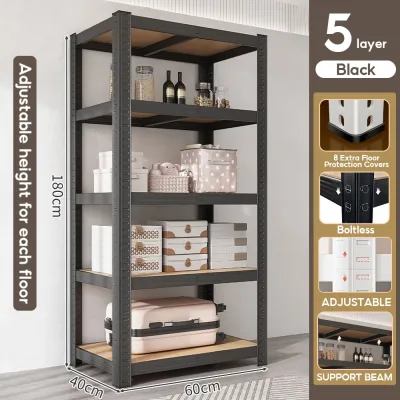
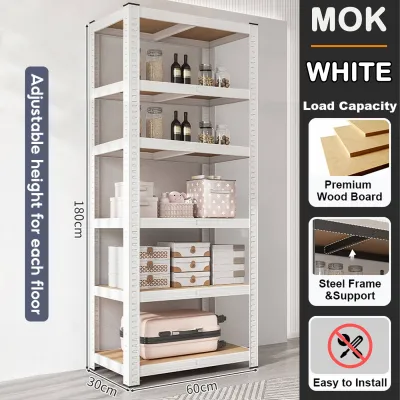
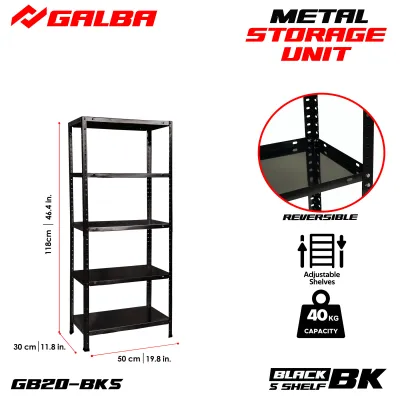
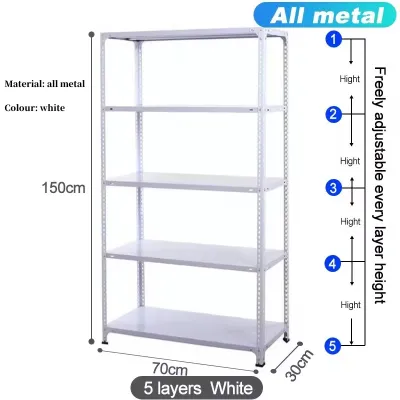
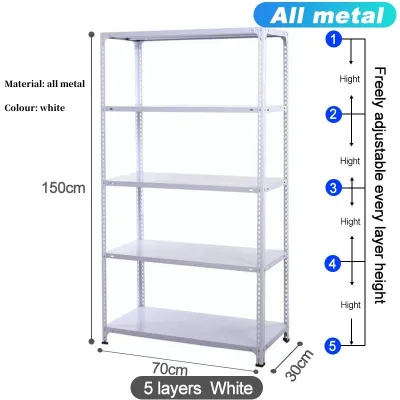
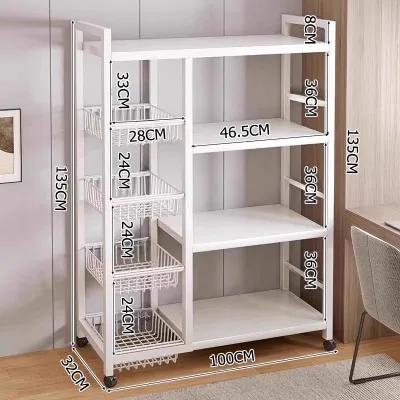
Prices are valid at publication and may change. Please refer to the product page for the latest price.
It is also critical to understand the difference between a Uniformly Distributed Load (UDL) and a point load when planning your shelf layout. Most manufacturers rate their shelving units based on UDL, which assumes the weight is spread evenly across the entire surface of the shelf panel. However, placing a heavy, concentrated object like a desktop printer or a compact safe directly in the center of a shelf creates a point load. This concentrated force can cause the shelf panel to bow, sag, or even fail, even if the total weight is well below the manufacturer’s rated UDL capacity. To mitigate this risk, place heavy, concentrated machinery as close to the vertical support posts as possible, or place a thick, rigid wooden board over the metal shelf to help distribute the concentrated weight across a larger surface area.
Evaluating Build Quality and Structural Features
The structural integrity of a heavy-duty metal rack depends heavily on the quality of its materials and manufacturing. When evaluating different options, pay close attention to the steel gauge thickness. In metal fabrication, a lower gauge number indicates thicker and stronger steel. For reliable home office storage, look for frames constructed from steel with a gauge rating that indicates heavy-duty residential or light commercial use. Thicker steel resists bending under sustained loads and provides a more stable, rigid frame. Examine the quality of the welds and joints; clean, continuous welds at critical stress points are far superior to sparse spot welds, which can crack over time under heavy loads. Additionally, look for units that incorporate diagonal cross-bracing on the back or sides, as this feature dramatically reduces lateral swaying and structural twisting.

Shelf adjustability is another crucial feature that dictates how effectively you can utilize your storage space. A high-quality metal rack should offer adjustable shelf heights, allowing you to customize the vertical spacing to match your specific storage needs. Look for boltless shelving systems that utilize keyhole slots or heavy-duty post clips. These designs allow you to adjust the height of each tier in small, precise increments, typically every 1.5 to 2 inches, without requiring specialized tools. When inspecting these locking mechanisms, ensure that the shelf brackets seat deeply and securely into the vertical posts. There should be no visible play, wobbling, or risk of the bracket slipping out of its slot when upward or downward pressure is applied.
In the Philippines, the tropical climate presents a unique challenge for metal furniture due to high relative humidity levels throughout the year. To prevent rust, corrosion, and premature structural failure, you must verify the surface treatment of the metal rack. Avoid cheap, single-coat spray paints, which chip easily and expose the raw steel underneath to moisture. Instead, opt for shelving units finished with a high-quality, electrostatically applied powder coating. This process bakes a durable polymer finish onto the steel, creating a thick, scratch-resistant barrier that seals out moisture and humidity. A robust powder-coated finish not only protects the metal from rust in humid environments but also resists scratches from sliding metal binders, heavy boxes, and office equipment.
Assembly, Anchoring, and Safety Precautions
Assembling and installing a heavy-duty metal shelving unit in a residential study requires careful attention to safety and structural alignment. One of the most critical safety measures is wall anchoring. Any shelving unit that stands taller than 1.5 meters, or any rack that is loaded with heavy items on its upper tiers, poses a significant tip-over hazard. This risk is especially high in homes with children, pets, or high foot traffic. To eliminate this danger, secure the top of the rack directly to the wall using heavy-duty wall anchors, L-brackets, or specialized anti-tip straps. If your study has concrete or masonry walls, use appropriate masonry anchors and screws; for drywall, ensure the brackets are anchored directly into the wooden or metal wall studs rather than the plasterboard alone.
Achieving a perfectly level foundation is equally vital for the safety and longevity of your shelving unit. Many residential floors, particularly those finished with tiles or older hardwood, are not perfectly flat. If you assemble a heavy-duty metal rack on an uneven surface, the frame will twist, causing the vertical posts to lean and placing severe, unintended stress on the joints and locking clips. This structural misalignment significantly reduces the overall load capacity of the rack and increases the risk of collapse. Use a high-quality spirit level to check both the horizontal and vertical alignment of the frame during assembly. If the rack does not feature built-in adjustable leveling feet, insert durable metal or hard plastic shims under the base plates of the low posts until the unit is perfectly level and plumb.
During the assembly process, always adhere strictly to the manufacturer’s guidelines and specifications. If the shelving unit uses a bolted construction, use a torque wrench or the recommended hand tools to tighten all fasteners to the specified tension. Over-tightening can strip the threads of the bolts or deform the metal brackets, while under-tightening will leave the frame loose and prone to swaying. Avoid making any makeshift modifications to the shelving unit, such as drilling custom holes, cutting down the vertical posts, or omitting support beams to fit a tight space. These unauthorized alterations compromise the engineered load paths of the structure, void the manufacturer’s warranty, and can lead to sudden, catastrophic failure under load.
Weight Distribution and Routine Maintenance
Once your heavy-duty metal shelving unit is safely assembled and anchored, you must practice proper loading techniques to maintain its structural integrity over time. The golden rule of shelf loading is to keep the center of gravity as low as possible. Always place your heaviest items—such as archive boxes filled with tax documents, heavy reference encyclopedias, backup battery units, and heavy paper reams—on the lowest shelves. This bottom-heavy configuration anchors the unit firmly to the ground and dramatically reduces the risk of tipping. As you move up the rack, store progressively lighter items, reserving the top shelves for lightweight office supplies, empty storage bins, or decorative items.
Regular maintenance and inspections are essential to ensure the shelving unit remains safe and functional for years to come. Every few months, perform a thorough visual inspection of the entire rack. Look closely at the shelf panels to check for any signs of bowing, deflection, or permanent deformation. Inspect the vertical posts to ensure they remain perfectly straight and have not buckled under the weight. Check all joints, bolts, and locking clips to confirm they remain tight and fully engaged. If you discover any bent components, loose fasteners, or signs of metal fatigue, immediately unload the affected shelves and contact the manufacturer for replacement parts or professional repair advice.
To preserve the protective powder-coated finish and prevent rust, establish a gentle cleaning routine. Dust and airborne grime can trap moisture against the metal surface, which may eventually penetrate microscopic imperfections in the finish. Wipe down the frame and shelves regularly using a soft, dry microfiber cloth. For more stubborn dirt or spills, use a slightly damp cloth with a mild, pH-neutral soap solution, and dry the surface immediately with a clean towel. Never use abrasive scrubbing pads, steel wool, or harsh chemical cleaners containing bleach, ammonia, or solvents, as these abrasive agents will scratch and degrade the protective coating, exposing the raw steel to the humid tropical air.
Frequently Asked Questions (FAQ)
Can I use industrial warehouse racks in a small home study?
While industrial warehouse racks offer exceptional load capacities, they are generally unsuitable for a typical home study or office. These units have a very large physical footprint and deep shelves, which can easily overwhelm a small room and restrict physical movement. Additionally, warehouse racks are designed for utility rather than aesthetics; they often feature rough, unfinished steel, sharp edges that can snag clothing, and industrial orange or blue paint schemes that clash with home decor. They also lack protective foot caps, meaning their heavy steel posts can easily gouge or crack residential flooring.
How do I prevent metal shelves from scratching my hardwood floors?
Heavy metal shelving units can easily scratch, dent, or gouge hardwood, laminate, or tiled floors, especially when loaded with hundreds of kilograms of office gear. To protect your flooring, always install heavy-duty rubber caps, plastic feet, or thick felt pads on the bottom of each vertical post before assembling the unit. If the rack does not come with protective feet, you can purchase aftermarket rubber caster cups or heavy-duty furniture coasters. When moving or repositioning the shelving unit, never drag it across the floor. Fully unload the shelves first, and use proper lifting techniques or a furniture dolly to move the frame safely.

Community discussion
Share your experience or ask a question. Comments are reviewed before publication.