
Storing heavy footwear like steel-toe work boots, rugged hiking boots, and tactical shoes requires far more structural support than standard footwear storage can provide. Standard shoe racks, often constructed from thin plastic connectors and hollow aluminum tubes, quickly buckle under the concentrated weight of heavy work shoes. To prevent bending, sagging, and eventual collapse, you need a heavy-duty shoe rack specifically engineered with high-strength materials, reinforced joints, and optimized shelf spans. Choosing the right heavy-duty storage solution involves evaluating frame thickness, shelf support mechanisms, and weight ratings to ensure your footwear remains organized and secure.
Why Standard Shoe Racks Fail Under Heavy Footwear
Ordinary shoe racks are designed for lightweight sneakers, sandals, and casual shoes, which typically weigh less than 0.5 kilograms per pair. In contrast, a single pair of steel-toe safety boots or heavy-duty leather work boots can easily weigh between 1.5 to 2.5 kilograms. When multiple pairs of these heavy shoes are placed on a single shelf, the cumulative load quickly exceeds the structural limits of standard household storage units.
The primary physical cause of rack failure is shelf deflection, which occurs when a load is applied to a horizontal span. According to structural engineering principles, the amount of bending or deflection in a shelf increases exponentially with the length of the span and decreases with the thickness and stiffness of the material. Standard shoe racks often feature long, unsupported spans made of thin plastic, lightweight fabric, or thin-walled hollow metal tubes. Under a heavy point load—such as a dense pair of work boots—these materials easily flex downward, creating a permanent sag that weakens the entire structure.
Products mentioned in this guide
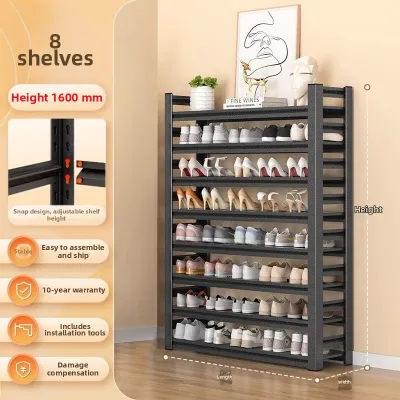
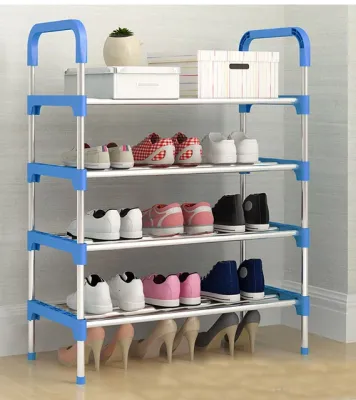
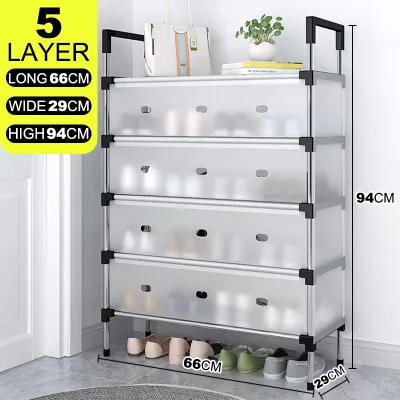
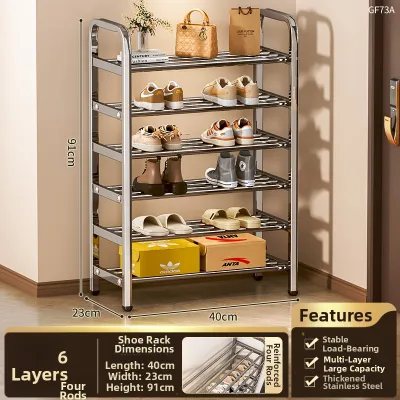
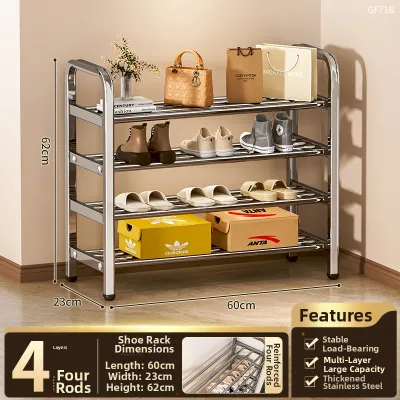
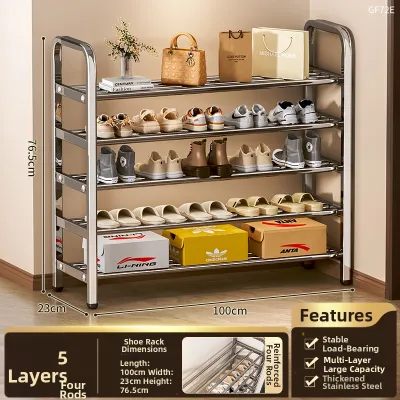
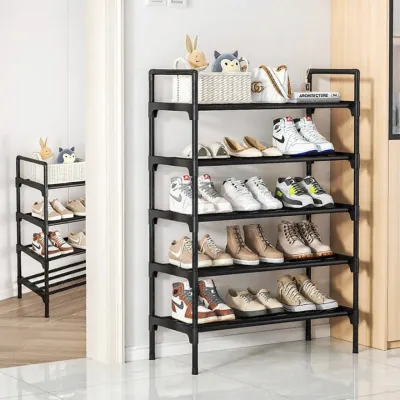
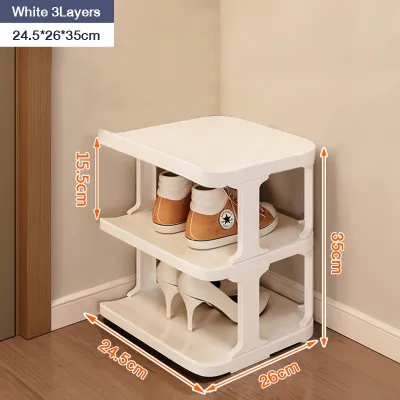
Prices are valid at publication and may change. Please refer to the product page for the latest price.
Furthermore, standard racks rely heavily on friction-fit plastic joint connectors to hold the frame together. These plastic components are highly susceptible to stress relaxation and environmental degradation, especially in warm, humid climates. Over time, the constant downward force of heavy boots stretches and cracks these joints, leading to a catastrophic collapse of the entire rack. Lightweight aluminum or hollow steel tubes with ultra-thin walls also tend to crimp or bend permanently at the connection points when subjected to uneven weight distribution or sudden impacts.
Key Features of Heavy-Duty Shoe Racks That Prevent Bending
To find a shoe rack that can withstand the demanding weight of work boots without bending, you must look beyond aesthetic appeal and examine specific engineering features. A true heavy-duty rack relies on robust materials, intelligent shelf design, and verified weight capacities.

Material and Frame Construction
The foundation of any non-bending shoe rack is its frame material. Look for racks constructed from heavy-gauge carbon steel, industrial-grade iron, or reinforced steel alloys. These materials possess high tensile strength and resistance to bending under load. When reviewing product specifications, pay close attention to the tube diameter and wall thickness. Heavy-duty frames typically feature vertical posts with a diameter of at least 19 millimeters (about 0.75 inches) to 25.4 millimeters (1 inch) and a wall thickness of 1.0 millimeter or greater.
In the tropical and highly humid climate of the Philippines, material protection is just as critical as structural strength. Wet weather, heavy rains, and mud-caked boots introduce constant moisture to the storage area. Unprotected steel will quickly rust, compromising its structural integrity and leading to joint failure. To prevent this, ensure the metal frame features a high-quality, rust-resistant finish. Powder coating is an excellent choice, as it creates a thick, durable barrier that resists scratches, chipping, and moisture. Alternatively, hot-dip galvanized steel or chrome plating offers superior protection against corrosion in humid utility rooms, garages, or entryways.
Shelf Design and Support Mechanisms
Even a strong frame will fail if the shelves themselves are weak. High-density steel wire grids, reinforced steel crossbars, or solid heavy-gauge metal panels are essential for supporting heavy footwear. Wire grid shelves are particularly effective because the individual wires are welded together, creating a truss-like structure that distributes weight evenly across the frame. Look for shelves that incorporate under-shelf support ribs or welded crossbars running underneath the main surface to prevent the center from bowing.
The span length—the distance between the vertical support posts—plays a major role in preventing deflection. Shorter spans are inherently stiffer and less prone to bending. If you require a wide storage system, choose a model that features middle support legs or vertical dividers that break the shelves into shorter, more manageable spans. Additionally, look for adjustable shelving mechanisms that utilize heavy-duty locking sleeves, metal brackets, or secure bolt-through connections. These systems allow you to customize shelf heights for tall boot shafts while maintaining a tight, rigid connection to the vertical frame.
Weight Capacity and Load Distribution
When evaluating product listings, it is vital to distinguish between “total unit capacity” and “per-shelf capacity.” A manufacturer might advertise a rack with a “100-kilogram capacity,” but if that weight must be distributed across five shelves, each individual shelf can only support 20 kilograms. If you place four pairs of heavy, mud-caked work boots (weighing approximately 2.5 kilograms each) on a single shelf, you are already utilizing 10 kilograms of that limit.
To accurately calculate your storage needs, estimate the weight of your heaviest footwear collection. A safe rule of thumb is to allocate at least 3 kilograms of capacity per pair of heavy boots. If a shelf is designed to hold four pairs of boots, look for a certified per-shelf weight rating of at least 15 to 20 kilograms. Avoid relying on vague marketing descriptions like “heavy duty” or “extra strong.” Instead, search the technical specifications for concrete, numerical weight limits verified by independent testing standards.
Types of Heavy-Duty Shoe Racks for Work Boots and Tall Footwear
Different storage environments and footwear collections require specific rack configurations. Understanding the strengths and limitations of each heavy-duty rack type will help you select the most effective solution for your space.
Freestanding Industrial Wire Racks
Freestanding industrial wire racks, often constructed from chrome-plated or powder-coated steel, are among the most reliable options for heavy footwear. The open-wire design allows for maximum airflow around the shoes, which is crucial for drying damp work boots and preventing mold growth in humid environments. The shelves on these units are typically adjustable in 1-inch increments, allowing you to easily accommodate tall work boots, riding boots, or high-top safety shoes.
However, because these racks are freestanding, they require a completely level floor to ensure stability. Uneven flooring can cause the rack to twist or lean, placing uneven stress on the joints and reducing the overall weight capacity. Many high-quality industrial wire racks feature adjustable leveling feet to compensate for minor floor imperfections, which is highly beneficial in garages or utility areas with sloped concrete floors.
Heavy-Duty Stackable Cubbies and Lockers
For those who prefer a more organized, separated storage system, heavy-duty cubbies or modular metal lockers are an excellent choice. These units feature individual compartments made from thick sheet metal, heavy-duty plastics, or reinforced engineered wood. Because the weight of each pair of shoes is isolated within its own small compartment, the load is transferred directly to the vertical support walls and down to the floor, virtually eliminating the risk of mid-span bending.
Cubbies are ideal for keeping muddy or dirty work boots completely separated from clean everyday shoes, preventing debris from falling onto the footwear stored below. The primary limitation of cubby systems is their fixed dimensions. Unlike adjustable wire shelves, cubbies often have rigid, non-adjustable heights, which may make it difficult to store exceptionally tall boots or specialized equipment unless you purchase a unit specifically designed with oversized compartments.
Wall-Mounted Heavy-Duty Shelves
Wall-mounted heavy-duty shelving systems, such as twin-slot steel uprights with adjustable brackets, offer a highly space-saving and customizable storage solution. By mounting the vertical tracks directly to the wall, you clear valuable floor space, making it much easier to sweep and mop the entryway or garage floor.
The structural integrity of a wall-mounted rack depends entirely on its installation. To safely support heavy work boots, the vertical standards must be anchored directly into solid wood wall studs or solid masonry/concrete walls using heavy-duty lag screws or masonry anchors. In many Filipino homes, walls are constructed from concrete hollow blocks finished with plaster. For these walls, using high-quality concrete expansion shields or wall plugs is essential to prevent the anchors from pulling out under heavy loads. Anchoring these systems into thin drywall or gypsum board using plastic expansion anchors is highly dangerous and will inevitably lead to structural failure.
Comparison of Heavy-Duty Shoe Rack Types
To help you decide which configuration best suits your needs, the table below summarizes the key characteristics of each heavy-duty shoe rack type.
| Rack Type | Best Use Case | Key Structural Advantage | Critical Installation/Placement Requirement |
|---|---|---|---|
| Freestanding Industrial Wire Racks | Garages, utility rooms, and damp environments requiring high airflow. | Excellent weight capacity, adjustable shelf heights, and superior ventilation. | Requires a level floor; should be anchored to the wall if built tall. |
| Heavy-Duty Stackable Cubbies | Entryways and mudrooms where separating dirty gear is a priority. | Eliminates mid-span sagging by isolating weight in individual compartments. | Limited height adjustability; requires flat ground and stable stacking. |
| Wall-Mounted Heavy-Duty Shelves | Small spaces, closets, or areas where keeping the floor clear is essential. | Transfers heavy loads directly to the building's structural walls. | Must be anchored securely into solid masonry, concrete, or wood studs. |
How to Verify Weight Capacity and Structural Strength Before Buying
When shopping for a heavy-duty shoe rack online or in a local home improvement store in the Philippines, you must carefully evaluate physical details to ensure the product matches its marketing claims. In the Philippines, heavy-duty metal racks typically range from ₱1,200 to ₱4,500 depending on the size, shelf count, and material finish. Investing in a high-quality unit within this price band ensures you receive durable steel and robust joints rather than cheap, bendable alternatives. Use this step-by-step checklist to verify structural strength before finalizing your purchase:
- Examine the Technical Specifications: Look for explicit weight ratings listed in kilograms (kg) or pounds (lbs) per shelf. A true heavy-duty shelf should support at least 15 to 30 kg of evenly distributed weight. If the listing only provides a total weight capacity without specifying per-shelf limits, treat it with caution.
- Inspect the Joint Connections: Analyze product photos or physical display models closely. Look for robust connection methods such as welded steel joints, heavy-duty metal bolts, or thick, industrial-grade plastic locking sleeves (like those used on wire shelving). Avoid racks that rely on thin, brittle plastic snap-fit connectors or simple friction push-pins, as these are the first parts to fail under heavy loads.
- Analyze the Shelf Support System: Check if the shelves feature horizontal support bars underneath the main surface. For wire shelves, ensure the wire gauge is thick and the grid pattern is dense. If the shelf is made of sheet metal, check if the edges are folded or hemmed, which significantly increases the shelf's resistance to bending.
- Evaluate the Adjustment Mechanisms: If the rack features adjustable shelves, inspect how the shelves lock into place. Systems that use tapered split sleeves on grooved round posts or heavy steel brackets inserted into slotted uprights are incredibly secure and do not weaken the vertical frame. Avoid systems where the adjustment mechanism relies on tightening small plastic screws directly against a smooth metal post, as these can slip under heavy loads.
- Measure Your Space and Footwear: Measure the height, width, and depth of the available space, ensuring there is adequate clearance for doorways, hallways, or closet doors. Next, measure your tallest pair of boots. Ensure the distance between the shelves on the rack is sufficient to accommodate the boot shafts without folding or crushing them, which can damage the footwear's material over time.
Maintenance and Safety Tips for Heavy Footwear Storage
Proper installation, usage, and maintenance are essential to ensure your heavy-duty shoe rack remains safe, stable, and rust-free throughout its lifespan.
Tipping Prevention
Heavy work boots and safety shoes carry significant weight, and placing them on the upper shelves of a tall, narrow freestanding rack can raise the unit’s center of gravity. This creates a severe tipping hazard, especially if the rack is bumped or if children or pets are present. To prevent tipping accidents, always store your heaviest boots on the bottom shelves to keep the center of gravity as low as possible. Additionally, any freestanding rack taller than 1.2 meters should be securely anchored to the wall using heavy-duty anti-tip straps or brackets.
Moisture and Debris Management
In the Philippines, the rainy season brings heavy downpours that can leave work boots soaked and covered in mud. Before placing your boots on the rack, take a moment to knock off loose mud, dirt, and gravel. If your boots are soaking wet, allow them to drain and dry slightly in a well-ventilated area before storing them on metal shelves. While high-quality powder-coated or galvanized racks resist rust, prolonged exposure to standing water and trapped debris can eventually break down the protective finish, leading to localized corrosion and structural weakening.
Periodic Inspection and Hardware Tightening
The physical action of repeatedly placing and removing heavy, dense boots can subject the shoe rack to minor vibrations and shifting forces. Over time, these movements can cause bolts, screws, and locking clips to gradually loosen. Make it a habit to inspect your shoe rack every six months. Check for any signs of leaning, wobbling, or shelf sagging. Use a wrench or screwdriver to tighten any loose hardware, and ensure that adjustable shelf clips remain firmly seated in their designated slots.
Frequently Asked Questions (FAQ)
How much weight should a heavy-duty shoe rack hold per shelf?
A reliable heavy-duty shoe rack should support a minimum of 15 to 20 kilograms per shelf. Because a single pair of leather work boots or steel-toe safety shoes typically weighs between 1.5 and 2.5 kilograms, a shelf holding four to five pairs will need to support up to 12.5 kilograms of active load. Choosing a rack with a certified 20-kilogram per-shelf capacity provides a safe buffer, preventing the metal from flexing or fatiguing over time.
Can I use a heavy-duty wire rack for wet work boots?
Yes, heavy-duty wire racks are highly recommended for wet work boots because the open-grid design allows air to circulate freely around the entire shoe, accelerating the drying process. However, to prevent rust and corrosion from constant exposure to moisture, you must verify that the steel wire has been treated with a high-quality rust-resistant finish, such as an industrial powder coating, chrome plating, or galvanization.
Are wooden shoe racks considered heavy-duty for work boots?
While solid hardwood racks (such as those made from oak or mahogany) can be exceptionally strong, most mass-market wooden shoe racks are constructed from cheap particleboard, medium-density fiberboard (MDF), or thin bamboo. These engineered wood materials are highly prone to sagging under heavy loads and will quickly swell, warp, and rot when exposed to wet or muddy work boots. For heavy-duty applications, powder-coated or galvanized metal racks are a far more durable and reliable choice.

Community discussion
Share your experience or ask a question. Comments are reviewed before publication.