
Finding the right heavy-duty steel kitchen cabinets in the Philippines requires looking beyond attractive surface finishes to evaluate structural integrity, material thickness, and hardware quality. In tropical climates where high humidity, salt air, and intense daily cooking can quickly degrade standard furniture, a genuine heavy-duty steel cabinet offers an exceptionally durable, pest-resistant, and moisture-proof storage solution. However, because many products are marketed as “heavy-duty” without meeting industrial-grade standards, buyers must know how to verify material specifications, inspect structural joints, and measure their spaces accurately before making a purchase.
How to Verify Heavy-Duty Material Claims
To determine if a steel kitchen cabinet is truly built for heavy-duty performance, you must first understand the thickness of the metal sheet used in its construction. In manufacturing, steel thickness is measured by gauge numbers, where a lower gauge indicates a thicker and stronger sheet of steel. For instance, a cabinet constructed from 18-gauge or 16-gauge steel is significantly thicker, stiffer, and more resistant to bending than one made from 22-gauge or 24-gauge utility steel. When browsing options on an online marketplace or visiting a local showroom, always ask the seller for the specific gauge of the steel sheets used for both the outer frame and the individual shelves.
The type of steel and its surface treatment are equally critical when selecting furniture that can withstand the demanding conditions of a Philippine kitchen. Look for cabinets made from cold-rolled steel or stainless steel, as these materials offer superior structural stability and resistance to warping under heavy loads. Because raw steel is highly susceptible to oxidation when exposed to moisture and salty coastal air, a high-quality protective finish is non-negotiable. A powder-coated finish is the industry standard for heavy-duty applications, as it involves electrostatically applying a dry powder that is then cured under heat to form a hard, resilient skin. This protective layer is far more durable than standard liquid paint, providing excellent resistance to scratches, chipping, chemical cleaners, and rust.
Products mentioned in this guide
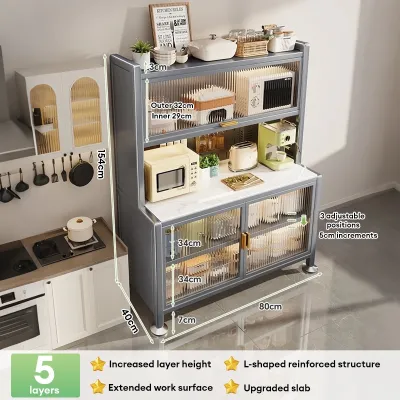
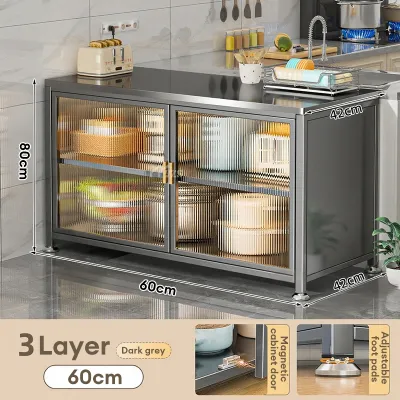
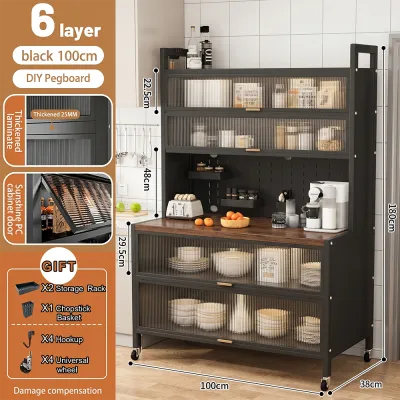
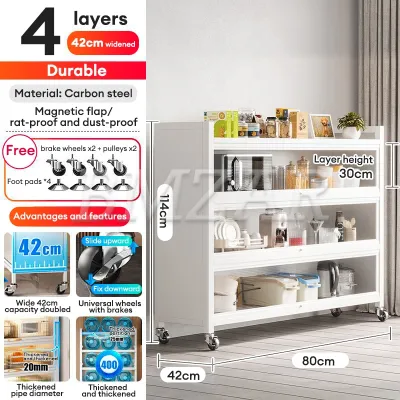
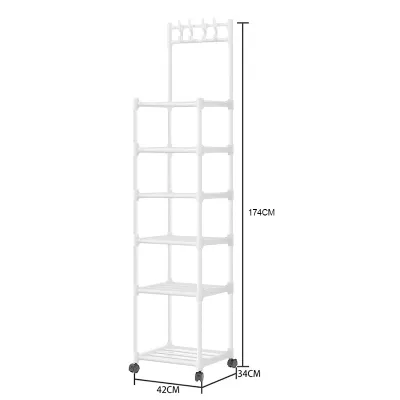
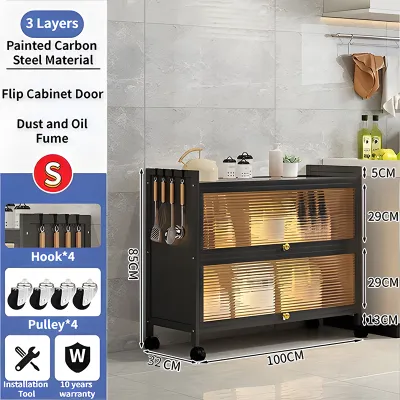
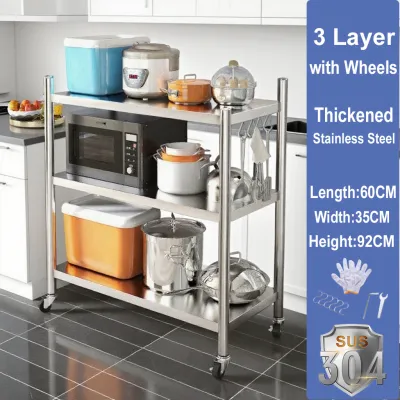

Prices are valid at publication and may change. Please refer to the product page for the latest price.
Finally, you must verify the manufacturer-stated load capacities for both the individual shelves and the overall cabinet unit. A genuine heavy-duty cabinet will have clearly documented weight limits, often specified in kilograms, which have been verified through structural testing. When evaluating these limits, consider the weight of the specific items you plan to store, such as heavy cast-iron cookware, sacks of rice, large clay pots, and small kitchen appliances. Be cautious of products that use vague terms like “high capacity” without providing concrete numbers, and always ensure that the stated load capacity is a distributed weight limit rather than a single-point limit.
Inspecting Joints, Hardware, and Load Stability
The overall strength of a steel kitchen cabinet depends heavily on how its individual components are joined together. Welded frames generally offer the highest level of rigidity and weight distribution, as the fused metal joints eliminate the risk of fasteners loosening over time under the stress of heavy loads. If you are purchasing a pre-assembled welded cabinet, inspect the weld points to ensure they are smooth, continuous, and free of visible gaps or slag. For flat-pack or modular units that require assembly, look for robust bolted connections with reinforced corner brackets and lock washers that prevent the bolts from backing out due to daily vibrations.

Beyond the main frame, the moving parts of the cabinet—specifically the hinges and drawer slides—are the most common failure points under heavy daily use. Heavy-duty steel cabinets should be equipped with industrial-grade, concealed hinges that can support the weight of thick steel doors without sagging. For drawers, look for full-extension ball-bearing drawer slides that are rated for high weight capacities, allowing you to pull the drawer out completely to access heavy items at the back without the risk of the drawer falling out of its tracks. These slides should operate smoothly and quietly, even when the drawer is loaded to its maximum capacity.
Load stability also requires careful attention to how the cabinet interacts with your kitchen floor and walls. Because many kitchen floors in the Philippines are tiled and may have slight slopes for drainage, adjustable leveling feet are essential for preventing the cabinet from rocking or tilting. These feet allow you to level the unit precisely, ensuring that doors align correctly and drawers do not slide open on their own. Additionally, tall or top-heavy steel cabinets must include integrated anti-tip mechanisms or wall-anchoring brackets, which allow you to secure the unit firmly to the wall studs to prevent accidental tipping when multiple drawers are opened simultaneously.
Measuring Your Kitchen and Delivery Access
Before finalizing your purchase of a heavy-duty steel cabinet, you must take precise measurements of your kitchen space to ensure a seamless fit and proper functionality. Start by measuring the available floor area, taking into account the depth of the cabinet and how far it will project into the room. You must also measure the clearances required for cabinet doors to swing open fully and for drawers to extend completely without obstructing walkways or colliding with existing appliances like refrigerators, stoves, or dishwashers. If the cabinet is designed to fit under an existing countertop or overhead shelf, measure the vertical clearance at multiple points to account for any unevenness in the floor or ceiling.
The physical weight and rigid structure of heavy-duty steel cabinets mean that delivery and installation logistics require careful planning. Unlike lightweight wooden or plastic furniture, fully welded steel cabinets cannot be easily disassembled to navigate tight spaces. You must measure the entire delivery route from the street to your kitchen, including the width and height of all doorways, hallways, stairwells, and elevator cabins. Pay close attention to tight corners, low ceilings, and handrails that could obstruct the passage of a bulky, heavy metal unit, and confirm whether the delivery service provides indoor placement or simply curbside drop-off.
Finally, assess the structural readiness of your kitchen walls and floors to support the substantial weight of a loaded steel cabinet. If you are planning to install wall-mounted steel cabinets, you must locate the wall studs or structural concrete columns to ensure secure anchoring, as standard drywall or thin plasterboard cannot support the weight of heavy-duty steel. For freestanding units, verify that the floor material can handle the concentrated load of the cabinet’s feet without cracking or denting, especially if you have soft vinyl tiles or delicate ceramic flooring.
Evaluating Humidity, Ventilation, and Upkeep
The tropical climate of the Philippines, characterized by high relative humidity and elevated temperatures, presents unique challenges for metal furniture maintenance. In a busy kitchen where boiling, steaming, and frying are daily activities, moisture can easily condense on cold steel surfaces, potentially leading to rust if the protective coating is compromised. To mitigate this risk, ensure your kitchen has adequate ventilation, such as an exhaust hood over the stove and open windows or exhaust fans to promote continuous airflow. When positioning your steel cabinet, leave a small gap of a few centimeters between the back of the unit and the wall to allow air to circulate freely and prevent moisture from becoming trapped.
Maintaining the protective surface coating of your steel cabinet is the key to ensuring its long-term durability and rust resistance. For daily cleaning, avoid using abrasive scrubbing pads, steel wool, or harsh chemical cleaners containing bleach, ammonia, or strong acids, as these can scratch or chemically degrade the powder-coated finish. Instead, use a soft microfiber cloth dampened with a mild solution of warm water and gentle dishwashing soap, followed by a thorough wipe-down with a dry cloth to remove any remaining moisture. Promptly clean up any spills of acidic liquids, such as vinegar, calamansi juice, or soy sauce, to prevent them from etching into the protective coating.
Despite your best efforts, daily kitchen activities may occasionally result in minor scratches or dents on your steel cabinet. While high-quality powder coating is highly resistant to damage, deep scratches that penetrate through to the bare steel must be addressed promptly to prevent rust from forming and spreading beneath the paint. Keep a small bottle of matching touch-up paint or a rust-inhibiting primer on hand to seal any exposed metal as soon as a scratch is noticed. For minor dents, keep in mind that heavy-duty steel is much more difficult to reshape than thin utility metal, so prevention through careful handling of heavy pots and pans remains the best approach.
Final Specification and Warranty Checklist
To secure a reliable investment, always cross-reference the marketing claims made by sellers with the official manufacturer specification sheet. This document provides the technical details regarding steel gauge, coating type, load limits, and exact dimensions that are legally binding, helping you avoid products that use misleading terminology. If the seller cannot provide a detailed specification sheet or is hesitant to confirm the exact materials used, it is best to look for alternative options from reputable manufacturers who prioritize transparency.
A comprehensive warranty is a strong indicator of a manufacturer’s confidence in their product’s durability and build quality. When reviewing the warranty terms, clarify exactly what is covered and for how long, paying close attention to clauses regarding structural defects, weld failures, hardware malfunctions, and rust-through. Be aware that many warranties for steel furniture may be voided if the cabinet is used outdoors, exposed to standing water, or subjected to loads exceeding the stated weight limits. Keep your purchase receipt, warranty card, and any communication with the seller in a safe place to facilitate future claims if necessary.
Lastly, clarify the logistics of delivery, assembly, and returns before finalizing your order. Because heavy-duty steel cabinets are exceptionally heavy and difficult to transport, confirm whether the seller’s delivery fee includes carrying the unit up stairs, unboxing, and placing it in your kitchen. If the cabinet requires assembly, determine if professional installation services are available and what fees are associated with them. Finally, understand the return policy for damaged or defective goods, including who bears the cost of return shipping for a heavy metal item, to protect yourself in the event that the product arrives with shipping damage or manufacturing defects.
Frequently Asked Questions (FAQ)
Do steel kitchen cabinets dent easily under normal use?
Heavy-duty steel kitchen cabinets constructed from thick-gauge steel, such as 16-gauge or 18-gauge, are highly resistant to denting under normal daily kitchen activities. The structural rigidity is further enhanced by internal frame bracing and double-walled door panels found in premium designs. While thin, low-cost utility steel cabinets may dent easily when bumped by heavy pots or pans, a genuine heavy-duty unit is engineered to withstand significant impacts without losing its shape or structural integrity.
Can I install heavy-duty steel cabinets myself?
While DIY installation is possible for smaller, pre-assembled units or modular flat-pack cabinets, professional installation is highly recommended for large, heavy-duty steel cabinets. The sheer weight of these units makes lifting and positioning them difficult and potentially hazardous for a single person. Furthermore, securing tall cabinets to wall studs or mounting wall cabinets requires precise leveling, specialized anchoring hardware, and a clear understanding of wall load capacities to ensure the installation is safe and stable.
Are steel cabinets noisy when closing doors and drawers?
Standard steel cabinets can produce a metallic clanging sound when doors and drawers are closed quickly, but heavy-duty models typically incorporate noise-reduction features to address this issue. High-quality steel cabinets are equipped with soft-close hinges, hydraulic drawer dampers, and rubber bumper pads that cushion the impact and eliminate loud noises. When selecting a cabinet, check the hardware specifications to confirm the inclusion of these dampening mechanisms for a quieter kitchen environment.

Community discussion
Share your experience or ask a question. Comments are reviewed before publication.