
To organize belongings efficiently after a lipat bahay (home relocation) in the Philippines, the best heavy-duty steel rack shelves are those that match your specific space constraints, offer adjustable tier heights, and feature verified load capacities suitable for your heaviest unpacked boxes. Transitioning from the chaos of taped cardboard boxes to a structured, clean home requires moving away from temporary storage solutions. Robust steel shelving provides the immediate vertical capacity needed to clear floor space, but choosing the right rack involves looking past generic marketing terms. By systematically evaluating load limits, physical dimensions, material coatings, and safety anchoring, you can transform a cluttered garage, utility room, or living space into a highly functional and safe environment.
Key Features to Evaluate Before Buying
Evaluating storage options requires a clear understanding of what makes a steel rack truly capable of handling your post-move inventory. Relying solely on a product label that says “heavy-duty” can lead to structural failures if the rack is subjected to loads beyond its actual design limits.
First, always verify the rated load capacity specified by the manufacturer. This rating is typically given as a maximum weight limit per shelf, assuming the weight is evenly distributed across the surface. This is known as Uniformly Distributed Load (UDL). For example, a shelf rated for 150 kilograms UDL can safely hold that weight only if it is spread out, rather than concentrated in a single heavy point in the center. Check the product manual or the specification label on the packaging to confirm these limits before placing heavy appliances or dense boxes of books on the tiers.
Products mentioned in this guide
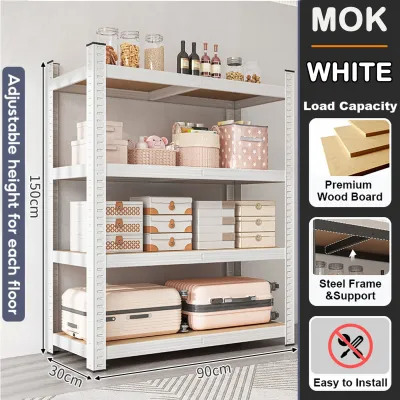
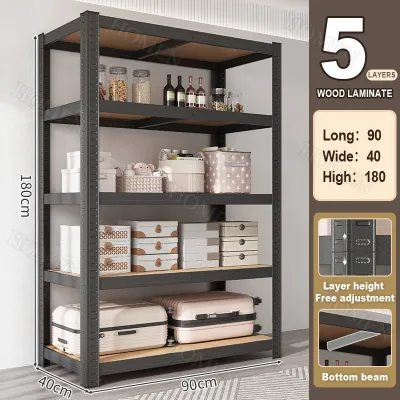
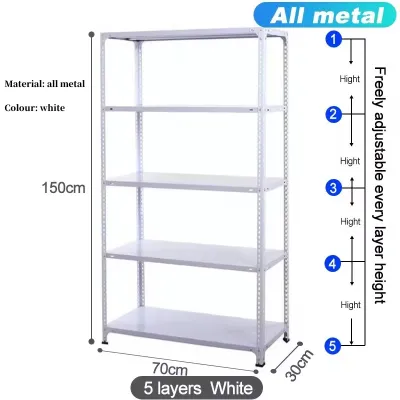

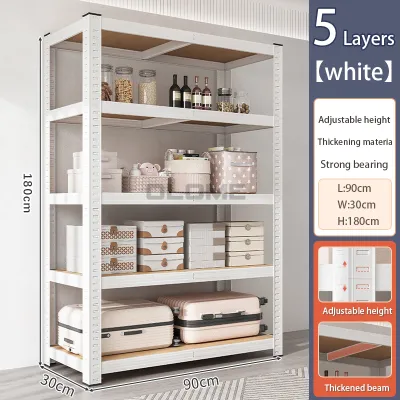
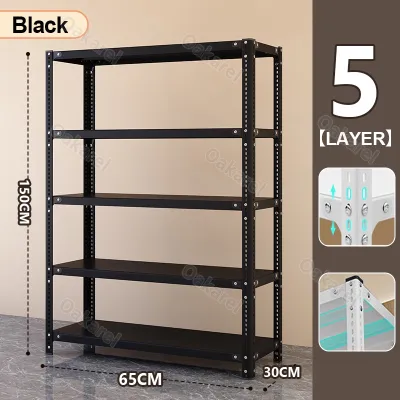
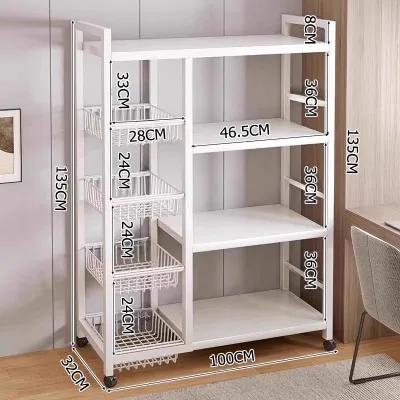
Prices are valid at publication and may change. Please refer to the product page for the latest price.
Second, precise physical dimensions are critical when integrating new shelving into your home. Measure the height, width, and depth of the designated storage area, taking into account any low-hanging ceiling fixtures, pipes, or light switches. Additionally, consider the access path to the room. If you are moving into a high-rise condominium or a multi-story house, ensure the packaged components can fit through doorways, narrow hallways, and elevator doors. Always leave at least 70 to 90 centimeters of clear aisle space in front of the rack to allow for comfortable walking and safe loading.
Third, prioritize shelf adjustability to accommodate the unpredictable sizes of unpacked items. Post-move storage needs are rarely static; you may need to store tall plastic storage bins today and flat, heavy crates tomorrow. Look for boltless or keyhole slot designs that allow you to adjust the height of individual shelves in small increments without needing to disassemble the entire frame. This flexibility ensures you maximize vertical space without leaving large, unusable gaps between tiers.
Finally, examine the material and surface treatment of the steel. In the humid tropical climate of the Philippines, bare or poorly coated steel will quickly succumb to rust. Powder-coated finishes and galvanized steel offer excellent resistance to moisture and scratches. However, even treated steel has its limits. Check the manufacturer’s instructions to determine if the rack is rated for damp environments like semi-outdoor utility areas, or if it must be kept strictly in dry, climate-controlled indoor spaces.
Matching Shelf Configurations to Your Belongings
Before placing items onto your newly assembled steel racks, take the time to categorize your unpacked belongings by weight, size, and frequency of use. This systematic approach prevents overloading and ensures that frequently accessed items remain within easy reach.

Storing Heavy Boxes and Appliances
When organizing heavy items such as kitchen appliances, toolboxes, or dense boxes of books, proper weight distribution is essential for maintaining structural stability. Always place the heaviest items on the bottom shelf of the rack. This practice lowers the overall center of gravity of the unit, making it significantly less likely to tip over if bumped or during seismic activity.
In addition to placing heavy items at the bottom, inspect the structural support of each shelf tier. Heavy-duty steel racks often feature metal support channels or crossbeams welded beneath the wire decking or high-density fiberboard (HDF) panels. These supports prevent the shelving material from sagging or bowing under load. Always adhere strictly to the manufacturer’s maximum load limits per tier, and avoid stacking heavy items so high that they become unstable or difficult to lift safely.
Organizing Irregular and Bulky Items
Irregularly shaped or voluminous items, such as travel luggage, sports gear, or seasonal decorations, require a flexible shelf layout. Utilize the adjustable features of your steel rack to create taller openings for these bulky objects. If necessary, you can remove a shelf tier entirely to accommodate exceptionally tall items, provided this modification does not compromise the structural integrity of the frame as outlined in the manual.
Depth utilization is another critical factor when storing bulky items. Ensure the depth of the shelf—typically ranging from 30 to 60 centimeters—is sufficient to hold your largest items completely flat. Allowing large boxes or bins to overhang the edge of the shelf creates a serious safety hazard, as they can easily be snagged by passing family members or prevent nearby doors from closing properly. Keep all items centered on the shelving surface to maintain balanced weight distribution.
Space Planning and Safety Checks for Your New Home
Integrating heavy-duty shelving into a new living space requires careful planning to ensure the safety of all household members. A poorly placed or unanchored rack can pose a significant hazard, especially in active households.
Begin by assessing the traffic flow and aisles around the proposed installation site. The rack must never block primary walking routes, door swings, window access, or emergency exit paths. Ensure there is ample space to stand directly in front of the rack while lifting heavy objects, as lifting from an awkward angle or a cramped position increases the risk of personal injury.
Next, evaluate the floor conditions of the placement area. Many homes feature slightly uneven tiled or concrete floors, particularly in garages, basements, or utility areas. Placing a heavy-duty rack on an uneven surface causes uneven weight distribution, which can twist the frame and reduce its load capacity. Check the floor with a spirit level. If the surface is uneven, select a steel rack that includes adjustable leveling feet to compensate for the slope. Never use temporary shims like cardboard, folded paper, or wood scraps, as these can compress or slip out under heavy loads.
Anti-tip anchoring is a non-negotiable safety step in homes with children, pets, or high activity. A fully loaded steel rack carries immense weight, and a tip-over accident can cause severe injury or property damage. Consult the product manual for recommended anchoring methods. Most heavy-duty racks include pre-drilled holes in the uprights or specific wall-mounting brackets. Secure the top of the rack to a solid wall stud or a concrete wall using appropriate masonry anchors, heavy-duty screws, or safety straps.
Lastly, respect the environmental limits of the shelving material. High humidity, coastal salt air, or direct exposure to rain can cause protective coatings to fail, leading to rapid rust and structural weakening. Avoid placing standard indoor-rated steel racks on open balconies, outdoor dirty kitchens, or damp laundry areas. If you must store items in these high-moisture zones, ensure the rack is explicitly rated for outdoor or wet-area use, and inspect the frame regularly for any signs of corrosion.
Assembly and Maintenance Guidelines
Proper assembly and ongoing maintenance are vital to ensuring your heavy-duty steel racks remain safe and functional for years to come. Skipping steps during setup or ignoring signs of wear can lead to sudden structural failure.
Before beginning assembly, prepare a spacious, flat workspace near the final installation location. Unpack all components and perform a thorough inventory against the parts list in the manufacturer’s manual. Ensure you have all the recommended tools on hand, which typically include a rubber mallet for boltless designs or specific wrenches for bolted frames. Wearing protective work gloves is highly recommended to protect your hands from sharp metal edges or pinch points during assembly.
During assembly, focus on structural tightening and alignment. For boltless keyhole designs, use a rubber mallet to gently tap the horizontal beams until the rivets are fully seated at the bottom of the keyhole slots. If you are assembling a bolted frame, tighten all fasteners incrementally in a diagonal pattern to ensure the frame remains perfectly square. Never skip installing safety pins, locking clips, or corner braces if they are provided in the packaging, as these small components prevent the beams from accidentally disengaging when the rack is loaded or bumped.
Once the rack is in use, establish a routine inspection schedule. Every few months, take a few minutes to visually inspect the frame. Check for any loose bolts, bowing shelves, or chips in the protective powder coating. In humid environments, wipe down the metal surfaces with a clean, dry cloth to remove dust and moisture buildup, which can accelerate rust formation.
Finally, understand the critical stop conditions for your shelving. If you observe any structural deformation, such as bent uprights, sagging support beams, or cracked joints, immediately unload the rack. The same applies if you discover severe rust that has penetrated the metal or if key structural parts go missing. Stop using the rack immediately and consult the manufacturer or a qualified professional to obtain replacement parts or to determine if the unit must be replaced entirely.
Frequently Asked Questions (FAQ)
How do I verify if a steel rack is genuinely heavy-duty?
To verify if a steel rack is truly heavy-duty, look for explicit load-bearing specifications in the product manual or on the official manufacturer label rather than relying on marketing buzzwords. A genuine heavy-duty rack will state a specific maximum weight capacity per shelf (such as 150 kg or more) under evenly distributed load conditions. Additionally, check for structural indicators such as the gauge (thickness) of the steel uprights, the presence of reinforcing support beams under each shelf, and any manufacturer-provided certifications or testing standards that validate the rack’s structural integrity.
Can I assemble these shelves alone after moving?
While some boltless steel racks are marketed as easy to assemble, attempting to build a heavy-duty unit alone can be challenging and potentially unsafe. Heavy steel uprights and long beams are bulky and difficult to hold in perfect alignment while securing the joints. It is highly recommended to have at least two people complete the assembly to ensure the frame remains square and stable during the process. Always consult the manufacturer’s instruction manual first; if it explicitly states that two or more people are required for safe assembly, you must follow that directive to prevent injury or damage to the components.

Community discussion
Share your experience or ask a question. Comments are reviewed before publication.