
Storing seasonal items, family keepsakes, or extra household goods in an attic is an excellent way to free up living space, but the harsh environmental conditions in the Philippines require highly durable storage solutions. Standard plastic utility bins often fail under the intense heat and humidity characteristic of tropical attics, leading to warped lids, cracked bases, and ruined belongings. To protect your investments over the long term, you need a heavy duty storage box engineered to withstand extreme temperature fluctuations, block moisture, and resist pest intrusion. Selecting the right container involves evaluating material composition, sealing mechanisms, and structural reinforcements rather than relying on basic storage bins. By understanding how to assess these physical features and prepare your items for long-term storage, you can ensure your belongings remain clean, dry, and intact for years to come.
Identifying Environmental Challenges in Philippine Attics
Philippine attics present a unique set of environmental challenges that differ significantly from those in temperate climates. The most prominent factor is the extreme heat accumulation directly beneath the roof structure. During the dry season, uninsulated galvanized iron (GI) roofing sheets absorb intense solar radiation, radiating heat downward into the attic space. Temperatures in these enclosed areas can easily soar far above comfortable room temperatures, creating an oven-like environment. This sustained thermal stress accelerates the degradation of low-grade plastics, causing them to soften, warp, or become highly brittle over time.
Humidity fluctuations present another severe threat to stored items. The Philippines experiences high relative humidity year-round, which peaks during the wet monsoon season. As temperatures rise during the day and cool at night, the air inside the attic expands and contracts. This cycle can draw moisture-laden air into poorly sealed containers. Once the temperature drops, this trapped moisture condenses on the inner walls of the box, creating a damp microclimate. This environment is highly conducive to the growth of mold, mildew, and musty odors, which can permanently ruin fabrics, paper documents, leather goods, and wooden items.
Products mentioned in this guide
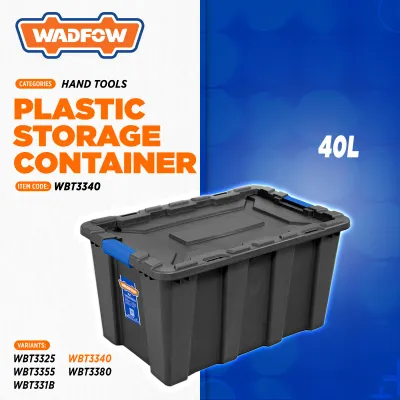
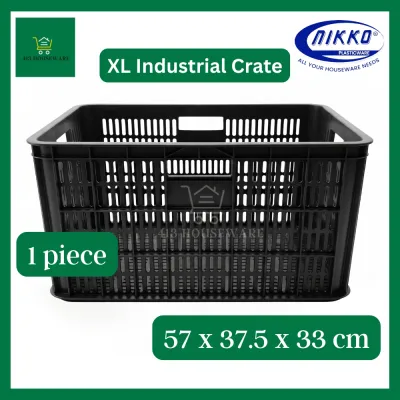
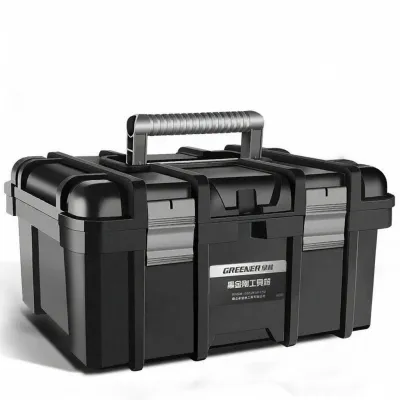
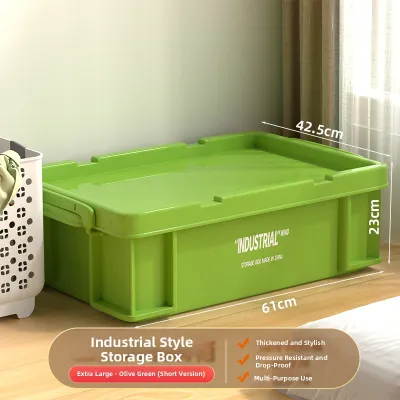
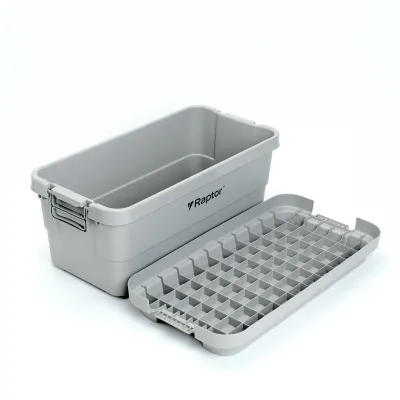
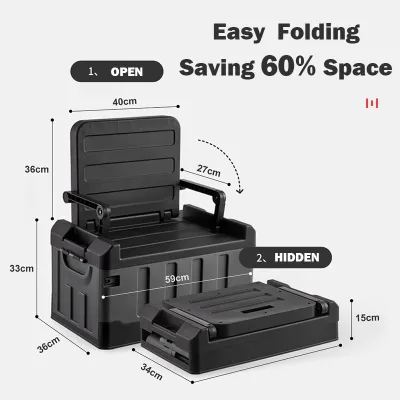
Prices are valid at publication and may change. Please refer to the product page for the latest price.
Furthermore, unfinished or semi-finished attic spaces are highly susceptible to pest intrusion and dust accumulation. Gaps in the eaves, soffit vents, and roof joints provide easy entry points for common household pests such as rodents, cockroaches, termites, and silverfish. These pests are naturally drawn to dark, undisturbed areas where they can nest or feed on organic materials like cardboard, paper, and natural fibers. Additionally, fine dust and airborne particulates settle continuously over stored items, forming a thick layer of grime that can penetrate loosely fitting lids. To safeguard your belongings, your storage containers must act as impenetrable barriers against both biological pests and physical debris.
Evaluating Structural and Material Features for Long-Term Durability
When shopping for a heavy duty storage box, you must look beyond marketing buzzwords and carefully evaluate the physical construction of the container. Start by checking the manufacturer’s labels or product specifications for the type of plastic resin used. High-impact polypropylene (PP) or high-density polyethylene (HDPE) are the preferred materials for demanding storage environments. These polymers offer excellent impact resistance, tensile strength, and chemical stability. Additionally, examine the wall thickness of the box; industrial-grade containers feature thick, rigid walls that do not bow or flex when you apply firm hand pressure to the sides.

The sealing mechanism is the single most critical feature for blocking moisture, dust, and pests. Look for storage boxes equipped with integrated gasket seals, typically made of silicone, rubber, or foam, embedded along the inside rim of the lid. When the lid is closed, this gasket compresses against the rim of the box to create an airtight and watertight barrier. To maintain this seal under pressure, the box must feature a multi-point latching system. Heavy-duty latches or buckles made of thick plastic or metal should snap securely over the lid, applying constant downward force to keep the gasket fully compressed.
Structural reinforcement is essential for maintaining the shape of the box when it is fully loaded and stacked. Inspect the exterior walls and base of the container for molded-in structural ribs. These vertical and horizontal ridges distribute weight and stress across the entire surface, preventing the plastic from bowing outward under the weight of the contents. A reinforced grid pattern on the bottom of the box is particularly important, as it prevents the base from sagging and ensures the box remains stable when stacked on top of another container.
Finally, consider how the material protects the contents from light degradation. If your attic has windows, skylights, or gaps that allow sunlight to enter, UV radiation can fade fabrics, yellow plastics, and weaken fibers over time. Opt for opaque storage boxes rather than clear or translucent ones. Solid black, dark gray, or industrial yellow containers block all light transmission, protecting sensitive items from photo-degradation. Some manufacturers also incorporate UV inhibitors directly into the plastic resin during production, which helps prevent the box itself from degrading and cracking when exposed to ambient light.
Matching Box Dimensions and Weight Capacities to Your Attic Space
Before purchasing any heavy-duty storage containers, you must carefully assess the physical layout and structural limitations of your attic. Many residential attics in the Philippines are semi-finished, featuring exposed wooden ceiling joists rather than solid plywood flooring. If your attic lacks a finished floor, you must measure the spacing between the joists to ensure your storage boxes can span them securely, or install a sturdy plywood platform first. Placing heavy boxes directly onto thin gypsum board or fiber cement ceilings between joists can lead to catastrophic structural failure and ceiling collapse.
Always verify the manufacturer-stated weight capacity of each box before purchasing and loading them. This rating is typically printed on the product packaging or molded directly into the bottom of the container. It is crucial to distinguish between the internal weight capacity (how much weight the box can hold inside) and the stacking weight capacity (how much weight the lid can support from boxes stacked on top of it). Overloading a box beyond these limits can cause the lid to buckle, the base to crack, or the entire stack to tip over, potentially damaging your belongings and creating a safety hazard.
Ergonomic features are another vital consideration, especially when you must transport heavy loads up and down narrow attic stairs, folding ladders, or ceiling access hatches. Look for boxes with deep, integrated handles or molded grip areas that allow you to maintain a secure, two-handed hold. Avoid boxes with sharp, thin plastic edges that can cut into your hands under heavy loads. The handles should be part of the main body mold rather than separate snap-on pieces, which can fail or detach unexpectedly while you are carrying the box on a ladder.
It is also wise to balance the storage capacity of the box with the physical effort required to move it. While a massive 100-liter container might seem highly efficient for consolidating your items, filling it with heavy books, tools, or kitchenware can make it dangerously heavy and awkward to lift. To minimize the risk of back strain, handling injuries, or falls, use smaller, modular boxes for dense, heavy items, and reserve larger containers exclusively for lightweight, bulky goods like blankets, pillows, and seasonal clothing.
Preparing and Packing Belongings for Extended Storage
Properly preparing your items before they go into long-term storage is just as important as choosing the right container. Never pack items that are damp, dirty, or freshly washed but not completely dry. In the humid Philippine climate, even a microscopic amount of moisture trapped inside an airtight, heavy-duty box will quickly turn into a breeding ground for mold and mildew. Allow freshly laundered clothes, linens, and cleaned household items to air out in a well-ventilated, air-conditioned room or under direct sunlight for several hours before packing them away.
To combat any residual moisture that might enter the box during packing or through minor seal imperfections over time, always use high-quality desiccants. Silica gel packets or calcium chloride moisture absorbers are highly effective at maintaining a dry internal environment. Place these packets strategically throughout the box, particularly near moisture-sensitive items like electronics, documents, and textiles. Be sure to follow the manufacturer’s instructions regarding the volume of desiccant required for the specific capacity of your storage box, and avoid placing chemical moisture absorbers in direct contact with delicate fabrics or metals.
When packing fragile or oddly shaped items, use appropriate cushioning materials to prevent shifting and damage. Wrap delicate glassware, ceramics, or electronics in bubble wrap, packing paper, or clean towels. Use sturdy cardboard or plastic dividers to keep items separated and organized. Avoid packing items too tightly against the outer walls of the plastic box; leaving a small buffer zone around the perimeter helps protect the contents from external impacts and reduces localized stress on the plastic walls, which can contribute to cracking over time.
Finally, establish an organized labeling and inventory system to make future retrieval as painless as possible. Create a detailed list of every item placed inside each box, and assign a unique number or color code to the container. Write this information clearly on multiple sides of the box using a waterproof, fade-resistant permanent marker, or use heavy-duty adhesive labels designed for industrial environments. This ensures that you can easily identify the contents of any box in your stack without having to lift, unseal, or rummage through multiple heavy containers in a hot attic.
Establishing a Maintenance and Inspection Routine for Stored Items
Long-term attic storage is not a “set-it-and-forget-it” solution; maintaining the safety and integrity of your belongings requires a consistent inspection routine. Establish a schedule to visually inspect your attic storage area at least twice a year, ideally once at the end of the dry season and once after the peak of the rainy season. These seasonal transitions are when temperature and humidity fluctuations are most extreme, making it the perfect time to check how your storage boxes are holding up under environmental stress.
During each inspection, carefully examine the exterior of each heavy-duty box for any signs of physical degradation. Look closely at the latches, hinges, and lid corners for hairline cracks, stress whitening, or warping. Inspect the rubber or silicone gaskets to ensure they remain soft, pliable, and free of cracks or dry rot. Additionally, check the surrounding attic area for signs of pest activity, such as rodent droppings, termite mud tubes, or chewed wood, which could indicate that pests are attempting to breach your storage containers.
Open a few representative boxes to check the condition of the contents and monitor the status of your moisture absorbers. If you are using color-indicating silica gel packets, check if they have changed color, signaling that they have absorbed their maximum capacity of moisture. Replace or reactivate these desiccants according to the manufacturer’s guidelines to ensure continuous protection. If you notice any musty odors or dampness inside a box, immediately remove the contents, dry them thoroughly, and inspect the box’s seal for leaks.
If you discover a compromised storage box during your routine inspection, do not attempt to patch it with tape or glue, as these temporary fixes will quickly fail under attic heat. Instead, retire the damaged container immediately and transfer its contents to a brand-new, heavy-duty box. Keeping a spare, empty container on hand in your home allows you to quickly address any failures before moisture, dust, or pests can cause irreversible damage to your valued belongings.
Frequently Asked Questions (FAQ)
Standard Bins vs. Heavy-Duty Boxes: When to Avoid Lightweight Options
Standard plastic utility bins are designed for light, indoor organization and lack the structural integrity required for attic environments. These lightweight options feature thin walls and loose-fitting lids that easily warp, bow, or crack when subjected to the extreme heat and weight of stacked storage. In contrast, heavy-duty boxes are constructed with thick, industrial-grade polymers and reinforced ribbing that allow them to support significant vertical loads without collapsing. You should avoid lightweight bins entirely in the attic unless you are storing light, non-fragile items directly on the floor in a well-ventilated, pest-free zone where stacking is not required.
Preventing Heat-Induced Brittleness in Plastic Containers
Prolonged exposure to high temperatures causes the polymer chains in standard plastics to break down, leading to a loss of flexibility and making the material highly brittle. To prevent this structural failure, check the manufacturer’s specifications for temperature tolerance ranges or look for boxes formulated with heat-resistant additives. Additionally, place your storage containers strategically within the attic; keep them away from uninsulated roof areas, metal rafters, and direct sunlight from windows. Storing boxes closer to the attic floor or near ventilation points can help mitigate the effects of extreme heat.
Assessing the Practicality of Wheeled Storage Boxes in Attics
While wheeled storage boxes seem convenient for moving heavy items, they are generally impractical and potentially hazardous in an attic setting. Attic floors are often uneven, consisting of exposed joists, loose insulation, or rough plywood, which makes rolling wheels difficult and unstable. Furthermore, the molded wheel wells and metal axle attachment points on these boxes create significant structural weak spots that are prone to cracking under heavy loads or when stacked. For safe transport, it is far better to use solid-bottom, heavy-duty boxes and rely on a separate utility dolly or hand truck to move them to and from the attic access point.

Community discussion
Share your experience or ask a question. Comments are reviewed before publication.