
When preparing for outdoor adventures during the wet season in the Philippines, your gear must withstand intense downpours, sudden storms, and persistent tropical humidity. A reliable camping table foldable outdoor setup is essential for keeping your cooking gear, food, and personal items off the wet ground. However, choosing the right table requires looking beyond basic material names. While aluminum and high-density plastics are generally the most resilient options, their actual performance depends heavily on surface treatments, hardware quality, and structural drainage.
To make an informed decision, you must evaluate how different materials react to prolonged moisture, how frames resist corrosion, and what design features prevent water from pooling. This guide breaks down the critical specifications to check before purchasing, ensuring your outdoor furniture remains stable, functional, and rust-free through many rainy seasons.
Understanding Moisture and Rust Risks in Tropical Climates
The tropical climate of the Philippines presents unique challenges for outdoor gear, particularly during the southwest monsoon (habagat) and typhoon seasons. It is a common misconception that outdoor furniture only suffers damage when left directly in the rain. In reality, prolonged ambient humidity—which frequently hovers above 80% during the wet months—can be just as destructive as a sudden downpour. High humidity slows down evaporation, keeping moisture trapped in tight spaces long after the rain has stopped.
Products mentioned in this guide
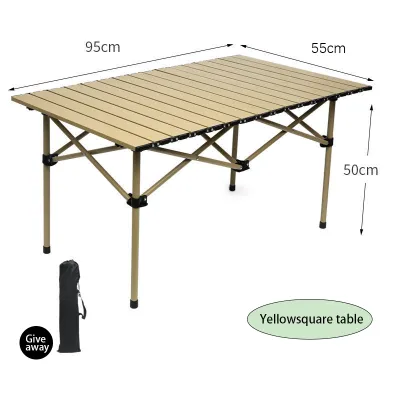
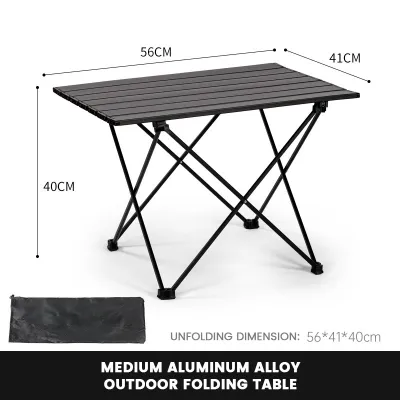
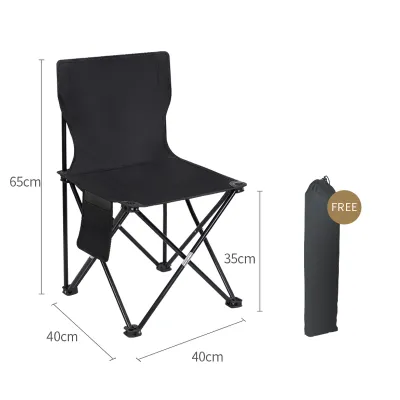
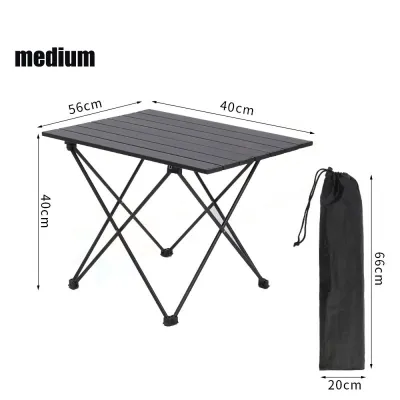
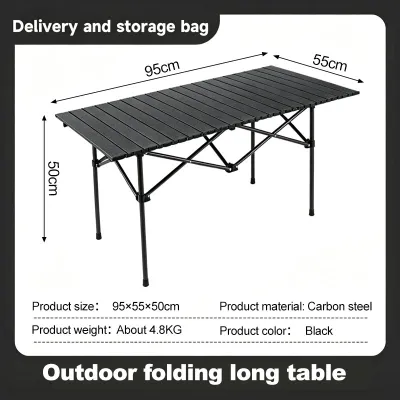
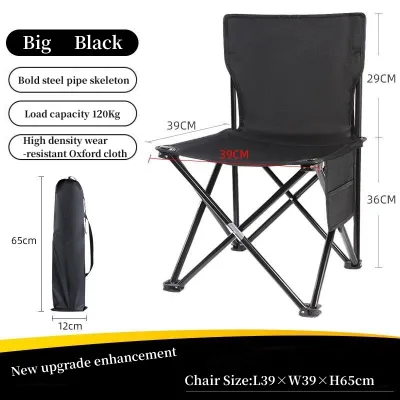
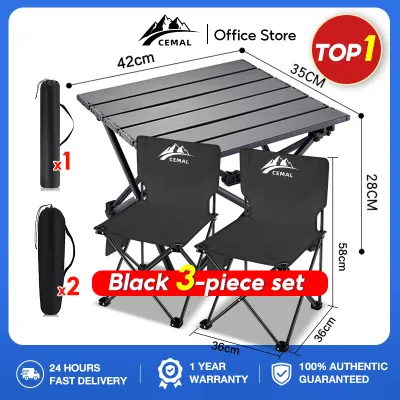
![ISSI Diary Foldable Camping Table Heavy Duty Carbon Steel Outdoor Picnic Desk Portable Hiking BBQ Fishing Equipment [COD Free Shipping]](https://img.lazcdn.com/g/p/9e47ffe8cf563dd518a1a0c3b6b2f5f8.jpg_400x400q80.jpg_.webp)
Prices are valid at publication and may change. Please refer to the product page for the latest price.
When evaluating a foldable camping table, the most vulnerable areas are often the hidden components. Folding joints, hinges, rivets, and unsealed edges are prime locations for water to collect. If moisture remains trapped in these small crevices, it creates a microenvironment that accelerates electrochemical corrosion in metals and encourages mold growth on organic materials.
Furthermore, the practice of collapsing and packing away gear while it is still damp is a primary cause of premature failure. When a wet table is folded and sealed inside a carrying bag, the trapped water cannot escape. This creates a humid greenhouse effect inside the bag, leading to rapid rust formation on hardware, peeling finishes, and musty odors that can ruin fabric components.
Evaluating Common Tabletop Materials for Wet Conditions
The tabletop is the most exposed part of your camping setup, making its material composition critical for long-term durability. Common options include natural wood, engineered wood, aluminum, and various plastics or composites. Each material handles moisture differently, and understanding these differences helps you choose a surface that matches your maintenance tolerance.

Natural wood tables, such as those made from teak, bamboo, or treated acacia, offer an appealing rustic aesthetic but require diligent upkeep. While these woods contain natural oils that resist water to some extent, they are not completely waterproof. Without a high-quality, factory-applied sealant or water-repellent finish, natural wood will eventually absorb moisture, leading to warping, splitting, and mold. If you choose wood, you must be prepared to periodically re-apply protective oils or outdoor varnishes to maintain the barrier.
Engineered wood products, such as medium-density fiberboard (MDF) or particle board with laminate overlays, should generally be avoided for wet-season camping. Even if the top surface appears waterproof, the unsealed edges and underside are highly vulnerable. Once water penetrates the laminate seams, the inner wood fibers swell, causing the tabletop to bubble, lose its structural integrity, and eventually disintegrate.
Aluminum is widely considered one of the most reliable materials for wet conditions. It is naturally rust-resistant, lightweight, and highly durable. However, raw aluminum can oxidize over time when exposed to moisture and salty air, forming a dull white powder on the surface. To prevent this, look for aluminum tabletops with anodized or powder-coated finishes. These treatments provide an extra layer of protection against both oxidation and scratches.
Plastic and composite materials, such as high-density polyethylene (HDPE), offer excellent water resistance and require virtually no maintenance. They do not rot, rust, or absorb water, making them ideal for heavy rain. The primary trade-off is their vulnerability to ultraviolet (UV) radiation. During the hot, sunny intervals between rainy days, intense tropical sunlight can degrade untreated plastics, causing them to become brittle and crack. When selecting a plastic table, verify that the manufacturer specifies UV-stabilized or UV-resistant materials.
Checking Frame and Hardware for Rust Resistance
While the tabletop handles direct rain, the frame and folding hardware bear the structural load and are highly susceptible to rust. A table with a perfectly intact top is useless if the legs buckle due to corroded joints. When assessing the frame, you will typically choose between aluminum alloys and steel.
Aluminum frames are highly desirable for their lightweight properties and natural resistance to rust. However, because aluminum is softer than steel, these frames must be engineered with thicker walls or reinforcing ribs to maintain stability and load capacity. When reviewing specifications, check the manufacturer’s rated load capacity to ensure the frame can support your cooking equipment and heavy water containers, especially when the ground underneath becomes soft and muddy. Consider the finished dimensions and folded size to ensure the table fits easily through your vehicle’s doorway or storage compartment during wet-weather transport.
Steel frames offer superior strength and stability, making them less likely to tip over in windy conditions. However, steel is highly prone to rust if exposed to moisture. To protect the metal, manufacturers apply powder coatings or galvanizing treatments. While these coatings are highly effective, they are not permanent. If the table is dragged across gravel or bumped during transport, the coating can chip, exposing the raw steel underneath to rapid rusting. If you choose a steel frame, inspect the finish regularly for chips and scratches.
The hardware—including screws, rivets, hinges, and locking pins—is the most common failure point on foldable tables. Standard steel hardware will rust quickly in tropical humidity, seizing the folding mechanisms and making the table difficult or impossible to open. Look for tables constructed with stainless steel hardware or components that have received specialized rust-proof treatments. Brass and zinc-plated hardware also offer decent resistance, but stainless steel remains the gold standard for wet environments.
Additionally, inspect the design of the hollow metal tubes used for the legs. Water can easily enter these tubes through open ends or joint connections. If the water cannot escape, it will rust the frame from the inside out. High-quality outdoor tables feature secure plastic or rubber caps on all tube ends, or they include strategically placed drainage holes to allow internal moisture to escape.
Structural Features That Prevent Water Damage
Beyond material choices, the physical design of a foldable camping table plays a significant role in how well it handles wet weather. Certain structural features actively prevent water accumulation and speed up the drying process, reducing the risk of long-term damage.
One of the most effective designs for wet conditions is a slatted or perforated tabletop. Aluminum roll-up tables, for example, consist of individual slats joined by elastic cords or hinges. This design allows rainwater to drain freely through the gaps rather than pooling on the surface. Similarly, metal mesh or perforated plastic tops prevent water accumulation, ensuring the table dries quickly once the rain stops. Solid, flat surfaces, on the other hand, tend to hold standing water, which increases the risk of moisture penetrating seams or joints.
If your chosen table includes fabric components—such as under-table storage nets, mesh cup holders, or side pockets—pay close attention to the material specifications. Look for quick-dry synthetics like heavy-duty polyester or nylon with polyurethane (PU) coatings. These materials resist water absorption and dry rapidly, minimizing the risk of mold and mildew. Avoid tables with cotton-based fabrics, as they retain moisture for long periods and rot quickly in humid conditions.
The folding mechanism itself should be evaluated for its simplicity and ease of cleaning. Complex scissor joints with numerous moving parts and tight crevices are difficult to dry thoroughly and tend to trap moisture. Simpler folding designs, such as fold-in-half tables with straight legs, have fewer hidden areas where water can hide. Ensure that the folding action does not pinch or compress wet fabric components, as this can trap moisture against the metal frame and accelerate rust. A stable anchoring method, such as pegging points or sandbag attachments, is also useful if the table is used on wet, uneven terrain.
Rainy Season Maintenance and Storage Practices
Even the most weather-resistant foldable camping table requires proper maintenance to survive consecutive rainy seasons in the Philippines. Developing a consistent post-trip routine is the most effective way to extend the lifespan of your gear.
After returning from a wet camping trip, never leave your table packed inside its carrying bag. Unfold the table completely in a well-ventilated area, preferably out of direct sunlight to prevent UV damage. Wipe down all surfaces with a clean, dry microfiber cloth to remove mud, sand, and water spots. If the table was exposed to salty coastal air, rinse it gently with fresh water first to remove salt deposits, which accelerate corrosion, before drying it thoroughly.
Pay special attention to the joints, hinges, and locking mechanisms. Use a dry cloth or a soft-bristled brush to clear away any debris that could trap moisture. Once the table is completely dry, apply a light coat of silicone-based lubricant or rust inhibitor to the moving metal parts. This helps displace any remaining microscopic moisture and provides a protective barrier against future exposure.
When storing your table for the off-season or between trips, choose an elevated, dry, and well-ventilated location. Avoid storing gear directly on concrete floors in garages or basements, as concrete can transfer moisture to the frame. If you must store the table in a semi-outdoor area like a carport or covered balcony, protect it with a breathable, waterproof cover. Avoid tight plastic wraps that can trap ambient humidity and cause condensation.
If you notice signs of structural damage, such as deep rust that has compromised the thickness of the metal, loose rivets, or cracked joints, it is important to know when to stop DIY repairs. Attempting to weld or structurally alter a folding mechanism without proper tools can compromise its stability, leading to sudden collapse during use. In such cases, consult the manufacturer or a professional repair service to ensure the table remains safe to use, or check if the damage is covered under warranty.
Frequently Asked Questions (FAQ)
Can I leave my foldable camping table outside during a light drizzle?
Yes, most high-quality aluminum or plastic foldable tables can withstand a light drizzle without immediate damage, provided they are rated for outdoor use. However, there is a difference between water-resistant and waterproof ratings. Water-resistant tables can handle temporary exposure but should be dried as soon as possible. Always check the manufacturer’s guidelines, as prolonged exposure to moisture can still find its way into unsealed joints and hardware, leading to rust over time.
How do I treat surface rust on steel folding joints?
To treat minor surface rust on steel joints, start by gently scrubbing the affected area with a soft brass wire brush or fine steel wool. Apply light pressure to avoid stripping the surrounding protective powder coating. Once the loose rust is removed, wipe the area clean and apply a manufacturer-approved rust converter or a light coating of silicone lubricant to seal the metal. Avoid harsh chemical rust removers, as they can strip protective finishes and cause moving parts to seize.

Community discussion
Share your experience or ask a question. Comments are reviewed before publication.