
Finding the ideal multi-functional bedside table for a compact bedroom in the Philippines requires balancing utility with physical space constraints. In tight urban condominiums or cozy suburban bedrooms, every square inch of floor space is premium real estate. A successful furniture choice maximizes storage, charging capabilities, and surface area without obstructing walkways or making the room feel cramped. By carefully evaluating dimensions, electrical safety, and material durability against the local climate, you can select a piece that serves multiple purposes while maintaining a clean, organized sleeping environment.
Measuring Your Space and Defining Your Needs
Before browsing online marketplaces or visiting local showrooms, you must establish the exact physical boundaries of your bedside area. Start by measuring the gap between your bed frame and the adjacent wall, wardrobe, or doorway. This measurement determines the absolute maximum width of your new table. It is crucial to leave at least a few centimeters of breathing room so the table does not press tightly against your mattress or scratch your wall paint during daily use.
Next, consider the depth of the unit. A bedside table that protrudes too far forward can block the path alongside the bed, making it difficult to move around in the dark. Measure the distance from the wall to the edge of your pillows, aiming for a table depth that aligns comfortably with this zone. This positioning ensures that items on the tabletop remain within easy arm’s reach while you are lying down, without requiring you to stretch or twist awkwardly.
Products mentioned in this guide
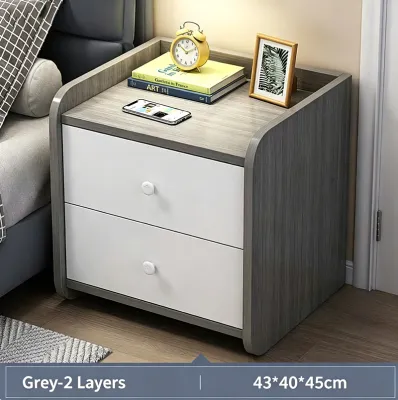
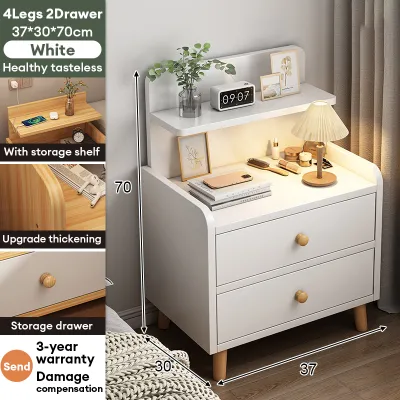

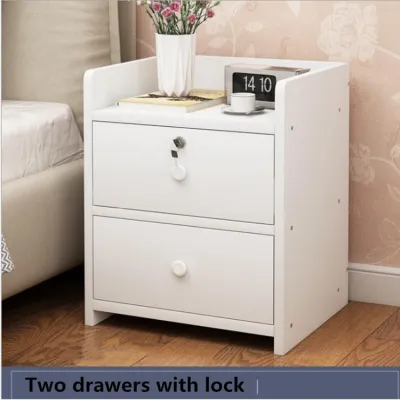
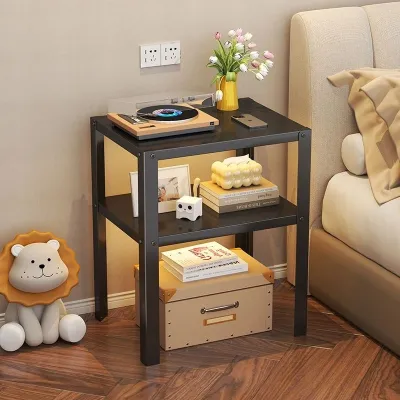
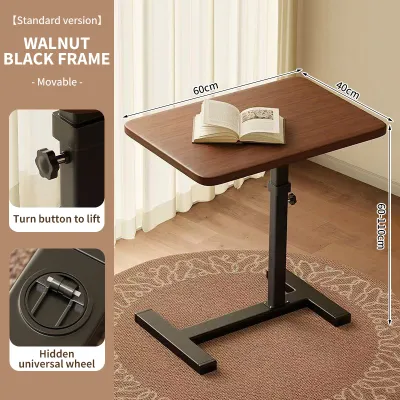
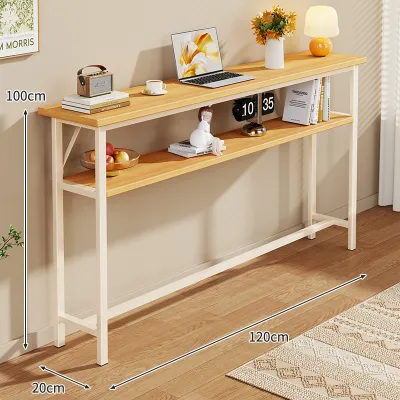

Prices are valid at publication and may change. Please refer to the product page for the latest price.
Height is another critical dimension that directly impacts comfort and accessibility. Ideally, the top surface of your bedside table should sit level with, or slightly above, the top of your mattress. If the table is too low, reaching for a glass of water or a phone in the middle of the night becomes cumbersome; if it is too high, you risk knocking items off the edge. Take a tape measure and note the height from your bedroom floor to the top of your mattress, keeping this figure as your primary reference point during your search.
Finally, define your primary daily needs to choose the right set of features. If your bedside is cluttered with charging cables, smart devices, and reading lamps, a table with integrated power strips or cable management should be your priority. If you need to store books, medications, or personal items out of sight, focus on designs with deep drawers or hidden compartments. For those who occasionally work or eat in bed, a convertible table with a lift-top or pull-out tray will offer the greatest utility.
Evaluating Multi-Functional Designs for Small Footprints
Multi-functional bedside tables come in several distinct structural designs, each engineered to solve specific spatial challenges. Understanding how these designs function in a compact room allows you to match the furniture to your daily habits and layout constraints.

Integrated Charging and Cable Management
Bedside tables featuring built-in charging stations are highly popular for keeping modern devices powered without creating a tangled mess of cords. When evaluating these smart nightstands, always check the manufacturer’s specifications for voltage ratings and plug compatibility. In the Philippines, household electrical systems typically operate on 220V at 60Hz, using Type A or Type B plugs. Ensure that any integrated power strip or USB hub is rated for this voltage to prevent electrical hazards or damage to your devices.
Look closely at the power output of the integrated USB ports. Standard USB-A ports often provide lower wattage, which may result in slower charging times for modern smartphones and tablets. If fast charging is important to you, look for modules that include USB-C ports with higher power delivery ratings. Additionally, verify the length and thickness of the main power cord that connects the table to your wall outlet, ensuring it can safely reach your socket without being stretched tight or pinched behind heavy furniture.
Effective cable management is just as important as the power source itself. High-quality designs feature dedicated cable routing paths, rear grommets, or recessed channels that guide cords neatly from the tabletop to the internal power strip. This prevents cables from slipping behind the table or cluttering the surface. It is also wise to check if the electronic power module is replaceable; if a port fails over time, a modular design allows you to swap out the power strip without needing to replace the entire piece of furniture.
Vertical Storage and Hidden Compartments
When floor space is limited, the most logical direction to expand is upward. Bedside tables with vertical storage configurations, such as tall open shelving or stacked drawers, allow you to store more items without increasing the footprint of the furniture. Open shelving is excellent for displaying decorative items, storing books, or keeping frequently used items like eyeglasses within easy reach. However, open shelves require regular dusting, especially in dusty urban environments.
Drawers and hidden compartments offer a cleaner aesthetic by keeping personal items out of sight. When comparing drawers to open shelves, consider how easy they are to access from a lying position. Drawers with smooth metal glides are much easier to open quietly in the middle of the night than those with simple wood-on-wood tracks. Always check the internal dimensions of the drawers provided by the manufacturer to ensure they can accommodate your specific items, such as a tablet, a journal, or a box of tissues.
A key safety consideration for tall or narrow vertical tables is the center of gravity. As you stack items higher or pull out fully loaded drawers, the table’s balance can shift. Look for designs with a wide, stable base or those that distribute weight evenly. If you choose a model with a lift-top mechanism or heavy top drawers, verify that the unit remains stable when these components are fully extended, preventing any risk of the table tipping forward onto your bed or floor.
Convertible and Nesting Options
For extremely tight bedrooms where a permanent bedside table would block closet doors or walkways, convertible and nesting designs offer an elegant solution. These tables can expand when needed and fold away or slide together when not in use. A nesting set typically consists of two or three tables of graduating sizes that slide completely underneath one another, allowing you to pull out the smaller tables only when you need extra surface area for a laptop or a morning cup of coffee.
When evaluating convertible tables, such as those with fold-down leaves or pull-out trays, pay close attention to the quality of the moving parts. Examine the product descriptions and labels for details on the hinges, slides, and brackets. High-quality metal hardware ensures that the moving sections operate smoothly and can support weight without sagging over time. Avoid designs that rely on flimsy plastic joints, as these are prone to cracking under repeated use.
Consider the physical effort and clearance required to convert the table on a daily basis. If you have to move other pieces of furniture or struggle with stiff latches every time you want to extend the table, you may find yourself leaving it in one position permanently. Check the folded or nested footprint dimensions carefully to ensure that the unit genuinely saves space and fits comfortably within your room’s layout when stored in its most compact form.
Verifying Materials, Stability, and Safety
The tropical climate of the Philippines, characterized by high humidity and warm temperatures, places unique demands on furniture materials. When shopping for a bedside table, do not assume that a material’s name guarantees its durability. Instead, look for specific surface treatments and construction details. For instance, engineered wood like MDF or particleboard is common and affordable, but it must have a high-quality, moisture-resistant laminate or veneer finish to prevent swelling and warping in humid conditions.
If you prefer solid wood, check if the wood has been properly seasoned and sealed with a protective topcoat. Unsealed wood can absorb moisture from the air, leading to mold growth or joint separation over time. For metal frames, look for powder-coated finishes that resist rust and corrosion. Additionally, inspect the joints of the table; sturdy joints secured with screws, dowels, or metal brackets are far more durable than those held together solely by glue or staples.
Weight capacity is another critical factor that manufacturers should specify. Check the maximum load limit for the top surface as well as individual shelves or drawers. Placing a heavy lamp, books, and a carafe of water on a table that is only rated for a few kilograms can cause the shelves to sag or the legs to buckle. If the manufacturer does not list a weight capacity, look for structural indicators of strength, such as thicker support legs or reinforced crossbeams.
Safety should never be compromised for the sake of style or space-saving features. Narrow, tall, or top-heavy bedside tables pose a risk of tipping over, especially if you accidentally bump into them or pull a drawer too quickly. Check if the product includes an anti-tip kit or wall-anchoring hardware. Anchoring the table to the wall is highly recommended for slim designs, providing peace of mind and ensuring the table remains rock-solid even when fully loaded with your nighttime essentials.
Pre-Purchase Checklist for Online and In-Store Orders
To avoid the hassle of returning a bulky piece of furniture, go through a thorough pre-purchase checklist before finalizing your order. First, double-check the fully assembled dimensions of the bedside table against your measured space. Do not rely solely on product photos, which can often make furniture look larger or smaller than it actually is. Ensure that the height, width, and depth are all compatible with your bed and surrounding layout.
Next, consider the delivery path. Measure the width of your doorways, hallways, stairwells, and elevator doors to ensure the packaged box or fully assembled unit can easily pass through. This is particularly important for condominium residents, where tight elevator corners and narrow corridors can present significant obstacles during delivery. If the table arrives fully assembled, knowing these clearances beforehand will save you from a stressful delivery day.
If the table requires assembly, review the manufacturer’s instructions, required tools, and estimated setup time. Many online purchases arrive flat-packed, requiring you to assemble them yourself. Check if the package includes all necessary hardware and clear, step-by-step diagrams. If you do not own basic tools like a screwdriver or a hammer, or if you are not comfortable with DIY assembly, look for retailers that offer professional assembly services upon delivery.
Finally, carefully read the retailer’s return and warranty policies. Pay close attention to how they handle multi-functional components, such as integrated electronics, USB ports, or mechanical hinges. If a built-in charging port is defective upon arrival, you need to know if the retailer will replace the electronic module, send a new table, or offer a full refund. A clear, customer-friendly return policy is a vital safety net when purchasing furniture online. Set a realistic budget, keeping in mind that multi-functional units with integrated electronics or solid wood construction in the Philippines typically range from ₱1,500 to over ₱5,000 depending on the features.
Frequently Asked Questions (FAQ)
How much clearance is needed between the bed and a bedside table?
For comfortable daily use, aim for a clearance of at least 5 to 10 centimeters between the edge of your bed frame and the bedside table. This small gap prevents the mattress and bedding from rubbing against the table when you make the bed. If your table features drawers or cabinet doors, ensure there is enough open space in front of the unit to pull the drawers out fully or swing the doors open without hitting the bed or other furniture. Ideally, you should also maintain a clear walkway of at least 50 to 60 centimeters alongside the bed to allow for easy movement without bumping into the corners of the table.
Are built-in USB ports safe for overnight charging?
Built-in USB ports are generally safe for overnight charging, provided they are manufactured to meet recognized electrical safety standards. When shopping, look for tables that feature power modules with safety certifications, such as those indicating protection against overcurrent, overvoltage, and overheating. To ensure safety, avoid using damaged charging cables, and do not cover the charging port or your devices with pillows or blankets while they are plugged in, as this can trap heat. If you are concerned about continuous power draw or heat buildup, consider plugging your devices into a smart plug or a surge protector with an automatic shut-off timer.

Community discussion
Share your experience or ask a question. Comments are reviewed before publication.