
For a successful lipat bahay in the Philippines, the best plastic storage boxes are heavy-duty, impact-resistant containers featuring recessed, interlocking lids and robust locking latches. Unlike standard home organizers meant for static closet storage, moving boxes must withstand the physical stresses of being lifted, stacked inside a moving truck, and transported over bumpy roads. They must also protect your belongings from tropical humidity, sudden downpours, dust, and pests. Selecting the right container requires looking beyond basic aesthetics to evaluate structural reinforcements, lid security, and ergonomic handling. By choosing durable, stackable plastic organizers, you safeguard your household items and ensure a smoother, more organized transition to your new home.
Key Features to Look for in Moving Storage Boxes
When preparing for a house move, selecting the right container is crucial for protecting your household goods. Standard plastic bins designed for light closet storage often fail under the rigorous demands of transit. To ensure your belongings survive the journey intact, you must evaluate several critical physical features that define a truly heavy-duty moving box.
Interlocking lids and stackability are paramount when packing a moving truck, where vertical space must be maximized. Look for plastic boxes designed with deeply recessed lids that allow the base of another box of the same model to nest securely inside. This interlocking design prevents containers from shifting, sliding, or tipping over during sudden stops, sharp turns, or bumpy road conditions. Avoid flat, smooth lids that offer no traction, as stacked boxes can easily slide off one another under transit vibrations, potentially damaging fragile items inside.
Products mentioned in this guide
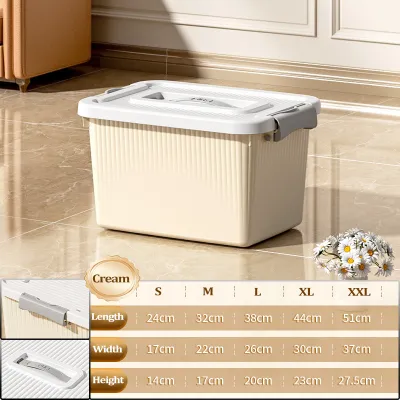
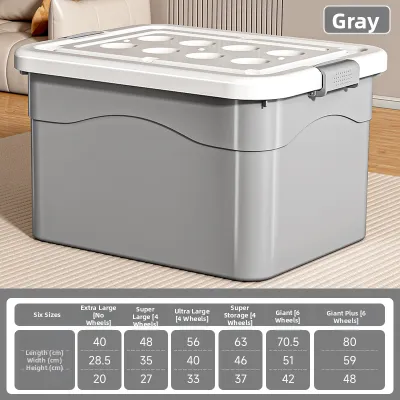
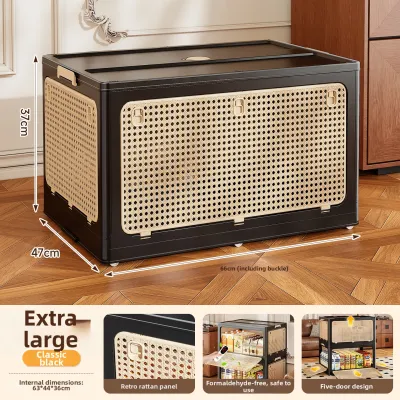
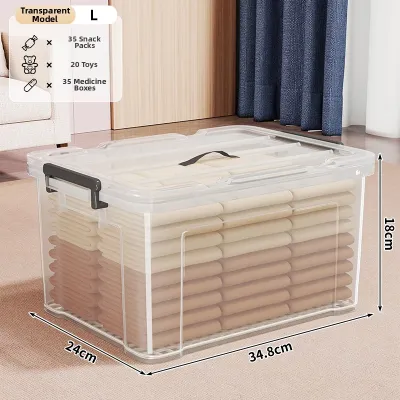
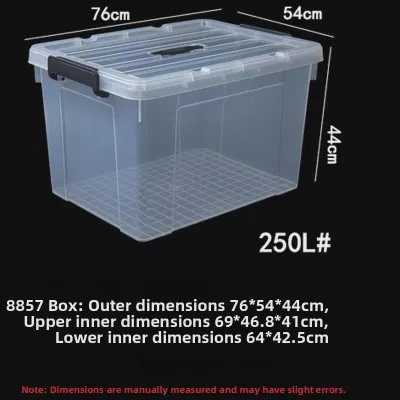
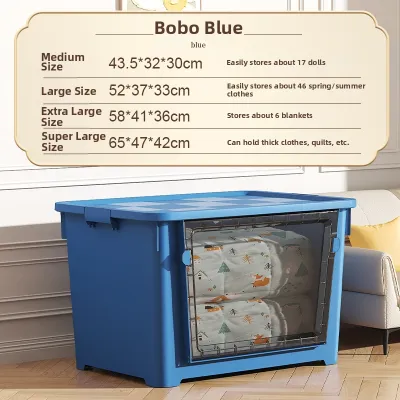
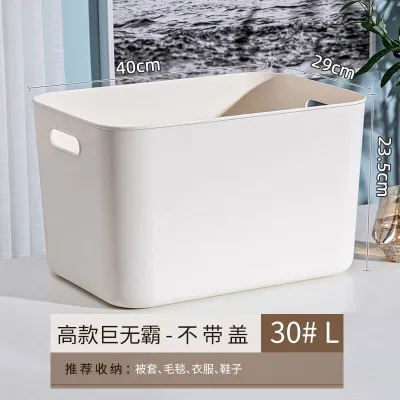
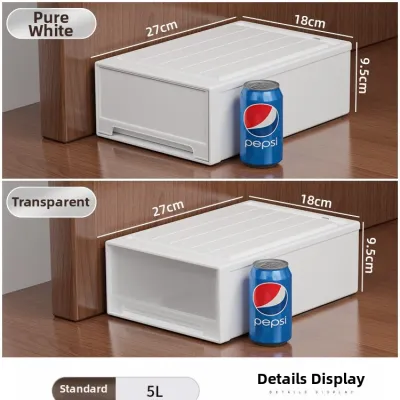
Prices are valid at publication and may change. Please refer to the product page for the latest price.
Reinforced bases and ribbed walls provide the structural integrity necessary to support heavy loads without buckling. Inspect the exterior walls and bottom of the container for molded structural ribs. These vertical and horizontal ridges distribute weight evenly and prevent the plastic from bowing outward when filled to capacity. A flat-walled box is highly susceptible to warping under pressure, which can compromise the lid fit and lead to a catastrophic collapse of the entire stack.
Secure latching mechanisms are critical for preventing accidental spills during transport. Heavy-duty latches that snap firmly over the lid edges provide the most reliable closure, ensuring the lid remains attached even if the box is tilted, bumped, or dropped. In contrast, hinged lids or simple snap-on lids without latches can easily pop open under pressure or catch on other items in the truck, exposing your belongings to dust, moisture, or loss.
Ergonomic handles are essential for safe and balanced lifting throughout the moving process. Lifting and carrying heavy boxes all day can quickly lead to fatigue and hand strain. Look for boxes with wide, molded handles that are integrated directly into the rim of the container. Avoid thin, sharp plastic edges that cut into your palms under load. Ergonomic handles should allow for a full, comfortable grip, even when you are wearing protective work gloves, helping you maintain balance and control while navigating stairs or narrow hallways.
Matching Box Sizes and Types to Your Belongings
A successful packing strategy relies on matching the right box size and type to the specific items you need to transport. Overpacking large boxes with heavy items or underpacking small boxes with bulky goods can lead to damaged belongings and inefficient truck loading.

Small boxes are best reserved for heavy, dense items such as books, kitchenware, tools, and small electronics. Packing these items in smaller containers keeps the overall weight of each unit manageable, reducing the risk of personal injury and preventing the bottom of the box from bowing or cracking. Large boxes, on the other hand, are ideal for bulky, lightweight items like linens, pillows, blankets, winter wear, and stuffed toys. Packing these items in larger containers keeps them compressed, clean, and dry without making the box too heavy to carry safely.
Clear versus opaque plastics serve different functional purposes during a move. Clear plastic storage boxes are incredibly useful for packing daily essentials, kitchen tools, toiletries, and items you will need immediately upon arrival at your new home. They allow you to identify the contents at a glance without opening multiple lids. However, for valuable items, personal documents, or private belongings, choose opaque plastic boxes. Opaque containers keep your personal items out of sight during the move, providing an extra layer of security and privacy.
Wheeled versus flat-bottom designs offer distinct advantages depending on your transit conditions. Wheeled plastic boxes can make moving heavy items across smooth, flat indoor surfaces effortless, reducing physical strain. However, they can pose a safety hazard inside a moving truck if they are not properly secured, as they can roll and shift during transit. For the bulk of your stack, flat-bottom designs are preferred because they offer maximum stability and surface contact. If you do use wheeled boxes, place them on the truck floor and secure them tightly against the truck walls to prevent movement.
Implementing a structured box organizer storage plastic box system is the key to maintaining order throughout your move. Group your plastic boxes by room using color-coded labels, heavy-duty tape, or numbered markers. A structured system allows the moving crew to place each box directly into its designated room at your new home, saving you from sorting through a mountain of mixed containers later.
Packing and Stacking Safety Guidelines
Packing your belongings securely is only half the battle; you must also stack and transport your plastic boxes safely to prevent damage to your goods and ensure the safety of the moving crew.
Weight distribution principles dictate that you must always place the heaviest, most rigid containers at the bottom of the stack. This creates a stable foundation and prevents lighter, more fragile boxes from being crushed. Never stack heavy boxes on top of lighter ones, as this can cause the lower containers to buckle, leading to a dangerous collapse of the entire column. Keep the center of gravity low in each stack to minimize swaying during transit.
Before building tall columns of plastic boxes, verify the manufacturer’s recommended stacking limits if available. If no official limit is specified, physically inspect the bottom boxes in the stack for any signs of stress, such as bowing walls, cracking sounds, or lids that are beginning to sink. If you notice any deformation, distribute the weight across multiple shorter stacks rather than one tall column. Ensure that the interlocking points on the lids are fully engaged before adding another box to the stack.
Rigid plastic containers do not flex like cardboard, meaning items inside can shift and collide during transit. To prevent damage, fill any empty spaces inside the box with padding materials such as bubble wrap, packing paper, clean towels, or blankets. Ensuring a tight, padded fit prevents fragile items from slamming against the hard plastic walls of the container when the moving truck encounters bumps, potholes, or sudden stops.
Create a detailed inventory list that corresponds to numbered labels on your plastic boxes. Write the destination room and a brief summary of the contents on waterproof labels attached to the sides of the boxes, rather than just the lids. Lids can easily be swapped or misplaced during unpacking, so labeling the box body ensures your inventory tracking remains accurate throughout the entire moving process.
What to Verify Before Buying Online or In-Store
To avoid sizing errors, structural disappointments, and unnecessary expenses, it is essential to thoroughly evaluate your plastic storage boxes before making a purchase.
When shopping for plastic storage boxes, pay close attention to the listed dimensions. Manufacturers often display the maximum external dimensions, which include the protruding handles and lid lips. The actual internal storage space is usually smaller, especially in tapered designs. Measure your largest items and compare them against the internal dimensions to ensure they will fit comfortably without forcing the lid closed.
If you are purchasing your boxes from a physical retail store, test the lids and latches before buying. Snap the latches shut to ensure they require a firm, positive force to close and do not pop open easily. Check that the lid sits flush against the rim of the box without any gaps, which could allow dust, moisture, or pests to enter during storage or transit. Inspect the plastic for any signs of warping, discoloration, or thin spots that could indicate weak points.
When buying plastic boxes from online marketplaces, keep in mind that these items are highly bulky. Shipping fees are often calculated based on volumetric weight rather than actual weight, which can significantly increase the total cost. Look for sellers that offer bulk bundles, flat-rate shipping, or local pickup options to keep your moving budget in check. Additionally, verify the nesting depth of empty boxes; boxes that nest deeply inside one another when empty will save valuable space in your home before the move begins.
Inspect your plastic boxes immediately upon delivery, especially when ordering online. Plastic can crack or warp during shipping if not packaged properly. Verify the seller’s return and replacement policies so you can quickly exchange any damaged, cracked, or mismatched units before your scheduled moving day.
Frequently Asked Questions (FAQ)
Plastic Storage Boxes vs. Cardboard Cartons for Moving
Plastic storage boxes offer superior protection against moisture, humidity, and pests, making them ideal for long-term storage or moves during the rainy season. They are highly durable, reusable, and provide rigid protection for fragile items. However, cardboard cartons are much more cost-effective, lightweight, and can be folded flat to save space when empty. A hybrid approach is often best: use plastic boxes for fragile, valuable, or moisture-sensitive items, and cardboard cartons for clothing, books, and non-fragile household goods.
Can You Use Second-Hand or Repurposed Plastic Boxes for Lipat Bahay?
Yes, you can use second-hand plastic boxes, but you must inspect them thoroughly before packing. Look closely for micro-cracks, especially around the corners, handles, and base, as these weak points can fail under load. Check for UV degradation, which makes plastic brittle and prone to shattering, particularly if the boxes were stored in direct sunlight. Clean and sanitize the boxes thoroughly with a mild disinfectant to remove any dust, mold, or residue before packing your personal belongings. Reject any boxes with warped lids that no longer seal tightly or containers that show signs of structural fatigue.

Community discussion
Share your experience or ask a question. Comments are reviewed before publication.