
The best plastic storage containers for moving house in the Philippines are those that match the specific weight, fragility, and volume of your belongings while resisting tropical humidity and the physical stress of transit. Instead of relying on a single generic bin size, a successful lipat bahay requires a strategic mix of heavy-duty, reinforced utility crates for dense items, secure latching boxes for fragile valuables, and high-capacity clear bins for lightweight linens.
Selecting the right plastic storage box or container is critical for protecting your belongings and optimizing transport space. Rather than relying on generic bins, a successful relocation requires matching specific container features to the weight, fragility, and volume of your household items. This guide provides a condition-based framework to help you evaluate structural requirements, plan your space, and safely pack and stack your items for transit across the Philippines.
Essential Features for Moving-Specific Plastic Containers
When preparing for a household move, standard home organization bins may not offer the structural integrity required to survive the journey. Moving involves dynamic forces, including sudden stops, vibrations from uneven road surfaces, and repeated manual handling. To safeguard your belongings, you must look for specific engineering features designed to withstand these stresses.
Products mentioned in this guide
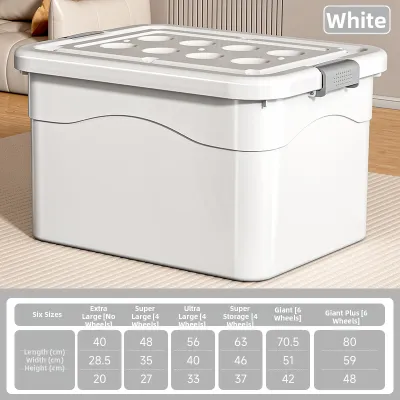
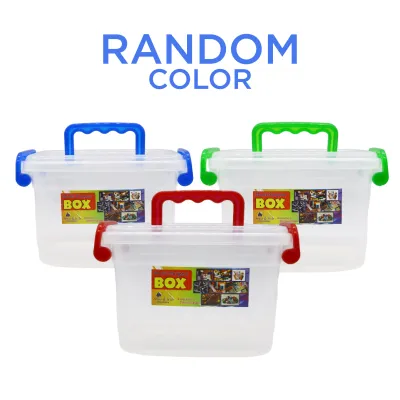
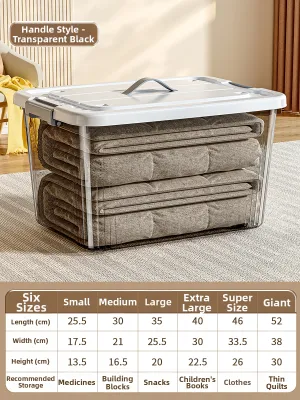
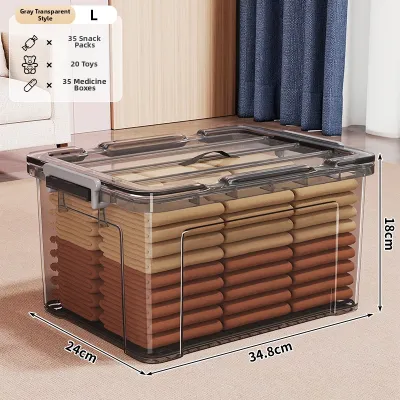
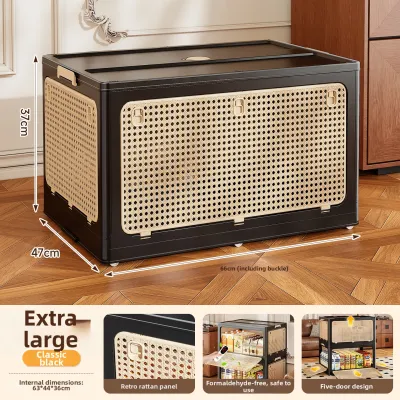
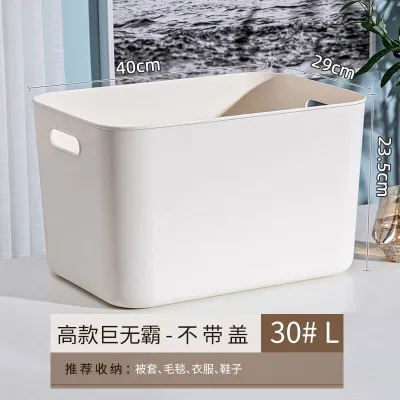
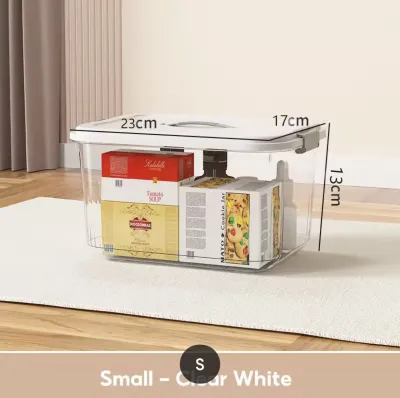
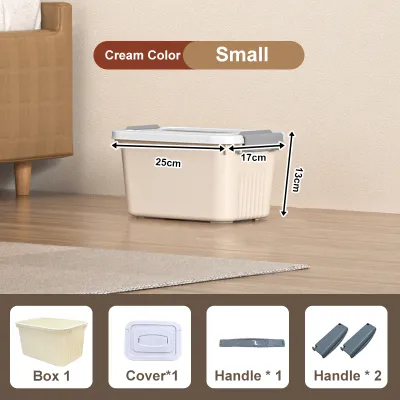
Prices are valid at publication and may change. Please refer to the product page for the latest price.
Lid security is the first line of defense against spills and shifting during transit. Standard friction-fit lids that simply snap onto the rim of a container are highly susceptible to popping off when subjected to pressure or vibration. For a secure move, prioritize containers equipped with multi-point latching mechanisms or heavy-duty locking buckles. These latches mechanically clamp the lid to the container body, ensuring that even if a box tips over in the moving truck, the contents remain safely enclosed.
Stackability and interlocking bases are essential for maximizing the vertical space inside a moving truck or transport vehicle. Look for containers designed with deeply recessed lids that perfectly match the footprint of the container’s base. This interlocking design creates a nested stack that resists lateral sliding when the vehicle accelerates, brakes, or navigates sharp turns. Without these interlocking channels, containers can easily slide off one another, leading to collapsed stacks and damaged goods.
Handle ergonomics and grip placement directly impact the safety of the moving process. Moving requires lifting heavy loads repeatedly, which can quickly lead to hand fatigue or physical strain. Look for integrated handle grips that are molded directly into the container’s frame, offering a wide, rounded surface for your hands. Avoid containers with sharp, thin plastic edges under the handles, as well as flimsy clip-on handles that can easily snap off when the container is fully loaded.
Finally, evaluate the material thickness and structural reinforcement of the container. The base of a moving container bears the concentrated weight of its contents, especially when lifted. High-quality moving containers feature visible reinforcement ribs along the bottom panel and corners. These ribs distribute weight evenly across the structure, preventing the plastic from bowing, warping, or cracking under heavy loads.
Condition-Based Container Recommendations
Categorizing your household items before purchasing your packing supplies is a crucial step in ensuring a smooth relocation. Matching the physical characteristics of your belongings to the correct container specifications prevents structural failures and optimizes space.

Heavy and Dense Items (Books, Tools, Kitchenware)
Heavy and dense items present the highest risk of container failure during a move. Packing items like books, hand tools, heavy cookware, or canned goods into large, unreinforced containers is a common mistake that often results in bottom blowouts and lifting injuries.
For these heavy loads, select containers with small to medium footprints. A smaller volume naturally limits the total weight of the packed container, keeping it within safe human lifting limits and preventing the plastic from being overstressed. Look for heavy-duty utility crates or industrial-grade totes that feature heavily ribbed bases and thick, impact-resistant walls.
Always check the manufacturer’s weight limits printed on the product label or specification sheet rather than relying on visual guesses. Solid or opaque colors, such as dark gray, black, or deep blue, are often preferred for heavy-duty containers. These materials are typically formulated for industrial use and are highly effective at hiding the dust, scuffs, and scratches that occur during intense handling.
Fragile and Valuable Items (Electronics, Glassware, Decor)
Fragile and valuable items require a secure, stable environment that minimizes movement and absorbs shock during transit. When packing delicate glassware, electronics, or decorative items, the interior design of the container is just as important as its exterior strength.
Look for containers with smooth interior walls. Sharp plastic seams, internal molding protrusions, or rough edges can easily snag on bubble wrap, packing paper, or delicate fabrics, potentially tearing the protective layers and exposing your items to damage. The interior should be clean and uniform to allow for tight, efficient packing.
For valuables, avoid simple snap-on friction lids entirely. Instead, require secure, multi-point latching lids that remain locked even if the container is accidentally tilted or bumped during handling. This ensures that the lid cannot be forced open by shifting items inside.
When selecting sizes, choose containers that minimize empty space while leaving just enough room for adequate padding materials. A container that is too large allows fragile items to slide around and collide, while one that is too small leaves no room for protective cushioning like bubble wrap or foam peanuts.
Bulky and Lightweight Items (Linens, Winter Clothes, Pillows)
Bulky, lightweight items like blankets, pillows, comforters, and seasonal clothing do not require heavy structural reinforcement. For these items, large-capacity bins with standard wall thickness are the most efficient choice, allowing you to consolidate high-volume items without adding unnecessary weight.
Clear or translucent plastic bodies are highly beneficial for lightweight items. They allow you to perform a quick visual inventory of the contents without having to open every container during unpacking. This saves significant time when searching for specific linens or clothing items in your new home.
In the humid Philippine climate, moisture resistance is a key consideration. Ensure the lids fit snugly to protect fabrics from dust, pests, and ambient humidity during transit and temporary storage. While these bins do not need to be completely airtight, a tight-fitting lid prevents moisture from seeping in during sudden tropical downpours.
Sizing, Space Planning, and Transit Logistics
Before purchasing plastic containers in bulk, it is essential to measure your physical environment. Take precise measurements of doorways, narrow hallways, stairwells, elevator cabins, and the cargo area of your moving vehicle.
Compare these dimensions against the external measurements of the containers you plan to buy. This prevents the frustration of purchasing high-capacity bins only to find they cannot clear a tight corner in your condominium stairwell or fit through your front door.
Balance container volume with human lifting capacity. While a massive container might hold an entire closet of clothes, filling it with heavier items will make it dangerous to carry. Keep individual container weights manageable to avoid physical strain or accidental drops.
Always plan for empty space and padding materials inside each container. If a container is partially filled, fill the remaining space with crumpled packing paper, towels, or bubble wrap to prevent the contents from shifting and sliding during transit.
Safe Stacking and Handling Practices
Stacking containers efficiently inside a moving truck or staging area requires a systematic approach to prevent collapses. Always place the heaviest, most structurally rigid containers at the very base of the stack to create a stable foundation.
Avoid overhang at all costs. Ensure that the interlocking bases of the upper containers are fully engaged with the lids of the containers below them. Misaligned stacks concentrate weight on weak points, which can cause the plastic to crack or buckle.
Use heavy-duty straps, bungee cords, or stretch wrap to secure tall stacks inside the moving truck. This prevents the stacks from tipping over when navigating any uneven roads, steep inclines, or sharp turns.
Define clear stopping conditions during the stacking process. Halt stacking immediately if any container in the column begins to wobble, if the lids show visible stress marks or whitening, or if the sides of the bottom containers begin to bow outward.
Purchasing Channels and Pre-Checkout Verification
When sourcing plastic storage containers in the Philippines, you can choose between local hardware stores, home goods retailers, and online marketplaces. Local physical stores allow you to inspect the plastic quality firsthand, while online marketplaces offer convenience and bulk delivery options.
If ordering online or receiving a bulk delivery, inspect every container immediately upon arrival. Check for manufacturing defects, hairline cracks, weak or broken hinges, and warped bases or lids that prevent a tight seal.
Before finalizing your purchase, verify the retailer’s return and exchange policies, especially for bulk orders. Ensure you can easily replace any units that arrive damaged or do not meet your structural expectations.
Frequently Asked Questions (FAQ)
Can I use standard clear storage boxes for heavy items like books?
Standard clear storage boxes are generally not recommended for heavy items like books or tools. Clear plastics are often more brittle and less flexible than opaque, high-density polyethylene (HDPE) or polypropylene (PP) plastics, making them prone to cracking under heavy loads. Always check the manufacturer’s weight ratings and base thickness before loading dense items into clear containers.
How do I prevent moisture damage inside plastic containers during the rainy season?
To protect your belongings from moisture during the rainy season, place silica gel desiccant packs inside the containers before sealing them. Ensure the lids are fully sealed with no visible gaps, and avoid packing any items that are damp or humid. It is also wise to check the weather forecast and wrap the container seams with stretch film if moving during heavy downpours.
Is it better to buy or rent plastic moving containers?
Buying plastic containers is highly cost-effective if you plan to use them for long-term household organization, garage storage, or future moves. If you only need them for a one-time relocation and have limited storage space in your new home, renting plastic moving crates from a local service can be a practical alternative, provided you can meet their return timelines and condition requirements.

Community discussion
Share your experience or ask a question. Comments are reviewed before publication.