
Moving to a new home in the Philippines is an exciting milestone, but the logistics of packing, transporting, and organizing your belongings can quickly become overwhelming. Whether you are transitioning to a high-rise condominium in Metro Manila or a spacious suburban house in Laguna, maximizing your storage space is essential. A high-quality rack organizer shelf layer system serves as a versatile tool during this transition, helping you categorize items, protect fragile goods, and establish an orderly setup in your new space from day one.
By planning your storage layout before the moving truck arrives, you can avoid the common pitfall of stacking boxes haphazardly in your new living room. Utilizing structured shelf layers allows you to utilize vertical space efficiently, keeping essential items accessible and reducing the overall clutter associated with relocation. This guide outlines how to evaluate your space, select the right organizer features for tropical conditions, compare different shelving designs, and implement smart packing strategies for a seamless move.
Assessing Your Space and Moving Conditions
Before purchasing any shelving units, it is crucial to conduct a thorough inventory of your belongings and evaluate the physical constraints of both your current and future homes. Begin by categorizing your items based on their weight, fragility, and volume. Heavy kitchen appliances, cast-iron cookware, and bulky pantry staples require robust, heavy-duty shelf layers, while lightweight linens, plastic organizers, and decorative pieces can be placed on lighter modular units. Estimating the volume of these categories will help you determine the exact number of shelf layers and the overall weight capacity you will need.
Products mentioned in this guide
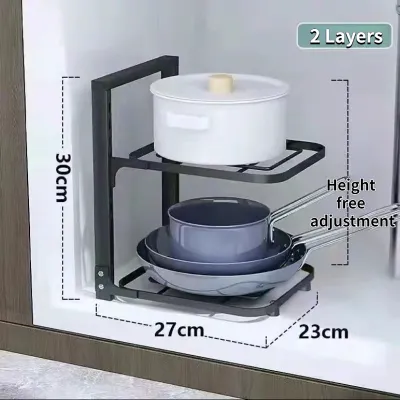
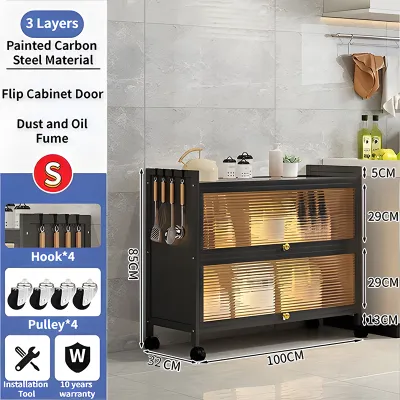
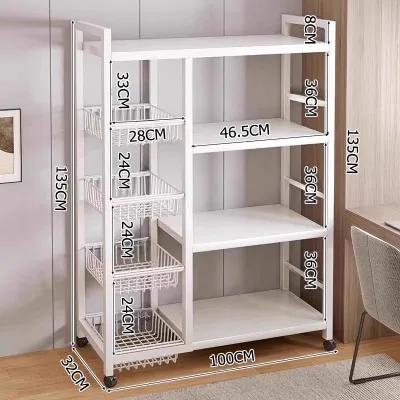
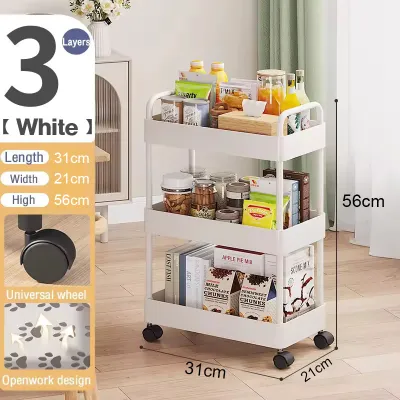
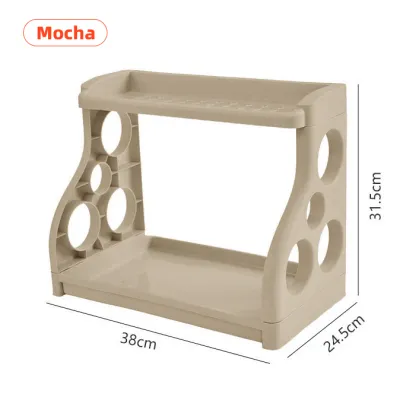
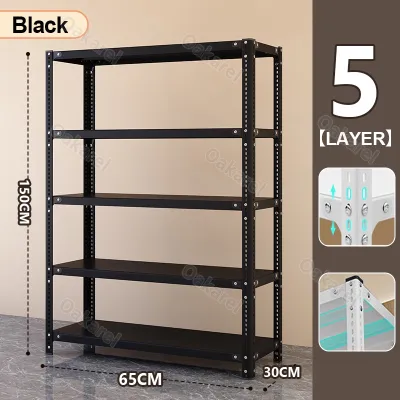
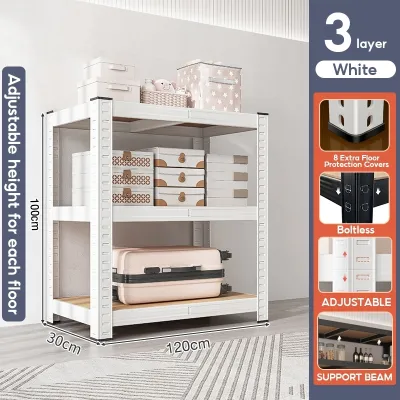
Prices are valid at publication and may change. Please refer to the product page for the latest price.
Next, take precise measurements of the available floor area and vertical clearance in your new home. It is easy to overestimate the size of a room, leading to organizers that block windows, light switches, or electrical outlets. Consider the height of your ceilings, especially if you plan to use tall, multi-tiered racks to maximize vertical storage in utility rooms, kitchens, or closets.
Equally important is the physical path your furniture must travel during the move. Measure the widths of all doorways, narrow hallways, stairwells, and elevator cabins in both the old and new locations. If you live in a condominium with strict elevator dimensions or a traditional multi-story house with tight stairwell corners, fully assembled heavy-duty racks may not fit through the access points. In such cases, opting for flat-pack, modular, or easily disassembled shelf layers is the most practical choice, ensuring you can transport the components individually and assemble them directly in the designated room.
Essential Features for Moving-Friendly Shelf Organizers
When selecting shelf organizers specifically for a move, structural design and ease of assembly should be at the top of your checklist. Foldable or collapsible rack designs are highly advantageous for relocation because they can be packed completely flat when empty, taking up minimal space in the moving vehicle. Tool-free assembly systems, such as those utilizing slip-sleeve collars or snap-together joints, save valuable time and energy during both the packing phase and the eventual setup in your new home.

Do not rely on general material assumptions when determining how much weight a shelf can support. Instead, verify the manufacturer’s specified load capacity directly on the product packaging, instruction manual, or official specification sheet. A metal rack is not automatically heavy-duty; its actual capacity depends on wire gauge, joint welding quality, and overall structural design. Ensure the rated capacity per shelf layer comfortably exceeds the weight of the heaviest items you plan to store.
The tropical climate of the Philippines introduces environmental factors that can compromise the durability of your storage furniture. High relative humidity, especially during the rainy season, can accelerate rust on untreated metal components and encourage mold growth on raw wood or low-grade fiberboard. Inspect the surface treatments of any potential purchase: look for durable powder-coated finishes, chrome plating, or moisture-resistant sealants that protect the underlying material from moisture damage and ensure long-term usability.
Stability is another critical factor, particularly when organizers are fully loaded. Look for features such as locking casters, which allow you to roll the rack easily for cleaning or repositioning and then lock it securely in place to prevent accidental movement. If you are installing tall shelving units, verify if they include anti-tip hardware or wall-anchoring brackets to secure the frame to the wall, protecting your household from accidental tip-overs on uneven floors.
Comparing Rack and Shelf Layer Types for Relocation
Choosing the right type of shelf organizer depends on the specific items you need to store and the layout of your home. Different structural designs offer distinct advantages in terms of airflow, stability, and space optimization.
Wire shelving units are highly popular due to their excellent ventilation, which is particularly beneficial in humid tropical environments to prevent musty odors and moisture buildup on stored goods. The open-wire design also minimizes dust accumulation and allows light to pass through, making it easier to see items stored on lower levels. However, small or narrow items can easily slip through the wire gaps or stand unevenly; this can be resolved by using plastic shelf liners or placing smaller items inside storage bins before placing them on the rack. Solid panel racks, on the other hand, provide a completely flat and continuous surface ideal for books, small decorative items, and unstable containers, though they block airflow and can accumulate dust more quickly.
For maximizing the interior space of existing wardrobes, kitchen cabinets, or pantry closets, stackable shelf layers and under-shelf wire baskets are highly effective. These compact organizers allow you to divide tall, underutilized cabinet space into multiple functional tiers without the need for permanent drilling or carpentry work. They are lightweight, easy to pack into moving boxes, and can be instantly redeployed in your new kitchen or closet.
Modular and adjustable tier organizers offer the ultimate flexibility for dynamic storage needs. These systems allow you to adjust the height of individual shelf layers in small increments, making it simple to accommodate irregularly shaped items such as rice cookers, large plastic storage tubs, or tall kitchen appliances. This adaptability is incredibly useful during a move, as your storage requirements may change once you begin unpacking your belongings in the new layout.
To help you decide which configuration best suits your moving and storage needs, consider the following comparison of common shelf organizer structures:
| Organizer Type | Primary Use-Case | Assembly Effort | Space Efficiency |
|---|---|---|---|
| Wire Shelving Units | Pantries, utility rooms, and humid storage areas | Low to Medium (often tool-free) | High (utilizes full vertical height) |
| Solid Panel Racks | Bookshelves, display areas, and heavy garage storage | Medium to High (may require tools) | High (provides stable, flat surfaces) |
| Stackable Shelf Layers | Inside kitchen cabinets, wardrobes, and closets | None (pre-assembled or simple stack) | Medium (optimizes existing cabinet space) |
| Adjustable Tier Organizers | Dynamic storage for varying box and appliance sizes | Medium (requires adjusting clips/brackets) | Very High (customizable vertical gaps) |
Packing Strategies to Maximize Space on Shelf Layers
Properly loading and securing your shelf layers is essential for maintaining safety, protecting your belongings, and optimizing space during a move. The fundamental rule of shelving safety is to distribute weight evenly across all layers, always placing the heaviest items on the bottom shelves. This practice keeps the unit’s center of gravity low, significantly reducing the risk of the rack tipping over during use or when being carefully repositioned. Reserve the upper shelves for lightweight items, frequently accessed goods, or decorative pieces.
To prevent items from shifting, sliding, or falling off the shelves during transit, secure loose goods and small boxes using practical packing accessories. Wrap entire shelf sections in heavy-duty stretch wrap (moving cling wrap) to keep items bound together, or use adjustable bungee cords and tie-down straps to secure larger boxes directly to the rack frame. Fragile items, such as glassware or ceramics, should be individually wrapped in bubble wrap or packing paper and placed inside sturdy storage bins before being set on the shelves.
Protecting the organizer itself is also important to maintain its appearance and structural integrity. Wrap the metal frames, corners, and shelf edges with thick moving blankets or bubble wrap, securing the protective layers with packing tape. This cushioning prevents the metal from scratching your walls, door frames, or other furniture inside the moving vehicle, while also shielding the rack’s finish from dents and chips.
Finally, implement a clear labeling system to streamline the unpacking process in your new home. Use color-coded adhesive labels or clear plastic bin tags to mark each shelf layer or storage container with its designated room (e.g., “Kitchen – Pantry,” “Utility Room,” or “Master Closet”) and a brief list of its contents. This simple step saves hours of searching through boxes and ensures that every item is placed in its correct location from the moment you arrive.
Purchasing Channels and Pre-Checkout Verifications
Acquiring your shelf organizers through reliable channels ensures that you receive high-quality products backed by customer support. Physical furniture retailers allow you to inspect the build quality, material thickness, and joint stability in person before making a decision. Official brand stores, whether physical or online, offer the most reliable warranty coverage and access to authentic replacement parts or additional shelf layers. Online marketplaces and ecommerce platforms provide unmatched convenience and a vast selection of designs, but require a careful review of seller ratings, customer feedback, and return policies to avoid low-quality imitations.
Before finalizing any purchase, perform a thorough pre-checkout verification. Double-check the exact product dimensions—including the width, depth, and total height—against the measurements you took of your new home’s layout and transit paths. Ensure that the footprint of the rack fits comfortably within your designated space without obstructing walkways or doors.
Review the shipping terms and delivery conditions carefully, especially when ordering heavy or bulky shelving units. Some retailers deliver items flat-packed and require self-assembly, while others may offer assembly services for an additional fee. Make sure you have the necessary tools on hand if self-assembly is required, and verify the customer service contact details in case you need assistance.
Immediately upon delivery, open the packaging and inspect all components before beginning assembly or signing off on the shipment. Check the parts list in the manual to ensure no screws, shelf clips, leveling feet, or structural poles are missing. Inspect the metal frames for any signs of bending, rust, or chipped paint, and verify that plastic connectors or casters are free of cracks. Addressing any missing or damaged parts immediately allows you to contact the manufacturer or retailer for a quick replacement, preventing delays in your moving schedule.
Frequently Asked Questions (FAQ)
Can I leave items on the shelf layers while moving the rack?
No, it is highly unsafe to transport a rack organizer while it is loaded with items. Shifting weight during movement can cause the rack to become unstable, leading to tip-overs, structural damage to the frame, or severe damage to your belongings. The sudden forces experienced inside a moving vehicle can easily buckle the metal poles or dislodge the shelf clips. Always empty the shelves completely, pack the items securely in designated moving boxes, and disassemble or secure the empty rack frame before loading it onto the moving truck.
How do I prevent wire shelf layers from scratching my furniture?
To protect your existing furniture, countertops, or cabinet interiors from scratches caused by metal wire organizers, use protective barriers. Place thick plastic shelf liners or silicone mats on the wire surfaces to prevent direct contact between metal edges and your items. For the feet or base of the organizer, apply adhesive felt pads, rubber caps, or plastic feet protectors. These simple additions cushion the contact points, prevent sliding, and shield delicate wood, laminate, or glass surfaces from unsightly scratches and dents.

Community discussion
Share your experience or ask a question. Comments are reviewed before publication.