
Finding the right storage solution for a home office in the Philippines often involves a balancing act between maximizing vertical space and preserving wall integrity. In many local condominiums, apartments, and houses, walls are constructed from solid concrete, hollow blocks with thick plaster, or delicate gypsum board partitions. Drilling into these surfaces requires specialized tools, creates disruptive noise, and often violates rental agreements, making no-drill wall-mounted shelves an attractive alternative.
To choose the most reliable option, you must evaluate how different mounting mechanisms interact with your specific wall type and the humid tropical climate. While adhesive shelves offer a sleek look, their weight capacity is strictly limited by the surface finish. For heavier office supplies like textbooks and reference binders, alternative systems such as tension poles or desk-clamp organizers provide the necessary structural support without risking wall damage.
Selecting the right setup requires a clear understanding of how these systems distribute weight and how environmental factors affect their stability. By matching the mounting method to your wall material and office inventory, you can create an organized, productive workspace that remains secure over years of daily use.
Products mentioned in this guide
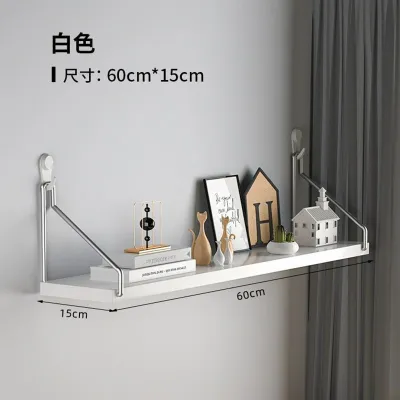
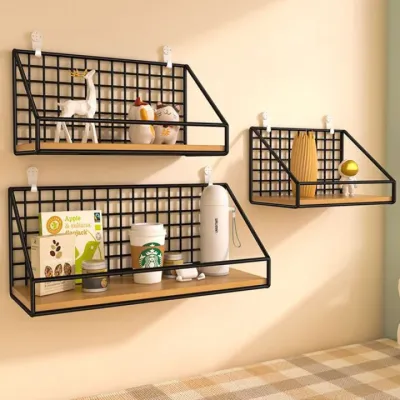
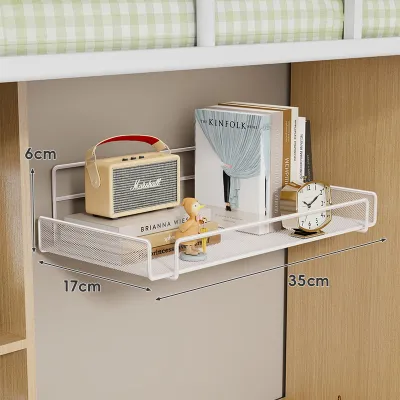
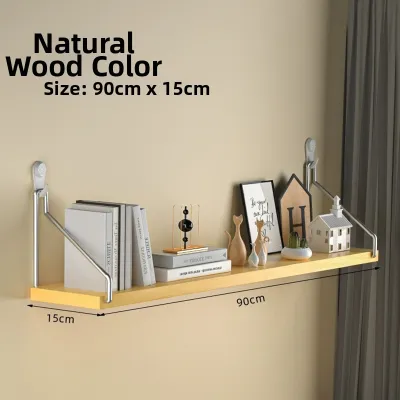
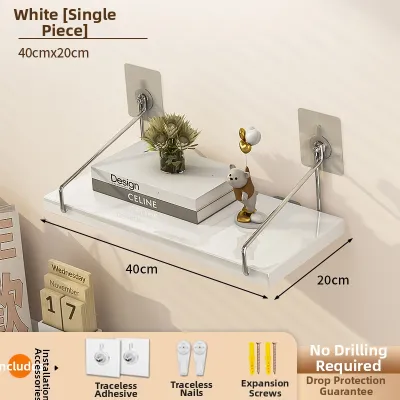
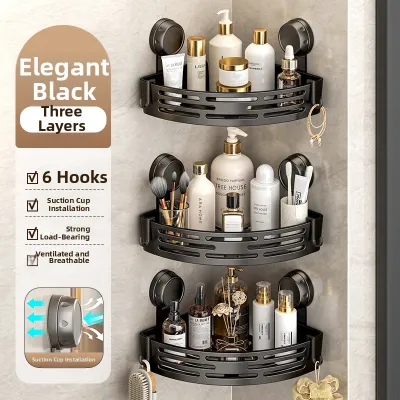

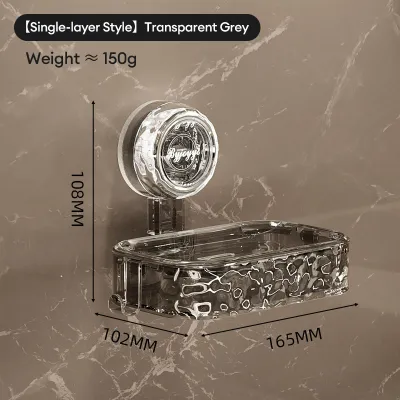
Prices are valid at publication and may change. Please refer to the product page for the latest price.
Understanding No-Drill Shelf Mechanisms and Wall Compatibility
Before purchasing any no-drill shelving system, you must identify the exact material and finish of your home office walls. No-drill shelves rely entirely on friction, compression, or surface adhesion to stay upright. Because these systems do not anchor into the structural studs or concrete core of your home, the outermost layer of your wall becomes the primary point of support and, consequently, the most common point of failure.
Adhesive-based shelves perform exceptionally well on smooth, non-porous, and rigid surfaces. Materials such as glazed ceramic tiles, tempered glass, polished metal, and sealed, varnished wood provide an ideal surface for acrylic or polyurethane adhesive tapes. On these materials, the adhesive can form a complete, airtight bond that resists sliding forces, allowing the shelf to hold its rated capacity.
Conversely, painted drywall, gypsum board, wallpaper, and textured plaster are highly unsuitable for heavy adhesive loads. When you apply an adhesive shelf to a painted wall, the tape does not bond to the underlying concrete or drywall; it bonds only to the thin layer of paint. Under the weight of books or office supplies, the shear stress will often pull the paint layer away from the plaster, resulting in a collapsed shelf and unsightly wall damage.
Furthermore, the tropical climate of the Philippines introduces environmental challenges that affect adhesive performance. High relative humidity and elevated indoor temperatures can soften certain adhesive compounds over time, causing them to lose their grip or creep downward. When selecting adhesive shelves, look for products that explicitly specify moisture resistance, and avoid installing them on walls that experience direct sunlight or high humidity fluctuations.
Always verify the manufacturer’s compatibility list before making a purchase. If your home office features painted concrete walls—a standard construction method in many local residences—assume that standard adhesive strips will carry a high risk of paint peeling. In these environments, mechanical alternatives that do not rely on surface adhesion are generally more reliable.
Key Selection Criteria for Home Office Book and Supply Storage
When evaluating no-drill shelves for organizing study materials, textbooks, and office equipment, you must look beyond aesthetic appeal and analyze structural specifications. The first step is to scrutinize the manufacturer’s load capacity rating. Keep in mind that these weight limits are calculated under perfect laboratory conditions, usually on clean glass or polished steel; your actual capacity will be significantly lower on typical home walls.

To determine the appropriate shelf size, measure your available wall space, desk clearance, and physical reach. A shelf placed too high becomes inconvenient for daily use, while one placed too low can crowd your desk surface and restrict your movement. Ensure that the depth of the shelf matches the items you plan to store; standard textbooks and binders require a depth of at least 20 to 25 centimeters to sit securely without overhanging.
The structural design of the shelf itself plays a critical role in preventing accidents. Look for shelves with integrated front lips or side barriers, which prevent round items like pens, hard drives, or small decorative plants from rolling off. Additionally, examine the bracket geometry; wider brackets or those with a triangular support structure distribute weight more evenly across the wall surface, reducing the concentrated pulling force on the adhesive or mounting pads.
Material choice also dictates long-term durability in tropical environments. While solid wood and metal are sturdy, they must be properly treated to withstand local conditions. Check that metal components feature rust-resistant powder coating or anodized finishes to prevent corrosion from humidity. For engineered wood or bamboo shelves, verify that all edges and joints are fully sealed to prevent moisture absorption, swelling, and warping.
Finally, compare prices in ₱ across reputable online marketplaces, keeping an eye on seller ratings and return policies. Because no-drill shelves rely heavily on precise manufacturing tolerances, purchasing from sellers with established track records for quality control is essential. Verify that the seller offers a clear return window in case the mounting hardware arrives damaged or proves incompatible with your wall surface.
Comparing Adhesive, Tension, and Over-Door Mounting Alternatives
To find the best fit for your home office, it is helpful to compare the three primary categories of no-drill shelving: adhesive systems, tension poles, and over-door or desk-clamp alternatives. Each method has distinct advantages and limitations depending on your room layout and storage needs.
Adhesive strips and pads offer the cleanest, most minimalist aesthetic, making them popular for modern, clutter-free workspaces. They are excellent for holding lightweight items such as routers, stationery holders, small speakers, or light decorative objects. However, their low weight limits and strict surface requirements make them unsuitable for storing extensive book collections or heavy reference manuals.
Tension pole systems and floor-to-ceiling shelving units offer a robust alternative for heavy book storage. These systems utilize a strong internal spring or a screw-expansion mechanism to create vertical compression between your floor and ceiling. Because they rely on vertical force rather than lateral wall adhesion, they can support substantial weight, making them ideal for dense textbooks and binders. However, they require a solid, unyielding ceiling (such as concrete) and cannot be safely used on suspended or thin gypsum ceilings.
Over-door organizers and desk-clamp shelves provide excellent utility when wall mounting is completely ruled out. Desk-clamp shelves attach directly to the edge of your office desk using adjustable screw clamps, creating elevated storage without touching the walls. Over-door systems hang from the top edge of standard room doors, utilizing unused vertical space. Both options are highly stable, easy to relocate, and completely damage-free, though they are limited by the dimensions of your existing furniture and doors.
When choosing between these alternatives, balance your storage volume against the physical footprint of the shelving. While tension poles can hold the most weight, they occupy a small amount of floor space and are highly visible. Adhesive shelves preserve floor space entirely but demand strict weight discipline. Desk clamps offer a middle ground, keeping your essential tools within arm’s reach while maintaining a stable, mechanical connection.
Safe Installation and Weight Distribution Practices
Achieving a secure, long-lasting installation with no-drill shelves requires meticulous preparation and adherence to physical principles. The most critical step in any adhesive installation is surface preparation. Even a microscopic layer of dust, oil from fingerprints, or moisture will prevent the adhesive from bonding fully to the wall, leading to premature failure.
Begin by cleaning the target area thoroughly with isopropyl alcohol and a clean, lint-free microfiber cloth. Avoid using household glass cleaners or multi-surface sprays, as these often leave behind a thin chemical residue that interferes with adhesive bonding. Allow the surface to dry completely; in humid environments, this may take several minutes longer than expected.
When applying adhesive pads or strips, press them firmly against the wall surface for at least thirty seconds to activate the pressure-sensitive compounds. Once the brackets are in place, observe the manufacturer’s mandatory curing period before placing any weight on the shelf. This waiting period, typically 24 to 48 hours, is non-negotiable; loading the shelf too early disrupts the chemical bonding process and permanently reduces its holding capacity.
Once the shelf is ready for use, practice smart weight distribution to minimize structural stress. Always place the heaviest items, such as thick reference books or binders, closest to the wall surface or directly over the support brackets. This placement reduces the leverage and shear force pulling outward on the mounting mechanism. Keep lighter items, like notebooks or stationery, toward the outer edges of the shelf.
If at any point during the installation you notice the wall surface crumbling, the adhesive peeling immediately, or the tension pole slipping, stop the process. Do not attempt to force an unstable shelf to work by adding more tape or tightening a mechanism beyond its limits. In such cases, consult the manufacturer’s guidelines or transition to a stable, freestanding bookcase to protect your equipment and safety.
Routine Inspection and Safe Removal Procedures
No-drill shelves require ongoing monitoring to ensure they remain safe and stable over time. Because environmental conditions like humidity and temperature fluctuate, the materials holding your shelf in place can degrade gradually. Establish a habit of performing a quick visual inspection of your shelving units every few weeks.
Look closely for any signs of adhesive creep, which often manifests as a tiny gap opening between the top of the bracket and the wall surface. Check if the shelf board is beginning to tilt forward or if the brackets show any signs of bending. If you observe any of these warning signs, unload the shelf immediately to prevent a sudden collapse that could damage your devices or cause injury.
Seasonal changes can also affect structural integrity. During periods of intense tropical humidity or heavy monsoon rains, monitor adhesive shelves more frequently, as moisture in the air can seep into porous wall materials and weaken the bond. Similarly, check tension poles periodically to ensure that natural building settling or temperature shifts have not loosened the vertical compression.
When it is time to move or reconfigure your home office, removing adhesive shelves safely requires patience to avoid tearing the wall surface. Never pull or pry the shelf directly off the wall, as this will almost certainly rip away paint or drywall paper. Instead, use a handheld hairdryer on a medium-heat setting to warm the adhesive bracket for several minutes, which softens the polymer compounds.
Once the adhesive is warm and pliable, gently slide a piece of dental floss, fishing line, or a thin plastic putty knife behind the bracket, sawing downward to break the bond. After the bracket is removed, clean any remaining sticky residue from the wall using a mild adhesive remover or isopropyl alcohol, taking care not to scrub so hard that you damage the wall’s original finish.
Frequently Asked Questions (FAQ)
Can no-drill shelves hold heavy textbooks and binders?
Adhesive-based no-drill shelves are generally not suitable for holding heavy textbooks, thick binders, or dense stacks of paper. The holding capacity of an adhesive shelf is ultimately limited by the strength of your wall’s outer paint or plaster layer, which can easily tear under heavy, continuous loads. If you need to store heavy reference materials in your home office, opt for tension pole shelving systems or desk-clamp organizers, which rely on mechanical compression and sturdy physical frames rather than surface adhesion.
Will removing adhesive shelves damage my rented apartment walls?
Removing adhesive shelves can damage rented apartment walls, particularly if the walls are painted drywall or gypsum board. Even adhesives marketed as damage-free can peel away paint or tear paper backing if they are pulled off forcefully or if the paint was not applied with a high-quality primer. To minimize the risk of damage, always use a hairdryer to soften the adhesive with heat before attempting removal, and gently slice through the bond with dental floss rather than pulling the bracket outward.

Community discussion
Share your experience or ask a question. Comments are reviewed before publication.