
When the monsoon season arrives in the Philippines, bringing relentless downpours and near-constant humidity, ordinary outdoor furniture quickly succumbs to rust and structural decay. Finding a livable folding table that can survive these harsh tropical conditions requires a close look at material science and construction quality. The key is selecting frames made of naturally corrosion-resistant metals like aluminum or high-grade stainless steel, or choosing heavily protected options like powder-coated steel and UV-stabilized resins.
By understanding how different materials interact with moisture, you can make an informed decision that keeps your outdoor or semi-outdoor spaces functional throughout the wettest months of the year. Investing in the right combination of frame and tabletop materials ensures your furniture remains stable, safe, and visually appealing for seasons to come.
Frame Materials That Resist Rust and Moisture
Aluminum is highly favored for tropical outdoor furniture because it does not rust in the traditional sense. When exposed to oxygen, it naturally forms a microscopic layer of aluminum oxide that protects the underlying metal from further corrosion. However, in coastal areas or highly humid environments, aluminum can experience pitting—a localized form of corrosion that creates tiny cavities. To prevent this, check if the frame is anodized or finished with a protective paint layer, and verify the tube gauge to ensure the frame remains structurally rigid under load.
Products mentioned in this guide
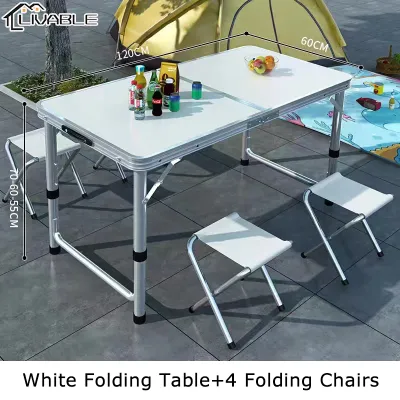
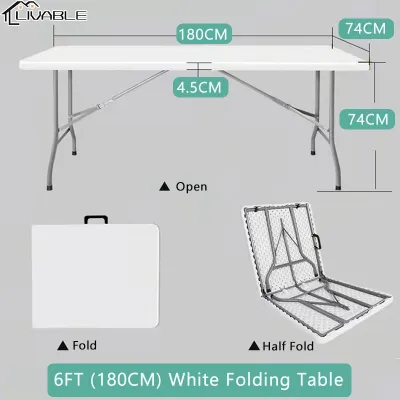
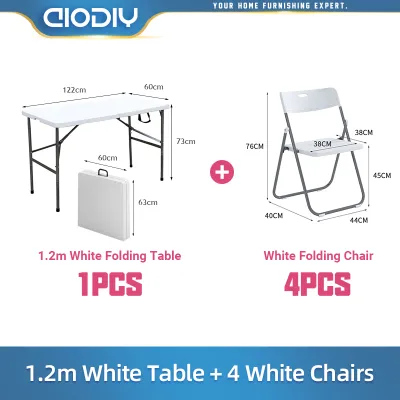
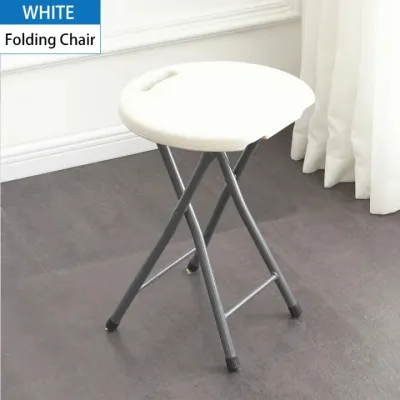
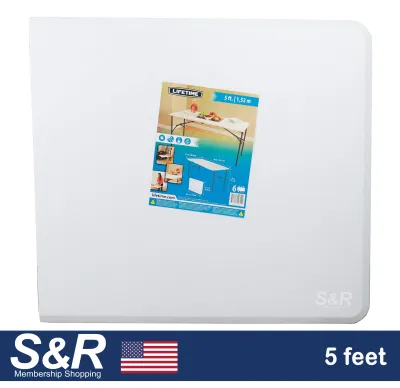
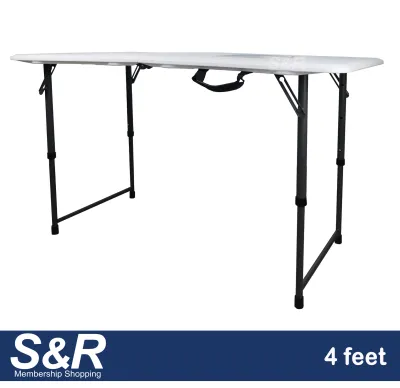
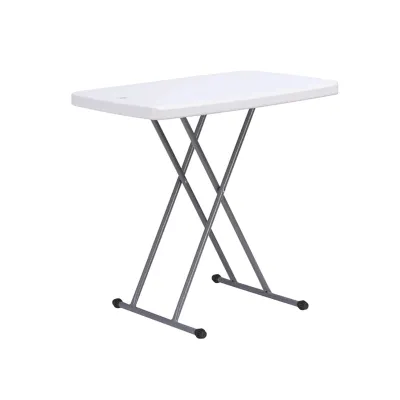
Prices are valid at publication and may change. Please refer to the product page for the latest price.
Powder-coated steel is a common and highly durable option, but its rust resistance depends entirely on the integrity of its outer shell. The powder-coating process bakes a dry plastic powder onto the steel frame, creating a tough, continuous barrier against moisture. However, if this coating is chipped, scratched, or improperly applied during manufacturing, water will seep in and rust the steel from the inside out. When shopping, inspect the frame closely for even coverage, especially around joints and sharp bends where the coating is prone to thinning.
Stainless steel offers excellent resistance to rust and staining, making it a premium choice for humid environments. However, not all stainless steel is created equal, and its performance depends heavily on the specific alloy used. Standard grades like 304 or 316 offer superior corrosion resistance compared to lower-grade alternatives, but you must verify the specific grade and outdoor rating with the manufacturer before purchasing. Keep in mind that even high-grade stainless steel can develop surface discoloration if exposed to salt air or acidic rain without regular cleaning.
Resin and heavy-duty plastics are completely immune to rust, making them highly practical for wet weather. These materials do not absorb water, meaning they will not swell, warp, or rot even during prolonged exposure to heavy rain. The primary drawback of plastic frames is their vulnerability to ultraviolet (UV) radiation from the intense tropical sun, which can cause the material to become brittle and crack over time. To ensure longevity, look for frames with explicit UV-stabilization claims and check the manufacturer’s specified weight-bearing limits to avoid structural failure.
Tabletop Options for High-Humidity Environments
High-density polyethylene (HDPE) and synthetic composites are among the most reliable tabletop materials for high-humidity environments. These synthetics are completely non-porous, meaning they resist water absorption, mold growth, and staining. When evaluating an HDPE tabletop, check the overall thickness and inspect the underside for a molded honeycomb or ribbed support structure. This internal reinforcement is crucial for preventing the tabletop from sagging or warping under heavy loads or during hot, humid afternoons.

Treated hardwoods like teak or acacia offer a classic, natural aesthetic and possess natural oils that repel water and resist rot. These dense woods expand and contract minimally compared to softer woods, making them highly stable in fluctuating tropical humidity. However, maintaining their natural resistance requires a commitment to periodic care, including applying specialized wood oils as recommended by the manufacturer. Without this regular maintenance, the wood will eventually dry out, fade to a silvery-gray color, and become susceptible to surface cracking.
Engineered wood and medium-density fiberboard (MDF) are highly vulnerable to moisture and should generally be avoided for outdoor use unless specifically rated for wet environments. If water penetrates the outer protective layer of an MDF table, the internal wood fibers will absorb the moisture, swell rapidly, and cause the tabletop to warp and disintegrate. If you choose an engineered wood table, carefully check the waterproof rating, inspect the quality of the edge banding, and ensure the surface laminate is completely seamless to prevent water ingress.
Hardware, Joints, and Structural Weak Points
The folding mechanisms of a table are often the first areas to fail because they contain moving parts that can trap moisture. When these joints rust, they become stiff, difficult to operate, and prone to snapping under pressure. Inspect these areas to determine if the hinges and locking pins are made of galvanized metal, stainless steel, or coated alloys. Avoid tables with exposed, untreated metal in the folding joints, as these will quickly rust when exposed to rain.
Fasteners are critical structural components that are frequently overlooked during the buying process. If a manufacturer uses cheap, non-resistant screws to assemble an aluminum or resin table, those fasteners will rust rapidly and compromise the entire structure. Furthermore, using mismatched metals—such as pairing untreated steel screws with an aluminum frame—can trigger galvanic corrosion, a chemical reaction that accelerates rusting. Ensure all fasteners match the rust resistance of the main frame or are explicitly rated for outdoor use.
Many folding tables utilize internal springs or tension bars to assist with the folding and locking process. Because these components are often hidden inside the frame tubes, they are difficult to dry and are highly susceptible to trapped moisture. Verify with the manufacturer or product documentation that these internal springs are made of corrosion-resistant materials or are sealed against direct water exposure to prevent sudden mechanical failures.
How to Evaluate and Choose a Weather-Resistant Folding Table
When shopping for a livable folding table, do not rely solely on broad material names like “metal” or “wood.” Look for explicit product descriptions that mention weather resistance, rust-proofing, or outdoor warranties. A reputable manufacturer will provide clear details about the protective coatings used and the specific environments the table is designed to withstand.
If you are inspecting the table in person, pay close attention to the physical build quality. Look for drainage holes at the bottom of hollow frame tubes, which allow trapped rainwater to escape rather than pooling inside and causing internal rust. Examine the welds to ensure they are smooth and continuous, as gaps in the welding can allow moisture to enter the frame. Run your hand along the powder-coated surfaces to check for bubbles, thin spots, or rough patches that indicate a poor finish.
A weather-resistant table must also fit your practical living space and storage constraints. Measure your available storage area to ensure the folded dimensions of the table allow it to be stored easily during severe weather. When deployed, the table should offer sufficient surface area for your needs while maintaining its structural rigidity. Avoid oversized tables that lack adequate center support, as they are more likely to sag and collect pooling water during heavy downpours.
Rainy Season Care and Storage Practices
Regular maintenance is essential for extending the lifespan of any outdoor folding table, regardless of its materials. Wipe down the table surfaces and frame regularly with a mild, non-abrasive soap and warm water to remove accumulated dirt, dust, and acidic rainwater residues. Avoid using harsh chemical cleaners or abrasive scrubbing pads, which can scratch protective powder coatings or strip away natural wood oils.
Never fold and store a wet or damp table, as trapped moisture creates the perfect environment for mold, mildew, and rust to develop. After a rainstorm or cleaning session, wipe the entire table down with a dry microfiber cloth, paying special attention to the hinges, joints, and underside of the tabletop. Allow the table to air-dry completely in a well-ventilated area before folding it for storage.
When the table is not in use, store it in a dry, covered, or indoor space to protect it from the elements. Avoid leaning the folded table directly against damp concrete walls or leaving the feet resting on wet ground, as constant contact with moisture will accelerate material degradation. If indoor storage is not an option, elevate the table slightly off the ground and cover it with a heavy-duty, waterproof furniture cover that is securely fastened.
Frequently Asked Questions (FAQ)
Can I leave a powder-coated steel folding table outside all year?
While powder-coated steel provides a highly durable moisture barrier, leaving it exposed to the elements year-round is not recommended. Continuous exposure to heavy rain, pooling water, and high tropical humidity increases the risk of micro-chips in the coating, which will eventually lead to rust. To maximize the lifespan of your table, use a waterproof cover during the rainy season or store it indoors when it is not actively in use.
How do I treat surface rust on folding table joints?
If you notice minor surface rust forming on the joints or fasteners, address it immediately to prevent it from spreading. Gently scrub the affected area with a soft-bristled brush or fine steel wool to remove the loose rust, taking care not to scratch the surrounding protective finish. Wipe the area clean with a dry cloth, and then apply a manufacturer-approved touch-up paint or a rust-inhibiting spray to reseal the metal. If the rust has penetrated deeply or compromised the structural thickness of the joint, stop using the table and consult a professional or the manufacturer for repair options.

Community discussion
Share your experience or ask a question. Comments are reviewed before publication.