
Selecting a stackable table that can withstand the relentless moisture of the tropical rainy season requires a careful look at material composition and protective finishes. During periods of heavy monsoon downpours and sustained high humidity, outdoor furniture is constantly exposed to conditions that accelerate metal degradation. Choosing the wrong material can quickly lead to unsightly staining, structural weakness, and a ruined patio setup.
To find a durable solution, you must look beyond generic marketing labels and evaluate how specific metals, protective coatings, and structural designs handle water exposure. A truly resilient stackable table must not only resist moisture from the sky but also prevent water from trapping within its frame when stacked and stored. By focusing on verified material grades, robust finishes, and smart design details, you can protect your investment and ensure your outdoor dining area remains functional year after year.
Understanding Rust and Corrosion in Heavy Rain
It is common to use the terms “rust” and “corrosion” interchangeably, but they represent distinct chemical processes that affect outdoor furniture differently. Rust refers specifically to the oxidation of iron and steel when exposed to oxygen and moisture. This process creates iron oxide, a flaky, reddish-brown compound that progressively eats away at the metal, compromising its structural integrity over time.
Products mentioned in this guide
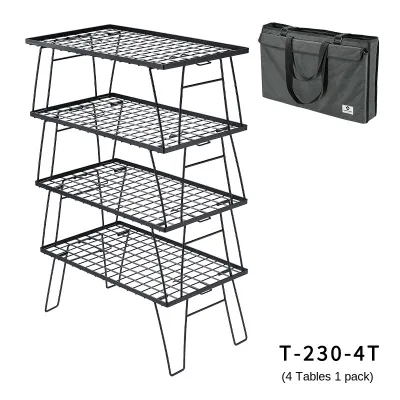
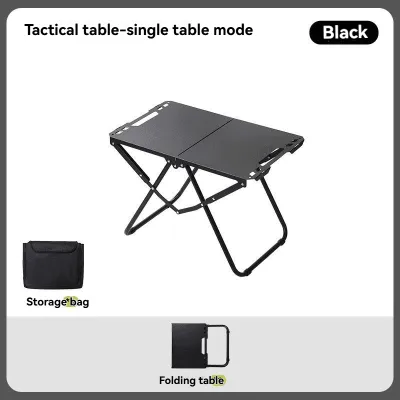
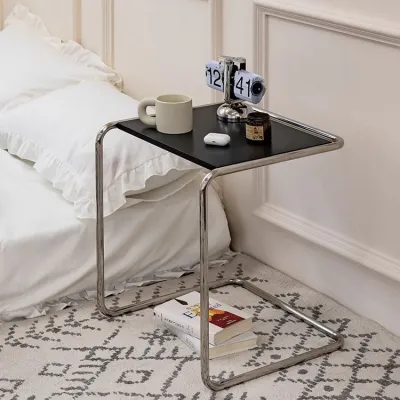
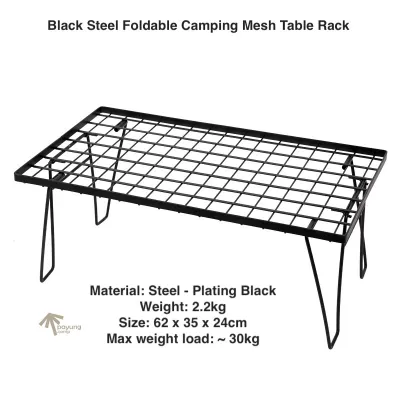
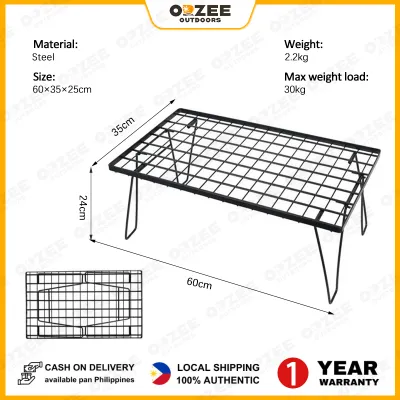
Prices are valid at publication and may change. Please refer to the product page for the latest price.
Other metals, such as aluminum, do not rust because they contain no iron. However, they are still subject to corrosion and oxidation. When aluminum reacts with oxygen, it forms a thin, dull gray or chalky white layer of aluminum oxide. While this layer actually helps protect the underlying metal from deeper degradation, it can ruin the aesthetic appeal of your furniture if left untreated or unprotected.
In tropical climates, these chemical reactions occur at an accelerated rate. High ambient temperatures, persistent humidity, and airborne salts in coastal regions create a highly corrosive environment. Moisture clings to metal surfaces longer, and microscopic salt particles draw water into the smallest imperfections in a table’s finish.
Because of these aggressive environmental factors, you should never rely solely on generic “weather-resistant” or “rust-proof” labels on a showroom floor. Instead, take the time to verify the specific type of metal used, the exact nature of its protective coating, and the manufacturer’s detailed specifications. Understanding these technical details is the first step in selecting a stackable table that can survive consecutive rainy seasons.
Evaluating Common Metals for Stackable Outdoor Tables
Aluminum and Cast Aluminum
Aluminum is widely regarded as an excellent base material for outdoor furniture due to its natural resistance to destructive rusting. Because it does not contain iron, an aluminum stackable table will not produce the red rust that stains patio tiles and weakens joints. This makes it highly suitable for areas experiencing heavy seasonal rainfall.

However, raw aluminum is still vulnerable to surface oxidation, which manifests as a chalky white residue. To prevent this cosmetic degradation, look for frames that feature a high-quality powder-coated or anodized finish. These treatments seal the metal away from atmospheric moisture and salt, preserving both the structural integrity and the clean appearance of the table.
Another major benefit of aluminum is its lightweight nature, which makes stacking, moving, and storing the tables incredibly easy. This is particularly useful when you need to quickly clear a patio before a heavy storm. However, because aluminum is light, you must check the manufacturer’s specifications for stability and weight capacity. Ensure the table is heavy enough to remain stable during sudden wind gusts, or check if it can be safely anchored when not stacked.
Steel and Powder-Coated Steel
Steel is highly valued for its exceptional strength, structural rigidity, and weight, which keeps outdoor tables firmly grounded during stormy weather. However, standard carbon steel possesses no inherent resistance to rust. If moisture reaches the bare metal, oxidation begins almost immediately, leading to rapid structural failure.
For a steel stackable table to survive the rainy season, it must rely entirely on a flawless protective barrier. Powder coating is the most common defense, where a dry powder is electrostatically applied and cured under heat to form a hard, continuous skin. Galvanized steel, which features a protective zinc coating beneath the paint, offers an even higher level of defense against moisture penetration.
When evaluating a steel table, you must meticulously inspect the weld points, joints, and the underside of the frame. These are the areas where protective coatings are most likely to be thin, uneven, or entirely missing. Furthermore, the physical act of stacking tables introduces a high risk of chipping or scratching the powder coat. Once the finish is compromised, rainwater will seep into the crack, rusting the steel from the inside out.
Stainless Steel and Wrought Iron
Stainless steel offers a premium alternative, but not all stainless steel is created equal. Standard grades, such as 304 stainless steel, contain chromium which provides decent rust resistance, but they can still suffer from pitting and tea-staining when exposed to constant rain and coastal salt air. For maximum durability in wet climates, look for marine-grade 316 stainless steel, which contains molybdenum for enhanced resistance to chlorides and moisture.
Wrought iron, while classic and incredibly heavy, is highly susceptible to rust in wet environments. It requires a rigorous, multi-layered protective finish and continuous, active maintenance to keep moisture at bay. Because wrought iron tables are exceptionally heavy, they are also much harder to stack and move, increasing the physical strain on anyone managing the outdoor space and raising the risk of dropping and damaging the furniture.
When choosing between these heavier metals, consider your physical space and access routes. Ensure your doorways, lifts, and storage areas can accommodate the weight and dimensions of stacked stainless steel or iron tables. If you must frequently move the tables indoors during heavy downpours, the sheer weight of these materials may prove impractical compared to lighter alternatives. When planning your outdoor furniture budget in ₱, balancing the initial cost against the lifespan of the material is essential.
Design and Structural Features That Prevent Water Trapping
The chemical composition of a table’s frame is only half the battle; its physical design plays an equally critical role in preventing rust. Many metal outdoor tables utilize hollow tubing for their legs and support structures. If rainwater finds its way inside these tubes and cannot escape, the metal will rust from the inside, hidden from view until the frame suddenly buckles.
To prevent internal water accumulation, inspect the bottom of all hollow legs for pre-drilled drainage holes. These holes allow any trapped condensation or seeping rainwater to escape freely. Alternatively, ensure the tube ends are completely sealed with heavy-duty, welded metal caps rather than cheap plastic inserts that can degrade, crack, and fall out over time.
You should also evaluate the shape of the table top and frame joints. Avoid designs with flat, solid horizontal surfaces that lack drainage, deep crevices, or poorly angled joints where rainwater and organic debris can pool. Slatted table tops or mesh designs are highly effective because they allow water to pass straight through, minimizing the surface area that remains wet after a storm.
Finally, pay close attention to the stacking mechanism itself. When tables are stacked, metal-on-metal contact can easily scrape away protective powder coatings and paint. Look for models equipped with integrated rubber bumpers, plastic glides, or protective spacers at the contact points. These small features prevent direct friction during stacking and unstacking, preserving the integrity of the protective finish.
Maintenance and Care During the Monsoon Season
Even the most resilient materials require proper care to survive consecutive rainy seasons. Regular maintenance should begin with routine cleaning to remove dirt, fallen leaves, bird droppings, and atmospheric pollutants. When left on the table, these organic materials can trap moisture against the finish and create acidic microenvironments that slowly eat away at powder coatings.
Use a soft cloth or sponge with mild, pH-neutral soapy water to clean the frames, avoiding harsh abrasive pads or strong chemical cleaners that can scratch the protective layer. After cleaning, or after a heavy downpour, practice safe drying. Never stack tables while they are still wet; doing so traps moisture between the tightly packed frames, creating a high-humidity microclimate that accelerates corrosion.
Before applying any protective waxes, sealants, or touch-up paints, always consult the manufacturer’s care instructions. Some finishes can be damaged by automotive waxes or unauthorized chemical sealants. If the manufacturer permits, applying a thin layer of specialized outdoor furniture wax can provide an extra hydrophobic barrier that helps shed rainwater more effectively.
It is vital to establish clear boundaries for do-it-yourself repairs. If you notice minor surface scratches, you can often apply a manufacturer-approved touch-up paint to seal the metal. However, if you discover deep structural rust, bubbling paint over a wide area, or cracked weld joints, stop attempting home repairs. In these cases, consult the manufacturer or a professional furniture refinisher to assess whether the table can be safely restored or if it needs replacement.
Frequently Asked Questions (FAQ)
Can I leave my stackable table outside all year round?
While highly rust-resistant materials like powder-coated aluminum or marine-grade stainless steel are designed for outdoor use, leaving them completely exposed year-round is not recommended. Continuous exposure to heavy monsoon rains, followed by intense tropical sun, will eventually degrade even the most robust finishes.
To extend the lifespan of your furniture, check the manufacturer’s warranty and care guidelines regarding long-term exposure. When the tables are not in use for extended periods, protect them with breathable, waterproof furniture covers. Alternatively, stack them and move them to a sheltered area, such as a covered patio, garage, or storage shed, to keep them dry and out of the elements.
How do I fix a small rust spot on a powder-coated steel table?
Before attempting any repair, review the manufacturer’s warranty, as unauthorized modifications or repairs may void your coverage. If the warranty allows, you can address minor surface rust by gently removing the loose rust flakes with a fine-grit sandpaper or a soft wire brush, taking care not to scratch the surrounding undamaged powder coating.
Once the area is clean and completely dry, apply a matching, manufacturer-approved touch-up paint or rust-inhibiting primer. Avoid using harsh household chemicals, steel wool, or unauthorized spray paints, as these can strip away the surrounding protective coating and lead to a much larger rust problem later on.
Is plastic or resin a better alternative to metal for rainy climates?
High-density polyethylene (HDPE) and synthetic resin are excellent alternatives for wet climates because they contain no metal and are completely immune to rust and corrosion. This makes them highly practical for coastal areas or regions with extreme rainfall.
However, plastic and resin tables generally lack the structural rigidity, weight capacity, and wind resistance of high-quality metal frames. A lightweight plastic table can easily be blown over by strong monsoon winds, potentially causing damage to surrounding property. If you choose plastic, ensure it features a high UV-resistance rating to prevent the material from becoming brittle under the tropical sun, and check that the frame is sturdy enough for your stability needs.

Community discussion
Share your experience or ask a question. Comments are reviewed before publication.