
When floor space is at a premium in a compact home office, utilizing vertical space with shelves for wall is an effective way to keep your workspace organized and clutter-free. The most suitable wall shelves for a small office are those that match your specific storage needs—whether that means lightweight floating ledges for stationery or heavy-duty bracketed systems for reference books—while safely aligning with your wall construction and room layout. By shifting your storage upward, you preserve valuable floor area for your desk and chair, creating a more open and productive environment.
Measure Your Wall Space and Desk Clearance
Before purchasing any shelving system, you must accurately assess the physical boundaries of your room. Start by measuring the clear, uninterrupted wall space available. Use a reliable tape measure to map out the width and height of the target wall, making sure to account for the swing radius of doors, the positioning of windows, and the footprint of existing furniture like your desk or filing cabinets. It is easy to overlook how a door opening inward might collide with a newly installed shelf, so visualize these movements during your planning phase.
Ceiling height and desk clearance are equally critical to ensure your workspace remains comfortable and ergonomic. If you plan to mount shelves directly above your desk, you must leave enough vertical clearance to prevent a cramped, claustrophobic feeling while working. Measure the height of your computer monitor, desk lamp, and any other desktop equipment to ensure the lowest shelf sits well above them. This prevents accidental head bumps when you lean forward or stand up from your chair.
Products mentioned in this guide
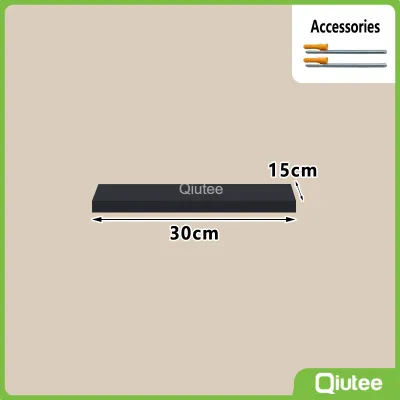
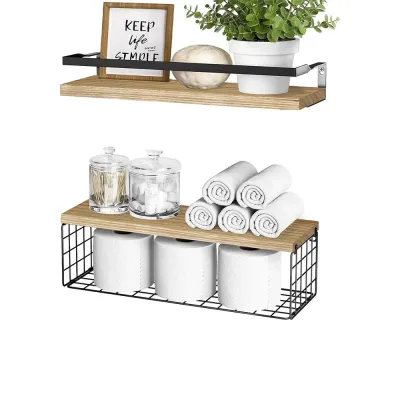
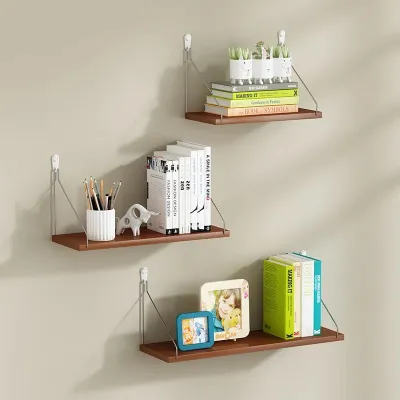
Prices are valid at publication and may change. Please refer to the product page for the latest price.
Additionally, map out any physical obstructions on the wall surface. In many home offices, especially in tropical climates where wall space is shared with split-type air conditioners or wall-mounted fans, you must ensure adequate clearance around these appliances for airflow and maintenance. Take note of power outlets, light switches, internet ports, and cable pathways. Blocking these utilities with a shelf not only limits your access to electricity but can also create safety hazards if cords are pinched or bent excessively.
Match Shelf Styles to Your Storage Needs
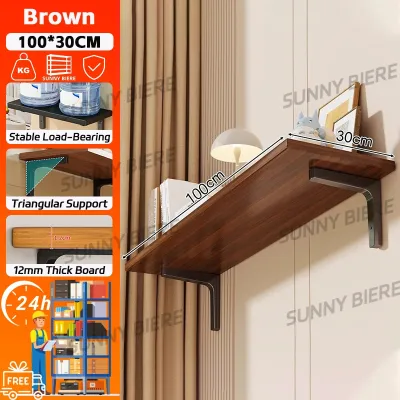
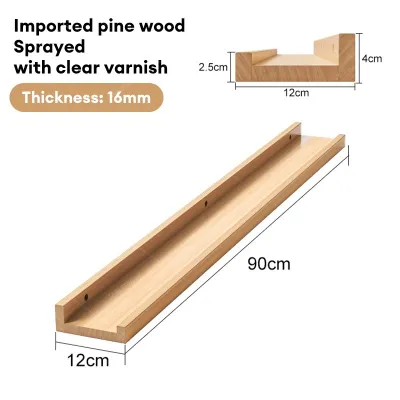
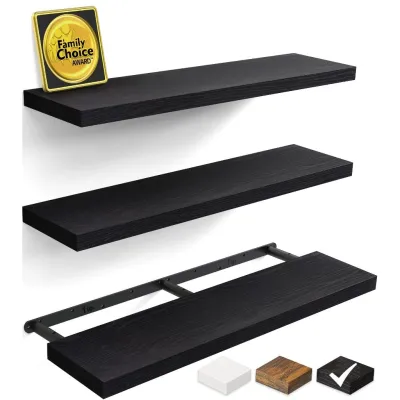
Selecting the right style of shelves for wall depends entirely on what you intend to store and how much physical space you have. Floating shelves offer a clean, minimalist aesthetic with hidden mounting hardware, making them ideal for low-profile storage. They work exceptionally well for displaying lightweight office supplies, small reference guides, or decorative items that personalize your workspace. Because they lack visible brackets, they keep the wall looking light and airy, which helps a small room feel larger.

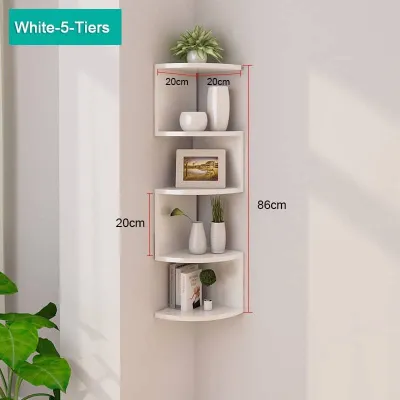
For rooms with awkward layouts or highly restricted wall space, corner shelves are an excellent way to utilize dead space. Corners are frequently underutilized in home offices, yet they can easily accommodate tiered corner units. These shelves tuck neatly into the intersection of two walls, providing a stable platform for books, speakers, or storage baskets without encroaching on your primary workspace or blocking natural light from windows.
If you require substantial vertical storage but want to avoid drilling dozens of individual holes, ladder or tiered wall shelves are a practical alternative. These units typically secure to the wall at the top while leaning or mounting flush against the vertical surface, offering multiple tiers of shelving in a single frame. This design provides the structural stability of a bookcase but maintains a shallow footprint, ensuring your walkways remain clear.
When floor space is exceptionally tight, consider fold-down or drop-leaf wall units. These innovative fixtures serve a dual purpose: they function as wall storage when closed and fold down to provide a temporary secondary workspace or writing surface when needed. This is particularly useful in multi-purpose rooms where the home office must disappear at the end of the workday, allowing you to reclaim the physical space for daily living.
Verify Weight Limits and Wall Installation Conditions
Ensuring your shelves are structurally safe requires a clear understanding of weight limits and wall construction. You must match the load capacity of the shelf and its brackets to the items you plan to store. Heavy items like thick binders, textbooks, and printer paper require robust bracketed systems or solid wood shelves with secure anchoring. Lightweight accessories, stationery organizers, and small plants can safely sit on simpler floating ledges. Never exceed the manufacturer’s specified weight limit, as overloading can lead to sudden structural failure.
The material of your wall dictates the installation method and the type of hardware you must use. In many residential structures, walls are made of solid concrete, hollow concrete blocks, or brick, which require masonry drill bits and expansion anchors to hold screws securely. If your office has drywall or plasterboard walls, you must locate the wooden or metal studs behind the wall using a stud finder for heavy-duty installations. Mounting directly into studs provides the strongest support, while lighter loads on drywall require specialized hollow-wall anchors.
Before drilling any holes, it is vital to check for hidden hazards behind the wall surface. Use a multi-purpose wall scanner to detect electrical wiring, water pipes, or structural columns. Accidentally drilling into a live wire or a plumbing pipe can cause severe damage and costly repairs. If you encounter highly complex mounting scenarios, such as uneven plaster walls, or if you plan to store exceptionally heavy equipment, recognize when to stop and consult a qualified local professional to handle the installation safely.
Arrange Shelves to Maximize Vertical Space
Once your shelves are selected and ready for installation, organizing them strategically will maximize your vertical storage efficiency. Start by staggering the heights of your shelves rather than spacing them uniformly. This customized spacing allows you to accommodate items of varying sizes, such as tall document binders on lower, deeper shelves and smaller stationery boxes or decorative items on higher, shallower shelves. This approach ensures no vertical space is wasted between the top of your items and the shelf above them.
To maintain a productive workflow, place your most frequently used items within comfortable arm’s reach. Items like daily planners, notebooks, pens, and reference materials should live on the lowest shelves closest to your desk. Conversely, archival files, seasonal tax documents, and rarely used reference books should be placed on the highest shelves. This keeps your immediate workspace clear of clutter while ensuring everything remains organized and accessible.
Finally, pay attention to the visual weight of your arrangement to prevent your small office from feeling overwhelmed. Avoid packing every shelf to its absolute capacity; instead, leave some negative space—empty areas on the shelves—to allow the eye to rest. Group similar items together in decorative storage bins or baskets to hide visual clutter, and balance heavier items by placing them toward the bottom or outer edges of your shelving arrangement. This creates a balanced, professional look that enhances focus and productivity.
Frequently Asked Questions (FAQ)
Can I mount shelves for wall on drywall without hitting a stud?
Yes, you can mount shelves on drywall without hitting a stud, but you must use heavy-duty drywall anchors such as toggle bolts or threaded drywall anchors. Standard plastic expansion plugs are generally insufficient for holding shelves under load. When mounting without a stud, you must adhere to strict weight limitations, as the drywall itself bears the load; distribute the weight evenly across multiple anchor points. Regularly inspect the wall for signs of failure, such as cracking, sagging, or the anchors pulling away from the drywall, and relocate the shelf immediately if these occur.
How high should I mount shelves above my home office desk?
As a general guideline, the lowest shelf should be mounted at least 50 to 60 centimeters above your desktop. This clearance ensures you have ample room for computer monitors, desk lamps, and laptop screens without interference. To customize this height, sit comfortably in your office chair and check your seated eye level and upward reach. The most frequently used items should be accessible without you having to stand up, while the shelf itself should sit high enough to prevent any risk of bumping your head when you lean forward to work.

Community discussion
Share your experience or ask a question. Comments are reviewed before publication.