
Moving to a new home in the Philippines involves navigating unique environmental challenges, including high tropical humidity, sudden downpours, and the physical stress of transporting goods over varied road conditions. The best storage racks and organizers for a residential move are those that offer structural rigidity, secure locking mechanisms, and the versatility to transition seamlessly from the moving truck to your new living space. Instead of relying solely on traditional cardboard boxes that can sag or tear when exposed to moisture, investing in heavy-duty stackable plastic crates, collapsible shelving units, and mobile utility carts ensures your belongings remain intact, dry, and organized throughout the journey.
Selecting the right storage racks organizer requires balancing immediate transport needs with long-term utility. A successful relocation relies on modular systems that stack securely to maximize vertical space in a moving vehicle, alongside durable shelving that can be flat-packed or folded without requiring complex tools. By focusing on load capacities, material resilience, and space-saving designs, you can streamline the packing process, protect fragile household goods, and set up your new home with minimal friction.
Key Features to Look for in Moving-Friendly Storage
When preparing for a move, not all storage containers and racks are created equal. The physical demands of loading, transporting, and unloading require specific structural features to prevent damage to both your belongings and your vehicle. Evaluating these features beforehand saves time and prevents costly accidents during transit.
Products mentioned in this guide
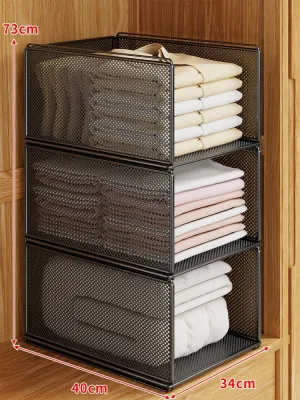
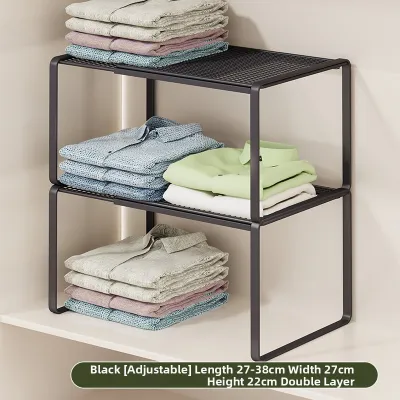
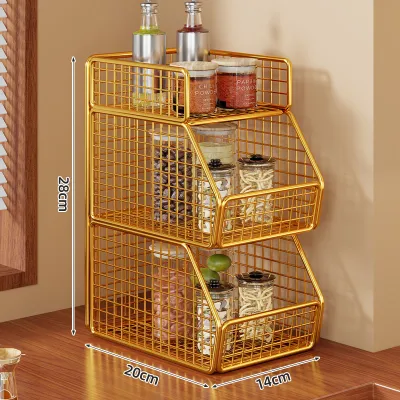
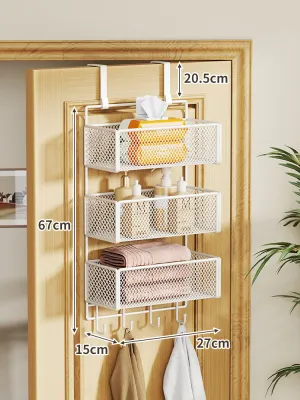
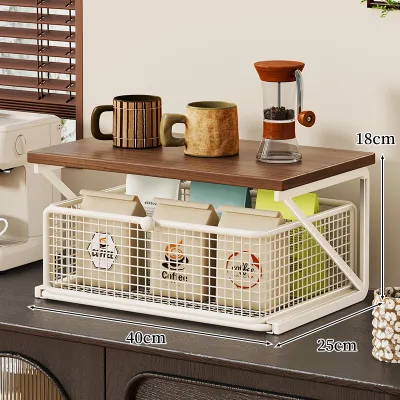
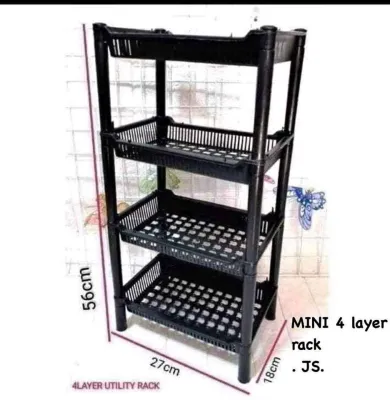
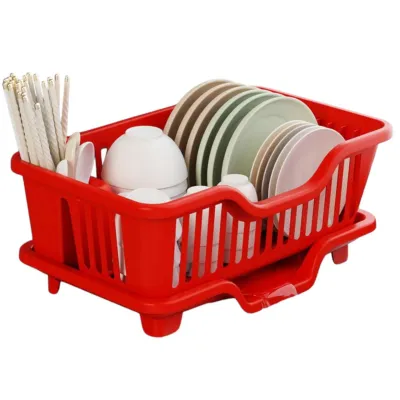
Prices are valid at publication and may change. Please refer to the product page for the latest price.
First, prioritize stackability and interlocking lids. When containers are stacked in a moving truck, they are subjected to constant vibrations and sudden shifts. Interlocking lids feature recessed channels that allow the base of one bin to lock firmly into the lid of the bin below it. This design prevents lateral sliding, maximizing the vertical space in your transport vehicle and reducing the risk of a stack collapsing during transit.
Next, examine the physical build of the containers, focusing on secure latching mechanisms, reinforced handles, and durable hinges. Heavy-duty latches that snap tightly over the lid prevent the container from bursting open if it is accidentally dropped or tilted. Reinforced, ergonomic handles are equally critical; they distribute the weight of a heavy load across your hands and prevent the plastic from tearing or cracking under tension when lifted.
Before purchasing any storage racks organizer, always verify the manufacturer’s weight limits and material thickness on the product labels. Do not assume all plastic bins or metal shelves can carry heavy loads. Look for high-density polyethylene or heavy-duty polypropylene options with visible ribbing along the walls and base, as these structural reinforcements prevent bowing under heavy weight. In humid tropical climates, choosing high-quality plastics also prevents the material from becoming brittle over time.
Finally, prioritize foldable or collapsible designs for any shelving units or large organizers. Space is at a premium during a move, both in the transit vehicle and in your temporary staging areas. Shelves that fold flat or bins that collapse when empty allow you to transport the storage equipment itself with a minimal footprint, leaving more room for your actual household goods.
Types of Storage Racks and Organizers for Relocation
A successful relocation strategy utilizes a combination of different storage solutions, each tailored to specific roles. Using a single type of container for every item in your home often leads to wasted space, damaged goods, or disorganized unpacking. Understanding the strengths of each organizer type allows you to pack more strategically.

Bins, shelving units, and mobile organizers each serve distinct purposes during the moving process. Heavy-duty bins act as the primary protective shells for loose items, while temporary shelving units keep packed boxes organized at your old home and provide immediate storage in your new space before permanent furniture is arranged. Mobile organizers facilitate the quick movement of daily essentials and fragile items that need to remain accessible.
To pack efficiently, you must match the specific organizer type to the fragility, weight, and size of the items being moved. Heavy, durable items require rigid, reinforced containers, whereas delicate or frequently used items benefit from compartmentalized, easily accessible mobile units.
Stackable Plastic Crates and Bins
Stackable plastic crates and bins are the workhorses of any residential move. Unlike traditional cardboard, these rigid containers offer superior protection against external impacts, dust, and tropical moisture, which is especially important during the rainy season.
When selecting plastic bins, evaluate the benefits of opaque versus transparent options. Transparent bins are highly advantageous for content identification, allowing you to see exactly what is inside without breaking tape or opening lids. This is particularly useful during the chaotic first few days in a new home. However, opaque bins are often preferred for valuable or personal items, as they keep contents hidden from view during transit.
Always check for reinforced bases and secure lid latches to prevent bursting under pressure. The bottom of the bin should have a grid-like pattern or extra material thickness to prevent it from sagging when filled with heavy books, kitchenware, or tools. A sagging base can compromise the lid of the container beneath it, leading to a dangerous chain reaction in your stack.
Uniform sizing is another critical factor for a safe move. Purchasing bins of the same brand and model ensures they stack perfectly. Mixing different sizes and brands often results in unstable stacks, as the nesting channels on the lids will not align, increasing the risk of shifting during transport.
Foldable and Collapsible Shelving Units
Foldable and collapsible shelving units are invaluable during the transition period between homes. They provide temporary vertical storage, keeping packed boxes off the floor and keeping your living spaces walkable while you pack or unpack.
Look for shelving units that feature tool-free assembly and sturdy locking joints. During a move, you do not want to spend hours searching for hex keys or screwdrivers to assemble or disassemble your racks. High-quality collapsible shelves utilize tension locks or folding hinges that snap securely into place, ensuring the frame remains rigid under load without requiring permanent fasteners.
Before purchasing, verify the footprint and shelf depth against the available floor space in both your current staging area and your new home. Measure doorways, narrow hallways, and potential alcoves to ensure the shelving unit can be positioned easily without blocking foot traffic or emergency exits. Additionally, check that metal frames feature a rust-resistant powder coating to withstand high humidity.
Ensure the shelves can be disassembled completely flat. This flat-pack capability is essential for safe transport in a moving truck or utility vehicle. Flat metal or plastic frames can be slid vertically between larger furniture pieces, protecting the shelving joints from bending or warping under the weight of other cargo.
Rolling Carts and Utility Organizers
Rolling carts and utility organizers are excellent for managing the transition of daily essentials, fragile items, and small household necessities that you cannot afford to pack away weeks in advance.
When choosing a rolling cart, check the wheel locking mechanisms and swivel durability. The wheels must be robust enough to navigate over door thresholds, tile grout lines, and minor floor imperfections without sticking or tipping. Lockable casters are non-negotiable; they allow you to secure the cart in place while loading or unloading, preventing runaway organizers on sloped surfaces.
Assess the utility of compartmentalized tiers for separating small, easily lost items. These carts are perfect for organizing moving hardware, screws from disassembled furniture, basic tools, toiletries, and daily medications. Keeping these items in a dedicated, mobile organizer ensures they are always within reach and never buried at the bottom of a massive packing box.
Finally, plan for securing the cart during transit. Because rolling carts have wheels and a higher center of gravity, they must be secured tightly inside the moving vehicle. Use heavy-duty tie-down straps or stretch wrap to bind the cart to the truck’s interior walls, or place it snugly between heavy, immovable furniture pieces to prevent rolling, shifting, and tipping.
How to Pack and Load Storage Units Safely
Packing your storage racks organizer and containers correctly is just as important as choosing the right equipment. Improper weight distribution or loose packing can lead to broken items, cracked containers, and dangerous shifts inside the moving vehicle.
Always distribute weight evenly within each container and across your shelving units. Place the heaviest items, such as books, small appliances, or heavy tools, at the very bottom of your bins. On shelving units, always utilize the lowest shelves for heavy cargo, keeping the upper shelves reserved for lightweight items. This practice keeps the center of gravity low, drastically reducing the risk of tipping during sudden stops or sharp turns.
Fill empty voids inside your containers with soft packing materials, clean towels, or clothing. When items are allowed to shift inside a bin, they can collide with one another, causing breakage. Packing empty spaces tightly prevents internal movement and adds an extra layer of shock absorption during transit.
Before loading any shelving units or modular organizers into the moving vehicle, secure all loose shelves, removable tiers, or folding joints. Use high-quality stretch wrap or heavy-duty moving straps to wrap the entire unit. This holds doors closed, keeps drawers from sliding out, and prevents folding joints from flexing while the vehicle is in motion.
Never hesitate to stop and reassess the load if a container exceeds its labeled weight capacity or feels unstable when lifted. If a bin bows, makes cracking sounds, or is too heavy for a single person to lift safely, distribute the contents into multiple smaller containers. Overloading not only risks damaging your belongings but also poses a serious physical injury hazard to those lifting the items.
Transitioning from Moving to Permanent Organization
One of the greatest advantages of investing in high-quality storage racks and organizers instead of cardboard boxes is their long-term utility. Once the move is complete, these units can easily transition into permanent storage solutions for your new home.
Before permanently placing large racks or heavy shelving units, measure your new space dimensions carefully. Consider the layout of your garage, pantry, laundry room, or closets. Ensure that the placement of these racks does not block electrical outlets, light switches, ventilation grates, or doorways.
Clean and inspect all organizers thoroughly for any transit damage before final installation. Check for hairline cracks in plastic bins, bent metal frames on shelving units, or loose screws on rolling carts. Addressing these minor issues early prevents structural failures later when the units are fully loaded with permanent household items.
Take advantage of modular designs by adjusting shelf heights to accommodate the actual items you plan to store long-term. The configuration that worked best for transporting uniform moving boxes may not be ideal for storing kitchen appliances, pantry goods, or garden tools. Customizing the shelf heights maximizes your vertical storage efficiency.
Finally, repurpose your heavy-duty moving crates for long-term storage in areas prone to dust or moisture, such as the garage, utility room, or under-bed spaces. Because these containers are designed to withstand the rigors of transit, they are perfect for protecting seasonal decorations, extra linens, tools, and outdoor gear from the elements for years to come.
Frequently Asked Questions (FAQ)
Can I use regular cardboard boxes instead of plastic storage racks for moving?
Yes, regular cardboard boxes are suitable for lightweight, non-fragile items and dry conditions. However, they lack the moisture resistance and structural integrity of rigid plastic organizers. In humid environments or during rainy seasons, cardboard can absorb moisture, soften, and collapse under heavy loads. For heavy, fragile, or valuable items, rigid plastic containers are highly recommended to ensure safe stacking and protection from external impacts.
How do I prevent storage racks from tipping over during the move?
To prevent storage racks from tipping, never transport them while fully loaded with loose items. It is best to disassemble tall shelving units completely or fold them flat for transit. If you must transport a partially assembled rack, secure it tightly to the walls of the moving vehicle using heavy-duty moving straps and protect the frame with moving blankets to prevent shifting.

Community discussion
Share your experience or ask a question. Comments are reviewed before publication.