
Preparing for a house move, or lipat bahay, in the Philippines involves managing a complex logistical puzzle. Between navigating narrow stairwells, packing fragile items, and transporting belongings through unpredictable tropical weather, the containers you choose play a critical role in ensuring your possessions arrive intact. While cardboard boxes have long been the traditional choice, big plastic crates have rapidly become the preferred alternative for modern moves. These heavy-duty containers offer superior protection against moisture, pests, and physical impacts, making them an invaluable investment for a stress-free transition to your new home.
Selecting the right big crates is not as simple as buying the largest plastic bins available at your local department store. A successful move requires a strategic mix of crate sizes, wall thicknesses, and structural designs tailored to the specific items you need to transport. Using the wrong type of crate can lead to overloaded containers that are impossible to lift, collapsed stacks in the back of a moving truck, or damaged valuables. By understanding the key physical characteristics of high-quality moving crates and matching them to your household goods, you can streamline your packing process and safeguard your investments.
What to Look for When Choosing Big Moving Crates
When evaluating big crates for a house move, you must look beyond basic aesthetics and focus on structural integrity. The physical demands of a move are dynamic; crates will be lifted, stacked, slid across truck beds, and subjected to vibrations along bumpy roads. To withstand these forces, a moving crate must possess specific design features that guarantee stability and safety.
Products mentioned in this guide
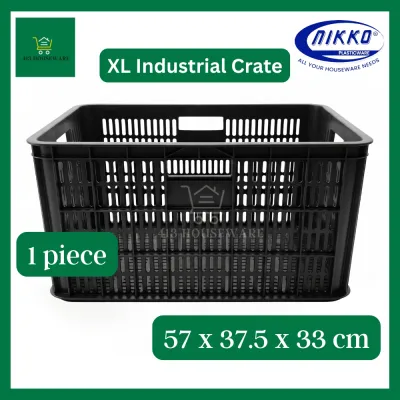
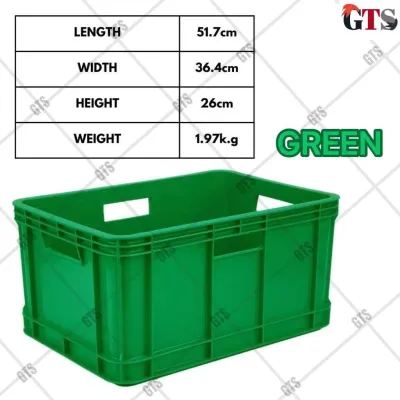
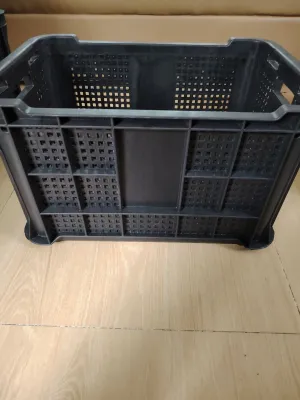
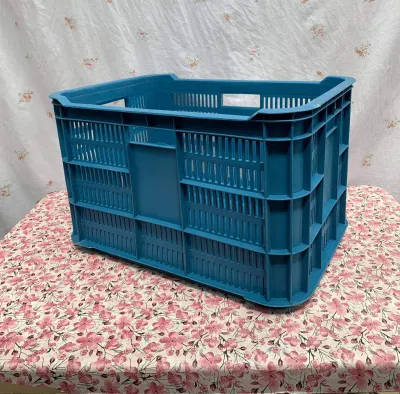
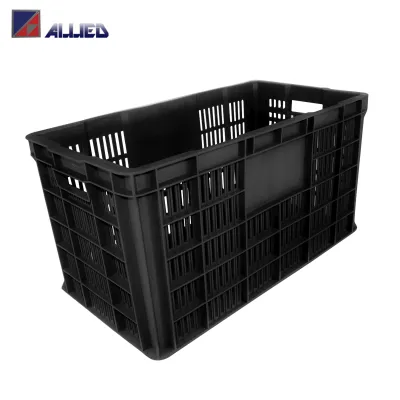
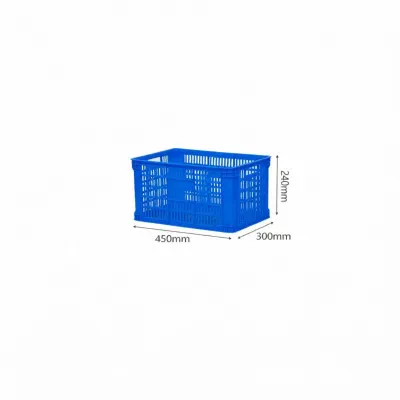
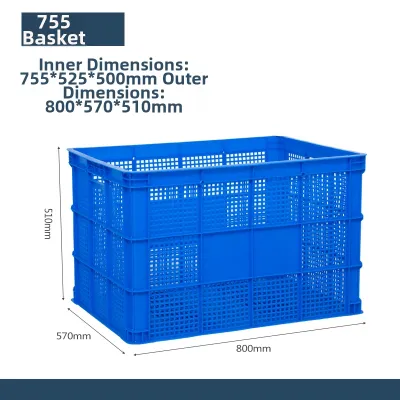
Prices are valid at publication and may change. Please refer to the product page for the latest price.
First and foremost, you must verify the load-bearing capacity and wall thickness of the crates. Rather than assuming a crate is durable simply because it is made of plastic, look for manufacturer labels, embossed specifications, or product data sheets that detail the maximum weight capacity. High-quality moving crates typically feature reinforced ribbing along the side walls and base. This structural grid pattern prevents the plastic from bowing outward when filled with heavy items and ensures the bottom does not sag when the crate is lifted.
Ergonomic handles are another critical feature that directly impacts safety and comfort during a move. Look for crates with deep, molded-in handholds that allow for a secure, full-hand grip. Avoid crates with sharp, thin plastic edges around the handle area, as these can cut into your hands under heavy loads. If you are opting for crates with lids, ensure the handles remain accessible and comfortable to hold even when the lid is fully secured. Reinforced lids are equally vital; they must be engineered to support the weight of multiple loaded crates stacked on top of them without cracking or sinking.
To prevent disastrous tip-overs and shifting during transit, prioritize crates with interlocking bases and lids. These designs feature matching grooves or recessed channels on the top of the lid and the bottom of the base. When stacked, the bottom of the upper crate nests securely into the lid of the lower crate, locking them into a single, cohesive column. This interlocking mechanism is essential for maximizing vertical space in a moving truck or utility vehicle, allowing you to stack crates safely without worrying about them sliding off one another during sudden stops or sharp turns.
Finally, consider the environmental conditions of a tropical move. In the Philippines, high humidity, intense heat, and sudden downpours are common challenges. Look for crates made from high-density polyethylene (HDPE) or polypropylene (PP), which offer excellent resistance to moisture and impact. If your crates will be exposed to direct sunlight during loading or stored in a warm garage post-move, check if the material is UV-stabilized to prevent the plastic from becoming brittle and prone to cracking over time.
Which Crate Type Fits Your Belongings?
A common mistake during a house move is attempting to pack everything into identical, oversized containers. No single crate design is suitable for every item in your home. Heavy items require compact, rigid structures, while lightweight, bulky goods demand maximum volume. To optimize space and protect your belongings, you must categorize your possessions and match them to the appropriate crate profile based on weight, fragility, and volume.

Heavy-Duty Crates for Books and Dense Items
Books, documents, tools, and kitchen pantry items represent high-density loads that can quickly become dangerously heavy. For these items, you need heavy-duty crates with rigid, thick-walled plastic construction and heavily reinforced bases. These crates must resist bowing under concentrated weight, ensuring that the bottom remains flat and stable when stacked.
When packing dense items, the physical footprint of the crate is just as important as its strength. It is highly advisable to choose smaller or medium-sized heavy-duty crates rather than massive ones. A very large crate filled entirely with books will easily exceed safe lifting limits, risking physical injury to you or your movers, and potentially causing the handles to snap. Keeping the footprint compact naturally limits the total weight of the container while still allowing you to pack dense items securely.
Before purchasing, inspect the handle design closely. The handles should be integrated directly into the main body of the crate as a single molded piece. Avoid crates with separate, clip-on handles or flimsy latch mechanisms, as these are common failure points when subjected to the extreme stress of lifting heavy, dense loads.
High-Volume Crates for Bedding and Bulky Goods
On the opposite end of the spectrum are high-volume, low-weight items such as pillows, blankets, comforters, winter wear, and soft toys. These items require maximum interior space but do not exert significant physical pressure on the crate walls. For these goods, large-capacity crates with lightweight frames are ideal, allowing you to consolidate bulky items into fewer containers without making them too heavy to carry.
When selecting high-volume crates, you must choose between solid-walled and ventilated designs. Solid-walled crates provide excellent protection against dust, pests, and moisture, which is particularly important if your belongings will be transported in an open truck or stored in a warehouse. However, if you are packing linens or clothing that may be stored for an extended period, ventilated crates with small air slots can prevent musty odors by allowing air to circulate, provided they are kept in a clean, dry environment.
Additionally, look for crates with attached or hinged lids, often referred to as crocodile-lid or attached-lid containers. The interlocking teeth of these lids fold down securely to seal the crate, ensuring that the covers do not get lost or separated during the chaotic packing and loading process. This design also eliminates the need for packing tape, making both packing and unpacking significantly faster.
Compartmentalized Crates for Fragile Kitchenware
Fragile items like glassware, ceramic plates, mugs, and delicate ornaments require specialized protection to survive the journey. While wrapping each item in layers of bubble wrap is a common practice, using compartmentalized crates offers a more secure and efficient solution. These crates feature built-in dividers, cell inserts, or adjustable slots that isolate each item, preventing them from knocking against one another during transit.
When choosing crates for fragile kitchenware, ensure the outer shell is exceptionally rigid. The crate must not flex or deform when stacked under other heavy boxes, as any external pressure can transfer directly to the delicate contents inside. Look for double-walled construction or heavily reinforced corners that absorb external impacts.
Before committing to a purchase, verify that the internal dimensions and divider spacing match your specific dishware. Standard cell inserts are excellent for wine glasses and mugs, while vertical plate racks or slotted inserts are ideal for dinner plates. If your kitchenware is uniquely shaped, look for crates that accommodate customizable or removable foam inserts, allowing you to tailor the internal layout to your exact needs.
How to Estimate the Right Number and Size of Crates
Estimating the exact number of crates required for a house move can be challenging, but a systematic approach can prevent you from under-purchasing or wasting money on excess storage. Begin by conducting a room-by-room assessment of your home, categorizing your belongings by density and fragility. This will help you determine the ideal mix of heavy-duty, high-volume, and compartmentalized crates.
When calculating crate volume, you must account for “dead space.” Unlike soft duffel bags, rigid plastic crates do not stretch or deform to accommodate awkwardly shaped items. Furthermore, fragile items will require internal padding materials such as packing paper, bubble wrap, or foam peanuts, which occupy valuable physical space inside the crate. As a general rule, assume that approximately 15% to 20% of each crate’s interior volume will be taken up by protective padding and empty space.
To calculate your needs, estimate the volume of items in each room and translate that into crate capacities. For example, a standard bedroom closet typically requires a mix of high-volume crates for hanging clothes and bedding, alongside smaller, heavy-duty crates for shoes and accessories. Always plan for a small buffer of extra crates—typically 10% to 15% more than your initial estimate. This buffer is crucial for accommodating last-minute items, overlooked closet contents, or kitchen essentials that are packed on the final day of the move.
Where to Buy and What to Verify Before Checkout
Acquiring your moving crates requires choosing the right purchasing channel and performing final quality checks. You generally have two main options: physical home improvement stores and online marketplaces. Each channel offers distinct advantages depending on your timeline, budget, and logistical capabilities.
Physical home goods, department, or hardware stores allow you to inspect the crates in person before buying. This is highly beneficial because you can physically test the thickness of the plastic, check how securely the lids fit, and assess the comfort of the handles. You can also purchase and take them home immediately, which is ideal for last-minute packing needs. However, transporting a large volume of empty, non-collapsible crates from a physical store to your home can be a major logistical challenge if you do not have a large vehicle.
In contrast, online marketplaces and specialized industrial packaging suppliers offer the convenience of bulk pricing and direct doorstep delivery. This is often the most practical route for a complete house move, as you can order dozens of crates and have them delivered directly to your home. When shopping online, look for reputable sellers who specialize in industrial-grade storage or logistics equipment rather than cheap, decorative home organizers.
Before completing your checkout, verify the exact exterior and interior dimensions of the crates. Ensure that the exterior dimensions will easily clear your home’s doorways, narrow hallways, stairwells, and lift access. If you plan to transport the crates in your personal vehicle, measure your trunk or cargo area to confirm how many crates can fit side-by-side and vertically. Finally, review the seller’s return policies and read customer feedback, paying close attention to reviews that mention moving performance, heavy load capacities, and long-term stacking stability.
Frequently Asked Questions (FAQ)
Can I use standard storage bins instead of heavy-duty moving crates?
While standard decorative or lightweight plastic storage bins are excellent for organizing closets or storing seasonal items statically on shelves, they are generally not suitable for the dynamic stresses of a house move. Standard bins are often made from thinner, more brittle plastics that can easily crack or shatter under the weight of stacked items in a moving truck. Their lids are typically designed for light dust protection rather than load-bearing support, meaning they can pop open or buckle when stacked. Moving crates, on the other hand, are engineered with reinforced rims, thick walls, and interlocking lids specifically designed to withstand shifting, vibrations, and heavy vertical loads during transit.
How should I clean and store the crates after the move is complete?
Once your move is complete and you have unpacked your belongings, proper maintenance will ensure your crates remain in excellent condition for future use or resale. Begin by wiping down both the interior and exterior surfaces with a damp cloth and mild dish soap to remove transit dust, dirt, and any adhesive residue from packing labels. Avoid using harsh chemical solvents that could degrade the plastic. It is absolutely critical to let the crates dry completely in a well-ventilated area before stacking or closing them. Trapping moisture inside closed plastic crates in a humid tropical climate like the Philippines will quickly lead to mold, mildew, and unpleasant, musty odors. Once dry, nest the empty crates inside one another to save space, and store them in a cool, dry, shaded area away from direct sunlight to prevent UV degradation and brittleness.

Community discussion
Share your experience or ask a question. Comments are reviewed before publication.