
Maximizing storage space in a Philippine home often comes down to how efficiently you arrange your closet. A cluttered wardrobe makes finding daily outfits a chore, especially when high humidity and limited bedroom footprints are part of the equation. Finding the right organizer kabenet setup is not just about buying plastic bins; it requires a strategic approach to utilizing every cubic inch of your cabinet. By selecting organizers that match your specific wardrobe layout and lifestyle, you can transform a chaotic closet into a highly functional storage system. This guide walks you through evaluating your space, choosing the right organizer types, and selecting materials that withstand local tropical conditions.
Assessing Your Wardrobe Space and Storage Needs
Before purchasing any organizer kabenet accessories, you must thoroughly evaluate your existing wardrobe structure. Start by clearing out your entire closet to see the actual space you have to work with. Use a reliable measuring tool to record the exact interior height, width, and depth of each compartment. Do not rely on external dimensions, as cabinet walls, back panels, and door tracks can significantly reduce the usable internal space. Take note of permanent fixtures such as built-in wooden shelves, fixed hanging rods, and door hinges that might obstruct pull-out drawers or wide storage boxes.
Once you have the physical dimensions, categorize the items you need to store to determine your specific organizational requirements. Group your belongings into distinct categories: folded garments like t-shirts and shorts, hanging items like dresses and barongs, accessories, bags, and footwear. If your wardrobe consists mostly of folded clothes but features only long hanging rods, you will need organizers that introduce horizontal shelving. Conversely, if you have deep shelves where clothes get lost in the back, your priority should be pull-out bins or drawer dividers that bring items forward.
Products mentioned in this guide
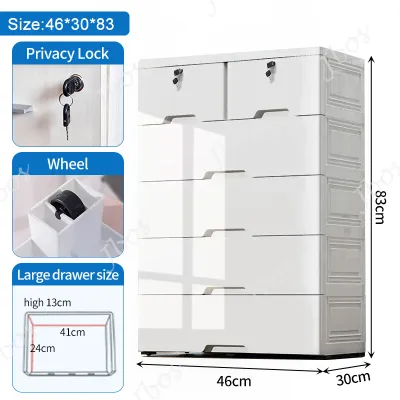
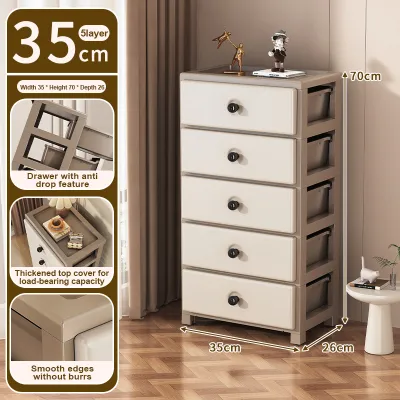
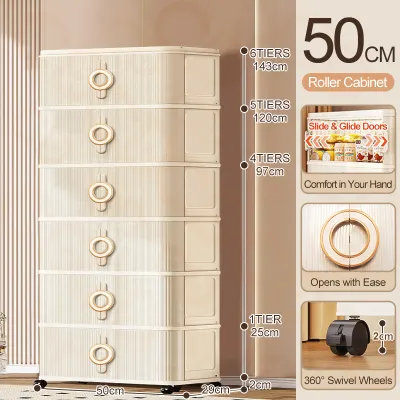
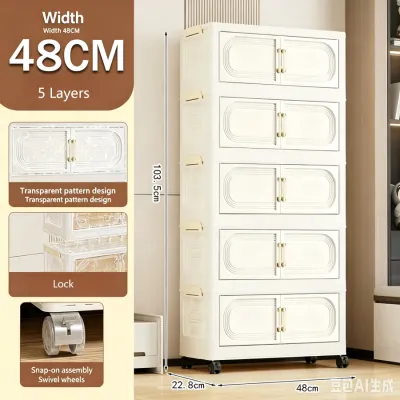
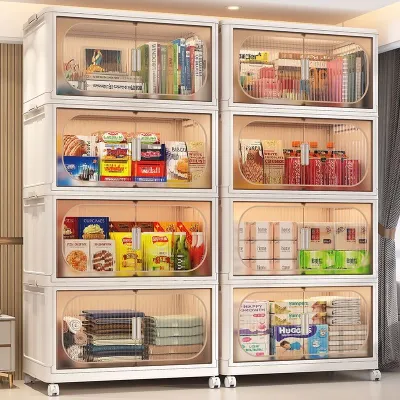
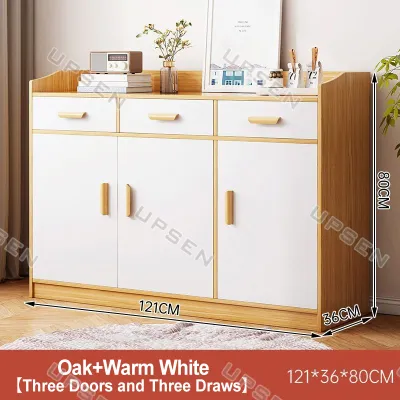
Prices are valid at publication and may change. Please refer to the product page for the latest price.
Finally, look closely for underutilized areas within your cabinet that can be converted into active storage zones. Dead space often hides directly beneath hanging garments, above high shelves, or on the inside panels of wardrobe doors. For instance, the empty floor space below short hanging shirts is an excellent spot for stackable drawers or shoe racks. By identifying these hidden pockets of space before you shop, you can target your purchases to solve specific storage bottlenecks rather than buying generic containers that might not fit.
Types of Cabinet Organizers for Different Wardrobe Zones
Selecting the right organizer kabenet components requires matching the accessory to the specific zone of your wardrobe. Different areas of your closet face distinct storage challenges, from deep, dark shelves to underutilized vertical heights. By understanding how various organizer types address these bottlenecks, you can create a balanced system that keeps your clothes visible and accessible. It is essential to choose organizers that complement your wardrobe’s existing structure, whether you are retrofitting a freestanding wooden cabinet or optimizing a large built-in closet system.

Hanging and Shelving Solutions
Hanging organizers and add-on shelving units are excellent for maximizing vertical space without requiring permanent modifications to your cabinet. Multi-tier hanging shelves made of fabric or canvas attach directly to your existing closet rod, instantly converting hanging space into multiple horizontal compartments. These are ideal for storing folded t-shirts, knitwear, or lightweight bags that might otherwise stretch out on traditional hangers. Additionally, multi-tier hangers designed for pants or skirts allow you to hang multiple garments vertically on a single rod hook, saving valuable horizontal rod space.
If your wardrobe has tall, open sections with only a single top rod, you can install tension rods or adjustable add-on hanging rods to create double-hang zones. This setup effectively doubles your hanging capacity for shorter items like folded-over trousers, shirts, and jackets. However, before adding these accessories, you must evaluate the load capacity of your existing wardrobe rod and its support brackets. Overloading a standard wooden or thin metal rod with heavy hanging organizers can cause the rod to bend, slip, or pull away from the cabinet walls entirely.
When using hanging fabric shelves, distribute the weight evenly across the compartments to prevent the unit from sagging or tilting. Avoid placing heavy items like thick denim jeans or winter jackets in hanging fabric organizers; instead, reserve these spaces for lighter garments. Regularly inspect the hook-and-loop fasteners or metal hooks at the top of the organizer to ensure they remain securely attached to the main rod.
Drawer and Compartment Dividers
Drawers often become chaotic piles where small items like socks, underwear, and accessories get mixed together. Adjustable drawer dividers and honeycomb inserts offer a practical solution by partitioning large, open drawers into dedicated slots for individual items. These dividers keep small garments neatly rolled and visible, preventing you from digging through layers of clothing to find what you need. For deep shelves, stackable storage bins and clear acrylic boxes act as drawer substitutes, allowing you to slide units out to access items stored at the very back.
Before purchasing rigid dividers made of acrylic, wood, or hard plastic, you must measure your drawer’s interior depth, width, and height clearance. Some dividers require a minimum depth to stand upright, while others might prevent the drawer from closing if they are even slightly too tall. If your drawers have irregular shapes or non-standard dimensions, flexible fabric organizers or spring-loaded adjustable dividers provide a more forgiving fit.
For deep cabinet shelves, fabric-covered boxes with front handles are highly effective for organizing seasonal items or less frequently worn clothing. These boxes can be labeled and stacked to utilize the full height of the shelf. When selecting stackable bins, look for designs with recessed lids that allow the top bin to sit securely on the bottom one without sliding off when you open or close the wardrobe doors.
Door and Vertical Space Maximizers
The inside of your wardrobe doors and the narrow vertical gaps inside your cabinet are often completely overlooked. Over-the-door hooks, hanging shoe organizers, and slim pegboards can turn these flat surfaces into valuable storage zones for accessories, belts, scarves, and small bags. Utilizing the door surface keeps your daily essentials within arm’s reach and frees up primary shelf space for larger garments. For narrow, unused gaps between the wardrobe frame and the wall, slim tension pole systems or slide-out wire baskets can provide extra storage.
However, mounting organizers on wardrobe doors requires careful consideration of hinge clearance and weight limits. Heavy items hung on a door can put excessive strain on the hinges, leading to door sagging, misalignment, or difficulty closing the cabinet properly. Ensure that any over-the-door organizer does not interfere with the door’s magnetic catches or latching mechanisms.
If you have sliding wardrobe doors, over-the-door hooks are generally not suitable as they will block the doors from sliding past one another. In this case, look for slim, adhesive-backed hooks or shallow pocket organizers that can be mounted on the interior side walls of the cabinet. Always verify that these interior side-mounted accessories do not obstruct your drawers or pull-out trays when they are fully extended.
Material and Build Considerations for Tropical Climates
In the Philippines, the tropical climate presents unique challenges for wardrobe storage, primarily due to high humidity levels and seasonal moisture. Selecting the wrong materials for your organizer kabenet can lead to mold growth, musty odors, and warped structures. Non-woven fabric and canvas organizers are popular for their breathability, which helps prevent stagnant air from trapping moisture around your clothes. However, fabric organizers must be kept dry and are best used in wardrobes that receive regular ventilation or are equipped with moisture-absorbing products.
Plastic and acrylic organizers are highly durable, moisture-resistant, and incredibly easy to clean, making them excellent choices for humid environments. They do not absorb odors or moisture, and any dust or spills can be quickly wiped away with a damp cloth. Metal wire baskets and powder-coated steel racks also perform well in tropical climates because they allow maximum airflow around your garments. When choosing metal organizers, always check the product specifications for rust-proof coatings or painted finishes to ensure they will not corrode over time in humid conditions.
Conversely, you should exercise caution when considering untreated natural wood or low-density particleboard organizers. Untreated wood can absorb moisture from the air, making it highly susceptible to warping, cracking, and mold colonization. If you prefer the aesthetic of wood, look for organizers made of treated timber, sealed bamboo, or high-quality engineered wood with water-resistant laminate finishes. Always inspect the joints and edges of wooden organizers to ensure they are completely sealed against moisture penetration.
Step-by-Step Guide to Measuring and Installing Organizers
To ensure your new organizer kabenet setup fits perfectly and functions safely, follow a systematic approach to measuring and installation.
First, empty your wardrobe completely. Wipe down all interior surfaces to remove dust and moisture, allowing the cabinet to dry fully before you begin measuring.
Second, use a steel tape measure to record the width, depth, and height of each compartment. Measure the width at both the front and the back of the shelf, as wooden cabinets can sometimes bow or warp slightly over time.
Third, note the location of door hinges, sliding door tracks, magnetic latches, and internal lighting fixtures. Ensure that pull-out drawers or baskets have enough clearance to slide out fully without hitting these obstacles.
Fourth, before mounting tension rods, hanging shelves, or adhesive hooks, verify their rated weight capacities. Never exceed these limits, especially when storing heavier items like bags or folded denim.
Fifth, place your organizers inside the wardrobe, starting with the largest units first. Test the movement of all drawers, doors, and sliding mechanisms to ensure nothing is blocked or restricted.
If your chosen organizer requires drilling, wall anchoring, or permanent structural alterations to your wardrobe, stop the installation immediately. Consult the wardrobe manufacturer or a professional carpenter to ensure you do not compromise the structural integrity or warranty of your cabinet.
Where to Shop and What to Verify Before Buying
When shopping for wardrobe organizers on e-commerce platforms or at local home improvement stores in the Philippines, careful verification is key to avoiding poor-quality purchases. Always cross-reference the listed product dimensions with your actual wardrobe measurements rather than relying on promotional photos, which can often make items look larger than they are. Look closely at user-uploaded photos in the review sections to get a realistic sense of the product’s scale, material thickness, and overall build quality.
Before finalizing your purchase, read recent customer reviews thoroughly, paying close attention to comments regarding structural integrity, ease of assembly, and any chemical odors upon unboxing. Some low-grade plastic or synthetic fabric organizers can emit strong chemical smells that can easily transfer to your clean clothes. Additionally, check the seller’s return policies and warranty terms, particularly for load-bearing items like tension shelves or heavy-duty drawer systems, so you can easily return any items that arrive damaged or do not fit your space.
Frequently Asked Questions (FAQ)
How do I prevent mold on fabric organizers inside my wardrobe?
To prevent mold on fabric organizers in a humid climate, always ensure that your clothes are completely dry before placing them inside the bins. Storing even slightly damp garments traps moisture in the fabric fibers, creating an ideal environment for mold and mildew to grow. Place disposable moisture absorbers, hanging dehumidifier bags, or reusable silica gel packets inside your wardrobe, and replace or recharge them regularly as they saturate. Additionally, periodically remove the fabric organizers from your closet, wash them according to the manufacturer’s care instructions, and let them dry thoroughly under direct sunlight to eliminate any lingering spores.
Can I use adhesive hooks on my wardrobe doors without damaging the finish?
Adhesive hooks can be convenient, but they carry a high risk of peeling off laminate, paint, or wood veneer finishes when you try to remove them. The strong adhesives used on these hooks can bond permanently to delicate cabinet surfaces, leading to unsightly damage upon removal. If you must use adhesive hooks, test them first on a small, hidden area of the wardrobe to see how the finish reacts, and always follow the manufacturer’s specific removal instructions, which often involve heating the adhesive with a hairdryer to soften it. For hanging heavier items on wardrobe doors, it is much safer to use over-the-door metal hooks or lightweight screw-mounted hardware that distributes weight without relying on sticky adhesives.

Community discussion
Share your experience or ask a question. Comments are reviewed before publication.