
Choosing the right Diyan heavy duty hammock for your home in the Philippines depends entirely on your physical space and available structural supports. While a spacious garden allows for classic tree-to-tree installations or large freestanding frames, a compact balcony requires careful measurement and often a self-supporting stand to avoid structural damage. To find the best option, you must look past general marketing terms and verify the manufacturer’s official weight capacity on the product tag, ensuring the dimensions align perfectly with your intended layout before ordering from an online marketplace.
Evaluating Your Balcony and Garden Space Constraints
Before purchasing any outdoor furniture, measuring your available area is the most critical step to ensure safety and comfort. For balcony installations, you must measure the clear floor space, the height of the railings, and the availability of structural ceiling or beam anchor points. Many condominium associations and apartment buildings strictly prohibit drilling into exterior walls or concrete pillars, which makes compact, freestanding hammock models the only viable option for these spaces.
In a garden setting, the layout constraints shift from floor space to the distance between natural anchor points, such as mature, sturdy trees. If you plan to use existing trees, measure the span between them to ensure it matches the total length of the hammock plus the necessary suspension straps. If your garden lacks natural supports, you will need to allocate a flat, stable patch of ground that can accommodate the wide footprint of a freestanding heavy duty metal or wooden stand.
Products mentioned in this guide
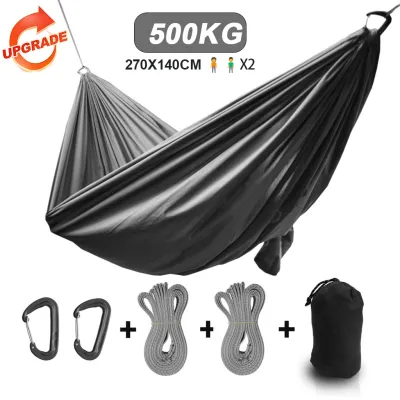
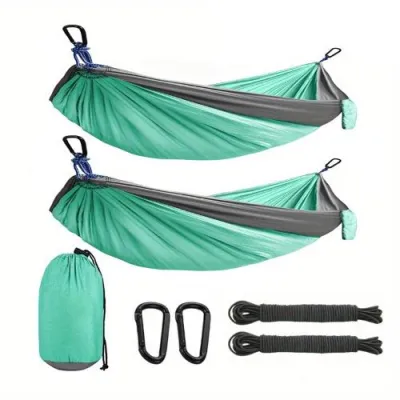
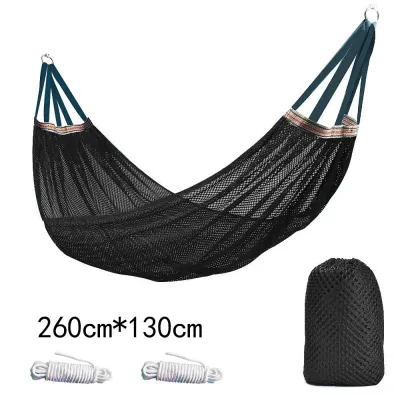
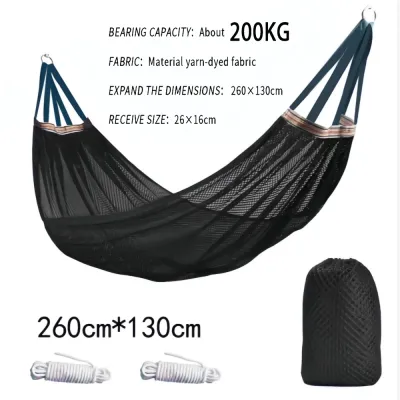
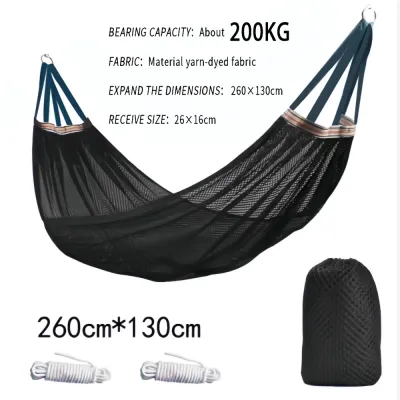
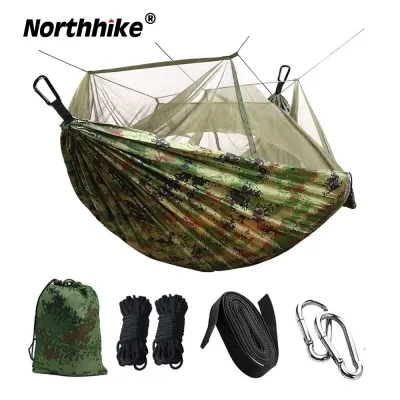
Prices are valid at publication and may change. Please refer to the product page for the latest price.
Regardless of whether you are setting up on a high-rise balcony or a grassy lawn, you must account for the swing radius and ground clearance. A hammock requires adequate clearance on all sides to prevent the user from colliding with walls, railings, potted plants, or outdoor columns during use. Additionally, the lowest point of the hammock when occupied must remain safely above the ground, requiring you to calculate how much the fabric will stretch under weight.
Essential Features to Verify in Heavy Duty Hammocks
When evaluating a Diyan heavy duty hammock, you should never rely solely on broad product descriptions or promotional claims. Instead, locate the official weight limit tag attached to the product or detailed in the manufacturer’s specification sheet. A true heavy duty rating requires robust construction, which you can verify by examining the thickness of the support ropes, the density of the stitching along the seams, and the quality of the included carabiners or spreader bars.

The tropical climate of the Philippines, characterized by high humidity, intense sunlight, and sudden heavy downpours, demands careful attention to material composition. Check the product label for the specific fabric blend, washing instructions, and any manufacturer-stated weather-resistant treatments. While synthetic materials like nylon or polyester often dry quickly and resist mildew, cotton blends may offer a softer feel but require more diligent protection from moisture to prevent rot.
You must also choose between different design variations, as they directly affect both comfort and installation requirements. Spreader-bar hammocks keep the fabric flat and taut, making them easier to get into and out of, but they require a longer, fixed hanging distance and can be more prone to tipping if weight is not centered. Gathered-end hammocks, on the other hand, create a cocoon-like pocket that conforms to your body shape, offering excellent stability and requiring less horizontal space to hang.
Hanging Options and Installation Safety Checks
Safe installation is paramount when setting up any heavy duty hammock, as improper mounting can lead to structural damage or serious injury. When identifying anchor points, look for solid, load-bearing structural supports such as reinforced concrete pillars, thick wooden beams, or mature, healthy tree trunks with a diameter of at least thirty centimeters. Never attempt to anchor a hammock to drywall, thin wooden partitions, decorative railings, or unverified tree branches, as these materials cannot withstand lateral tension.
If you opt for a freestanding setup, use only the hardware and stands explicitly recommended or provided by the manufacturer. When assembling a heavy duty metal or wooden frame, conduct a thorough stability check on a level surface to ensure there is no wobbling or structural play in the joints. Ensure all bolts, pins, and hooks are fully tightened and locked into place before allowing anyone to test the hammock’s weight capacity.
You must establish strict stop conditions during the installation process to prevent accidents. If you notice any signs of structural weakness in your chosen anchor points, if the hardware does not fit securely, or if the available hanging distance does not match the manufacturer’s guidelines, stop the installation immediately. In these scenarios, do not attempt to force a connection; instead, consult a qualified structural professional or transition to a freestanding frame that does not rely on your home’s walls or pillars.
Weather Resistance and Routine Maintenance
To prolong the lifespan of your heavy duty hammock in a tropical environment, establishing a routine maintenance schedule is essential. Regularly clean the fabric by removing leaves, dirt, and debris, and spot-clean any stains using mild soap and lukewarm water as recommended by the standard fabric care label. Avoid using harsh chemical cleaners, bleach, or stiff abrasive brushes, as these can degrade the fibers and strip away any protective coatings.
Protecting your hammock from extreme weather conditions will prevent premature wear and material failure. When heavy rains, typhoons, or prolonged periods of intense direct sunlight are expected, store the hammock fabric indoors or cover the entire setup with a heavy duty, weather-resistant protective cover. Leaving the fabric exposed to constant moisture and UV radiation will accelerate color fading, weaken the fibers, and promote mold growth.
Perform a quick visual inspection before every use to ensure the setup remains safe. Check the suspension ropes and fabric for any signs of fraying, thinning, or unravelling, and inspect metal hardware for rust, cracks, or deformation. If you observe any significant wear or structural degradation, retire the affected components immediately and replace them with manufacturer-approved parts to maintain safety.
Frequently Asked Questions (FAQ)
Can I hang a heavy duty hammock on my apartment balcony railing?
No, you should not hang a heavy duty hammock directly from an apartment balcony railing. Most standard residential railings are engineered to withstand vertical loads and minor outward pressure for safety, but they are not designed to support the intense lateral pull and dynamic weight of an occupied hammock. Attempting to anchor to a railing can cause severe structural damage to the building and poses a critical safety hazard; always check your building’s regulations and consult property management before installing any semi-permanent anchors.
Do I need a freestanding stand if I have no trees or beams?
Yes, a freestanding heavy duty stand is the safest and most practical alternative when you lack natural trees or structural beams. A dedicated stand allows you to enjoy your hammock anywhere on your balcony or garden without drilling into walls or risking damage to weak structures. Before purchasing, measure the total footprint of the stand to ensure it fits comfortably within your space, and verify that the ground or balcony floor is completely level and capable of supporting the combined weight of the stand and the users.

Community discussion
Share your experience or ask a question. Comments are reviewed before publication.