
Filipino home cooking is a vibrant, multi-sensory process that demands a highly functional workspace. Preparing classic dishes often involves extensive prep work—peeling garlic, chopping onions, marinating meats, and simmering large pots of soup. A standard kitchen counter can quickly become overcrowded when you factor in daily-use appliances like rice cookers, air fryers, and blenders. Introducing a dedicated kitchen island cabinet can transform your culinary routine by providing the extra surface area and storage you need to keep your kitchen organized and efficient.
In many local households, cooking is also a shared activity where family members gather to help prepare ingredients. Having a central workspace allows multiple people to collaborate without crowding the main cooking range or sink area. To find the most suitable island cabinet for your home, you must look beyond aesthetics and focus on how the piece handles the physical demands of daily meal preparation.
The right unit must withstand the moisture of tropical climates, support the weight of heavy cookware, and offer smart storage solutions for unique ingredients and tools. By evaluating key structural features, layout compatibility, and material durability, you can select a kitchen island that serves as a reliable partner in your daily meal preparation. Taking the time to assess these factors ensures your investment remains functional and beautiful for years to come.
Products mentioned in this guide
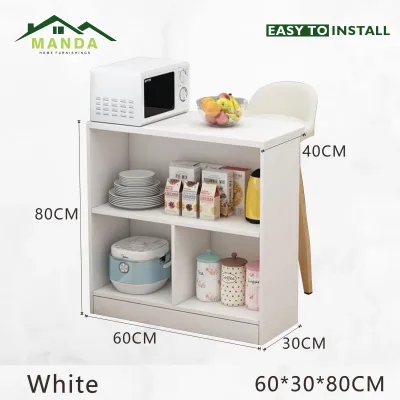
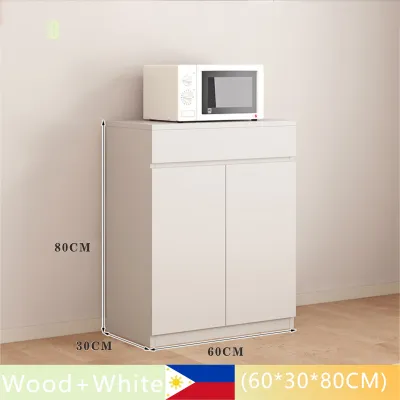
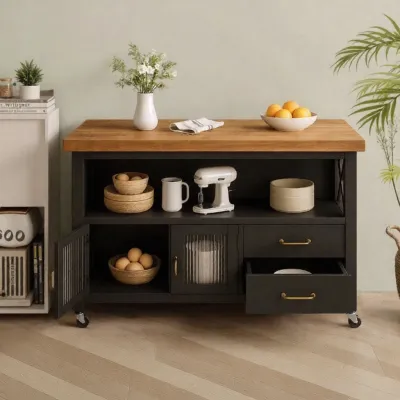
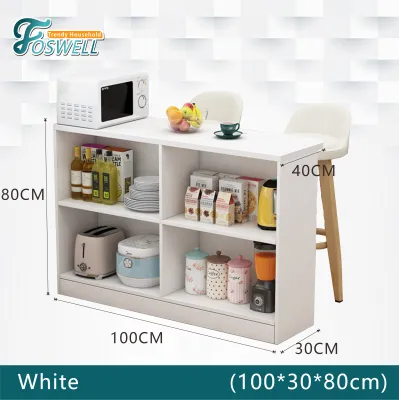
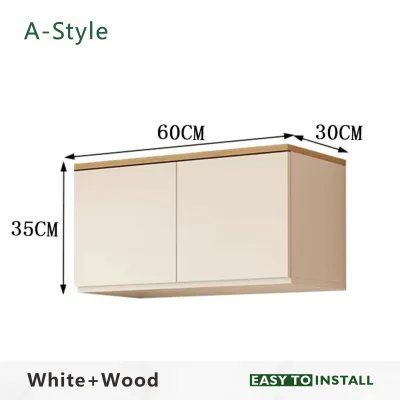
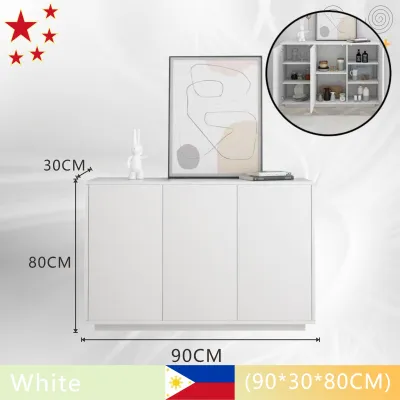
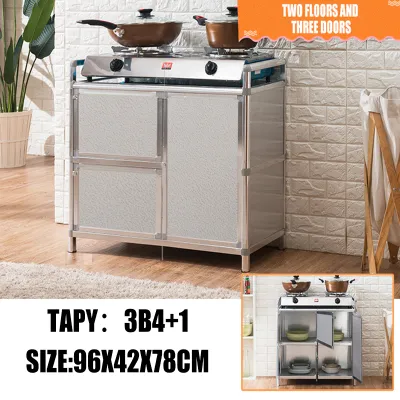
Prices are valid at publication and may change. Please refer to the product page for the latest price.
Key Features to Look for in a Kitchen Island Cabinet
When evaluating a kitchen island cabinet, the countertop is your primary workspace, making its dimensions and design critical for comfortable food preparation. Look for a countertop that offers a generous surface area, ideally with a depth that allows you to stage multiple prep bowls while leaving ample room for a large cutting board. An overhang of at least a few inches is highly beneficial, as it allows you to sweep food scraps directly into a bin or pull up a stool comfortably without hitting your knees against the cabinet frame.
The height of the countertop is another ergonomic factor to consider during long prep sessions. Standard kitchen counters typically stand around 85 to 90 centimeters high, which is comfortable for most chopping and kneading tasks. If you plan to use the island primarily for food preparation, ensure the unit matches this height to prevent back strain. For islands that double as dining spaces, a slightly taller bar-height surface may be appropriate, though it may require specific stools.
Structural stability and weight capacity are equally vital, especially if you plan to use the island as a hub for countertop appliances. Heavy items such as multi-functional rice cookers, air fryers, and large electric ovens require a sturdy foundation that will not wobble or sag under pressure. Before purchasing, check the manufacturer’s specifications for the maximum weight limit of both the top surface and the individual shelves to ensure they can safely support your specific appliance lineup.
Storage configurations should align with the specific tools and ingredients common in local households. Deep drawers are incredibly useful for storing heavy woks, traditional clay pots, and large stockpots that otherwise clutter your main cabinets. Look for drawers equipped with full-extension slides, which allow you to access items stored at the very back without straining or reaching blindly into dark corners.
Adjustable interior shelving allows you to customize the cabinet space to accommodate tall bottles of soy sauce, vinegar, and cooking oils, keeping them upright and preventing accidental spills. Having adjustable options means you can reconfigure the interior layout as your collection of kitchen gadgets and pantry staples grows over time.
Additionally, consider units that feature specialized storage options, such as ventilated wire baskets or slatted bins. These breathable compartments are perfect for storing root crops like garlic, onions, and potatoes, which require dry, well-ventilated conditions to stay fresh in warm weather. Having these ingredients within arm’s reach of your prep station streamlines your cooking process and reduces unnecessary movement around the kitchen.
Matching Island Types to Your Kitchen Layout
Your kitchen’s layout and available floor space will largely dictate the type of island cabinet that best suits your home. For compact kitchens or open-plan apartments where space is at a premium, rolling carts and utility islands offer exceptional flexibility. These mobile units can be wheeled to the center of the room when you need an extra prep station for heavy chopping, and then easily tucked against a wall or into a corner when the meal is finished to clear the walkway.

Mobile carts also serve as excellent transport stations during family gatherings or weekend feasts. You can use them to wheel prepared dishes, extra plates, and condiments from the kitchen directly to the dining area, minimizing trips back and forth. When selecting a mobile unit, ensure the wheels are sturdy enough to handle transitions between different flooring types, such as from kitchen tiles to dining room wood.
If you have a more spacious kitchen and require a permanent, heavy-duty work zone, a fixed or semi-fixed island cabinet is an excellent choice. These robust structures provide a substantial presence, offering maximum storage capacity and a highly stable surface that can handle vigorous kneading, mixing, and chopping. Semi-fixed designs often feature leveling feet that allow you to secure the unit on slightly uneven tile floors, ensuring a flat and wobble-free workspace.
Fixed islands also allow for more integrated features, such as built-in trash compartments, spice racks, or towel rails. Because they do not need to be moved, they can be constructed from heavier, more substantial materials that offer superior stability. This makes them ideal for households that do a lot of heavy-duty baking or large-scale meal prep on a daily basis.
For households that love to entertain or need adaptable space, drop-leaf or extendable island designs provide excellent versatility. These cabinets feature a hinged countertop section that can be raised to instantly expand your staging area during complex meal prep, such as assembling ingredients for a family feast. When the prep work is done, the extended leaf can serve as a casual breakfast bar or dining spot, and then fold down flat to save space when not in use.
Evaluating Materials and Durability for Local Conditions
The tropical climate in the Philippines presents unique challenges for kitchen furniture, making material selection and durability checks essential. High humidity levels can cause low-quality wood composites to swell, warp, or develop mold over time. To prevent these issues, carefully review the manufacturer’s product labels and care instructions to verify if the materials have been treated with moisture-resistant coatings or sealants suitable for humid environments.
When considering wood-based cabinets, look for high-quality plywood or solid wood options that have been properly sealed rather than cheap, untreated particle board. Pay close attention to the edge banding on laminated cabinets, as poorly sealed edges are the primary entry points for moisture, which leads to swelling and peeling. A well-applied edge band protects the core material from spills and ambient humidity.
The countertop material must also demonstrate high resistance to heat, scratches, and stains to withstand daily culinary activities. Preparing local dishes often involves working with acidic ingredients like calamansi juice and vinegar, which can etch or discolor sensitive surfaces. Look for countertops made of durable materials like treated solid wood, engineered quartz, or high-pressure laminates, and verify their scratch and heat resistance ratings to ensure they can handle hot pots and sharp utensils.
If you prefer a highly industrial and low-maintenance option, stainless steel countertops are worth considering. Stainless steel is non-porous, incredibly easy to sanitize, and completely impervious to moisture and heat, making it a favorite in professional kitchens. However, it can scratch easily, so using cutting boards is still necessary to maintain its sleek appearance.
Hardware quality is another critical factor that directly impacts the longevity of your kitchen island. Inspect the drawer slides, door hinges, and metal joints to ensure they feature rust-proof or corrosion-resistant coatings, which are vital in humid coastal areas. If you are opting for a mobile island, examine the casters closely; they should be heavy-duty, made of non-marking materials that won’t scratch your tiles, and equipped with robust locking mechanisms to keep the unit firmly in place during use.
How to Measure and Verify Before You Buy
To ensure a seamless delivery and installation process, you must take precise measurements of your home’s entryways and pathways before making a purchase. Measure the width and height of all doorways, narrow hallways, stairwells, and elevator cabins that the delivery team must navigate to bring the cabinet into your kitchen. If the island cabinet arrives fully assembled, verifying these clearances beforehand will prevent the frustration of a unit that cannot fit through your front door.
Once the island is inside, you must calculate the clearance zones around its intended position to maintain a safe and functional kitchen workflow. Ensure there is at least 90 to 120 centimeters of open space on all sides of the island to allow for comfortable movement and to prevent traffic bottlenecks. This clearance is also necessary to ensure that cabinet doors, deep drawers, and nearby appliance doors—such as your refrigerator or oven—can open fully without colliding.
Consider how the island’s placement affects your kitchen’s work triangle—the path between your stove, sink, and refrigerator. The island should act as a helpful bridge between these points rather than a physical barrier that forces you to take long detours while cooking. If your kitchen layout is tight, a mobile island that can be pushed aside when accessing major appliances is often the safest layout choice.
Whether you are planning a budget of ₱10,000 or looking at premium custom options, verifying these dimensions and electrical access points is essential. Check the location of your nearest wall outlets and map out how power cords will reach the unit without stretching across walkways, which creates a dangerous tripping hazard. If the island does not have built-in power strips, consider positioning it directly against a wall outlet or using secure cord covers to keep cables organized and safely out of the way.
Frequently Asked Questions (FAQ)
Can I place a rice cooker or heavy appliance on a rolling kitchen cart?
Yes, you can place heavy appliances on a rolling cart, but you must first verify the manufacturer’s specified weight capacity for the top surface. Ensure that the cart features heavy-duty casters with reliable locking mechanisms on at least two wheels to prevent the unit from moving while the appliance is operating. Additionally, place heavier items on the lower shelves to maintain a low center of gravity, which prevents the cart from tipping over when you open drawers or move the unit.
How do I maintain wooden or butcher block countertops in a humid kitchen?
Maintaining a wooden countertop in a humid environment requires consistent care to prevent moisture absorption and warping. Always follow the manufacturer’s recommended sealing schedule, using food-safe mineral oil or beeswax to create a protective barrier against water and stains. Avoid leaving wet pots, damp cloths, or standing water on the surface for extended periods, and always use a separate cutting board to prevent deep scratches that can compromise the protective seal.

Community discussion
Share your experience or ask a question. Comments are reviewed before publication.