
A bedroom side table, often serving as a nightstand, must balance daily utility with the room’s overall aesthetic. Finding the right option is rarely about a single universal design; rather, it depends on matching the table’s footprint, storage capacity, and height to your specific bedroom layout and personal habits. In the Philippines, where bedroom sizes can range from spacious suburban master suites to compact urban condominiums, selecting the right furniture requires a thoughtful approach. High humidity, dust accumulation from open windows or ceiling fans, and the layout of electrical outlets all play a significant role in how a side table performs over time. This guide outlines the key configurations, evaluation criteria, and space-planning steps to help you select a side table that functions perfectly in your bedroom.
Assessing Your Bedroom Space and Nightstand Needs
Before browsing online marketplaces or visiting local showrooms, you must assess your bedroom’s physical boundaries. A common mistake is buying a table based solely on looks, only to find it blocks a closet door, sits too high, or crowds the walkway.
Measure the available width and depth on either side of your bed. Leave at least 10 to 15 centimeters of clearance between the mattress and the table. This gap prevents bedsheets from getting pinched and makes it easier to make the bed daily.
Products mentioned in this guide
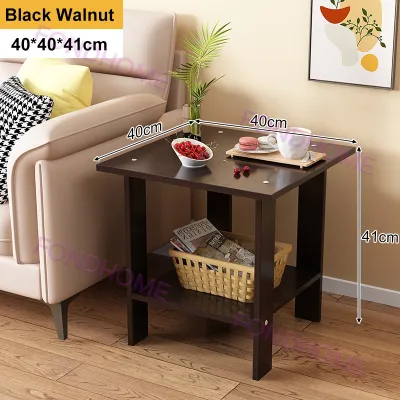
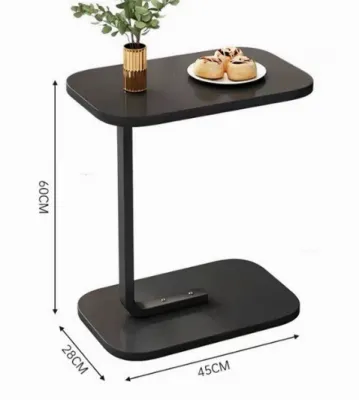
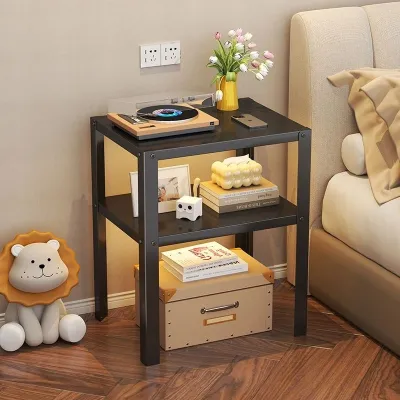
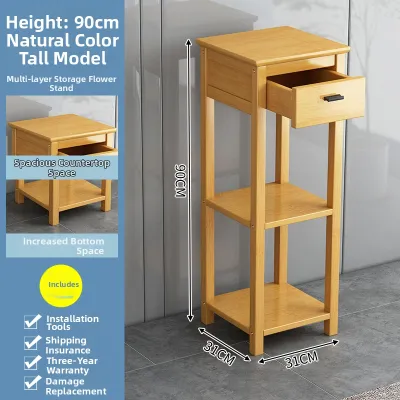
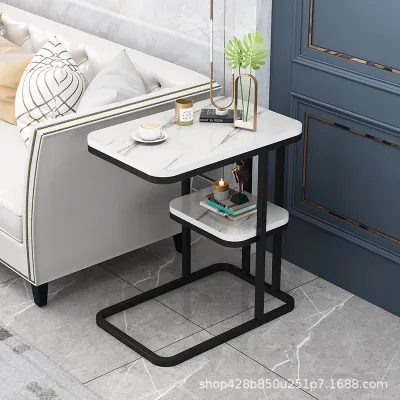
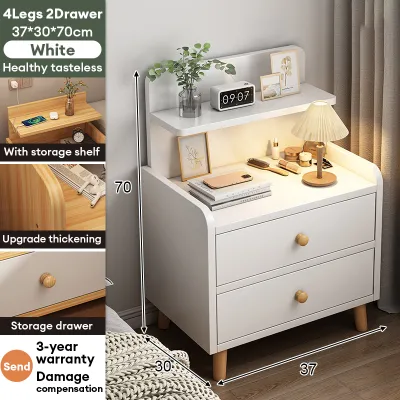
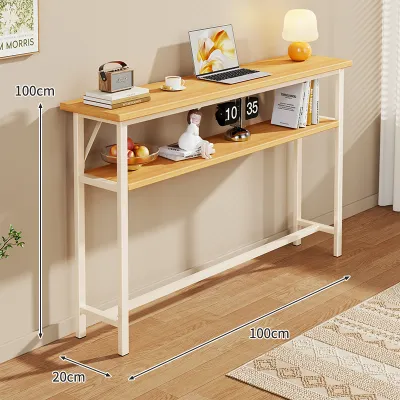
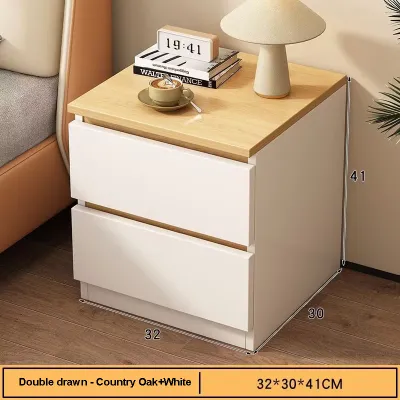
Prices are valid at publication and may change. Please refer to the product page for the latest price.
Additionally, measure your mattress height from the floor. Ideally, the table surface should sit level with or slightly below the mattress top, typically between 50 and 65 centimeters. A table that is too tall blocks your line of sight, while one that is too low requires awkward bending.
Consider your daily storage habits. If you prefer a clean, minimalist look, choose a table with drawers or a cabinet door to hide charging cables, medications, and personal items. If you prefer displaying books or a stylish lamp, an open-shelf design or a simple pedestal table is more appropriate.
Finally, map the room’s functional flow. Check the swing path of wardrobe doors, entryways, and bathroom doors to ensure the table will not obstruct them. Note the location of wall outlets to ensure easy access for lamps and chargers without stretching cords across walkways.
Recommended Side Table Configurations for Bedroom Use
Bedroom side tables generally fall into three primary categories: storage-focused designs, space-saving compact options, and multi-functional statement pieces. Each configuration serves a distinct purpose and suits different room sizes and lifestyles.

Choosing a style involves balancing visual weight—how heavy a piece looks—with practical utility. In small bedrooms, a bulky cabinet can make the space feel cramped. Conversely, an ultra-minimalist pedestal table might look elegant but lack the storage you need. Understanding these trade-offs helps you find a design that fits your lifestyle.
Storage-Focused Designs (Drawers and Cabinets)
For those with bedside clutter, storage-focused tables with drawers or cabinets are highly practical. They keep personal items, reading materials, and electronics out of sight, promoting a calmer sleeping environment. Enclosed storage also protects belongings from dust carried by ceiling fans or open windows in tropical climates.
When evaluating these models, check the quality of the drawer glides and hardware. Drawers should slide smoothly without sticking or squeaking, which can disrupt sleep. Check the internal depth to ensure they accommodate items like e-readers or journals, and look for sturdy, easy-to-grasp handles.
The main trade-off is visual and physical weight. Solid boxes extending to the floor can overwhelm small bedrooms. To mitigate this, look for drawer units elevated on slender legs. This style provides enclosed storage while keeping the floor visible, maintaining an airy feel.
Space-Saving and Compact Options
If you have a compact bedroom, heavy furniture is rarely ideal. Focus on space-saving designs that minimize footprint and maximize visual openness. Open-shelf tables, pedestal bases, and floating shelves are excellent solutions.
Floating shelves mount directly to the wall, eliminating floor legs and leaving the space underneath clear. This makes cleaning easier and creates the illusion of a larger room. Pedestal tables offer a similar benefit by reducing leg clutter.
When opting for lightweight designs, verify their stability and weight capacity. A bedside table must support a lamp, books, and a glass of water without tipping if bumped in the dark. To make a small room feel larger, choose tables with tall, slender legs that expose the floor and wall behind them, allowing light to pass through.
Multi-Functional and Statement Pieces
For bedrooms doubling as home offices, multi-functional tables maximize utility. Nesting tables consist of two or three tables of graduating sizes that slide underneath one another. Keep them stacked to save space, then pull out the smaller tables when you need extra surface area. Other options include tables with integrated charging ports, cable management, or lift-top mechanisms.
Alternatively, look beyond traditional furniture and use unconventional statement pieces. A sturdy wooden stool, a vintage accent chair, or a stacked column of books can serve as a unique nightstand. These options add character and texture, breaking up the monotony of matching sets.
When selecting a multi-functional piece, verify that its stability is not compromised. A lift-top table must have secure locking hinges to prevent collapsing, and a repurposed stool must have a flat top to prevent items from sliding off. Safety should always take precedence over novelty.
Key Material and Build Quality Checks
The longevity of your side table depends heavily on materials and construction. In the Philippines, furniture must withstand high humidity, seasonal temperature shifts, and daily wear. Inspecting the build quality before purchasing ensures your investment lasts.
Start by examining the surface finish. Bedside tables are susceptible to water damage from the condensation that forms on cold glasses during warm nights. Untreated solid wood or poorly sealed engineered wood can quickly swell, warp, or develop water rings. Look for water-resistant topcoats, polyurethane finishes, or high-pressure laminates. If you prefer natural wood, ensure it is properly sealed and use coasters.
In tropical climates like the Philippines, material choice is paramount. Solid hardwoods like mahogany, acacia, or teak are highly durable and naturally resistant to pests, but they require proper sealing to prevent warping in high humidity. Engineered woods like MDF or particle board are more budget-friendly but highly vulnerable to moisture; if humidity levels rise, unsealed edges can absorb water vapor, causing the material to swell and crumble. Metal and glass tables are immune to humidity-induced warping, making them excellent low-maintenance alternatives, though metal must be treated to prevent rust in coastal or highly humid areas.
Next, inspect the joint construction. High-quality wooden furniture utilizes dovetail or mortise-and-tenon joints, which offer superior durability compared to pieces held together by staples or cheap glue. Gently shake the table to test its stability; there should be no wobbling or creaking. If the table requires home assembly, check that pre-drilled holes align and that the hardware is durable metal.
Finally, read the manufacturer’s care labels and specifications. Pay attention to weight limits, especially for floating shelves or glass tops. Understand the required maintenance, such as using specific cleaners or avoiding direct sunlight, to prevent fading, cracking, or mold growth in humid environments.
How to Build Your Shortlist and Verify Fit
Once you understand your space constraints, storage needs, and material preferences, begin building a shortlist. To keep your search focused, create a checklist of non-negotiable requirements, including dimensions, storage features, and a realistic budget. Bedside tables in the local market range from budget-friendly options around ₱1,500 to premium solid-wood pieces costing ₱10,000 or more. Setting a budget narrows your choices quickly.
Before buying, use painter’s tape to map the exact footprint of the table on your bedroom floor. Leave the tape in place for a day or two. This simple exercise helps you visualize the scale and ensures you can comfortably walk past the bed, open closet doors, and access power outlets without obstruction.
Additionally, review delivery and assembly details. If you live in a high-rise condominium, verify that the packaged furniture fits through narrow stairwells, corridors, or elevator doors. If the table requires assembly, assess whether you have the tools and time. Finally, check the return and warranty policies to ensure recourse if the item arrives damaged.
Frequently Asked Questions (FAQ)
Does a bedroom side table need to match the dresser?
No, your side table does not need to match your dresser or bed frame exactly. While matching sets offer a traditional look, mixing styles, materials, and eras creates a more personalized space. To keep mismatched pieces looking intentional, establish a common thread, such as a shared color palette, similar wood tones, or matching hardware finishes. Ensure the visual weight of the table complements, rather than competes with, the scale of your dresser.
How high should a side table be compared to the bed?
For optimal comfort, your side table should be roughly level with the top of your mattress, or up to 10 centimeters lower. This alignment allows you to reach for items like a phone or a glass of water without stretching upward or bending down. Avoid tables significantly taller than your mattress, as they can block your line of sight and create a safety hazard if bumped in the dark.
Can I use a regular living room side table as a bedroom nightstand?
Yes, you can repurpose a living room side table, accent table, or plant stand as a bedroom nightstand. Any stable surface that matches your mattress height and fits your floor space can function perfectly. Before making the switch, verify that the table is stable enough to support bedside items. Some living room accent tables are lightweight or top-heavy, posing a tipping risk if bumped in the dark.

Community discussion
Share your experience or ask a question. Comments are reviewed before publication.