
Finding the right stainless steel kitchen sink cabinet for a compact home in the Philippines requires balancing durability, hygiene, and spatial efficiency. Because small kitchens have strict limitations on floor space and plumbing alignment, the most suitable option is not a single universal model, but rather the configuration that matches your available footprint, storage needs, and workflow. This guide outlines the critical measurements, material checks, and design features you need to evaluate to select a sink cabinet that maximizes functionality without overcrowding your kitchen.
In many Filipino households, the kitchen is a high-traffic zone subject to constant moisture and tropical humidity. Selecting a cabinet made of resilient materials helps prevent premature wear, pest infestations, and structural sagging. Stainless steel is a popular choice due to its clean appearance and resistance to water damage, but its performance depends heavily on proper installation and regular maintenance. By understanding your kitchen’s physical constraints and structural requirements, you can make an informed decision that serves your household for years.
Assessing Your Compact Kitchen Space and Layout
Before browsing cabinet options, you must measure the exact floor area where the unit will stand. In small kitchens, every centimeter counts. Use a reliable measuring tape to map out the width, depth, and height of the designated space. Ensure there is enough clearance for cabinet doors to swing open fully or for drawers to slide out without hitting opposite walls, appliances, or dining tables. Maintain a walkway width of at least 90 centimeters to allow comfortable movement while cooking or washing dishes.
Products mentioned in this guide
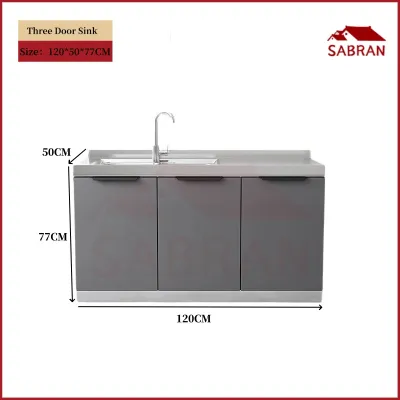
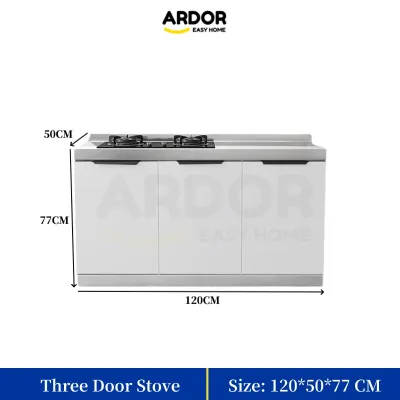
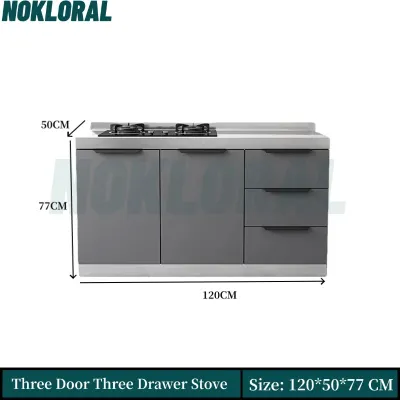
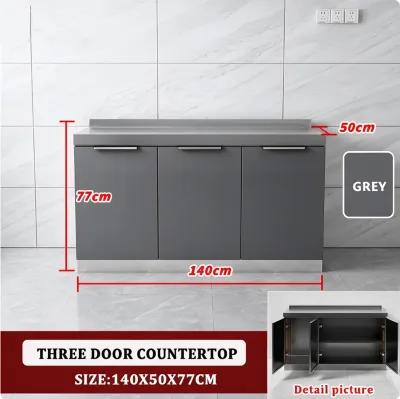
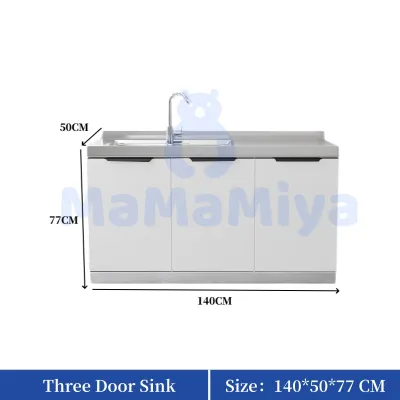
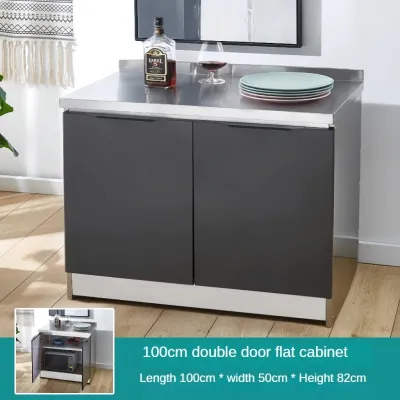
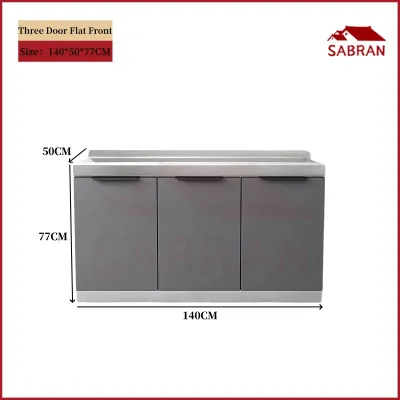
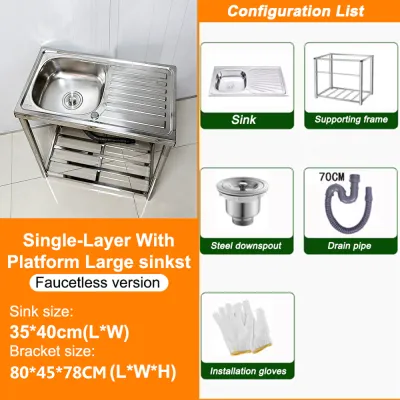
Prices are valid at publication and may change. Please refer to the product page for the latest price.
Next, inspect the existing plumbing rough-in locations. Note where the water supply lines and the drain pipe emerge from the wall or floor. A common mistake is buying a pre-assembled cabinet only to find that the internal shelving or back panel blocks the pipes. Measure the height of the drain outlet relative to the floor, as this determines whether a standard sink cabinet can accommodate the necessary P-trap and drainage slope without major plumbing modifications.
Finally, verify the delivery path from the street to your kitchen. Measure the width and height of all doorways, tight hallway corners, stairwells, and elevator doors. Many fully assembled stainless steel cabinets are bulky and cannot be disassembled. If you live in a high-rise condominium or a multi-story townhouse, ensuring the boxed or assembled unit can physically fit through these entry points is just as critical as measuring the kitchen itself.
Key Features to Look for in Small-Space Stainless Steel Cabinets
When reviewing product specifications, look closely at the steel grade and surface finish rather than relying on generic rust-proof claims. In the humid tropical climate of the Philippines, lower-grade steels can develop surface rust over time if exposed to salty air or harsh cleaning chemicals. Check the manufacturer’s documentation for grades like 304 stainless steel, which offers higher corrosion resistance compared to grade 201. Examine the finish—brushed or satin finishes are generally better at masking minor scratches and water spots than highly polished, mirror-like surfaces.

Maximize the limited space beneath the sink bowl by looking for smart storage configurations. Standard cabinets often leave a large, empty void that becomes cluttered. Look for models that feature built-in sliding shelves, pull-out trash bin compartments, or door-mounted spice and sponge racks. If the cabinet has a solid middle shelf, ensure it has a pre-cut opening or a removable section to accommodate the drain pipe without sacrificing usable storage space.
The design of the sink bowl itself directly impacts your counter space. A deep sink bowl helps contain water splashes, which is crucial in tight quarters where dry items are stored nearby. However, an exceptionally deep bowl reduces the storage height available in the cabinet below. Consider whether an integrated drainboard is beneficial; while a drainboard provides a dedicated wet zone for drying dishes, it reduces the remaining countertop area available for food preparation.
Evaluate the structural integrity of the cabinet base. A sink filled with water and dishes is heavy, putting significant stress on the cabinet frame. Check the product specifications for reinforced bracing beneath the sink bowl and along the legs. Look for adjustable leveling feet, which are essential for stabilizing the cabinet on uneven tiled floors common in many Philippine homes. Sturdy joints, whether welded or secured with heavy-duty screws, prevent the cabinet from wobbling during daily use.
Comparing Common Configurations for Tight Spaces
Choosing between a fixed base cabinet and a mobile sink cart depends on your kitchen workflow, plumbing setup, and housing situation. Permanent installations offer stability and a seamless look, making them ideal for homeowners. On the other hand, freestanding or mobile units provide flexibility for renters or multi-purpose spaces where layout adaptability is a priority.
Fixed Base Cabinets with Integrated Sinks
Fixed base cabinets are designed for permanent placement over existing plumbing lines. They provide a solid, stationary workspace that can support heavier loads and larger sink bowls. Because they are anchored to the wall or floor, they offer excellent stability and allow for a clean, sealed finish along the edges.
Installing a fixed cabinet requires careful alignment with water supply and drain lines. It is highly recommended to have a professional plumber handle the connection to prevent leaks. Additionally, applying a high-quality silicone sealant along the joints where the cabinet meets the wall is crucial to prevent water from seeping behind the unit, which can lead to mold growth and structural damage over time.
Once installed, a fixed cabinet cannot be easily moved. This limits your ability to reconfigure the kitchen layout in the future. Therefore, you must be absolutely certain of the placement and ensure that the cabinet does not block access to electrical outlets, gas lines, or ventilation shafts before committing to the installation.
Mobile Stainless Steel Sink Carts and Stations
Mobile sink carts offer a versatile alternative for compact kitchens, outdoor cooking areas, or rental properties where permanent modifications are not permitted. These freestanding units can be rolled out of the way when you need extra floor space for other activities, making them highly adaptable.
When choosing a mobile cart, inspect the quality of the caster wheels. They must be rated to handle the combined weight of the cabinet, a full sink of water, and stored items. Look for heavy-duty, locking casters that prevent the cart from shifting while you are washing dishes. Ensure the wheel material is compatible with your flooring—soft rubber or polyurethane wheels are preferred to prevent scratching delicate tiles or laminate floors.
Mobile units require flexible water supply hoses and a reliable drainage solution. Instead of rigid PVC pipes, these carts typically use flexible braided hoses connected to a nearby faucet or utility valve. For drainage, you must plan for a flexible drain hose that routes water safely into a floor drain or an external outlet, ensuring there are no kinks that could cause water to back up into the sink.
Pre-Purchase and Installation Checklist
Before finalizing your purchase, verify the manufacturer’s stated weight capacity for both the sink bowl and the internal shelves. Ensure the cabinet frame features adequate cross-bracing to distribute weight evenly. Avoid units that feel flimsy or flex when light pressure is applied to the stainless steel panels.
Check the pre-drilled faucet holes on the sink deck. Ensure the spacing and diameter of the holes match the faucet you plan to install. The faucet spout must have sufficient reach to direct water into the center of the bowl without splashing over the edges, especially in compact sinks where the bowl area is limited.
If you plan to house electrical appliances, such as a small water heater or a water filtration system, inside or near the cabinet, safety must be your top priority. Stainless steel is highly conductive. Ensure all electrical outlets are equipped with Ground Fault Circuit Interrupters (GFCI) and are positioned well away from potential water leaks. All wiring must be installed by a qualified electrician in compliance with local electrical codes.
If during installation you find that the existing wall pipes do not align with the cabinet’s pre-cut access holes, do not attempt to force the connection. Forcing pipes can cause joint stress and lead to hidden leaks. Stop the installation immediately and consult a licensed plumber to adjust the pipe layout or safely modify the cabinet’s back panel.
Frequently Asked Questions (FAQ)
How do I prevent water spots and streaks on stainless steel surfaces?
To maintain the clean appearance of your stainless steel cabinet, wipe down the surfaces regularly with a dry microfiber cloth. Always wipe in the direction of the visible metal grain to avoid creating fine scratches. Avoid using abrasive scrubbing pads, steel wool, or cleaners containing chlorine bleach, as these can disrupt the protective chromium oxide layer on the steel’s surface and lead to corrosion. Refer to the product manual for specific cleaning solutions recommended by the manufacturer.
Can I install a garbage disposal in a small stainless steel sink cabinet?
Installing a garbage disposal in a compact cabinet requires careful verification of space and structural limits. Measure the clearance beneath the sink bowl to ensure the disposal unit fits alongside the existing plumbing without crowding the space. Check the sink manufacturer’s specifications to confirm the steel sheet thickness can support the weight and vibration of a disposal motor. Additionally, verify that your home’s electrical circuit and local plumbing regulations permit the installation of such an appliance.

Community discussion
Share your experience or ask a question. Comments are reviewed before publication.