
Finding the right kitchen storage solution in the Philippines requires balancing durability, space efficiency, and resistance to a demanding tropical climate. While traditional wooden cabinets add warmth to a home, they often struggle against intense humidity, moisture, and persistent household pests. Steel kitchen storage cabinets have emerged as a highly practical alternative, offering a robust, easy-to-clean, and long-lasting structure that can withstand the rigors of daily Filipino cooking.
When selecting a steel cabinet, the goal is to find a unit that fits your kitchen layout, supports your heaviest cookware, and resists corrosion over years of use. By focusing on material quality, protective coatings, and smart space planning, you can secure a storage system that keeps your kitchen organized, hygienic, and functional for the long term.
Why Steel Cabinets Suit Filipino Kitchens
The tropical climate of the Philippines presents unique challenges for home furniture, particularly in the kitchen where moisture and heat are constantly present. High relative humidity levels, especially during the rainy season, can cause wooden or medium-density fiberboard (MDF) cabinets to absorb moisture, swell, warp, and eventually rot. Steel cabinets are completely unaffected by ambient humidity, ensuring that doors and drawers continue to open and close smoothly year-round.
Products mentioned in this guide
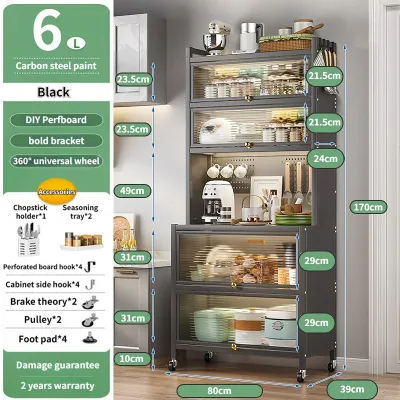
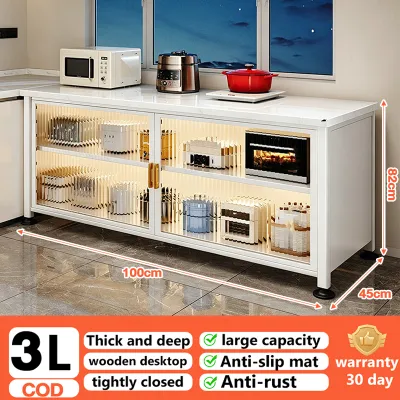
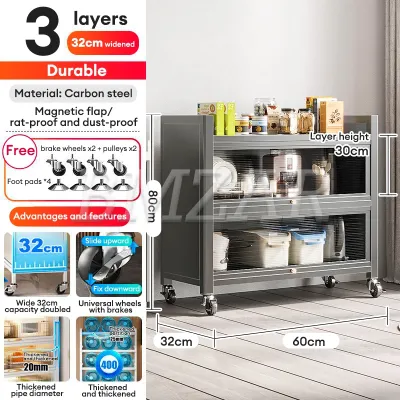
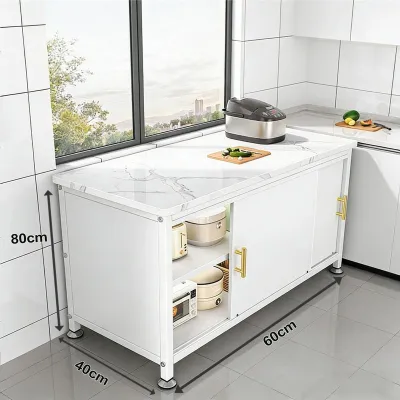
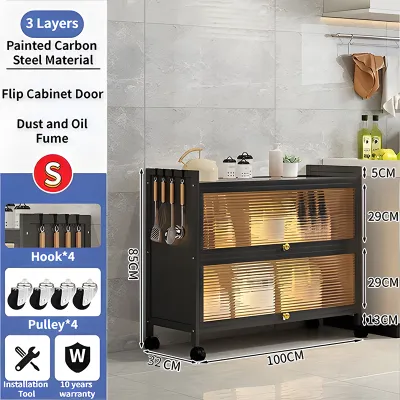
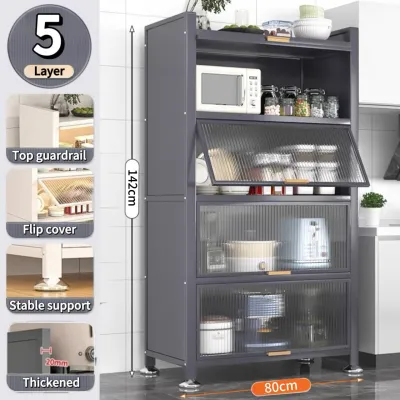
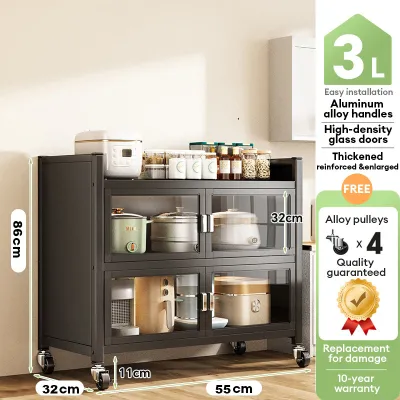
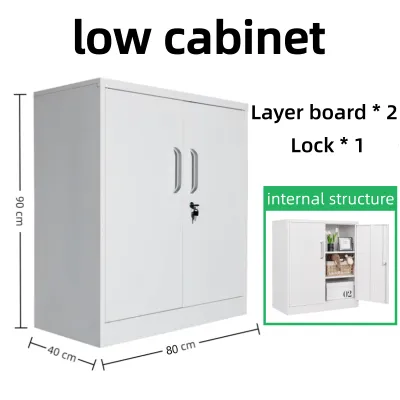
Prices are valid at publication and may change. Please refer to the product page for the latest price.
Another major advantage of steel is its complete resistance to common household pests. Termites, locally known as anay, are a widespread concern in many Filipino neighborhoods and can quietly destroy wooden cabinetry from the inside out. Similarly, wood-boring beetles and rodents find no food source or easy nesting grounds in solid steel structures, helping you maintain a more sanitary food storage environment.
Filipino culinary traditions often involve heavy cookware, such as large cast-iron kawali (woks), heavy-duty rice cookers, and massive stockpots used for slow-cooking soups like sinigang or bulalo. Steel cabinets offer superior load-bearing capacity compared to lightweight composite wood, preventing shelves from sagging or buckling under the weight of these essential kitchen tools.
Finally, local cooking habits frequently involve high-heat frying, sautéing with aromatic ingredients, and using rich sauces that can splat or spill. Spills of soy sauce (toyo), vinegar (suka), or fish sauce (patis) can permanently stain or degrade porous wooden surfaces. Steel cabinets, particularly those with high-quality finishes, feature non-porous surfaces that allow you to wipe away grease, oil, and acidic spills easily without leaving permanent marks or odors.
Key Selection Criteria for Steel Kitchen Cabinets
To ensure your steel cabinet stands up to daily wear and tear, you must evaluate the thickness and quality of the metal. Steel thickness is typically measured in gauges, where a lower gauge number indicates thicker, stronger steel. For residential kitchen storage, look for cabinets constructed from 18-gauge to 22-gauge steel; anything thinner may feel flimsy and flex easily when loaded with heavy canned goods or small appliances.

Inspect the structural reinforcements of the cabinet before making a purchase. High-quality units feature double-walled doors, reinforced shelf brackets, and welded corner joints rather than simple folded tabs. These design details distribute weight evenly across the frame, preventing the cabinet from wobbling or warping when fully loaded.
Because raw steel is highly susceptible to rust when exposed to oxygen and moisture, the surface treatment is the most critical factor in determining the cabinet’s lifespan. Powder coating is the industry standard for high-durability furniture. This process involves electrostatically applying a dry powder to the steel and baking it under high heat to create a hard, continuous barrier that resists scratches, chipping, and moisture penetration far better than standard liquid paint.
Do not overlook the quality of the moving parts, as hardware failure is a common reason kitchen cabinets become unusable. Examine the hinges to ensure they are heavy-duty and rust-resistant, preferably with soft-close mechanisms that prevent loud slamming. Drawer slides should utilize ball-bearing designs for smooth operation, and any locking mechanisms should turn cleanly without catching.
Evaluating Layout and Space Constraints
Before browsing online marketplaces or visiting local showrooms, take precise measurements of your kitchen area. Measure the available floor width, depth, and total ceiling height, keeping in mind that you need sufficient clearance around existing appliances. For instance, ensure a new steel cabinet does not block the ventilation path of your refrigerator or stand too close to the open flames of a gas range.
Consider the logistics of getting the cabinet into your home, especially if you live in a high-rise condominium or a multi-story townhouse in urban areas like Metro Manila. Measure the height and width of elevator doors, stairwell turns, and entryways to ensure the cabinet can physically pass through. If access routes are tight, opting for flat-pack steel cabinets that you assemble inside the kitchen is often a safer and more practical choice than buying a pre-assembled unit.
Different cabinet configurations serve distinct purposes within your kitchen zones. Base cabinets provide a sturdy surface for food preparation or holding heavy countertop appliances while offering deep storage below. Wall-mounted steel cabinets utilize vertical space, keeping frequently used spices and dishes within arm’s reach without consuming valuable floor area.
For pantry storage, tall utility cabinets with adjustable shelving are ideal for organizing dry goods, bulk ingredients, and seasonal cookware. If you have a compact kitchen or a semi-outdoor “dirty kitchen” setup, a mobile steel utility cart with lockable casters offers excellent flexibility, allowing you to roll your storage wherever it is needed most during meal preparation.
Maintenance and Care for Humid Environments
Maintaining the pristine appearance and structural integrity of your steel kitchen cabinets requires minimal but consistent effort. For routine cleaning, use a soft microfiber cloth dampened with warm water and a mild, non-abrasive dish soap. Avoid using harsh chemical cleaners, bleach, or abrasive scrubbing pads like steel wool, as these can scratch the protective powder coating and expose the raw steel underneath to moisture and rust.
Managing moisture levels in your kitchen is crucial for preventing localized corrosion, especially in coastal areas where salt air can accelerate rusting. Always use an exhaust fan or range hood while cooking to draw steam and airborne grease out of the room. If condensation builds up on the cabinet surfaces during humid days, wipe it dry with a clean towel as soon as possible.
Pay close attention to spills involving acidic or salty ingredients, such as calamansi juice, vinegar, or table salt. If left sitting on the steel surface, these substances can slowly eat through the protective finish. Make it a habit to wipe down the interior shelves immediately after unpacking groceries or cooking.
Periodically inspect the cabinet’s hardware to ensure everything remains in optimal working order. Check for loose screws on hinges and handles, tightening them gently with a screwdriver to prevent misalignment. Applying a small drop of silicone-based lubricant to the drawer slides and hinges once or twice a year will keep them operating quietly and protect them from moisture-induced stiffness.
Building Your Shortlist: What to Look For When Shopping
When comparing different steel cabinet options on ecommerce platforms or in physical retail stores, start by verifying the manufacturer’s warranty terms. A reputable brand should offer a clear warranty covering structural defects or premature rusting under normal indoor use. Additionally, clarify the assembly requirements; some sellers provide professional assembly services upon delivery, while others ship the product as a flat-pack with varying levels of instructional clarity.
To assess the price-to-value ratio, avoid simply choosing the cheapest option available. Budget-friendly steel cabinets marked by a single ₱ symbol often use very thin sheet metal and basic paint finishes that can scratch and rust quickly. Investing slightly more in a mid-range to premium unit, represented by ₱₱ or ₱₱-plus, generally secures thicker steel, superior powder coating, and durable hardware that will save you replacement costs in the long run.
Take the time to thoroughly read customer reviews, paying close attention to user-uploaded photos and videos. Look for feedback regarding how well the product was packaged for transit, as steel panels are highly susceptible to denting if they are not protected by thick foam inserts during shipping. Reviews can also give you honest insights into how easy the cabinet is to assemble and whether the pre-drilled holes align correctly.
Finally, check if the cabinet design allows for future flexibility. Models with adjustable interior shelves make it much easier to accommodate changing storage needs, such as buying taller appliances or stacking larger pots. If you are purchasing multiple units, choosing a modular system allows you to expand your kitchen storage seamlessly as your household grows.
Frequently Asked Questions (FAQ)
Do steel kitchen cabinets dent easily under normal use?
High-quality steel cabinets made from appropriate metal thicknesses, such as 18-gauge to 22-gauge steel, are highly resistant to denting under normal daily use. However, budget-grade cabinets constructed from very thin sheet metal can dent if they are struck directly by heavy cast-iron pans or dropped appliances. To minimize the risk of surface impact, place heavier items on the bottom shelves and handle large cookware with care.
Can I install steel wall cabinets on hollow block walls?
Yes, you can install steel wall cabinets on concrete hollow block (CHB) walls, which are standard in most Filipino homes, but you must use the correct mounting hardware. Standard plastic wall plugs and basic screws are not strong enough to support the weight of a steel cabinet filled with dishes. Instead, use heavy-duty masonry sleeve anchors or metal toggle bolts designed for hollow walls, and ensure you follow the manufacturer’s installation guidelines or consult a professional installer to guarantee a secure mount.
How do steel cabinets compare in price to wood or MDF options?
Steel kitchen cabinets generally carry a higher initial purchase price, typically falling into the ₱₱ to ₱₱₱ range, compared to basic MDF or particleboard furniture. However, MDF and cheap wood composites degrade rapidly when exposed to the high humidity, water leaks, and pest activity common in local kitchens, often requiring replacement within a few years. Steel cabinets offer far superior long-term value because they do not warp, rot, or attract termites, making them a highly cost-effective, one-time investment for your home.

Community discussion
Share your experience or ask a question. Comments are reviewed before publication.