
Selecting the right storage bed for a compact condominium in the Philippines requires balancing floor space, accessibility, and room layout. Because typical condo units in metropolitan areas feature highly optimized footprints, every square meter counts. The ideal storage bed configuration is not a one-size-fits-all solution; instead, it is determined by how much clearance your room allows and how frequently you need to access your stored belongings. By choosing a bed frame that doubles as a closet, you can effectively reclaim the floor area that a traditional chest of drawers or an extra wardrobe would otherwise occupy.
To make an informed decision, you must evaluate the physical mechanics of hydraulic lift-up frames, pull-out drawer systems, and manual ottoman designs. Each type serves a distinct spatial layout. For instance, a bed tucked into a tight corner benefits most from a vertical lift, whereas a bed with open sides is perfectly suited for smooth-sliding drawers. Understanding these differences ensures your furniture investment enhances your home’s functionality without creating physical bottlenecks in your daily routine.
Assessing Your Condo Bedroom Layout and Constraints
Before browsing online marketplaces or visiting local furniture showrooms, you must establish the exact physical boundaries of your bedroom. Start by measuring the total footprint of the bed frame rather than relying solely on standard mattress dimensions like double, queen, or king. Headboards, padded surrounds, and decorative footboards often add several centimeters to both the length and width of the bed. Compare these total exterior dimensions against your room’s actual floor area to ensure you have a realistic view of how much walking space remains.
Products mentioned in this guide
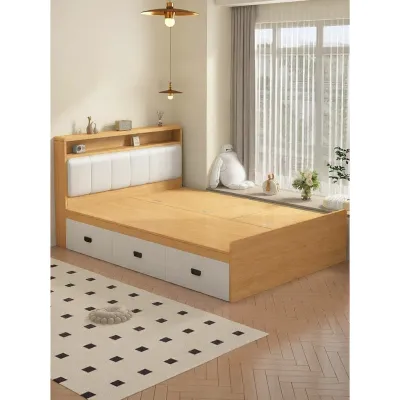
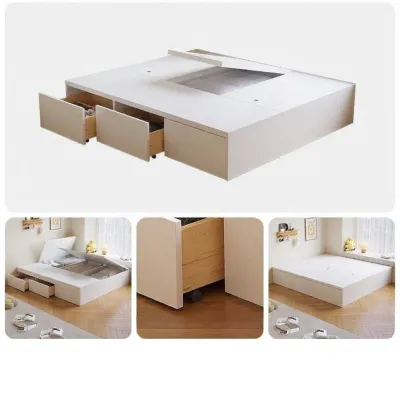




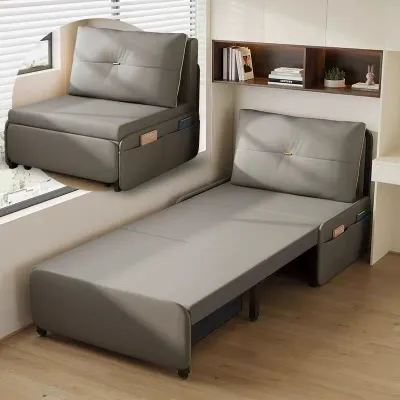
Prices are valid at publication and may change. Please refer to the product page for the latest price.
Next, map out the clearance zones required for daily movement and furniture operation. A functional bedroom requires at least 60 centimeters of open pathway around the sides and foot of the bed to allow comfortable walking. If you are considering a drawer-style bed, you must add the full depth of the extended drawers to this clearance calculation. For hydraulic lift beds, check the vertical clearance to ensure the mattress will not strike low-hanging light fixtures, ceiling fans, or wall-mounted air conditioning units when fully raised.
Do not overlook the logistical challenge of delivering large furniture pieces to your condo unit. Many modern high-rise developments in the Philippines have strict elevator weight and size limits, narrow stairwell turns, and tight hallway corners. Measure your building’s service elevator door and interior cabin, as well as your own unit’s front door frame. Choosing a modular or flat-packed storage bed frame that can be assembled directly inside your bedroom prevents the costly headache of a delivery that cannot physically enter your home.
Finally, identify the fixed architectural elements in your room that cannot be moved. Built-in wardrobes, sliding closet doors, electrical outlets, light switches, and floor-mounted baseboards can all interfere with how a storage bed functions. For example, a drawer that blocks a power outlet or prevents a wardrobe door from opening fully will quickly become a source of daily frustration. Mark these permanent fixtures on a simple floor plan before finalizing your bed selection.
Comparing Storage Bed Configurations for Small Spaces
Storage beds generally fall into three main categories, each utilizing a different mechanism to access the space beneath the mattress. Hydraulic lift beds use gas-pressurized struts to lift the entire mattress platform upward, exposing a large, undivided storage compartment. This design is highly efficient for rooms with narrow side clearances because you do not need extra floor space on either side of the bed to access your items. However, you must ensure your ceiling height can accommodate the angled height of the raised mattress.

Drawer-style storage beds feature pull-out compartments built directly into the base of the frame, operating on metal runners or floor casters. These beds are excellent for rooms with low ceilings or overhead cabinetry where vertical lifting is restricted. The primary constraint of drawer beds is the horizontal floor space required to pull the drawers out to their full length. If your bed is positioned close to a wall, a bedside table, or a desk, those drawers may become partially or completely inaccessible.
Ottoman or manual lift-up beds offer a simpler, often more budget-friendly alternative to hydraulic systems. Instead of gas struts assisting the lift, these frames rely on manual hinges and physical effort to raise the mattress platform. While mechanically straightforward with fewer parts that could wear out over time, manual lift beds have strict weight limits. Operating them with a thick, heavy mattress requires significant physical strength, making them less practical for daily use or for individuals with limited physical mobility.
When evaluating these configurations, look closely at the depth and internal dimensions of the storage compartments. Some frames feature shallow bases that only accommodate thin items like bed sheets or clothing organizers. If you plan to store bulky items such as hard-shell travel suitcases, plastic storage bins, or spare pillows, you will need a bed base with a generous internal depth. Always check the manufacturer’s internal specifications rather than assuming the exterior height of the frame represents the actual storage capacity.
Hydraulic Lift vs. Drawer-Style: Which Fits Your Room?
Choosing between a hydraulic lift and a drawer-style bed often comes down to where the bed is positioned in your room. If your condo bedroom is narrow and forces you to push one side of the bed directly against a wall or into a tight corner, a hydraulic lift bed is the superior choice. Because the entire mattress lifts vertically from the foot or side, you can access the entire storage area from the open side or foot of the bed without needing any lateral clearance.
Conversely, drawer-style beds are highly recommended when your bedroom layout allows for open space on at least one side of the bed, and when vertical clearance is limited. If your room features built-in overhead cabinets directly above the headboard—a common space-saving design in modern Philippine condos—a hydraulic lift might strike the cabinetry when opened. Drawers allow you to access your belongings horizontally, keeping the top of the bed completely undisturbed.
Operational frequency is another critical factor in this decision. Drawers are highly convenient for storing items you need to retrieve on a daily or weekly basis, such as activewear, extra towels, or daily bed linens, as you can open them quickly without disturbing the made bed. Hydraulic lift beds, on the other hand, require you to clear the top of the bed of heavy items, laptops, or loose pillows before lifting the platform. This makes hydraulic systems better suited for seasonal or infrequent storage, such as holiday decorations, travel luggage, or guest bedding.
You must also weigh the trade-off in total usable storage volume. Drawer-style frames require internal wooden dividers, metal tracks, and drawer boxes, all of which consume valuable physical space within the bed base. This structural framework reduces the overall cubic volume available for storage. A hydraulic lift bed, by contrast, offers a completely open, undivided cavern beneath the mattress, allowing you to maximize every single cubic centimeter of space for larger, irregularly shaped items.
Essential Buying and Installation Checks
Before finalizing your purchase, you must verify the structural specifications of the bed frame to ensure long-term safety and durability. Check both the static weight capacity (the maximum weight the bed can support when stationary) and the dynamic weight capacity (the weight limit when the lifting mechanism is in motion). These limits must comfortably accommodate the combined weight of your mattress, your bedding, the stored items, and the sleepers themselves. Overloading a hydraulic system can damage the gas struts, while overloading drawers can warp the runners or damage the floor.
Do not rely solely on standard mattress sizes like “Queen” or “Double” to estimate your storage capacity. Always request the exact internal dimensions of the storage compartments from the manufacturer or retailer. If you intend to store specific items, such as a standard 28-inch travel suitcase, measure the suitcase’s height, width, and depth beforehand to confirm it will physically fit inside the closed compartment without forcing the frame upward.
Assembly and installation require careful planning, especially within a condominium community. Many storage beds, particularly hydraulic models, are complex to assemble and require precise alignment of the lifting brackets and struts. Determine if the retailer offers professional assembly services, as incorrect DIY installation can lead to squeaking joints, misaligned frames, or structural failure. Additionally, check your condo’s Property Management Office (PMO) guidelines regarding delivery permits, work hours, and noise restrictions, as assembling heavy furniture can generate noise that requires prior clearance.
Finally, inspect your bedroom flooring to ensure it can handle the concentrated weight of a fully loaded storage bed. In the Philippines, many condo units feature vinyl planks, laminate flooring, or engineered wood parquet. A heavy storage bed resting on thin, sharp legs can dent or scratch these materials over time. Consider choosing a bed frame with a flat, solid plinth base that distributes the weight evenly across the floor, or use heavy-duty felt pads under the contact points to protect your flooring from damage.
Frequently Asked Questions (FAQ)
Do storage beds cause mold or moisture issues in humid climates?
Yes, the tropical climate and high relative humidity in the Philippines can create challenges for enclosed under-bed storage. Because storage beds restrict natural airflow beneath the mattress, moisture can easily become trapped inside the compartment, especially if the bed is placed against an exterior wall or in a room without regular air conditioning. This stagnant, humid environment can lead to the growth of mold, mildew, and musty odors on your stored clothing, linens, or luggage.
To prevent moisture issues, always ensure that any items you place in the storage compartment are completely dry. Avoid storing damp laundry or items that have recently been exposed to rain. You can place disposable moisture-absorbing tubs or large silica gel packets inside the compartment to actively collect excess humidity. Additionally, make it a habit to open the storage compartment or pull out the drawers for a few hours every month, preferably on a dry, sunny day with your room’s windows open or the air conditioner running, to allow fresh air to circulate.
Can I use a regular mattress with a hydraulic storage bed?
You can use a standard mattress with a hydraulic storage bed, but you must pay close attention to the mattress’s weight. The gas struts used in hydraulic beds are calibrated to operate within a specific weight range. The weight of the mattress acts as a counterweight; it helps keep the bed closed and controls the speed at which the platform opens.
If your mattress is too light, such as a thin foam mattress, the hydraulic struts may have too much upward tension, causing the bed platform to snap open dangerously fast or making it extremely difficult to push down and lock into place. Conversely, if your mattress is exceptionally heavy, such as a thick hybrid or latex model, the struts may not have enough lifting power to raise the platform, or they may fail to keep the bed open safely while you retrieve your items. Always check the manufacturer’s recommended mattress weight range for the specific hydraulic frame you plan to buy.

Community discussion
Share your experience or ask a question. Comments are reviewed before publication.